Tuesday, June 16th 2026 - 08:07 UTC
The strategy has generated impatience in La Paz, deprived of fuel and food for more than a month, but it has allowed the government to hold out for more than 40 days
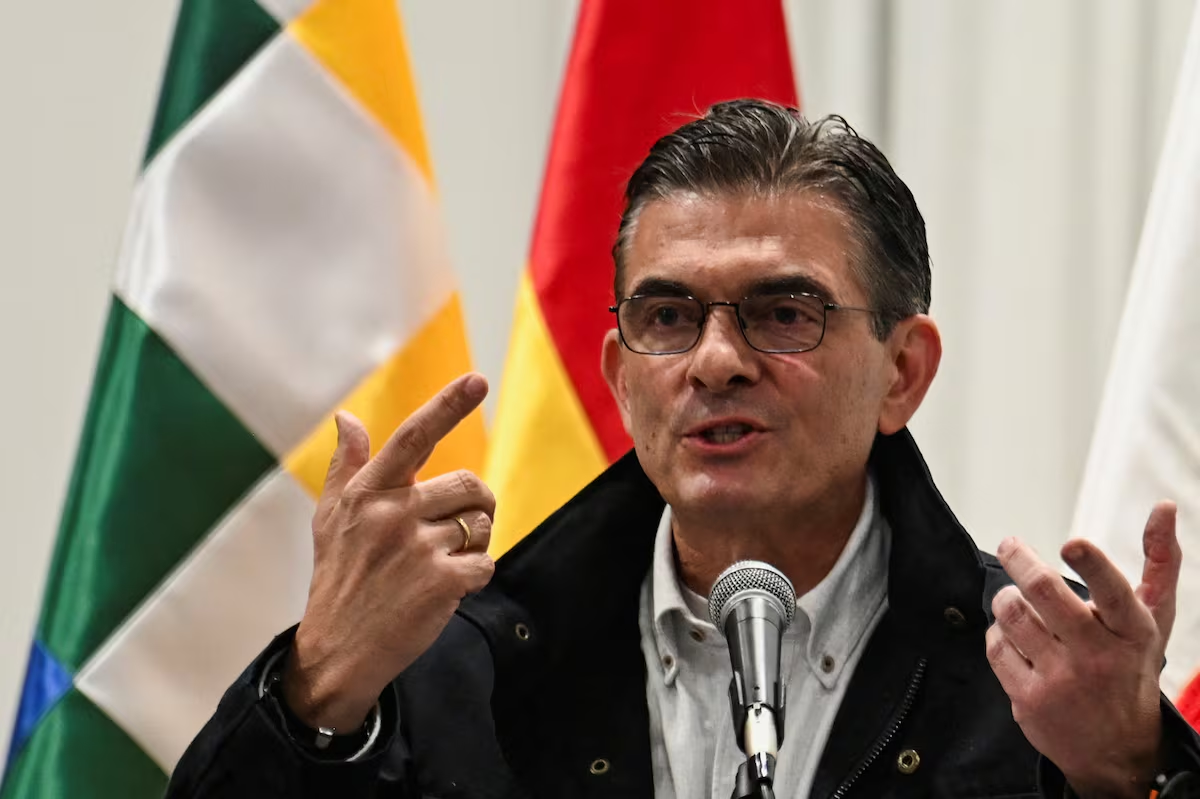
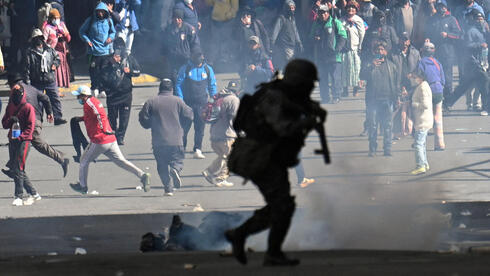
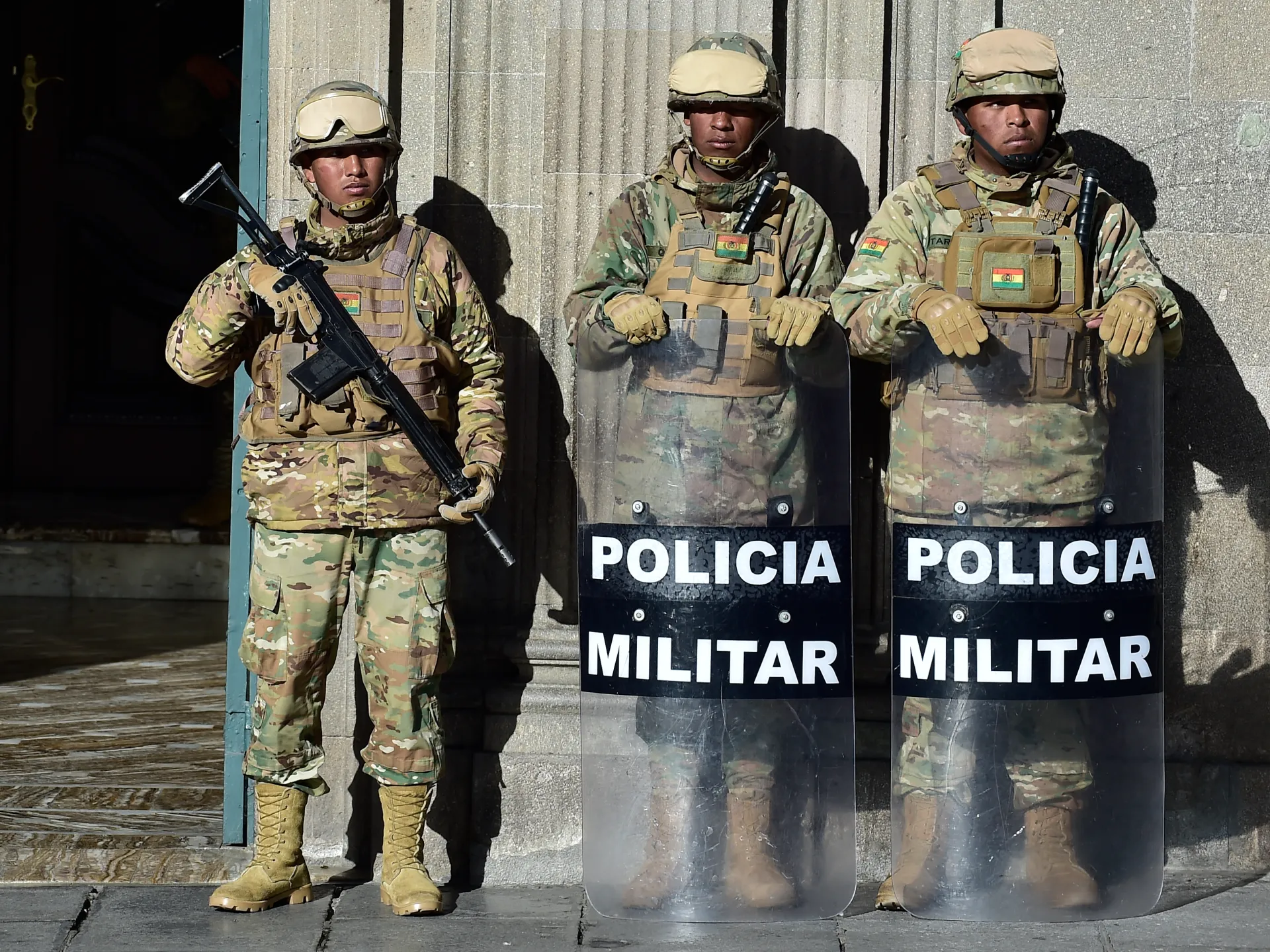
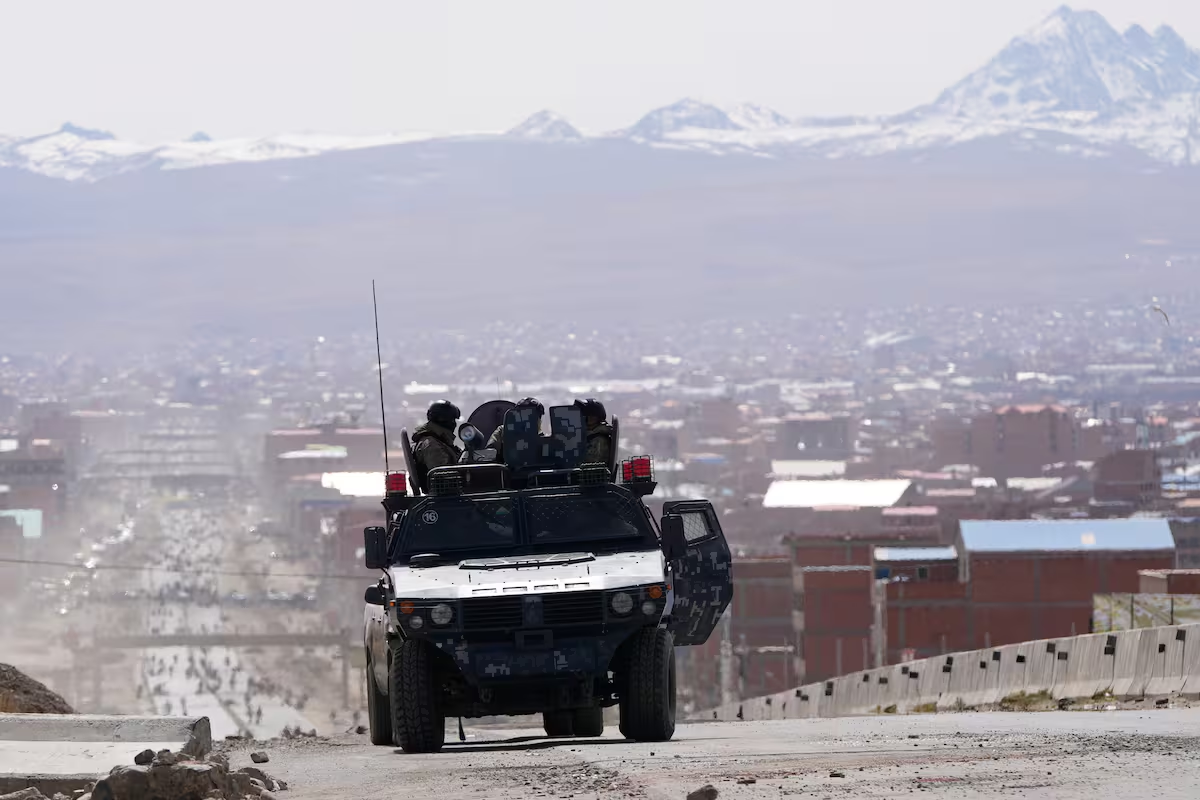
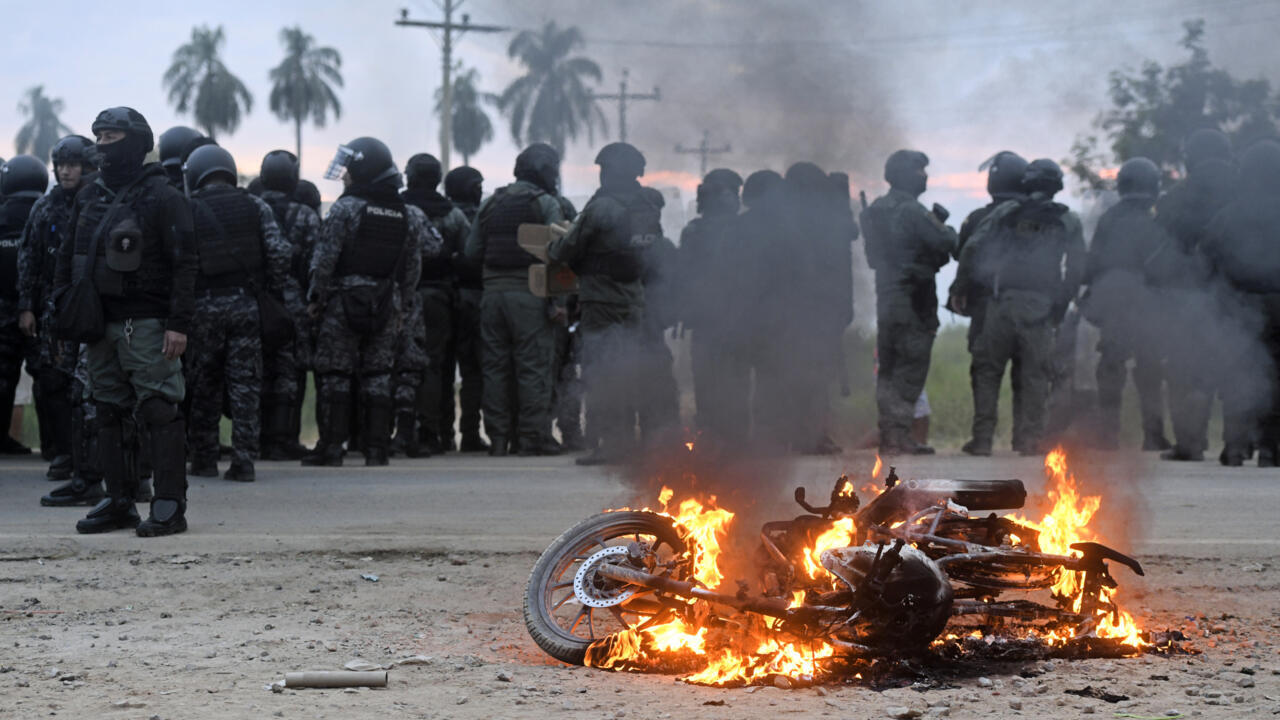
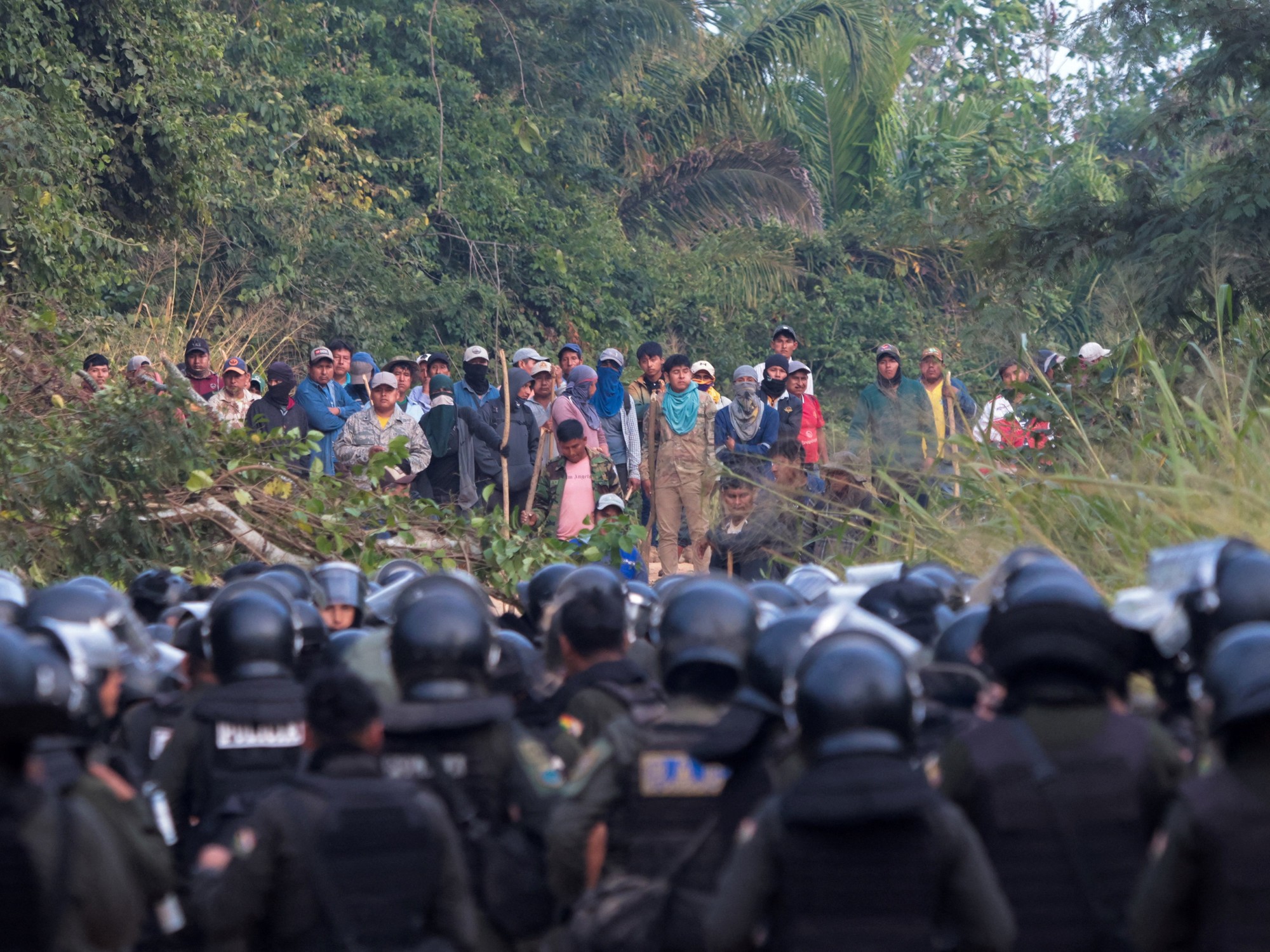
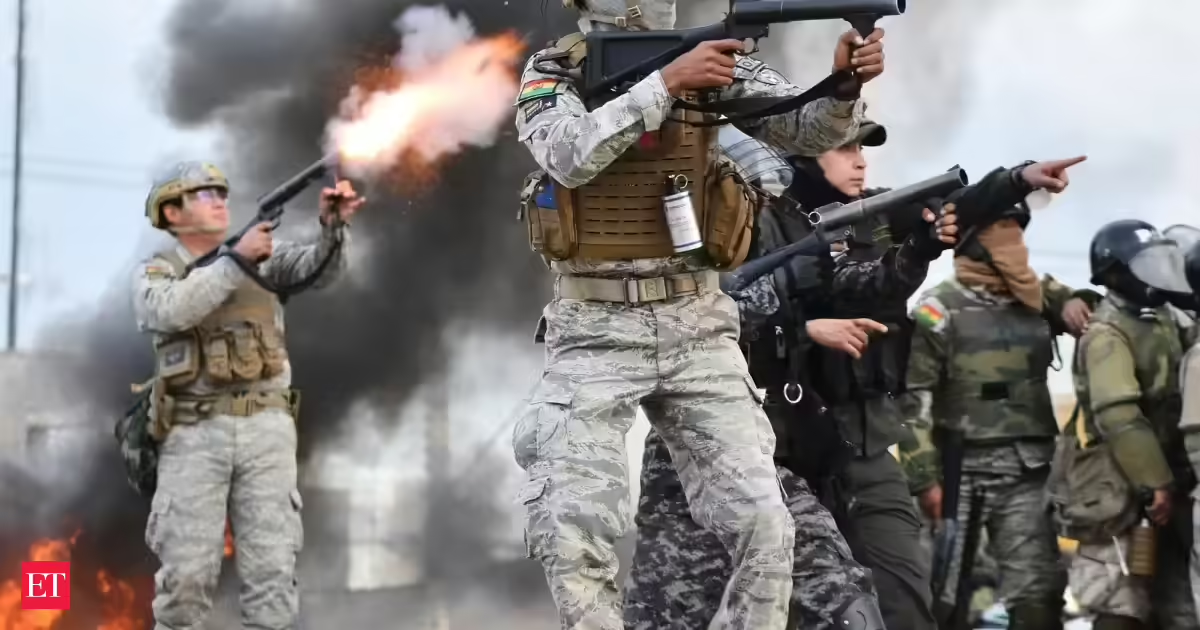
Bolivia's government has opted to wear down the social protests that have shaken the country for about six weeks, rather than resort to a hard line. President Rodrigo Paz promulgated a law regulating states of exception in early June, but has so far not ordered the deployment of the Armed Forces to clear the roads, leaning instead toward exhausting the protesters and dismantling the movements demanding his resignation through the detention or persuasion of their leaders. “The new Bolivia will be built with dialogue, without giving way to violence,” said presidential spokesman José Luis Gálvez.
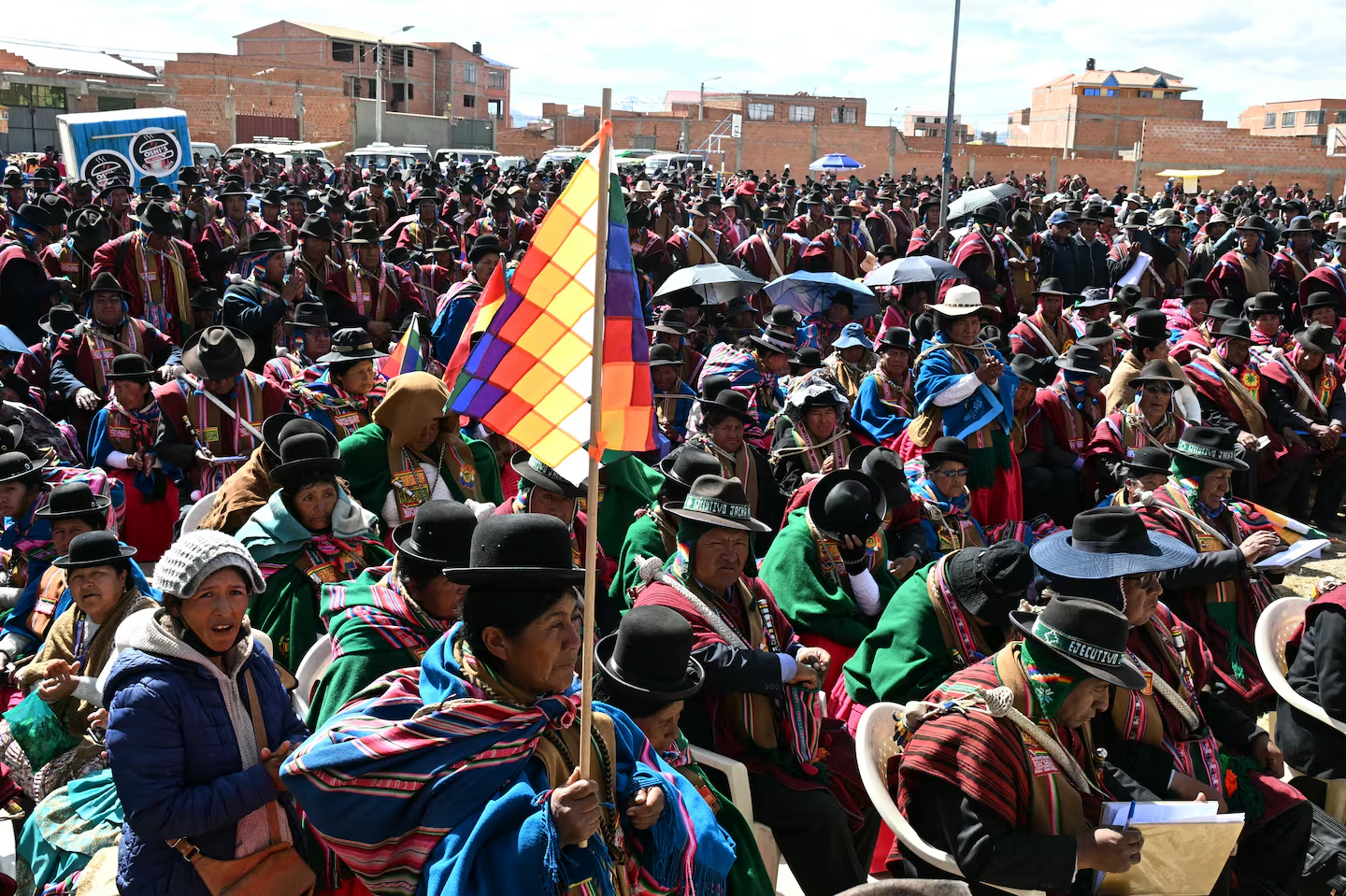
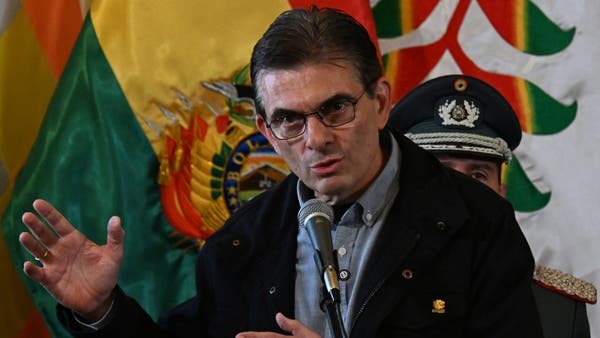
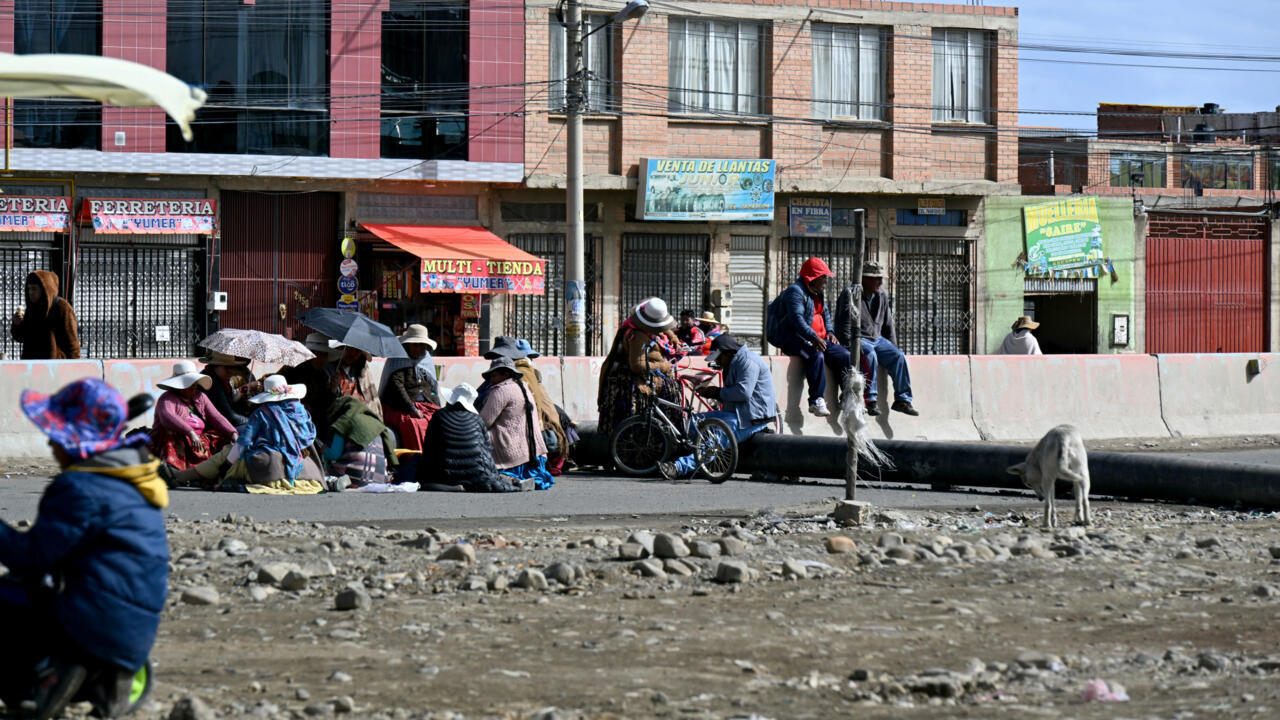
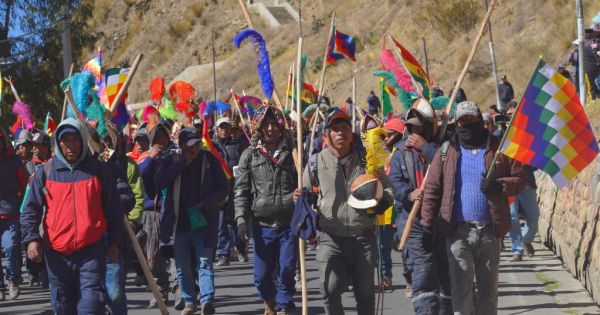
The government says the strategy is working. Government Minister Marco Antonio Oviedo held that the conflict is entering its “final phase,” and the blockade points fell from about 90 last week to just over 50, according to the Bolivian Highway Administration. The campesino populations of La Paz, the first to mobilize, nonetheless keep up their pressure measures; a campesino leader, Aquilardo Caricari, warned that any agreement between the government and some union executives would be disowned by “the grassroots.”