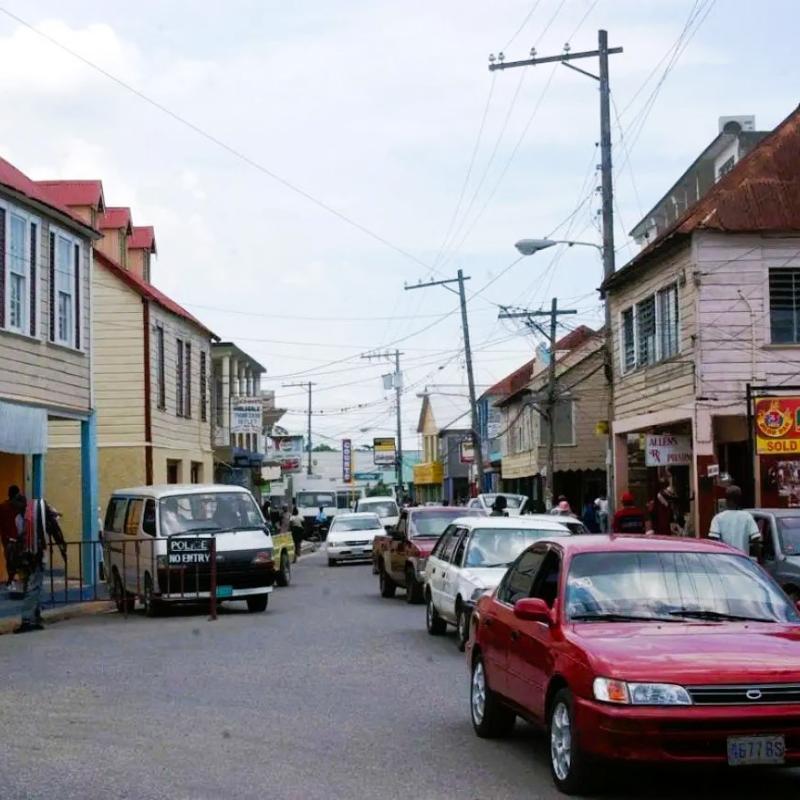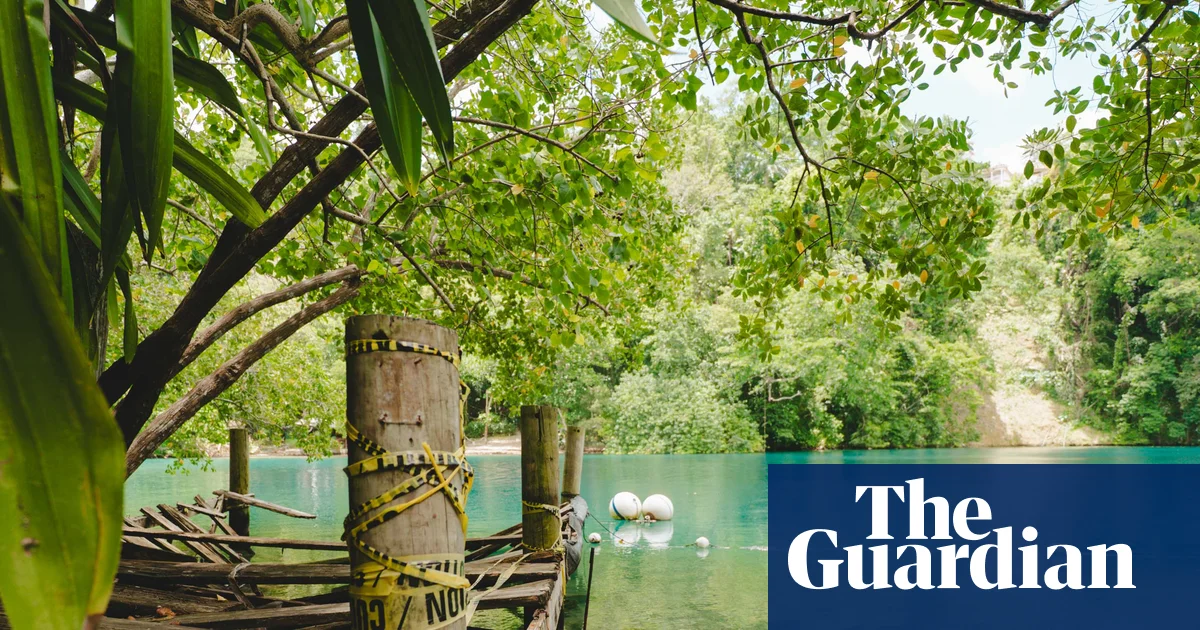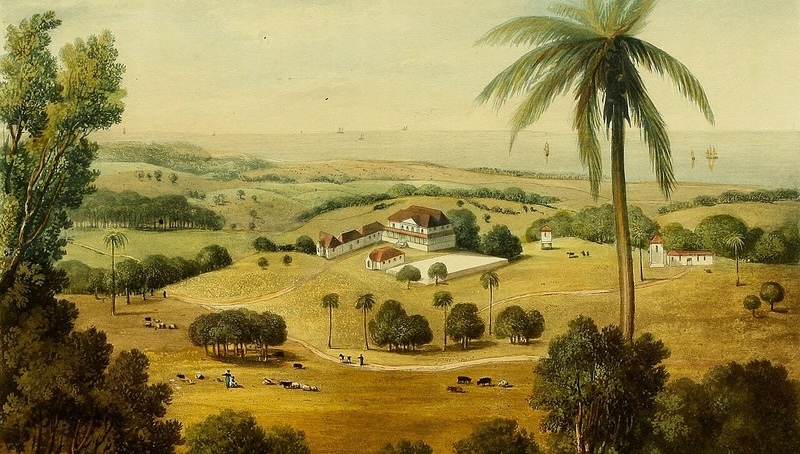
Sugarcane plantations reigned supreme in Trelawny, Jamaica, in the late 1700s, when there were more than one hundred estates. The parish, covered by loamy rainforest soil, was established in 1770 by combining land from St. Ann and St. James into the community that bore then governor Sir William Trelawny’s name.Article continues after advertisement
John Tharp, a wealthy planter who owned most of the estates, was the largest slave owner on the island, at one point in the early 1800s possessing more than two thousand people. He also owned ships in the busy trading port of Falmouth. This is how my ancestors first arrived in the Western Hemisphere, enslaved subjects of the British empire.
To understand representation in medicine and the conditions of Black folks’ health, we can’t turn just to the stories of a single nation. It is a global journey, one that connects us to the legacy of slavery everywhere. This paternal land of mine, Jamaica, the one that birthed my great-grandfather’s dreams, also shaped his experiences with discrimination in medicine, from the battlefields to the doors of medical institutions that slammed shut. His story echoes those of countless Black physicians across generations and borders. So I must begin here.