In contrast, some cities in Midlands, North and Wales saw bumper growth See more This is Money on Google - save us as a Preferred SourceBy HELEN CRANE, DEPUTY EDITOR, THIS IS MONEY Updated: 10:12 BST, 16 June 2026
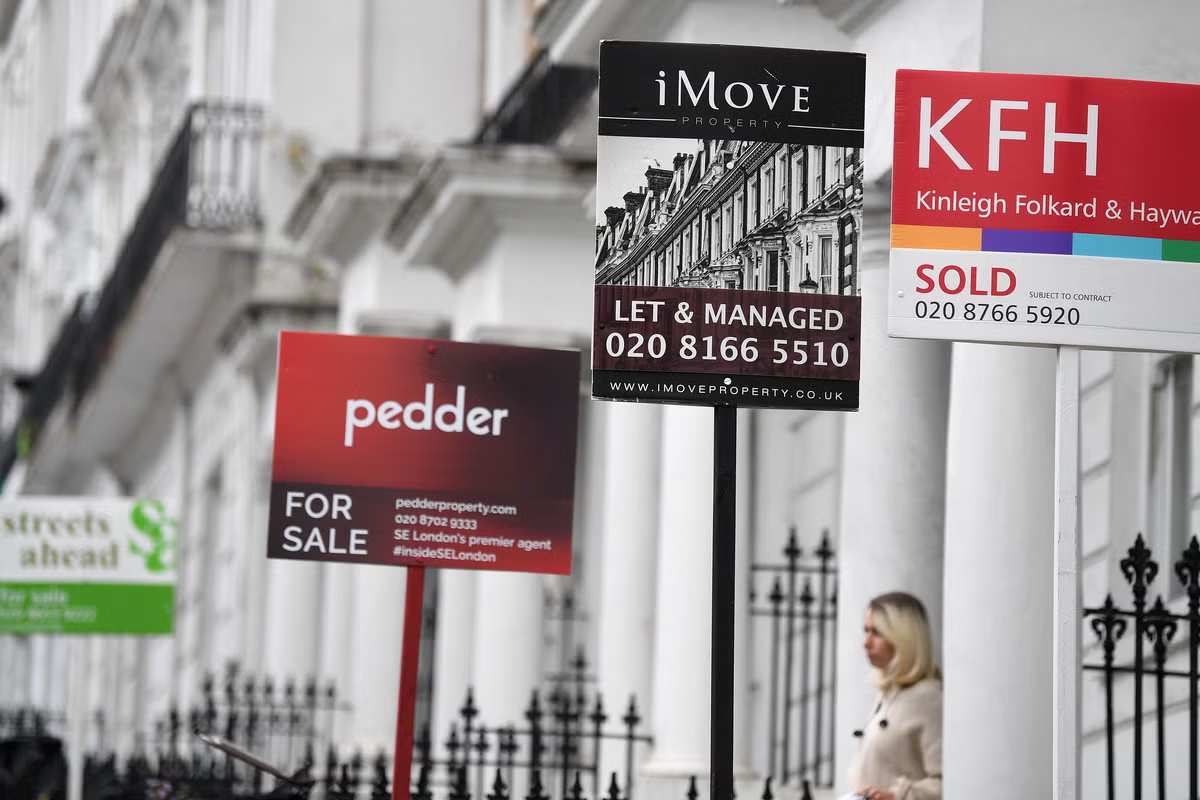
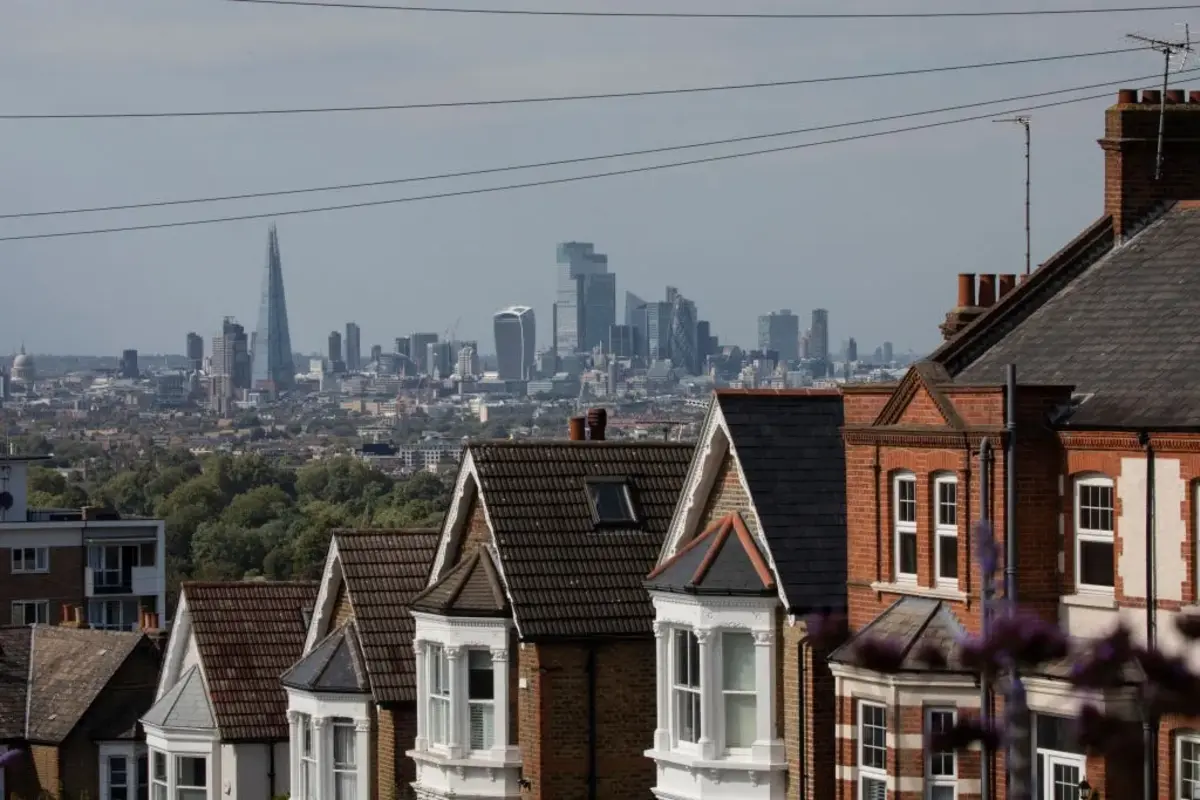
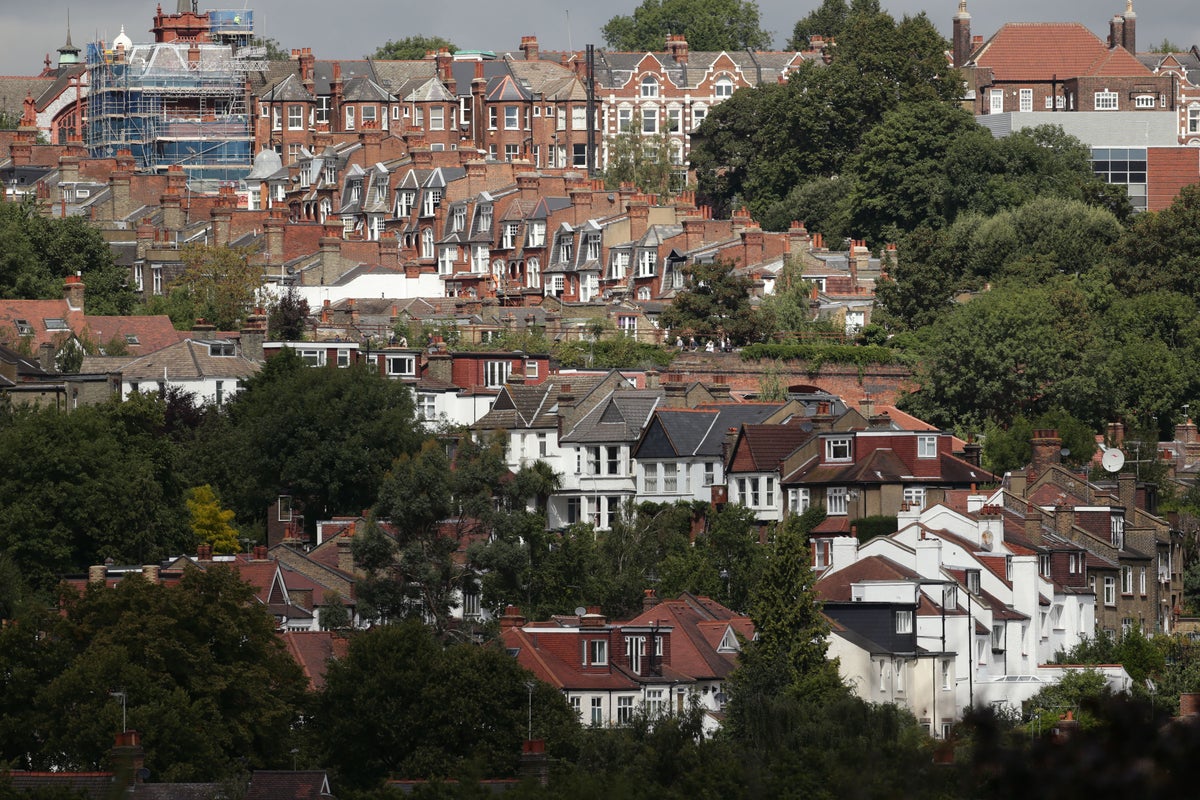
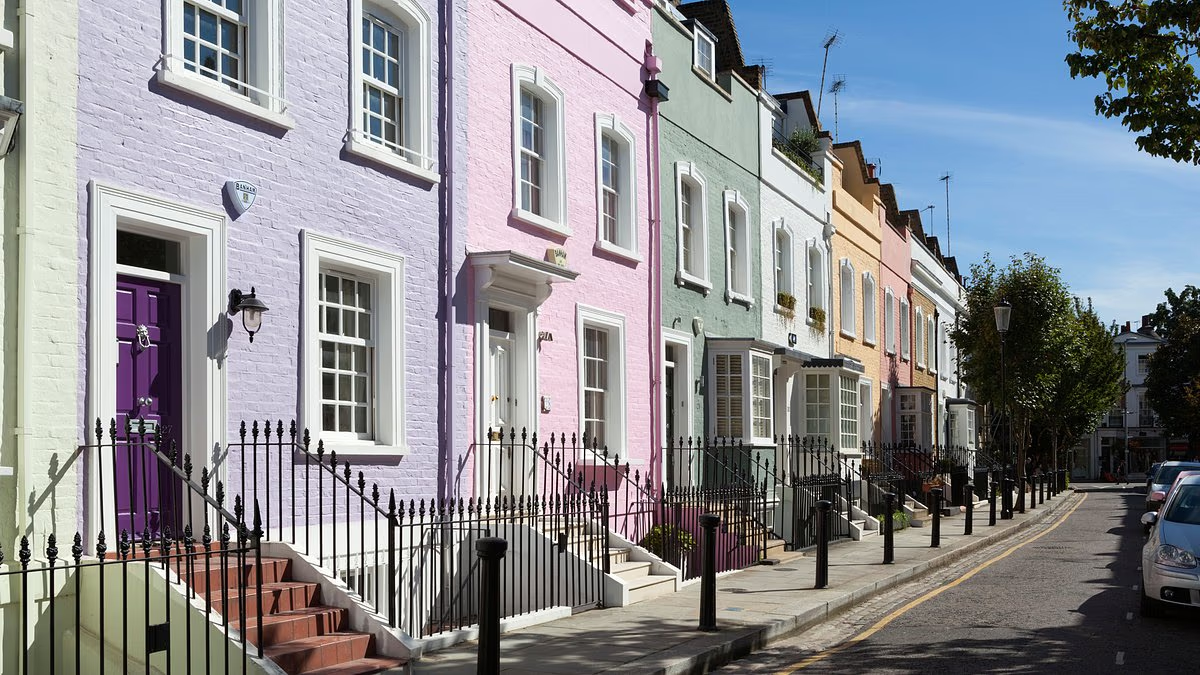
London saw the slowest house price growth of any British city over the past ten years, as sky-high prices stretched buyers to their limits. The capital's property market slump saw asking prices increase by just 7 per cent between 2016 and 2026 according to Rightmove, despite a brief boom during the pandemic. While the asking price of the typical home is still the most expensive in Britain at £687,080, it has only increased by £47,487 in the past ten years - prices stood at £639,593 in 2016.The property website analysed millions of supply, demand and pricing data points to come up with the figures. In contrast to London's lacklustre performance, cities across the Midlands, Northern England and Wales saw bumper growth. Downbeat: Homes in London have seen scant growth in asking prices in the last decadeExperts said this was because property prices were more affordable and barriers to getting on the housing ladder were lower. Both Wolverhampton and Manchester recorded 63 per cent property price growth between 2016 and 2026. In Wolverhampton, a typical home will set buyers back £229,094, compared to £140,548 in 2016. Meanwhile the average asking price for a home in Manchester is £261,891, up from £160,422 ten years ago.Newport, Nottingham, Wakefield, Salford and Bradford all saw prices increase by more than 50 per cent, while Stoke-on-Trent, Doncaster and Swansea rounded out the top ten. Despite rapid price rises, all of the cities still have an asking price of less than £270,000 which is more than £100,000 cheaper than the UK-wide average. According to Rightmove, the average asking price across the country is now £376,191, down from a record high of £379,517 last May.This fell by £2,113 or 0.6 per cent in the last month, which represented the biggest monthly decline in 14 years. Colleen Babcock, Rightmove's property expert, said: 'Affordability has been a central theme shaping these trends. 'Areas with lower starting price points have had more room for growth, which has contributed to a widening north-south divide in price growth trends over the last ten years.'Greater flexibility through hybrid and remote working is still influencing where people choose to live, supporting demand in cities that offer better value and a different lifestyle balance.''Higher prices in the capital have limited how much further buyers can stretch.'Much of the country is currently a buyers' market due to high levels of stock on the market and few people out house hunting.Increased mortgage costs and higher unemployment will also 'weigh on housing demand' according to a gloomy report yesterday by economic forecaster, the Item Club. CITIES WITH BIGGEST ASKING PRICE GROWTH, 2016-26 City Average asking price 2026 10-year price change Manchester £261,891 63% Wolverhampton £229,094 63% Newport £235,275 57% Nottingham £210,238 53% Wakefield £231,581 52% Salford £226,559 52% Bradford £171,282 51% Stoke-On-Trent £174,850 49% Doncaster £186,378 49% Swansea £215,866 48% Source: Rightmove It expects house prices to edge up by just 1.1 per cent this year and 0.6 per cent in 2027, having risen 2.7 per cent in 2025.Mary-Lou Press, the president of estate agent membership body NAEA Propertymark said: 'Affordability has become one of the strongest drivers of house price growth over the past decade. 'Cities such as Manchester, Wolverhampton and Nottingham have benefited from lower starting price points, while higher-value markets like London have faced natural affordability constraints.'The data also reinforces a broader shift away from a London-centric market, with regional cities across the North and Midlands emerging as major growth centres.'How to find a new mortgage Mortgage rates have soared after conflict with Iran has driven up inflation expectations and dashed hopes of interest rate cuts.If you need a mortgage because you are buying a home, or your current fixed rate deal is due to end, you should explore your options as soon as possible. This is Money has a long-standing partnership with fee-free broker L&C, to provide you with expert mortgage advice.Use This is Money and L&Cs best mortgage rates calculator to show deals matching your home value, mortgage size, term and fixed rate needs.Or use L&C’s online Mortgage Finder to search thousands of deals from more than 90 different lenders to discover the best deal for you.This is Money's mortgage tips What if I need to remortgage? Borrowers should compare rates, speak to a mortgage broker and be prepared to act. Homeowners can lock in to a new deal six to nine months in advance, often with no obligation to take it.Most mortgage deals allow fees to be added to the loan and only be charged when it is taken out. This means borrowers can secure a rate without paying arrangement fees. If you do this and don't clear the fee on completion, interest will be paid on it over the term of the loan.What if I am buying a home? Those with home purchases agreed should also aim to secure rates as soon as possible, so they know exactly what their monthly payments will be. Buyers should avoid overstretching and be aware that house prices may fall, as higher mortgage rates limit people's borrowing ability and buying power.What about buy-to-let landlords?Buy-to-let landlords with interest-only mortgages will see a greater jump in monthly costs than homeowners on residential mortgages. This makes remortgaging in plenty of time essential and our partner L&C can help with buy-to-let mortgages too. > Find your next mortgage deal with This is Money and L&CMortgage service provided by London & Country Mortgages (L&C), which is authorised and regulated by the Financial Conduct Authority (registered number: 143002). The FCA does not regulate most Buy to Let mortgages. Your home or property may be repossessed if you do not keep up repayments on your mortgage