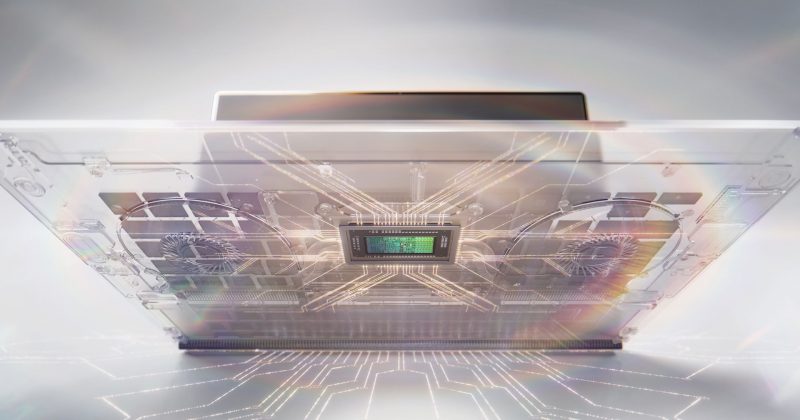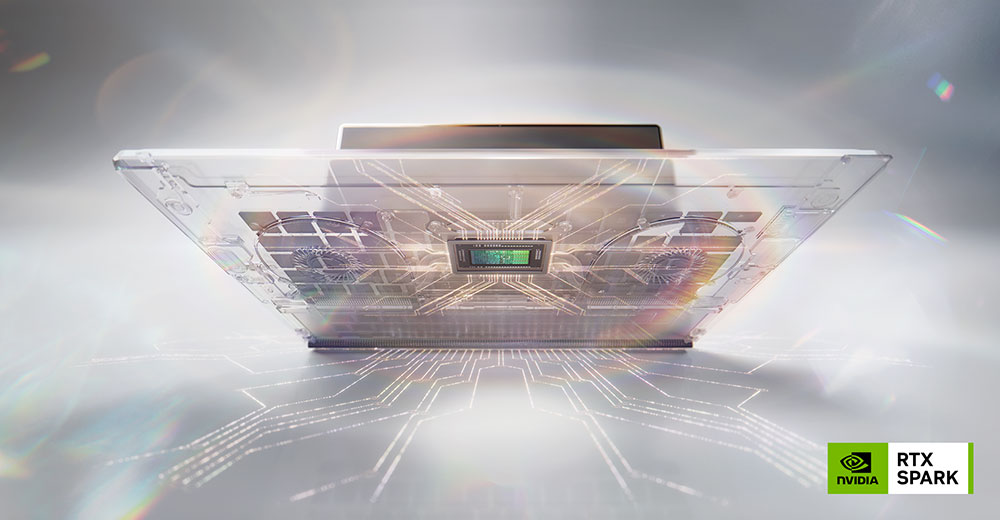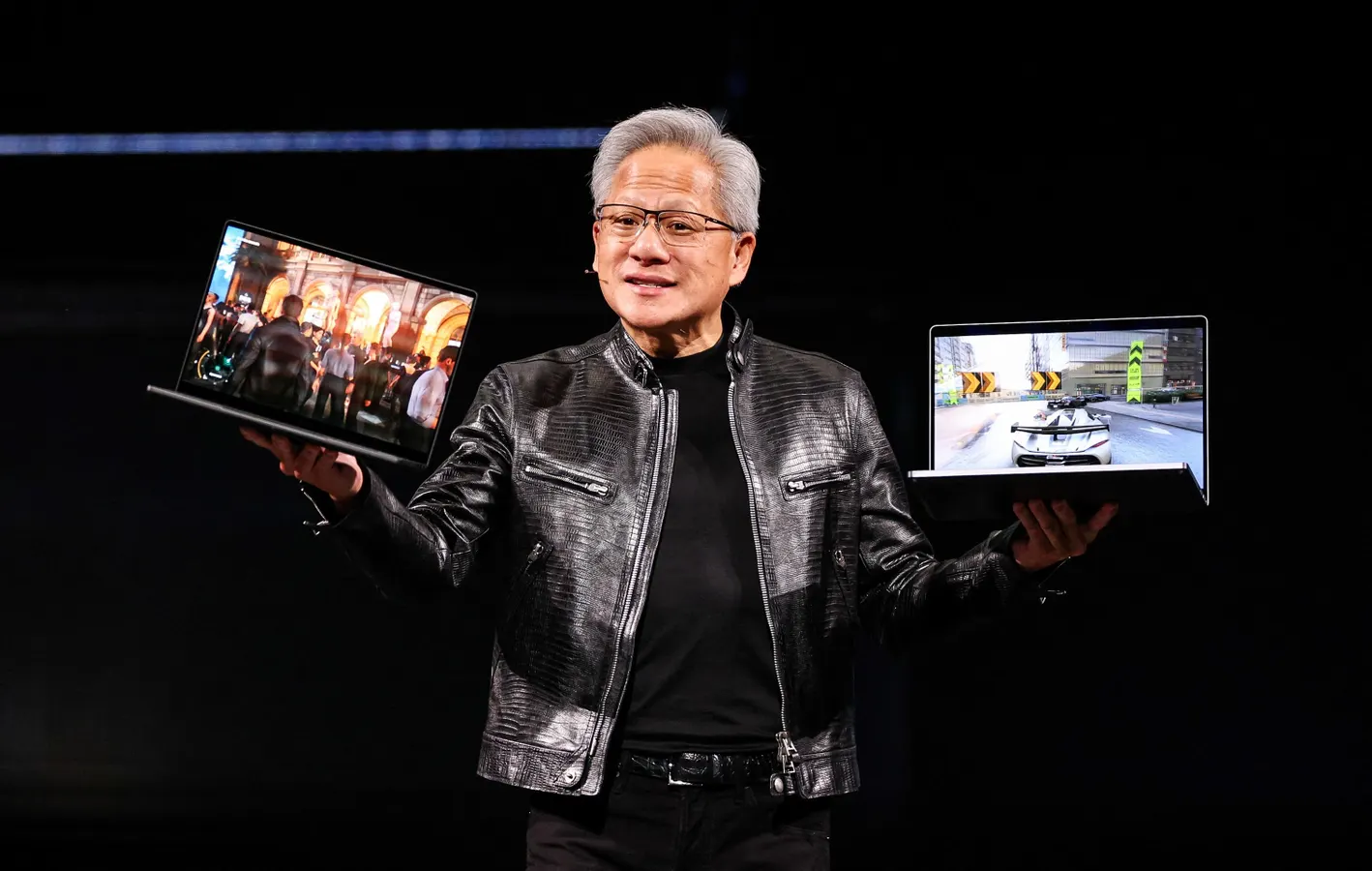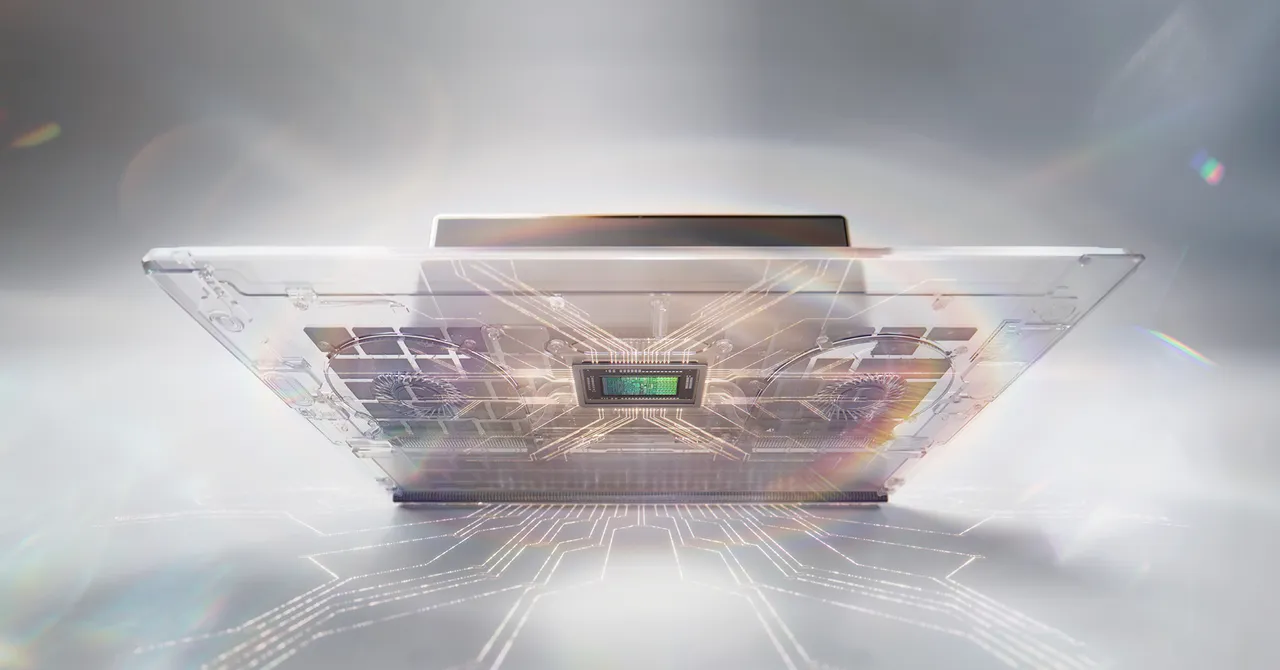
Nvidia’s new RTX Spark is one of the most interesting personal computing announcements in years. That’s because it’s not just another PC platform, but tries to redefine the role of the personal computer in the age of AI. Announced at Computex 2026, RTX Spark is Nvidia’s new platform for slim Windows laptops and compact desktops, designed to combine an Arm-based CPU, Blackwell-based RTX graphics, and a large, unified memory architecture into a single AI-first computing system.
We have all grown accustomed to a cloud-centric AI model over the past few years. We open an application, send a request over the network, and a hosted service in a distant data center provides the intelligence. ChatGPT, Grok, Gemini, and similar systems have trained the market to think of AI as something that lives elsewhere. RTX Spark proposes a different model. It asks a simple yet disruptive question: What if the model, the agent, the data, and the application could all live on your own machine? Nvidia is not just selling a faster PC. It is selling a new architectural premise.
Features, functions, and prices
On paper, RTX Spark is designed to be a highly capable local AI system. Nvidia has described the platform as combining AI acceleration and RTX graphics on a single chip for thin laptops and small desktops. Public specifications for the platform indicate configurations with up to 6,144 Blackwell GPU cores, up to a 20-core CPU, up to 1 petaflop of FP4 AI performance, and up to 128GB of unified memory. These are not ordinary PC numbers. They are clearly intended to support serious local AI workloads.