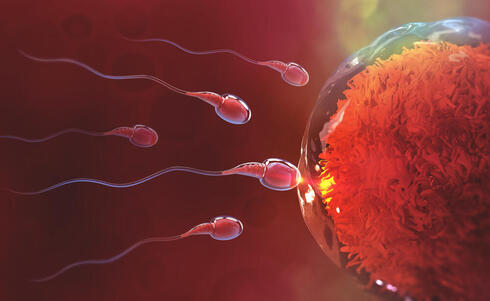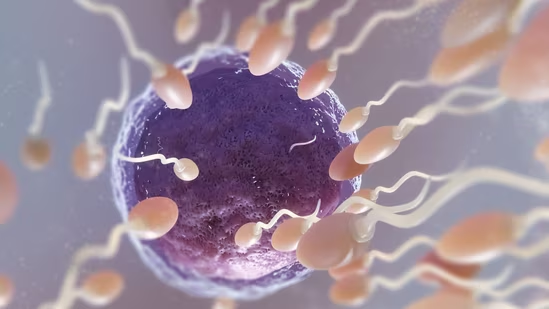
Before trying to conceive, many women focus on factors like age and timing, but reproductive health is influenced by much more than that. Egg quality – an important factor in fertility and a healthy pregnancy – is shaped by a combination of genetics, age, and everyday lifestyle habits. From what you eat and how well you sleep to stress levels and meal timings, seemingly small daily choices can have a bigger impact on your fertility than you may realise.Read more to find out ways to protect your egg quality! (Pexel)Also Read | Nutrition to heal inflammation: Health coach shares 6 whole-foods recipes that can soothe your body from withinA clinical dietitian specialising in weight management, PCOS, thyroid disorders, diabetes, and pregnancy, who goes by Nutri Care Diet Clinic on Instagram, has shared the everyday habits that may be harming your egg quality – and the simple lifestyle changes that can make a significant difference over time.In an Instagram post shared on June 10, the dietician highlights, “Your egg quality is influenced by more than just age. The small habits you repeat every day can have a bigger impact than you think. From late-night dinners and poor sleep to chronic stress, dehydration, and a diet high in sugary or ultra-processed foods, these habits may affect your overall reproductive health.”However, the dietitian emphasises that the good news is that even small, consistent lifestyle changes can go a long way in supporting hormone balance, enhancing overall well-being, and promoting fertility health over time. She outlines the following habits that are negatively affecting your egg quality:DehydrationAccording to the dietitian, adequate hydration is essential for optimal cellular function, including processes that support reproductive health. Chronic dehydration can disrupt several vital bodily functions, creating an internal environment that may indirectly affect egg quality.She explains, “Your body needs adequate hydration for optimal cellular function, including reproductive health. While dehydration doesn’t directly damage egg quality, chronic inadequate fluid intake may affect overall health and wellbeing. Aim to drink enough water throughout the day.”Skipping mealsFrequently skipping meals can lead to inadequate intake of essential nutrients that the body needs to perform various functions, including those that support healthy egg development. To ensure your body receives these vital nutrients, the dietitian recommends eating balanced, nutrient-rich meals consistently every day.She notes, “Frequently skipping meals can lead to inadequate intake of essential nutrients needed for healthy egg development. Nutrients like protein, iron, folate, omega-3 fats, vitamin D, zinc and antioxidants support reproductive health. Consistent, balanced meals help nourish your body and support hormone production.”High-sugar bakery itemsAccording to the dietitian, regularly consuming foods high in added sugars and refined carbohydrates can disrupt insulin sensitivity and promote inflammation in the body. Instead, she recommends opting for healthier treats, practising portion control, and focusing on a balanced diet centred around whole, minimally processed foods.She highlights, “Regular consumption of foods high in added sugars and refined carbohydrates may contribute to insulin resistance and inflammation. Both can negatively affect hormone balance, particularly in women with conditions such as PCOS. Choose healthier treats in moderation and focus on whole foods most of the time.”Eating dinner lateEating dinner late at night regularly can disrupt the body's natural circadian rhythm – the internal clock that regulates sleep, metabolism, and hormone production. The dietician suggests that disturbances to this sleep-wake cycle may negatively affect hormone balance and, in turn, impact reproductive health.She explains, “Regularly eating dinner very late at night may affect your body’s natural circadian rhythm. Research suggests that disruptions in sleep-wake cycles can impact hormone balance, which plays an important role in reproductive health. Try to finish dinner two hours before bedtime whenever possible.”Chronic stressPersistent, long-term stress can keep cortisol levels chronically elevated, which may interfere with hormone regulation and negatively affect reproductive health. To counter this, the dietitian recommends making stress management a consistent part of your daily routine through practices such as regular exercise, mindfulness, quality sleep, social connections, and other activities.She highlights, “Long-term stress can increase cortisol levels and may interfere with reproductive hormone balance. Managing stress through exercise, mindfulness, adequate sleep, social support, and relaxation techniques may help support overall fertility and reproductive health.”Packaged and ultra-processed foodsA diet high in ultra-processed foods often comes at the expense of nutrient-rich choices, while increasing the intake of unhealthy fats, additives, excess sodium, and other heavily processed ingredients. To support better nutrition, the dietitian recommends prioritising whole, minimally processed foods that are naturally rich in essential nutrients.She emphasises, “A diet high in ultra-processed foods is often associated with lower intake of important nutrients and higher intake of unhealthy fats, sodium, and additives. A nutrient-rich diet emphasising fruits, vegetables, whole grains, legumes, nuts, seeds, and quality proteins provides antioxidants and nutrients that support egg health.”Poor sleepAccording to the dietitian, sleep is one of the most crucial pillars of healthy hormone balance. Consistently getting too little sleep can elevate stress hormones, disrupt the body's hormonal rhythms, and interfere with key reproductive hormones that play an essential role in ovulation and healthy egg development.She notes, “Sleep is one of the most important factors for hormonal balance. Poor sleep may increase stress hormones and disrupt reproductive hormones involved in ovulation and egg maturation. Aim for seven to nine hours of quality sleep most nights.”How to protect egg quality?Dinner before 8 pm.Add anti-inflammatory foods (amla, ginger, turmeric, greens, nuts)Warm, easy-to-digest meals at night.Seven to eight hours of deep sleep.Reduce caffeine.Add magnesium-rich foods for cellular repair.A 10-minute walk after meals.The dietician concludes, “Your egg quality is not just your age! It’s your inflammation level. Fix your inflammation, improve your fertility.”Note to readers: This article is for informational purposes only and not a substitute for professional medical advice. It is based on user-generated content from social media. HT.com has not independently verified the claims and does not endorse them.
Dietician shares 7 daily habits that are silently degrading your egg quality, explains simple ways to protect fertility
Certain daily habits negatively impact your hormonal balance and reproductive health more than you realise. Check out ways to improve your egg quality. | Health
964 words~4 min read