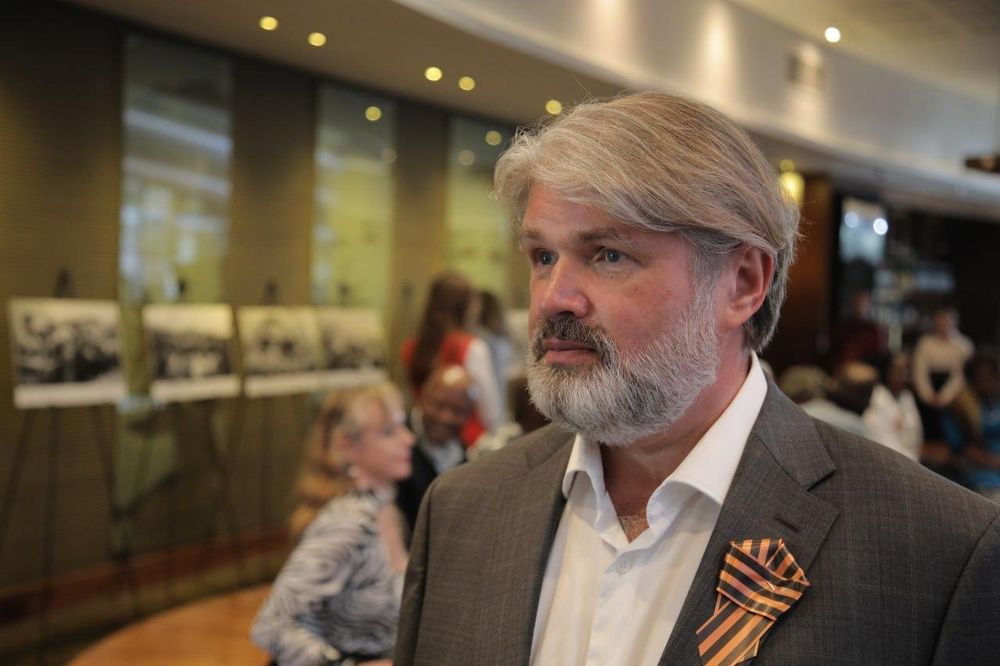
On the 50th anniversary of the Soweto Uprising, Russian Ambassador Roman Ambarov reflects on the enduring legacy of Youth Day.
On this solemn and momentous day, I extend my heartfelt congratulations to each and every South African on your national holiday – Youth Day.
Today, we commemorate the 50th anniversary of the Soweto Uprising of 16 June 1976. This mass demonstration – led by pupils from Morris Isaacson High School and Naledi High School, joined by students from Phefeni Junior Secondary School and Thomas Mofolo Secondary School, as well as pupils from Tladi, Moletsane, Molapo and Orlando West – became a watershed moment and fundamentally altered the course of African history.
They marched against an oppressive system, demanding the right to learn in their own languages and to receive an education worthy of their potential and human dignity.
We bow our heads in remembrance of the many peaceful demonstrators who were met with brutal force, including young Hector Pieterson and Hastings Ndlovu, who were among the first to be shot and whose deaths came to symbolise the violence of the apartheid state. This violence marked a turning point in how young black South Africans engaged in the broader resistance against the ruthless machinery of racial oppression.