Monday 15 June 2026 4:11 pm
| Updated:
Tuesday 16 June 2026 8:13 am
The ban could see children using less regulated platforms instead
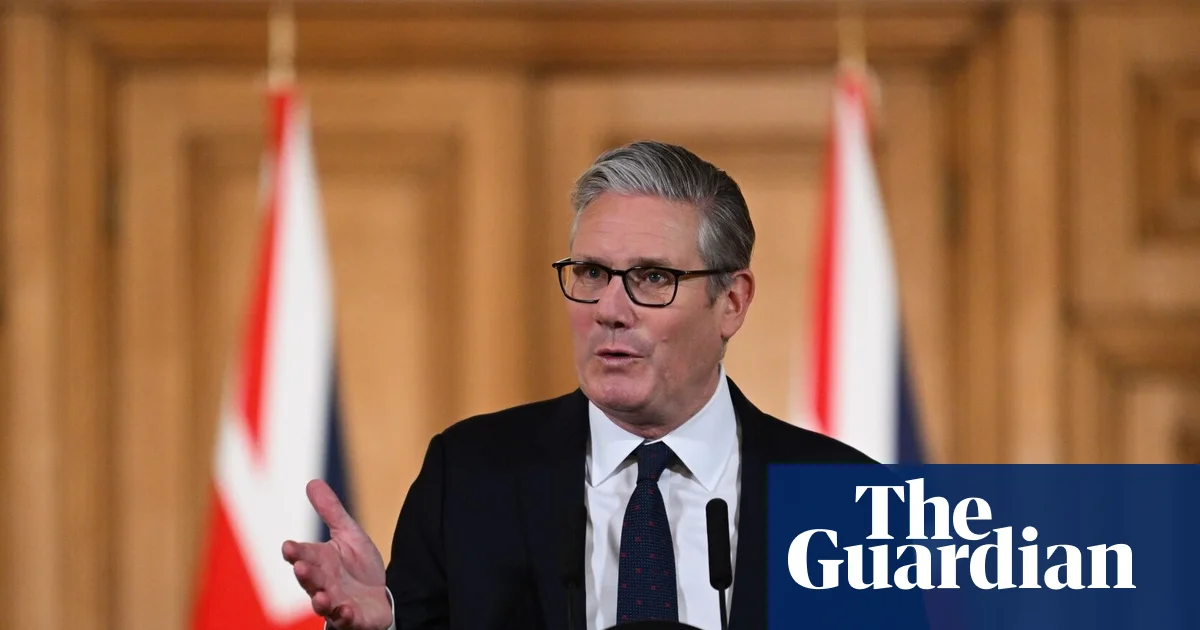
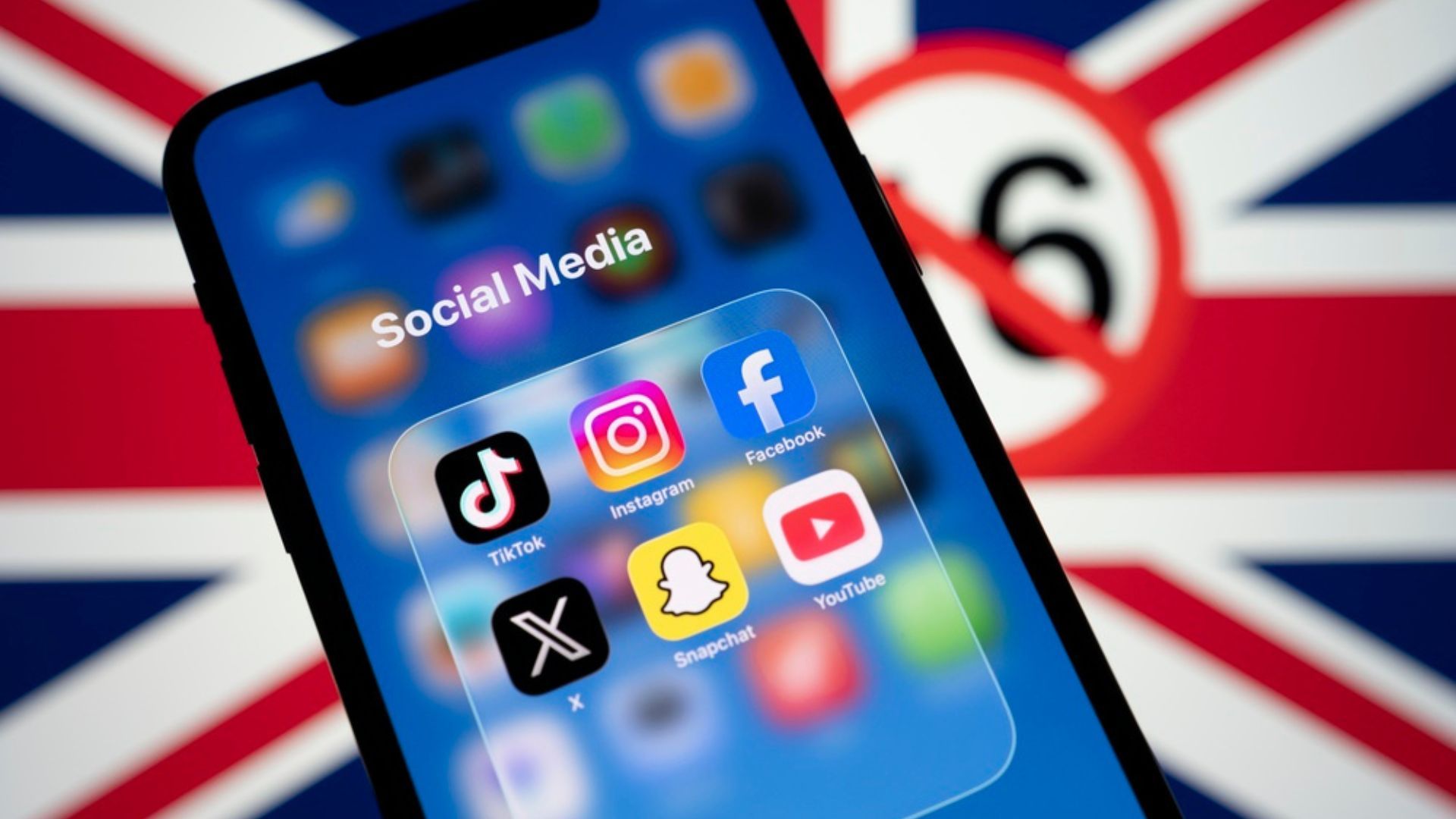
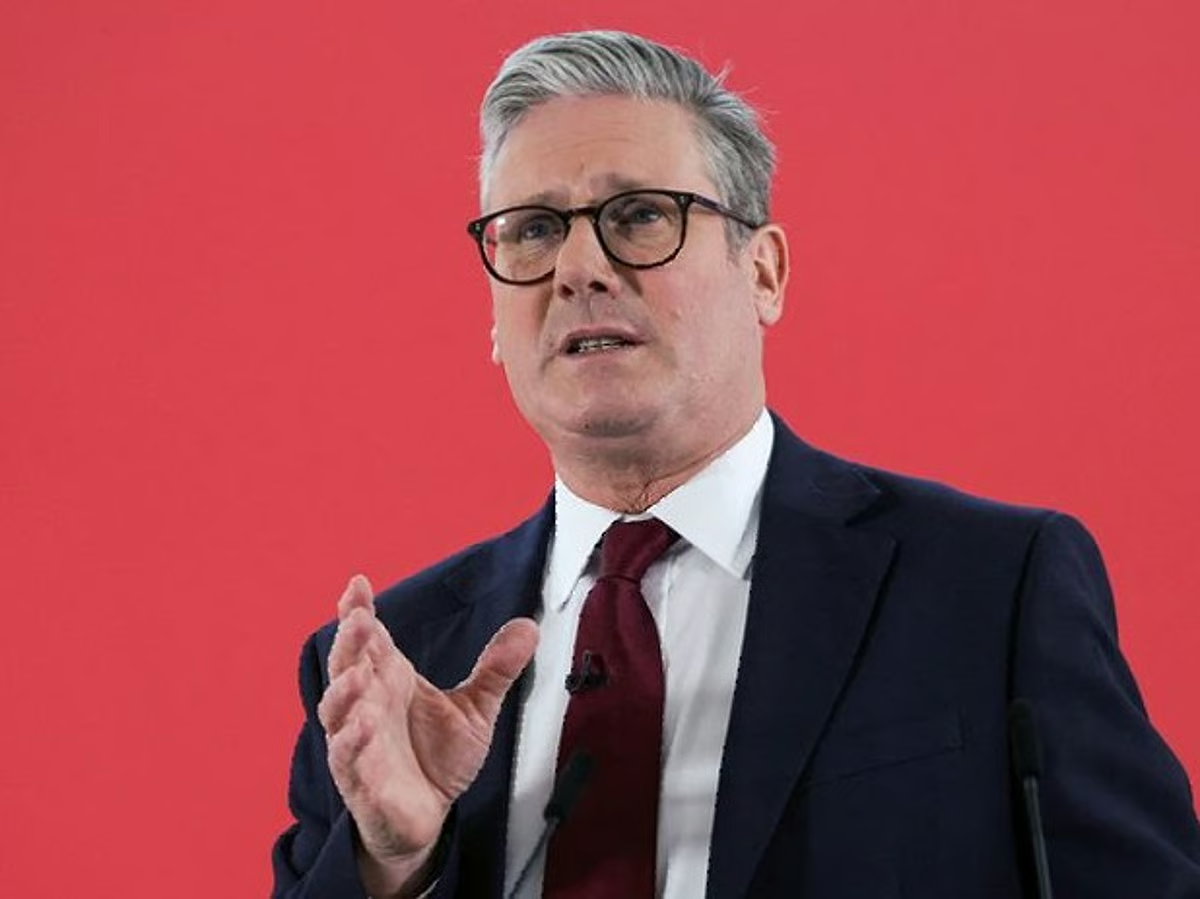
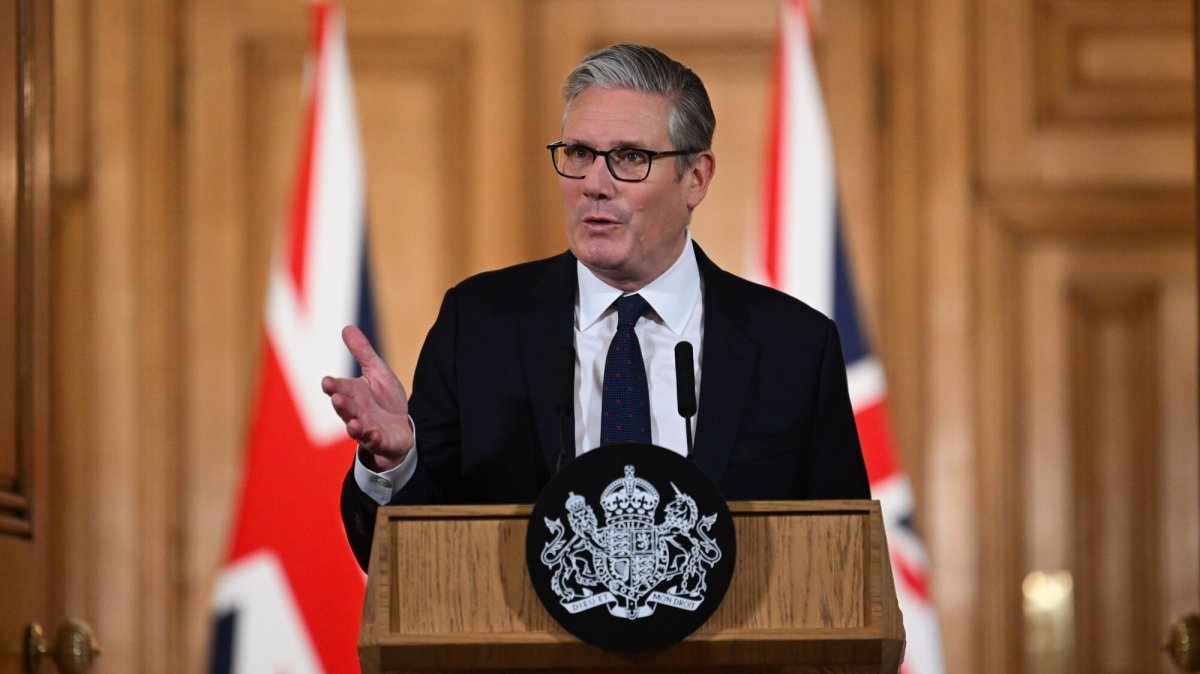
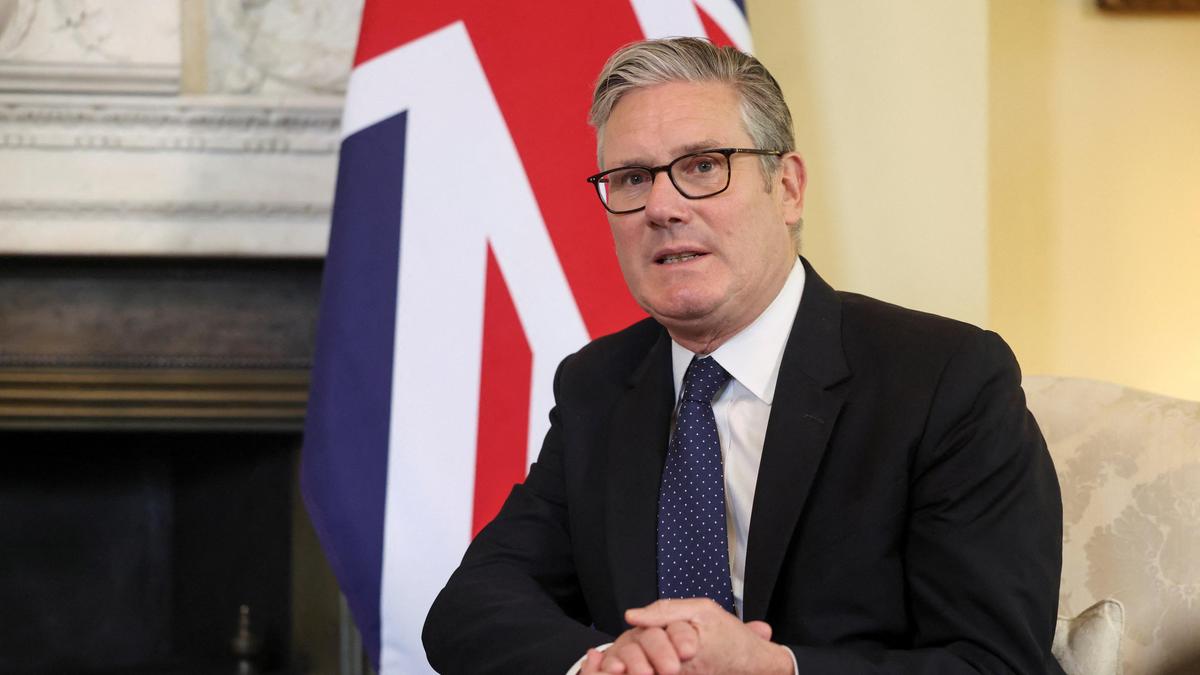
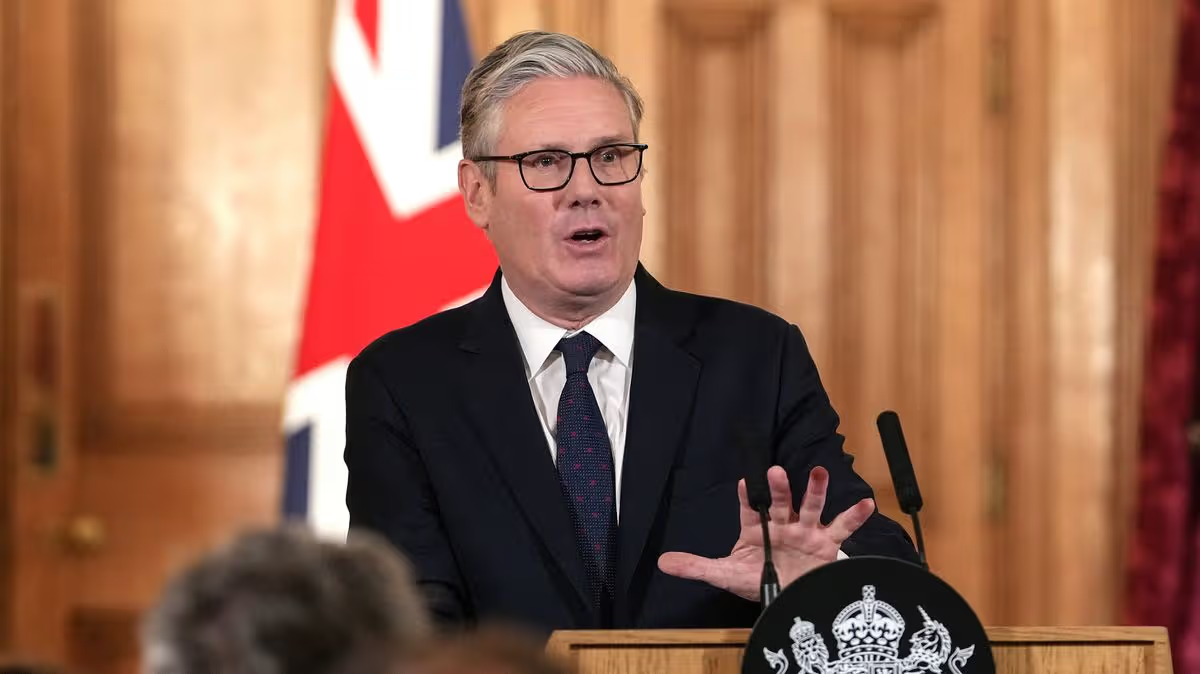
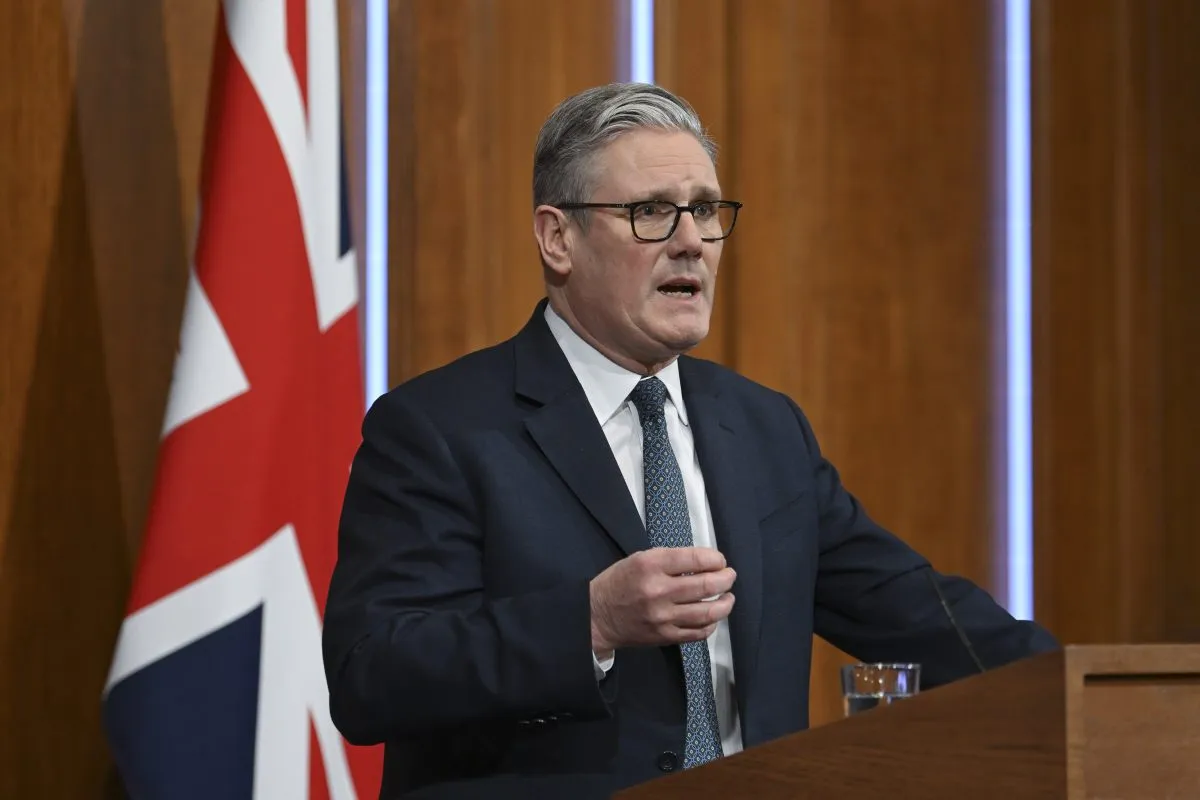
Sir Kier Starmer’s announcement to ban social media for under-16s on Monday morning may create privacy issues for children and encourage them to use less regulated platforms, legal experts have warned.Speaking at Downing Street on Monday, the Prime Minister said social media platforms are harming children’s wellbeing and making it easier for their mental health to be damaged due to the platforms allowing bullies to harass and abuse young people.Starmer added the government had already “taken powers earlier this year to make sure we could move at speed”, with legislation expected to be enacted before Christmas and the restrictions to come into force early next year. The restrictions will apply to platforms including TikTok, YouTube, Instagram, Snapchat, X, and Facebook. According to a statement on the ban from the Department of Science, Innovation, “children will be given back their childhoods”, and it will “set a new normal for future generations, kickstarting a cultural shift”. However, legal experts are warning that the move may push children towards more dangerous and less regulated platforms and raise rights and privacy concerns.“Despite the fact that a large proportion of children and young people get their news from the soon-to-be-banned social media platforms, the government made no mention of children’s rights in its announcement,” Nicola Cain, founder and head consultant at legal consultancy Handley Gill, told City AM.The move comes after the government closed its consultation on a potential ban less than three weeks ago, and Cain said “it is difficult to believe” that the government has “given proper consideration” to the 116,000 responses it received in that time. “Having already brought enabling legislation into effect, the government has exposed itself to legal challenge by judicial review,” Cain added, and said whether Starmer “will remain in office to see his latest proposals implemented remains to be seen.” VPN’s searches surgeSearches for VPN services surged by 165 per cent overnight after the government confirmed the ban, before officially announcing it on Monday morning, charging demand for ways to circumvent the new rules. “There will understandably be a fear that this ban may push some children towards darker and more dangerous corners of the internet, which become more accessible with the cloak of anonymity VPNs can provide,” Adham Harker, senior associate at Brett Wilson, said. VPNs allow a user to bypass restrictions by masking their location and routing their internet connection through a server. Stephen Cartwright, associate at Simkins, said there “is also a real risk that a blanket ban may push under-16s towards less regulated platforms (and potentially less controlled content), thereby undermining its intended effect.”The government said it plans to use “highly effective” age-assurance measures to check the age of social media users. This generally involves procuring from companies that use technology to estimate and verify the age of someone, including face scans or uploading a copy of ID, and the online safety regulator Ofcom will carry out a study on what the best method is. However, these methods all involve collecting data from the potential users, so they may raise data protection concerns.“While tools such as facial estimation and ID checks are envisaged, in practice these raise data protection concerns, particularly where children’s personal data is processed,” Cartwright said. “It will be interesting to see the UK Government’s approach to enforcement, including whether GDPR-style fines are deployed against non-compliant platforms,” he added.