In its latest directive, the Ministry said, the word “Syrup” would be omitted from “Schedule K, Serial No 13, Entry 7 under the heading “Class of Drugs”.
| Photo Credit:
istock.com
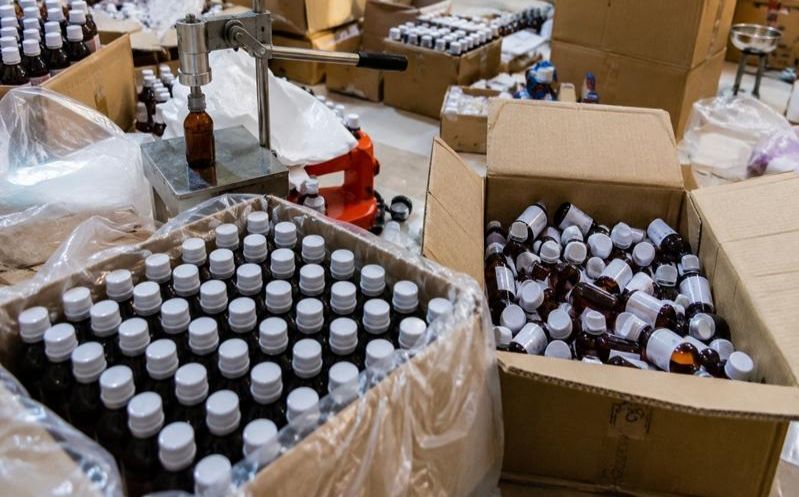
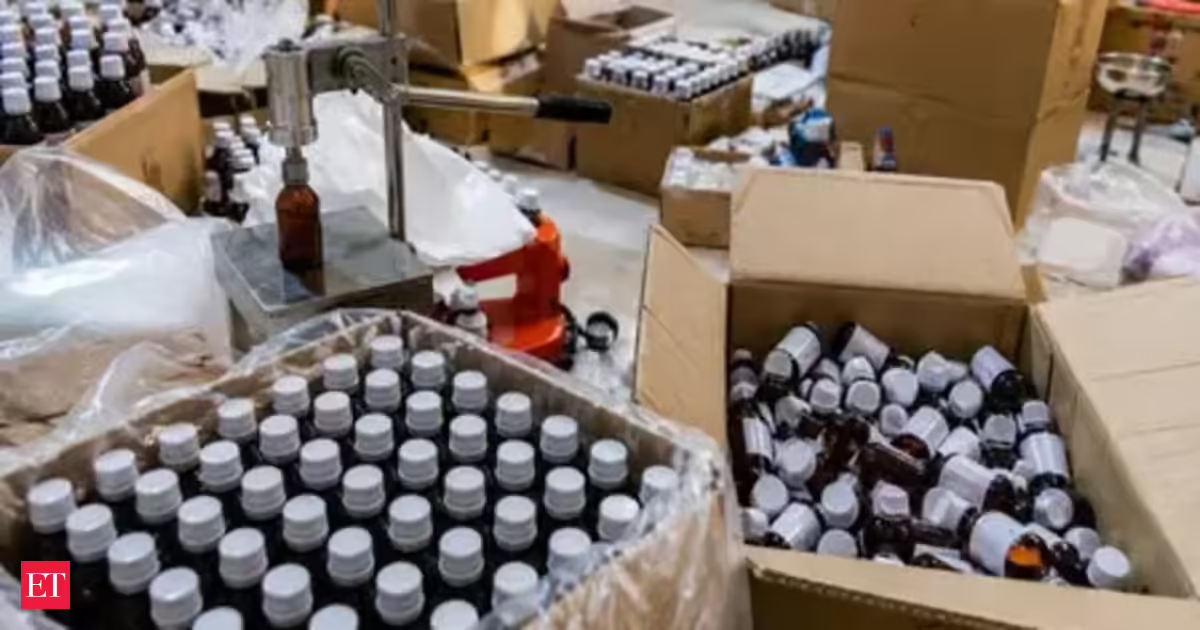
The Centre has tightened its norms on cough syrups, banning over-the-counter (OTC) sale of the product, without a doctor’s prescription, the Union Health Ministry said in its latest notification involving a product segment that has been in the eye of many storms, in India and overseas.As a result of the Ministry’s latest notification, the sale of cough syrup in smaller villages (less than 1,000 people) has also been disallowed, and dispensing will now take place only through “duly licensed pharmacies” in line with provisions of the Drugs and Cosmetics Act, 1940 and the Rules, it added.Locally-made cough syrups have been in the dock in multiple cases – from possible links to the death of children in Gambia (2022), for example, to the case closer home, when deaths of children in Madhya Pradesh (2025) were linked to cough syrups, with subsequent investigation by the health authorities leading to recovery of samples with the contaminant Diethylene Glycol (DEG). The Union Health Ministry’s latest notification to amend the Drugs Rules, 1945, disallowing OTC sale of cough syrups without a doctor’s prescription follows consultation with the Drugs Technical Advisory Board. The Centre has in the past mandated testing of cough syrups, before it left domestic shores as exports (2023). In October 2025, it also called for online tracking of high-risk solvents used in products.The cough and cold syrups market is estimated to be about ₹7,000 crore, growing at about 8 per cent, according to Pharmatrac data. And the segment includes a host of drugmakers including Cipla, Pfizer, Abbott, Mankind and Glenmark, to name a handful.Regulatory radar In its latest directive, the Ministry said, the word “Syrup” would be omitted from “Schedule K, Serial No 13, Entry 7 under the heading “Class of Drugs”.Schedule K of the Drugs Rules, 1945 “provides exemptions from certain provisions of the Drugs and Cosmetics Act, 1940 and the Rules made thereunder for specified classes of drugs. Prior to this amendment, Entry No. 13 of Schedule K permitted the sale of cough syrups in villages with a population of less than 1,000 without requiring compliance with certain retail sale licensing provisions,” it explained, adding that dropping “Syrup” meant the exemption would no longer be available for cough syrups.The amendment strengthens “regulatory oversight of syrup formulations and to align the exemption framework with contemporary public health and safety requirements,” the Ministry said, adding that it sought to promote “responsible distribution and sale of cough syrups”, ensuring greater compliance to the regulations.Misuse of Schedule KReacting to the development, the All India Organisation of Chemists and Druggists (Aiocd) said, they had been raising concerns with the Government on the “misuse of Schedule K provisions by certain entities, including online pharmacies and others, for the sale and supply of medicines without adhering to the safeguards envisaged under the Drugs and Cosmetics Act and Rules.”The organisation had “repeatedly demanded a comprehensive review of Schedule K to prevent misuse and to strengthen patient safety,” it added.The domestic pharmaceutical retail sector has witnessed exceptional growth over the years, the Aiocd said. “In view of the substantial increase in the number of licensed chemist shops across the country, there is an urgent need to rationalise and significantly restrict the stocking and dispensing of medicines under the provisions of Schedule K by doctors and clinics. Therefore, a comprehensive review and immediate amendment of Schedule K is required to prevent misuse, ensure a level playing field, and safeguard public health,” it added.More Like ThisPublished on June 16, 2026