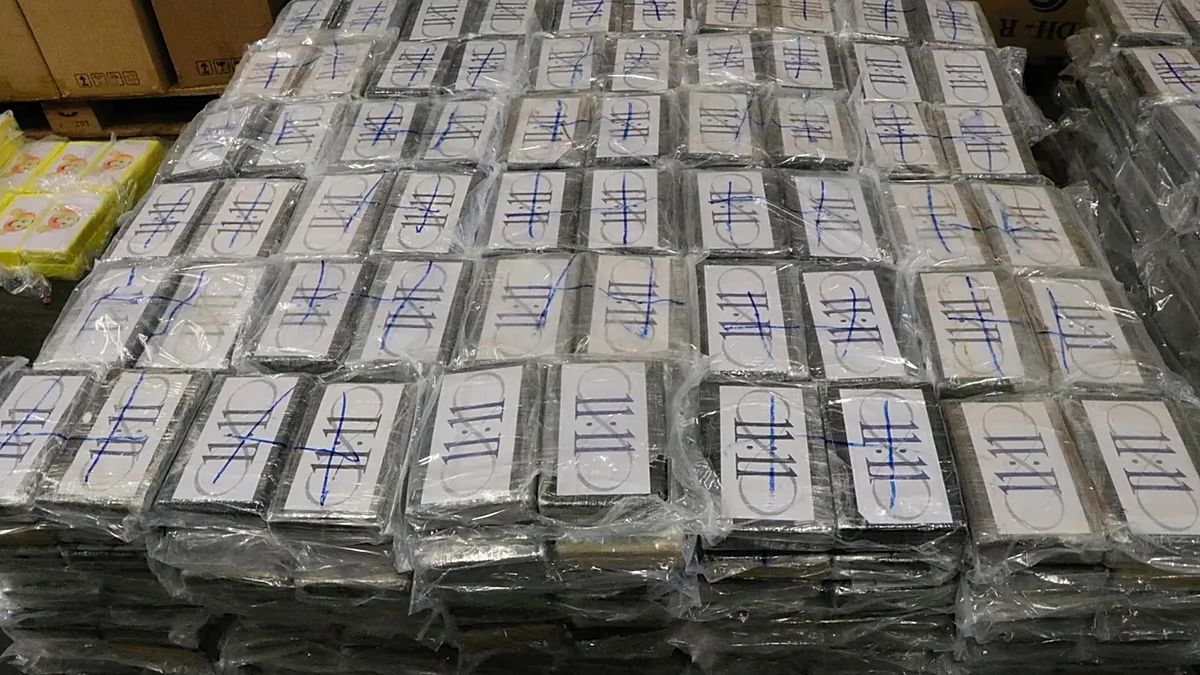
The plan, unanimously adopted, aims to systematically dismantle drug-related organised crime. To do this, it asks major EU ports to form alliances and coordinate more closely in tackling organised crime. It will also target trafficking finances and introduce blanket bans on certain chemicals used to produce synthetic drugs.
At the health level, it proposes city-level monitoring, take-home overdose reversal medicines, and increased funding for treatment services aimed at marginalised groups most at risk of drug-related harm.
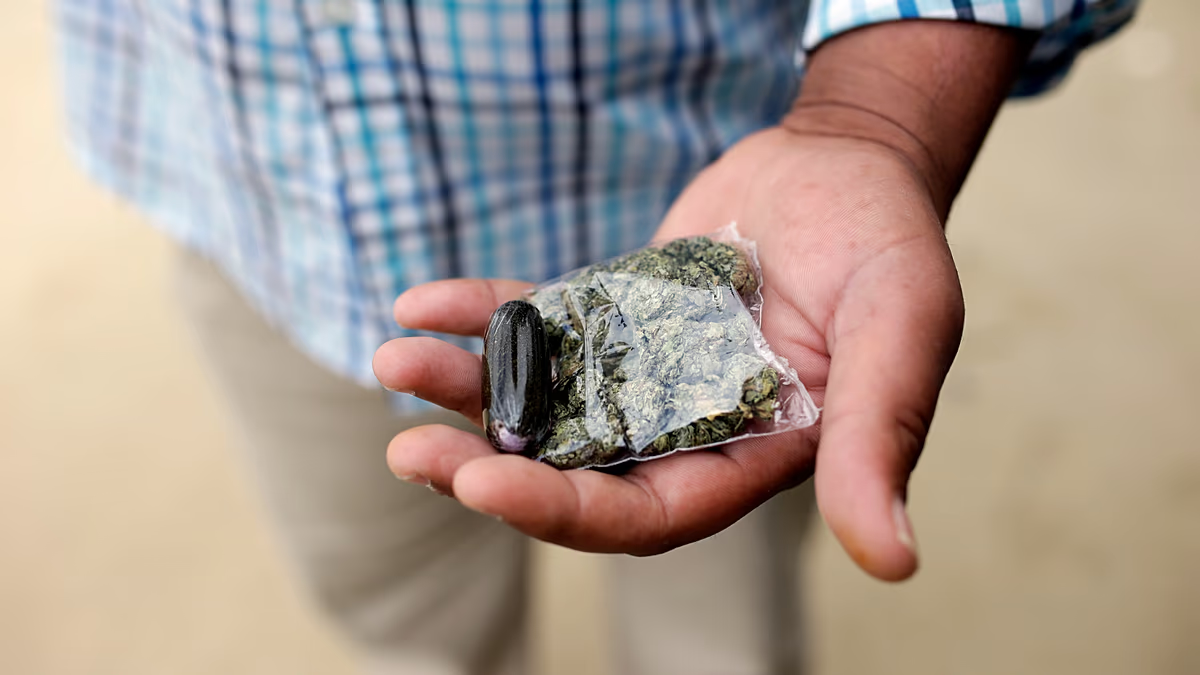
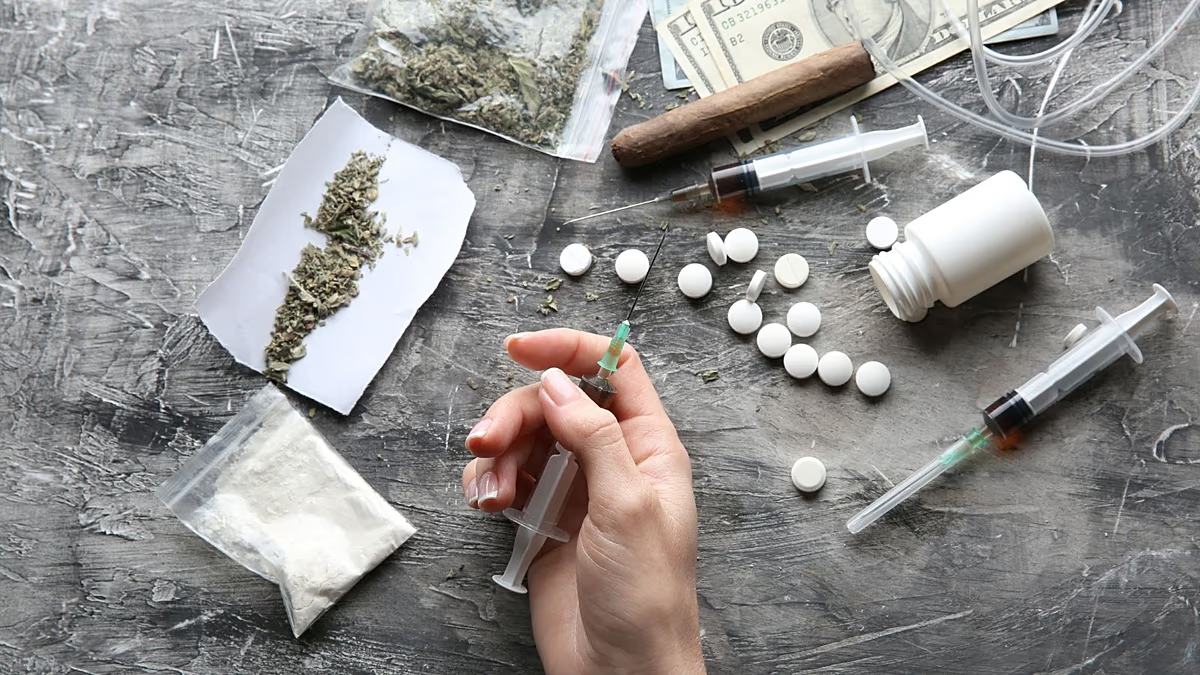
It is a response to a growing crisis in the EU. A recent report by the European Union Drugs Agency (EUDA) revealed that drug use in Europe has reached unprecedented levels, with more than 83 million adults having used illicit substances. The situation is volatile, marked by high availability of potent, diverse and often adulterated substances. The agency recorded more than 7,600 overdose deaths annually.
Certain types on the increase
Europe’s drug crisis is no longer defined solely by consumption, but by a fast-moving market in which stronger substances and flexible trafficking networks test law enforcement and public health systems.