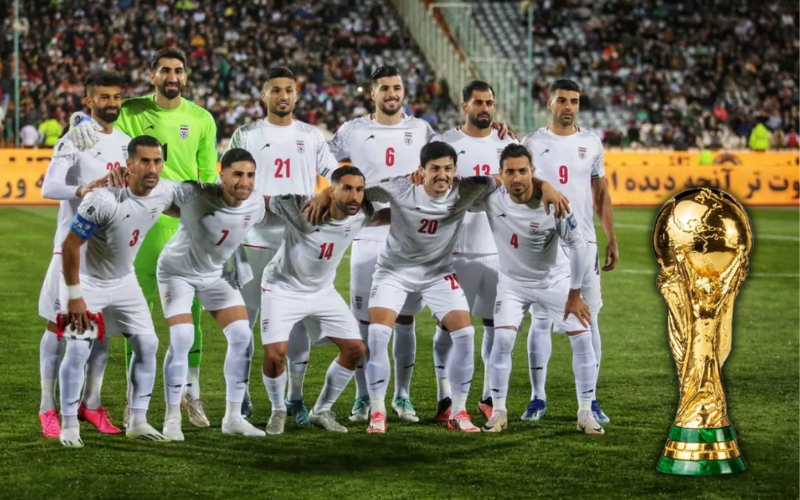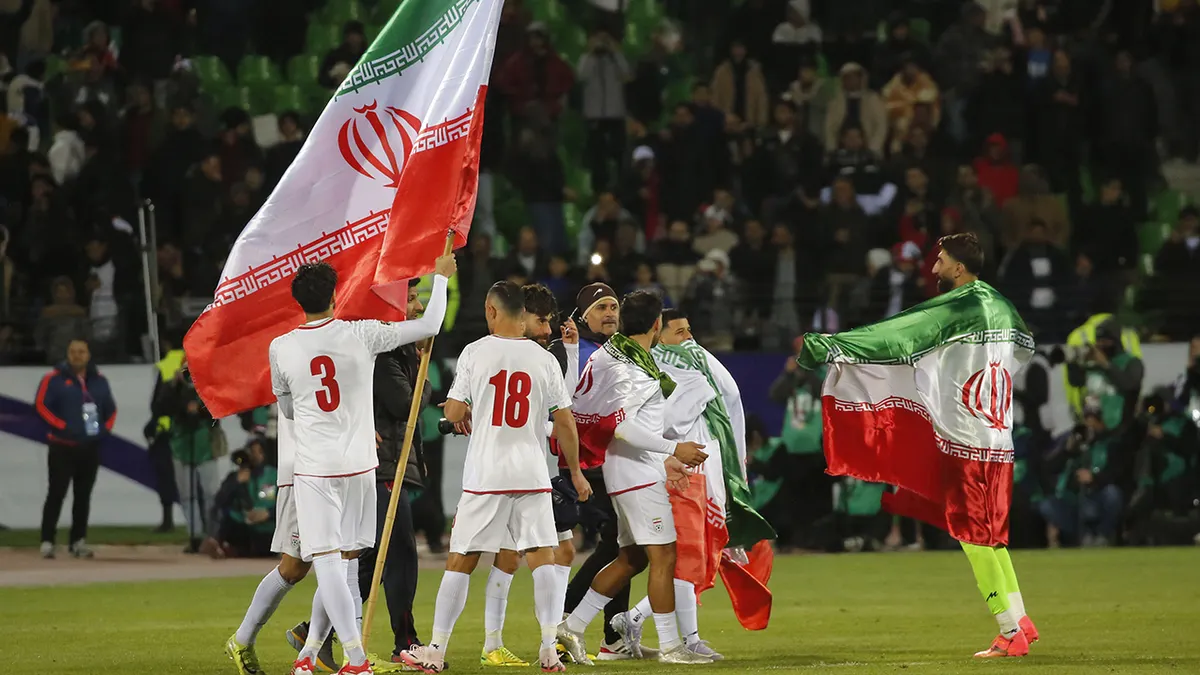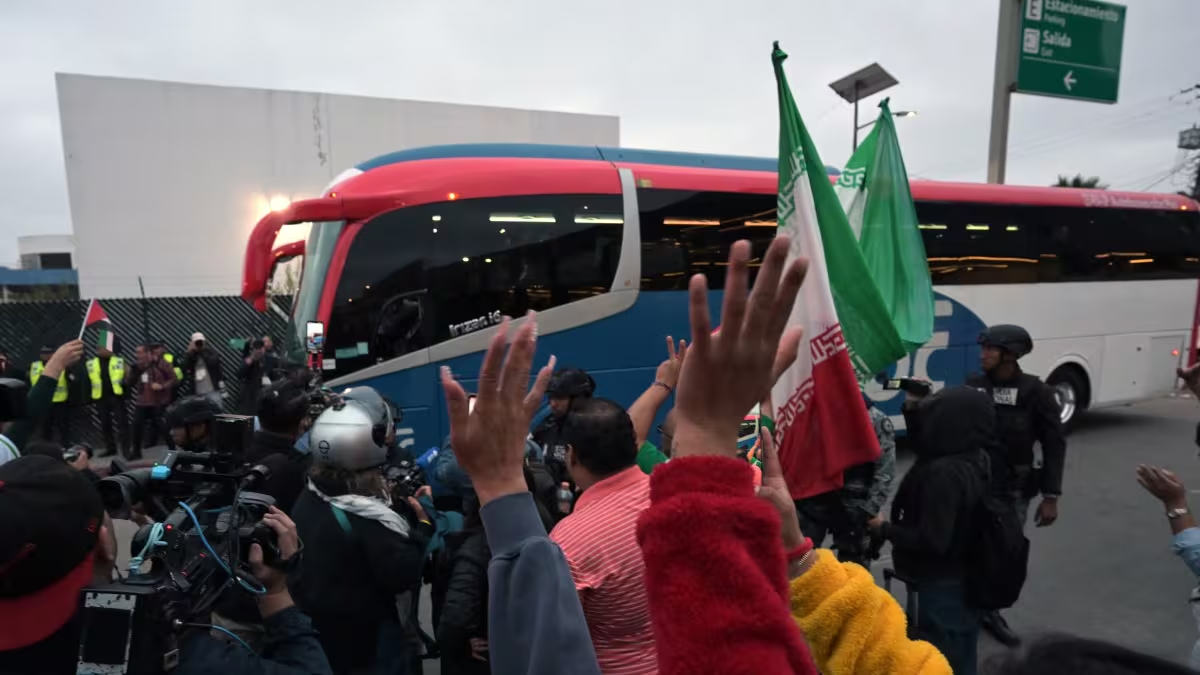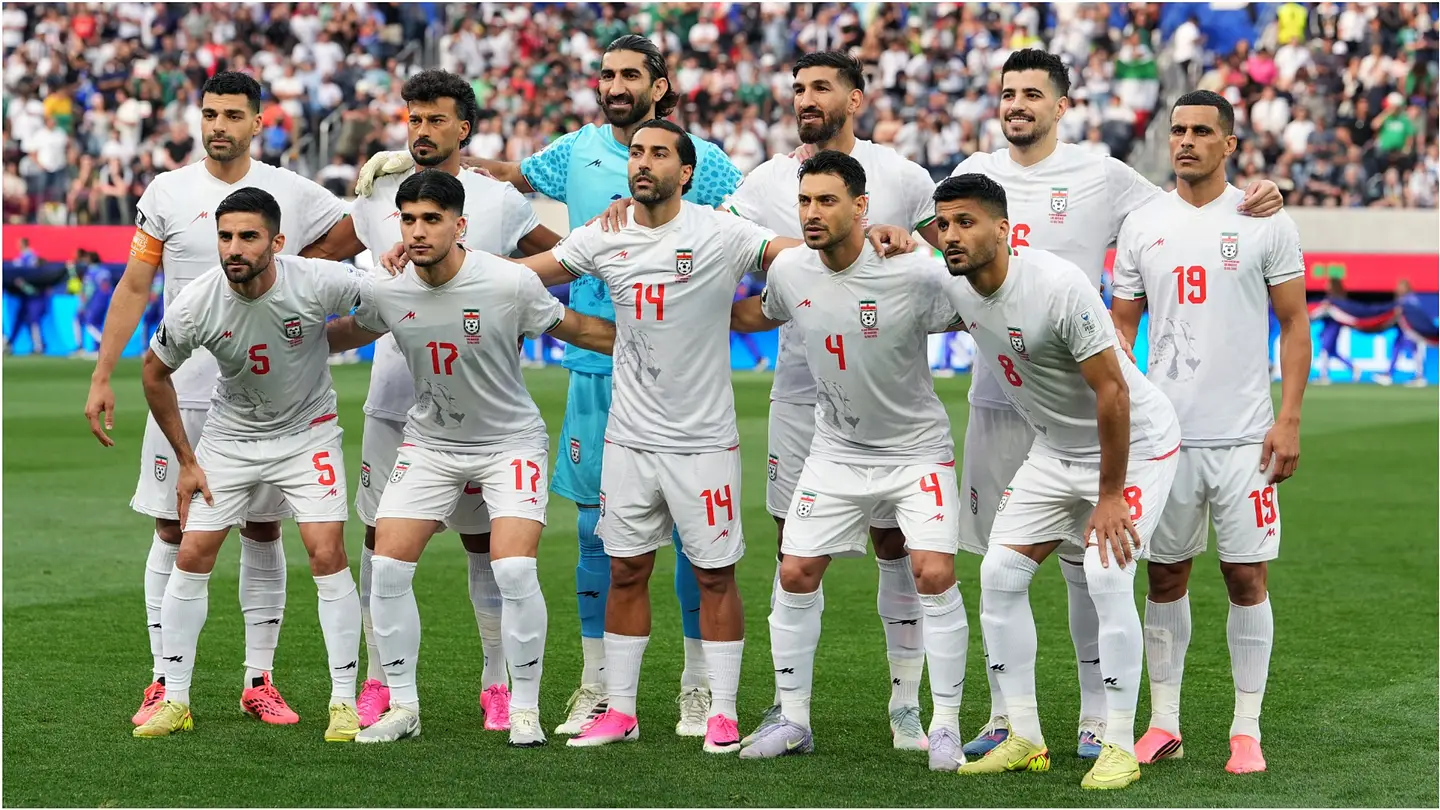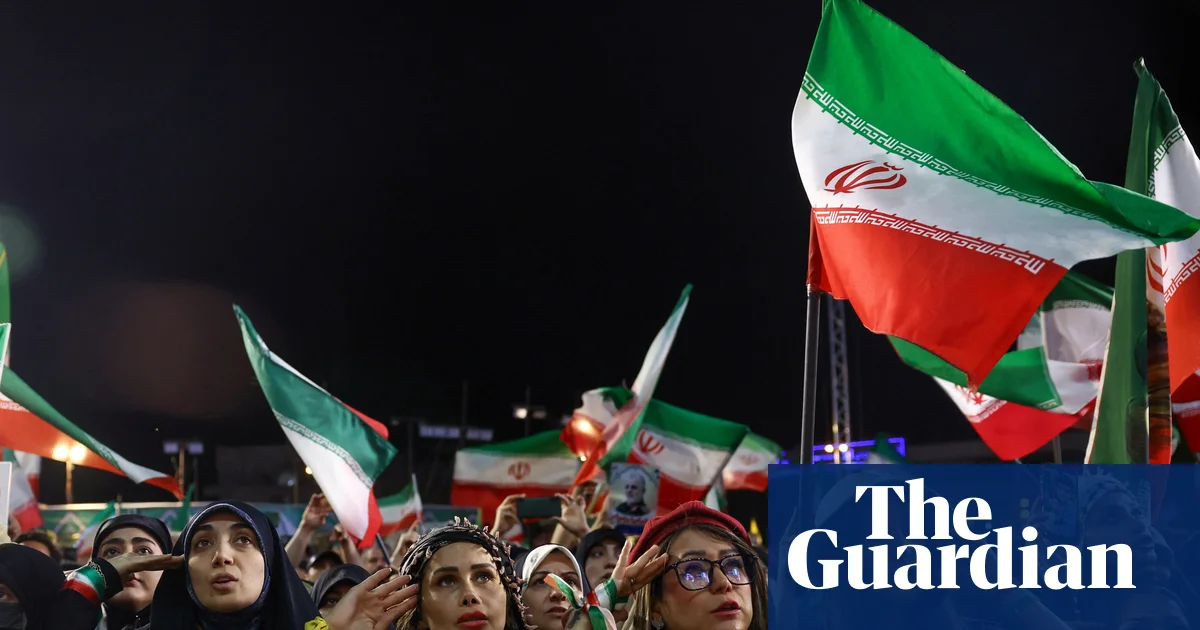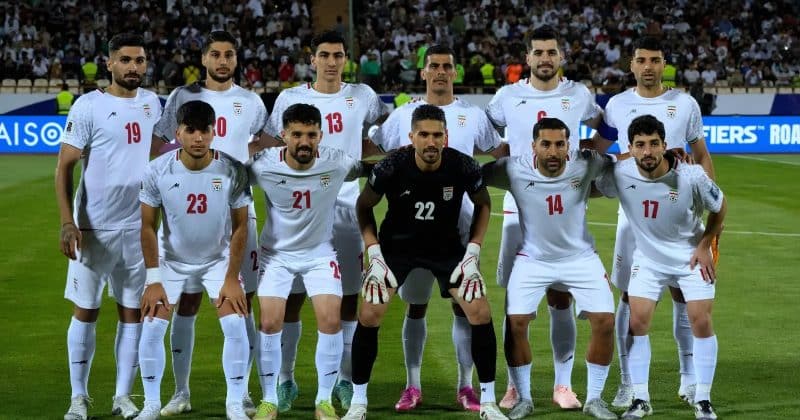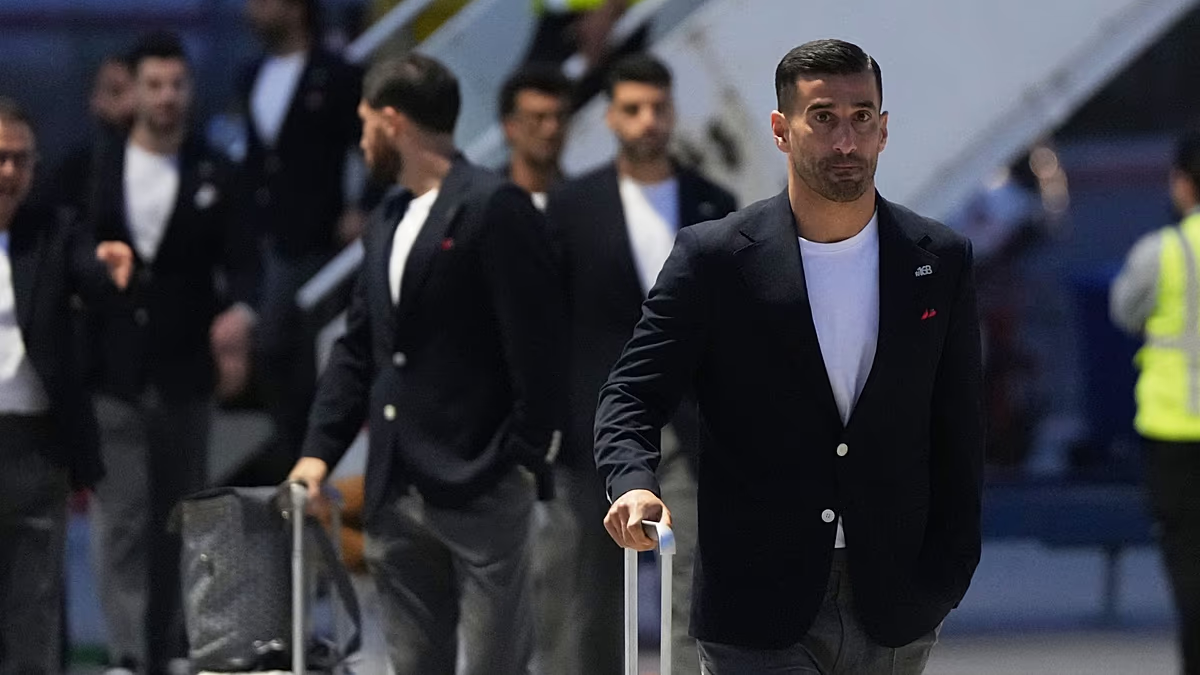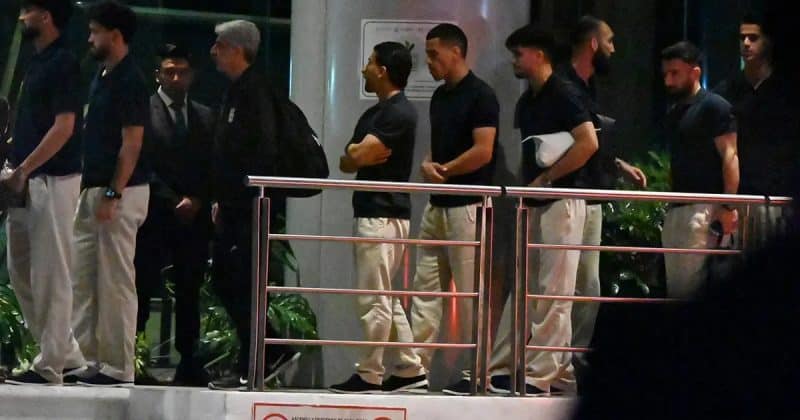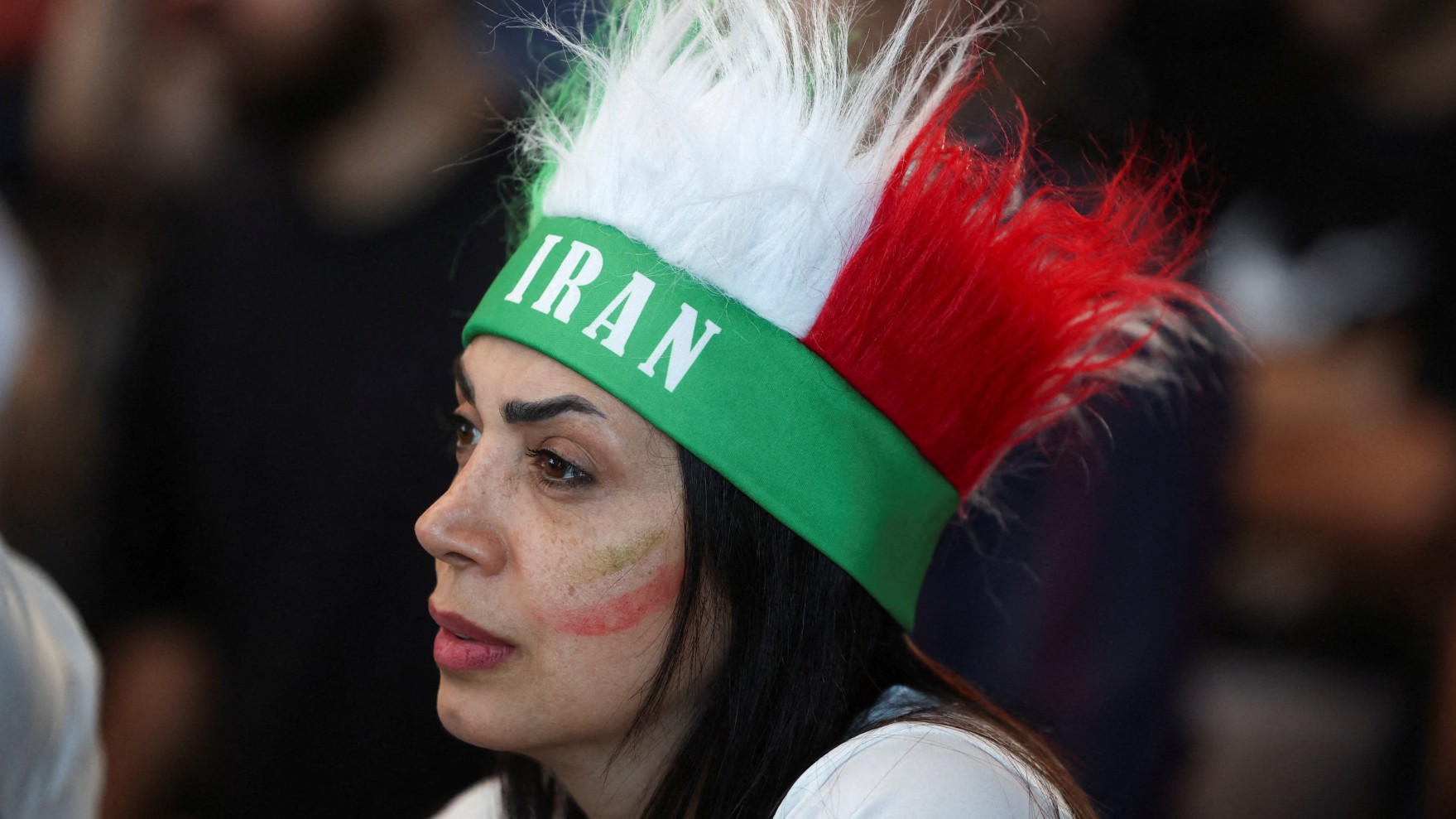
On a Sunday in early June, Iran’s footballers landed in Tijuana, Mexico, a few hundred metres from a border they were not permitted to cross except to play.
The squad had been forced to abandon its planned base in Arizona; the United States, which has placed Iran near the top of a list of nations under a comprehensive entry ban, issued the players’ visas 10 days before their opening fixture and refused several members of the delegation.
Days later, Fifa revoked the ticket allocation for the team’s three US-based games, so Iranian players will run out before stands emptied of its own supporters. This is, by most reckonings, the first World Cup in which a host nation has received the team of a country with which it was at war as the competition kicked off.
Apart from the diplomatic squabbles, intensified by a tournament held in a fractious year, there is something in the treatment of the Iranian team that deserves closer thought.
The team is allowed onto the grass, but hurried back across the border; required to enter and leave US soil on the very day of each match, which renders the team’s participation at once heroic and a mirror held up to US imperial hubris.