Shadow AI is the unapproved use of AI tools at work. Here is what it actually is, why it creates security and compliance exposure, and how Bifrost Edge brings it under control at the endpoint.
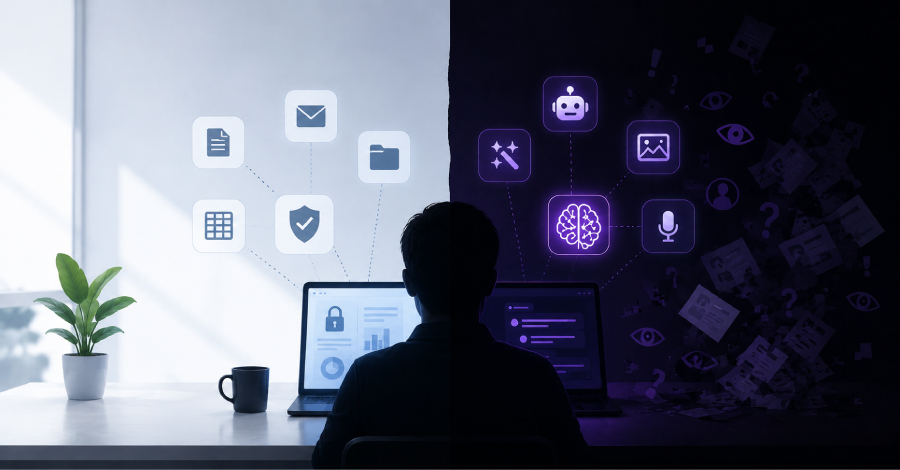
Somewhere in your company right now, someone is pasting a customer list into a personal ChatGPT account to clean up an email. A developer has a coding agent pointed at a repo that still has live credentials in it. Someone in marketing wired up an MCP server they found over the weekend so their assistant can pull from a CRM. None of it shows up anywhere the security team can see.
That is shadow AI: people using AI tools for work faster than anyone can govern them. It is rarely reckless. The tools are genuinely useful, they are one click away, and most people have no real sense of what happens to the text they paste into them.
The scale is what tends to surprise teams. A 2025 UpGuard report found that more than 80% of workers use unapproved AI tools, security professionals included, and that half use them regularly. This is not a fringe behavior at the edges of the org. It is most people, most days.
What counts as shadow AI