What you need to know:
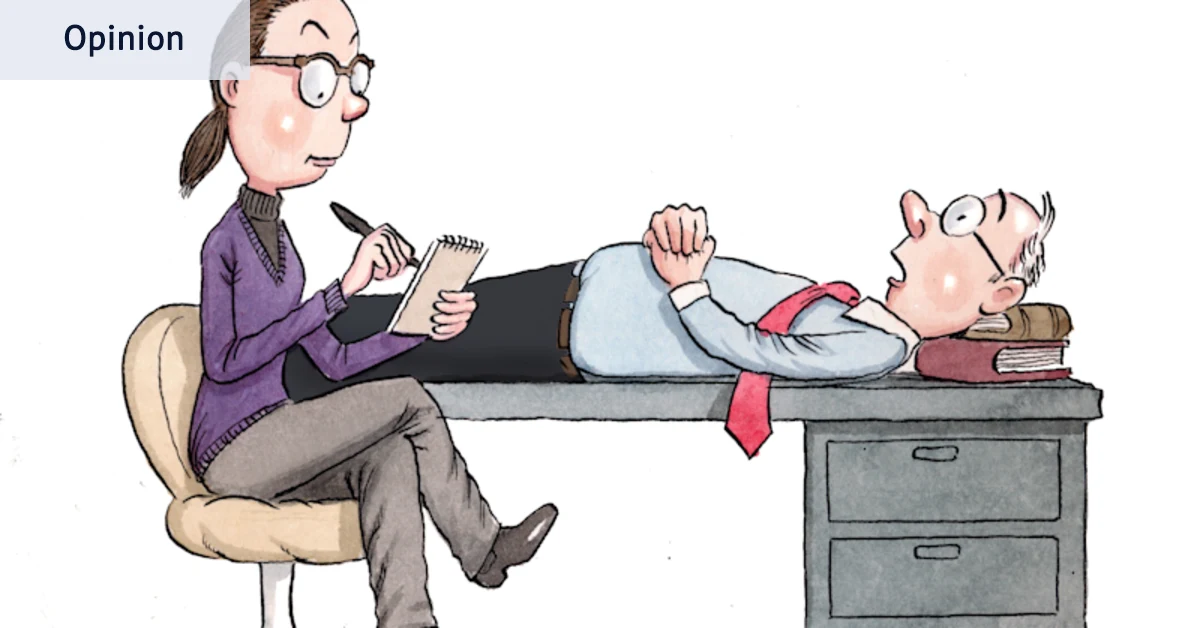
Human Resources is often described as a neutral bridge between employees and management. This belief is well-intentioned, but largely inaccurate. HR is not neutral by design; it is structurally aligned to protect the organisation.
This is an article I wish I had read early on in my career, the advice I wish someone had given me sooner, because it would have saved me from a lot of unnecessary confusion and self-doubt. I mistook organisational processes for moral ones, and fairness for structure. When outcomes did not match my expectations, I personalised what was, in fact, systemic.
Human Resources is often described as a neutral bridge between employees and management. This belief is well-intentioned, but largely inaccurate. HR is not neutral by design; it is structurally aligned to protect the organisation.
Early-career professionals are especially vulnerable to this misunderstanding. When conflict arises, particularly in cases involving power imbalance, misconduct, or unfair treatment, many employees approach HR assuming that honesty, evidence, and procedural fairness will naturally lead to just outcomes. When those outcomes do not materialise, the disappointment can feel personal and destabilising.