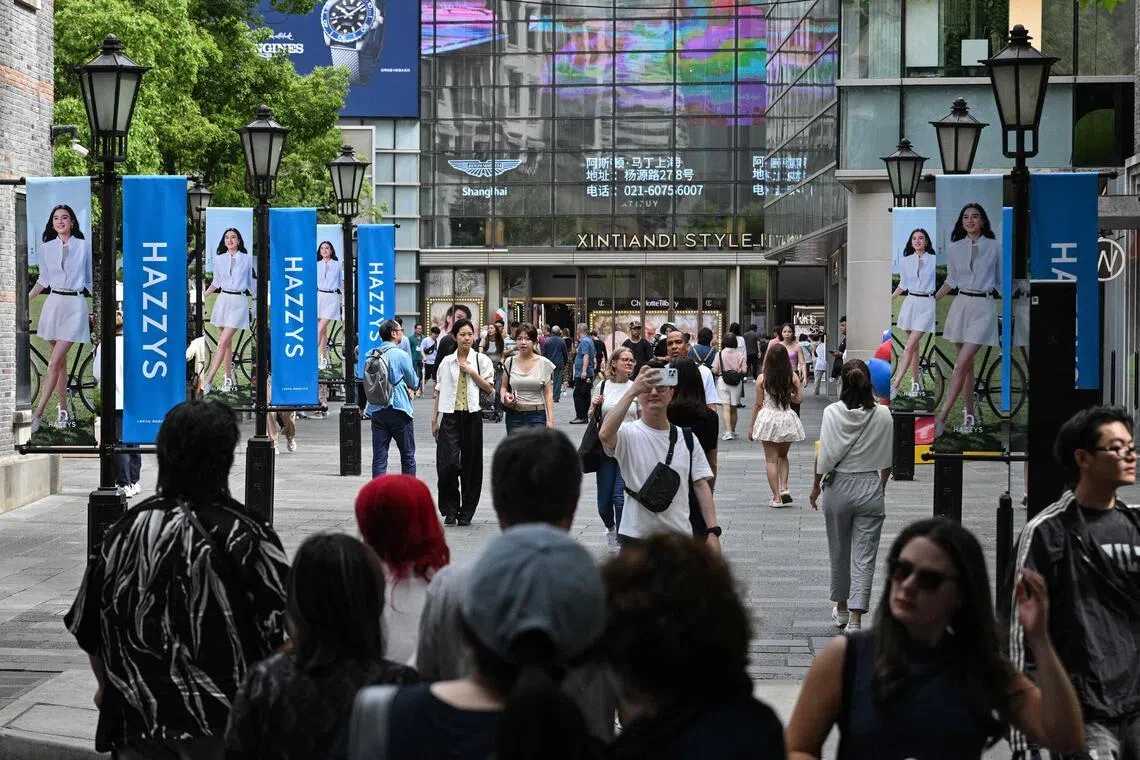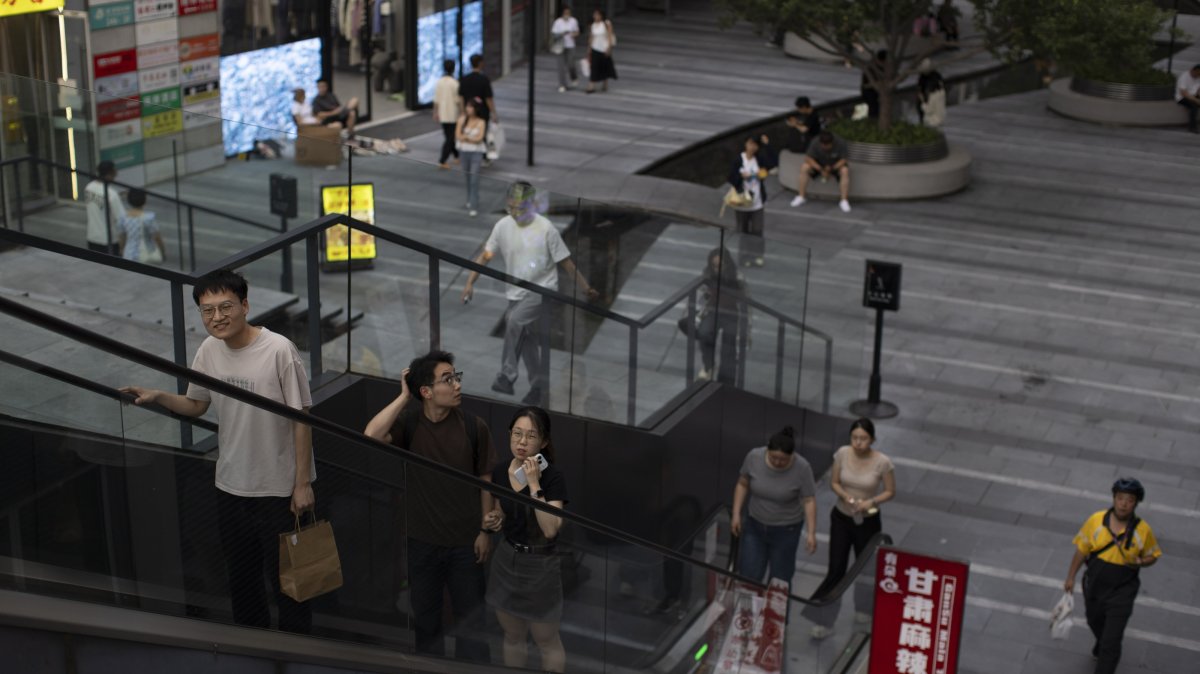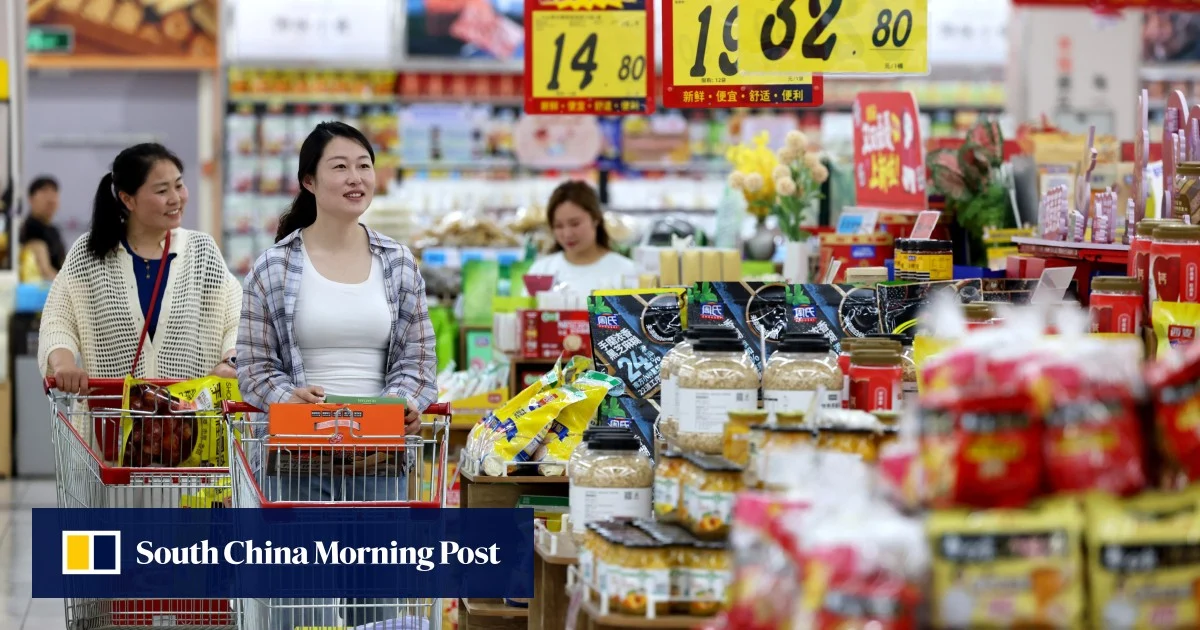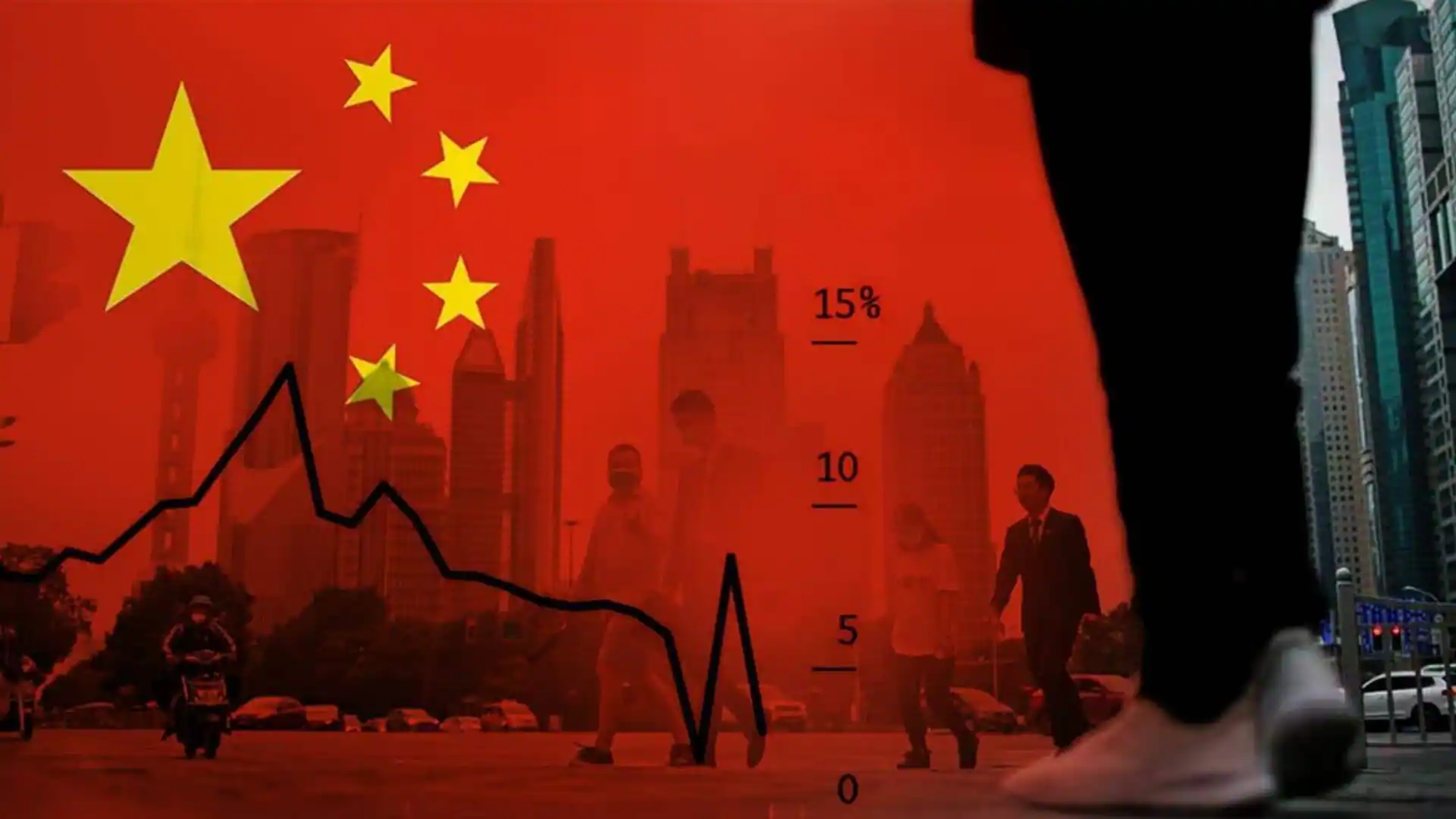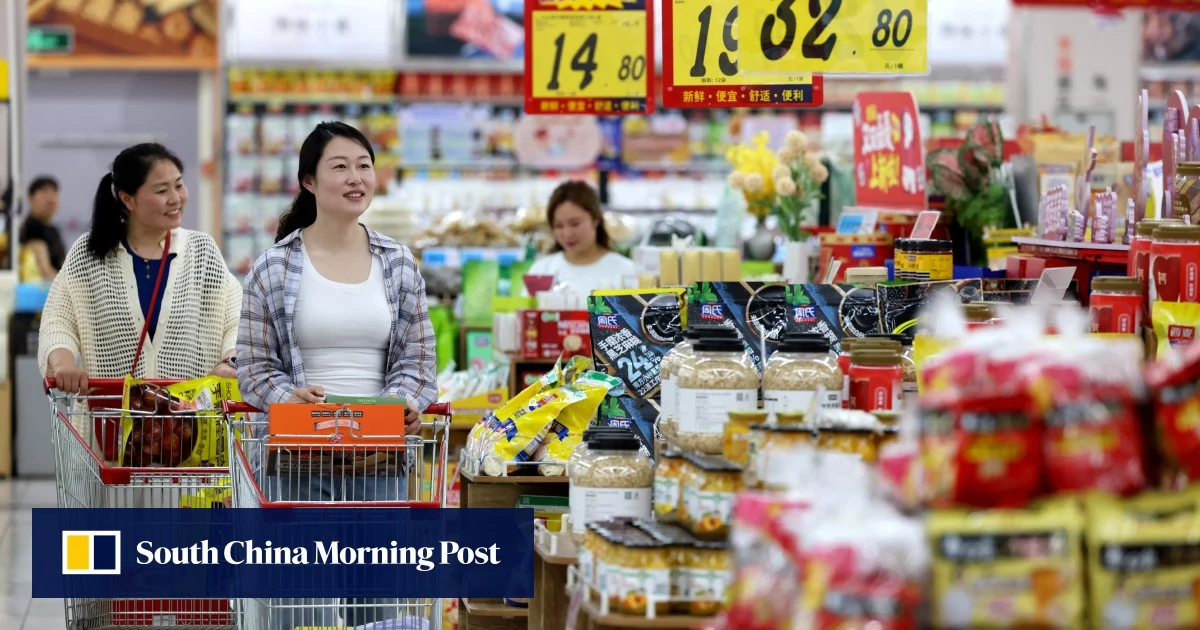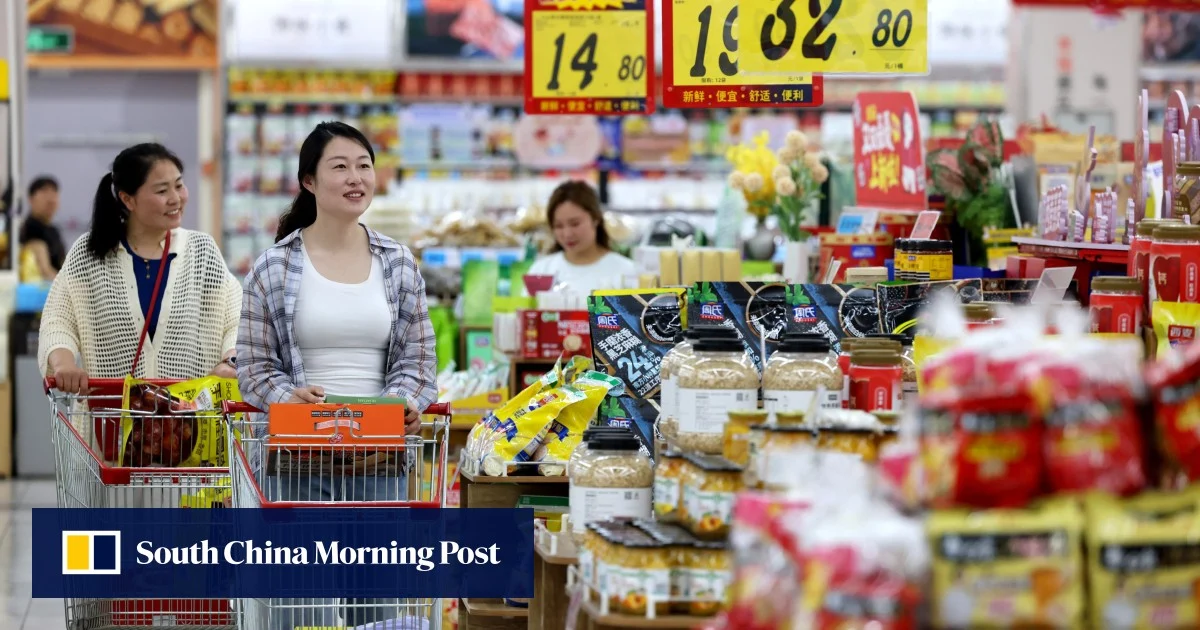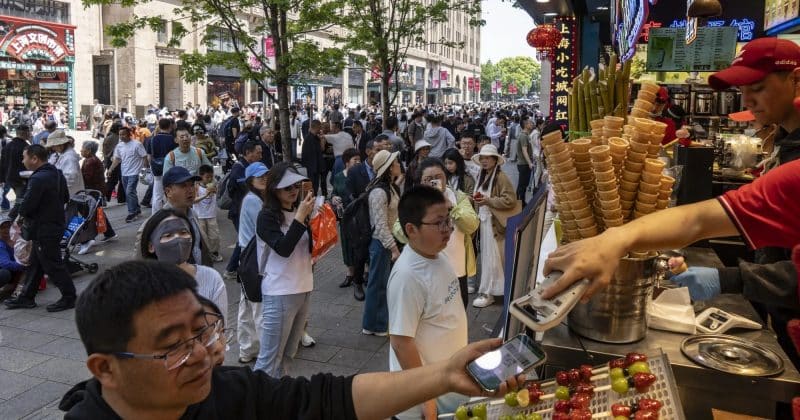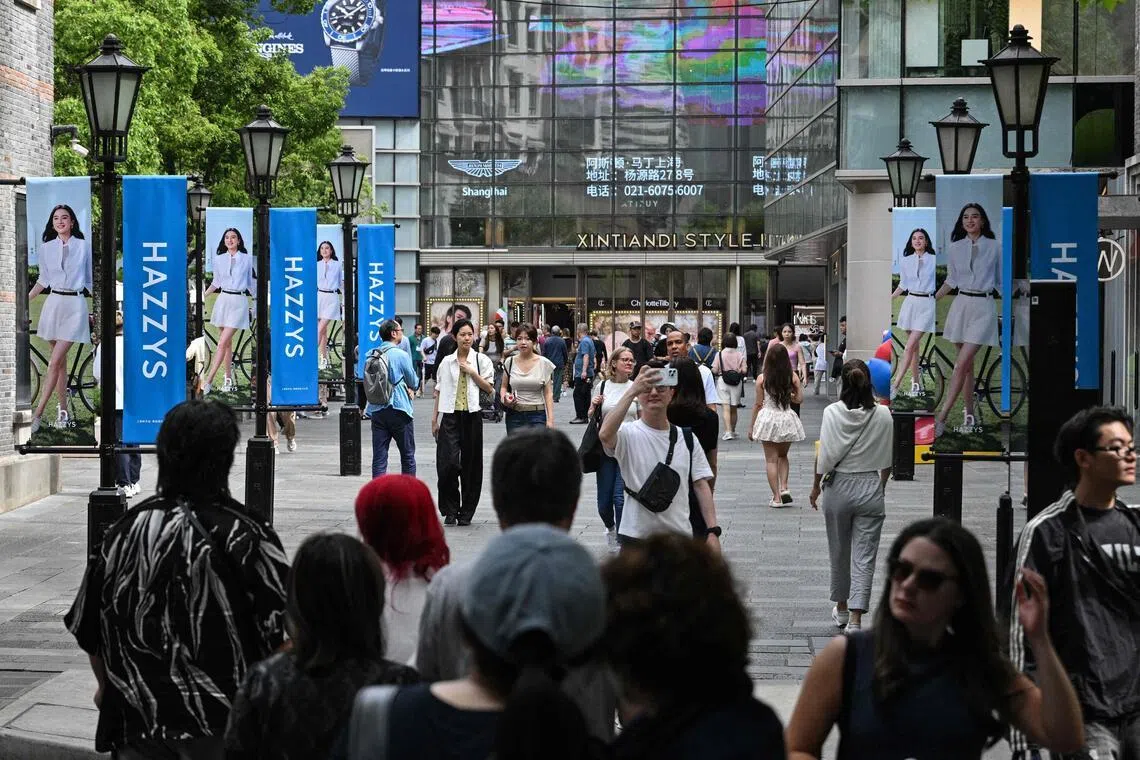
BEIJING - China’s economy showed increasing unevenness in May, with retail sales falling for the first time in over three years and investment slumping, while industrial output picked up pace.The official data on June 16 highlighted a two-speed growth pattern in the world’s second-largest economy, with factories buoyed by surprisingly resilient exports but domestic demand weakening amid a multi-year property market downturn.Retail sales, a key gauge of consumption, slid 0.6 per cent in May, data from the National Bureau of Statistics (NBS) showed, reversing April’s 0.2 per cent rise and below the estimated zero growth a Reuters poll. It was the first monthly fall since December 2022.The fragility was evident in the auto sector. A downturn in domestic car sales extended into an eighth consecutive month in May, underscoring softening demand in the world’s largest auto market, where pressure is likely to persist through the rest of 2026.Travellers’ spending during the five-day Labour Day holiday in May was lukewarm, and the impact of the government’s consumer-goods trade-in scheme is fading. A high base from May2025 also contributed to the decline.At a bar in Shanghai’s financial district, manager Jie’ao Feng said his business has taken a hit from shrinking corporate entertainment budgets. He has been offering group deals to draw larger crowds, but this has squeezed margins.Screening World Cup matches hasn’t helped much, he said, because of the late-night and early-morning scheduling of the matches, and he has had fewer customers in June than in May - when his sales saw a boost from the long holiday.Zhang Zhiwei, chief economist at Pinpoint Asset Management, said the weak retail sales data puts pressure on the government to consider policy measures to stabilise consumption. “I still expect policy ‘fine tuning’ will come in July after second quarter GDP data is released.”By contrast, industrial output rose 4.5 per cent in May from a year earlier, picking up from 4.1 per cent growth in April and beating expectations of a 4.3 per cent increase.A surge in global AI investment and related tech demand has helped the world’s biggest manufacturer offset the export hit many had expected from the Iran war. China’s high-tech manufacturing output rose 15.1 per cent in May.Investment slump deepens, property drag persistsInvestment data was also much weaker than expected. Fixed-asset investment fell 4.1 per cent in the first five months of 2026, following a 1.6 per cent decline in January-April.NBS spokesperson Fu Linghui said the decline was due in part to high temperatures and heavy rain in some regions as well as the transition from old to new growth drivers.China still has ample room for investment in future, with new urbanisation, rural revitalisation, the development of “new quality productive forces” and improvements in public services all requiring support, Fu said.Property investment extended its decline in the first five months, dropping 16.2 per cent compared with the same period last year after falling 13.7 per cent in January-to-April. Property sales and new construction also fell more sharply.On a month-on-month basis, new home prices fell at a slightly faster pace in May, even as larger cities showed tentative signs of stabilisation.Weak household loan data released last week suggested that people remain wary of borrowing to buy homes amid sluggish income growth and job insecurity.The labour market is still under pressure with about 12.7 million graduates leaving schools during the summer, while fears of AI displacement are causing worker anxiety. But the nation-wide survey-based jobless rate eased to 5.1 per cent from April’s 5.2 per cent.Economists say strong exports could continue to provide a prop to China’s economic growth this year, but its widening trade surplus may cause some disputes.“The export boom can help to mitigate the weak domestic demand in the short term. But given the size of China’s economy, strong export growth will likely lead to tension with trading partners,” Zhang from Pinpoint Asset Management said, adding a potential trade conflict with Europe is a risk to watch in the coming months. REUTERS
China’s economic imbalance deepens as retail sales fall for first time in over three years
Weak retail sales data puts pressure on the government to consider policy measures to stabilise consumption. Read more at straitstimes.com. Read more at straitstimes.com.
660 words~3 min read