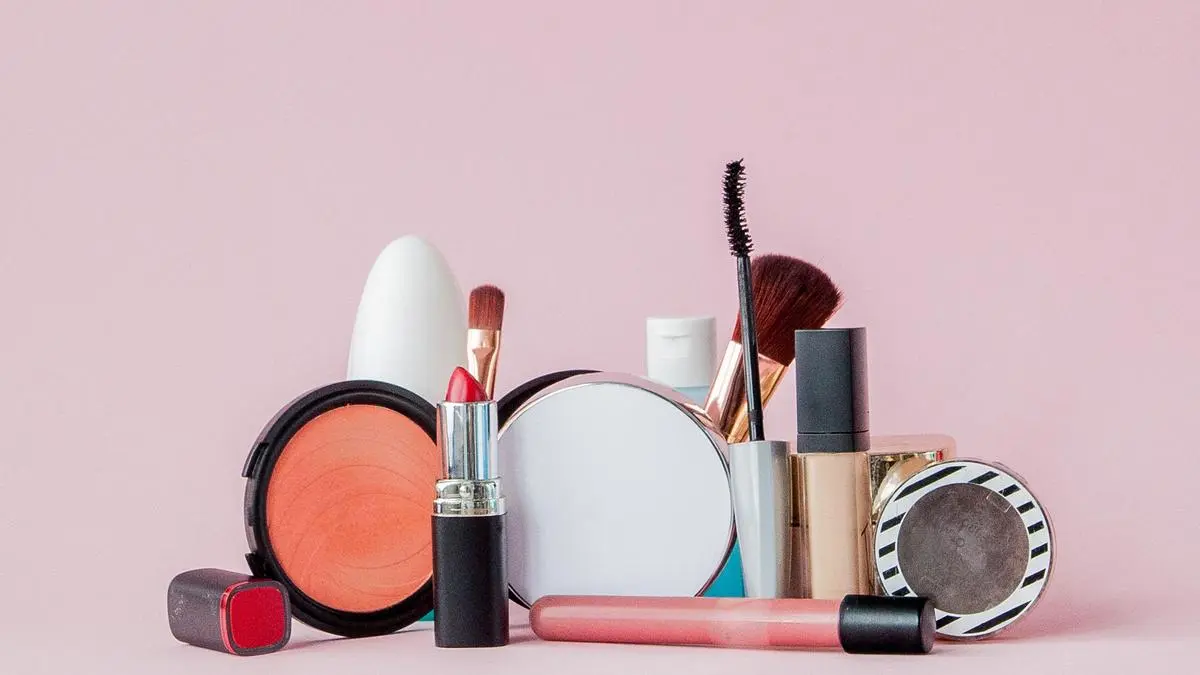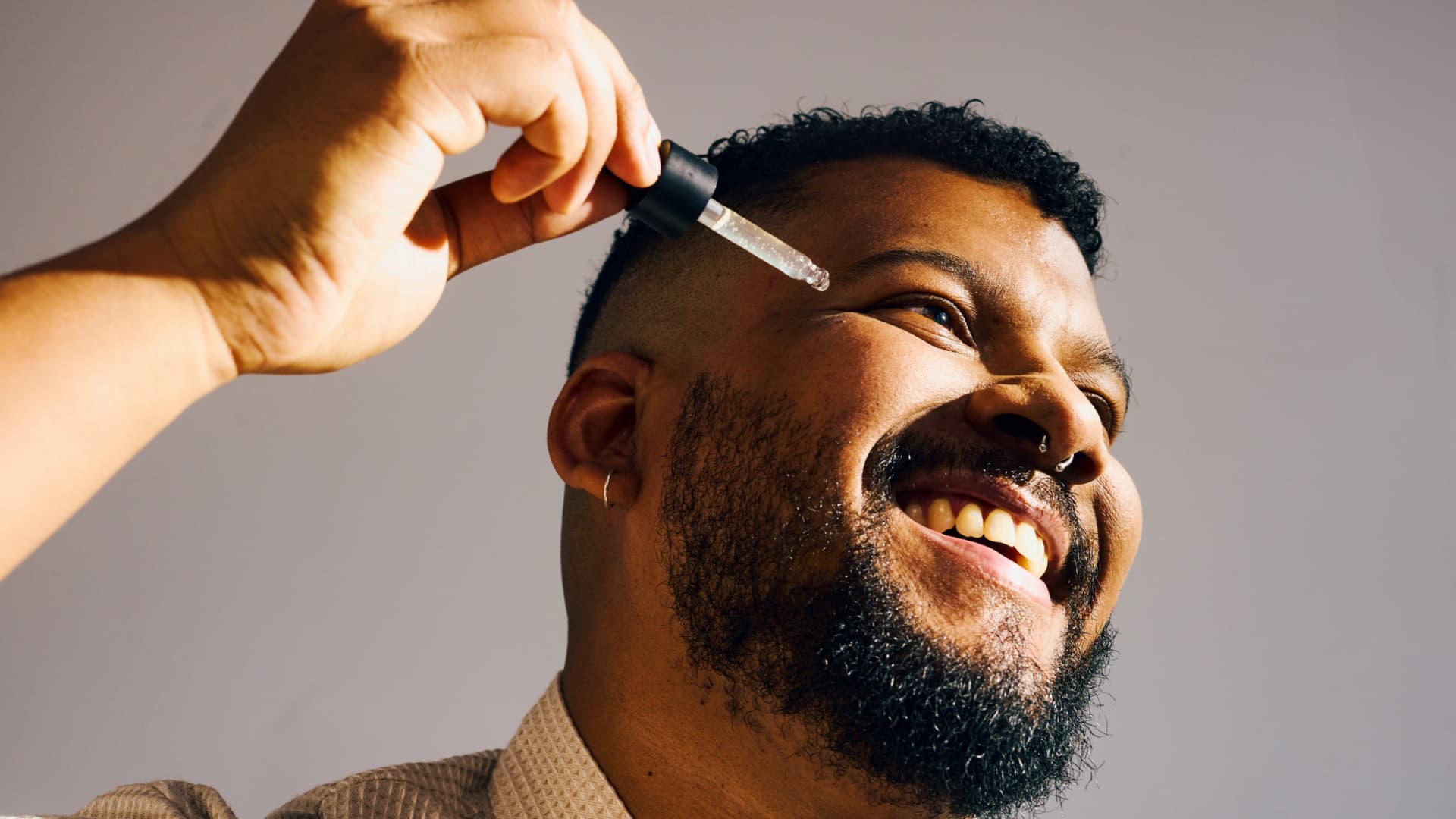
In recent years, men‘s grooming has seen a surge of interest as internet-native young consumers immerse themselves in the category, while their older — increasingly longevity-minded — counterparts are finally coming around to more intricate upkeep routines.
Data from NielsenIQ shows that men’s personal care sales in the U.S. increased 4.2 percent in 2025, outpacing total beauty’s 3.3 percent growth. Specific categories like hair growth products, hair sprays and skin exfoliants/scrubs, are growing at faster, 15-plus-percent clips, while Circana data shows that men’s prestige fragrance sales were up 5 percent during the last 12 months, making up 32 percent of the market.
The post-pandemic fragrance boom is just one of many factors bringing men into the beauty realm. While many in the industry once theorized that a 2010s-era shift toward unisex brands would be the catalyst for a men’s boom, instead a confluence of fragrance wardrobing, short-form video, the rise of the “manosphere,” and self-optimization culture have more quickly and meaningfully played that role.
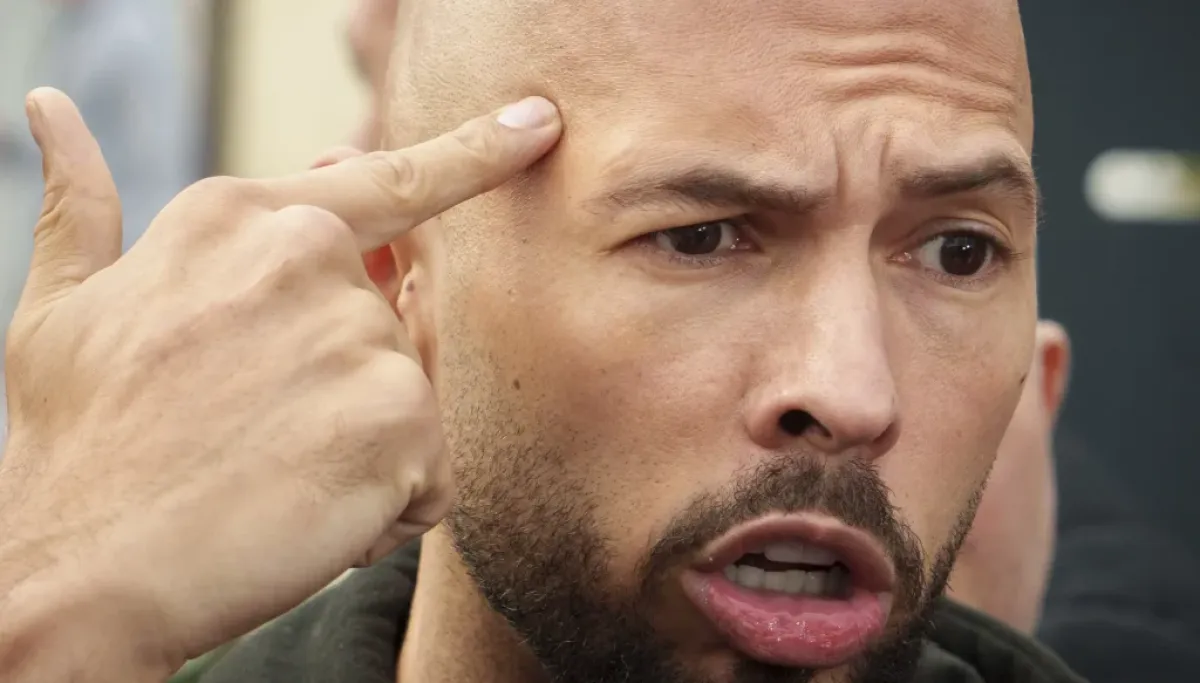
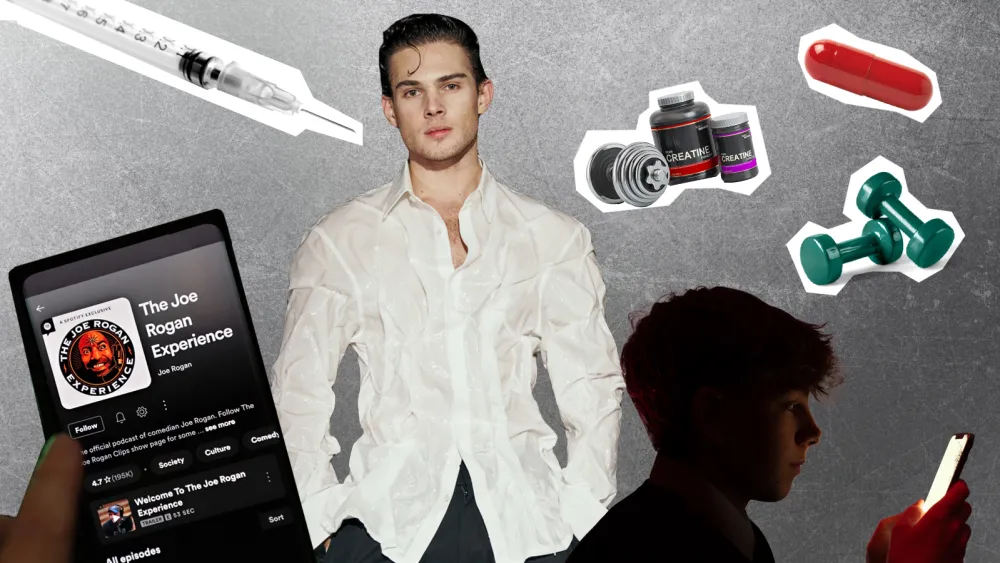
At a time when “looksmaxxing” — or, the pursuit of maximizing one’s looks, sometimes via harmful measures — and manosphere-driven hypermasculinity are taking hold across age groups, it has become a simultaneously lucrative and fraught time to navigate the market as a men’s beauty brand. But key players are developing nuanced ways to reach — and in some cases, redirect — their target audiences.