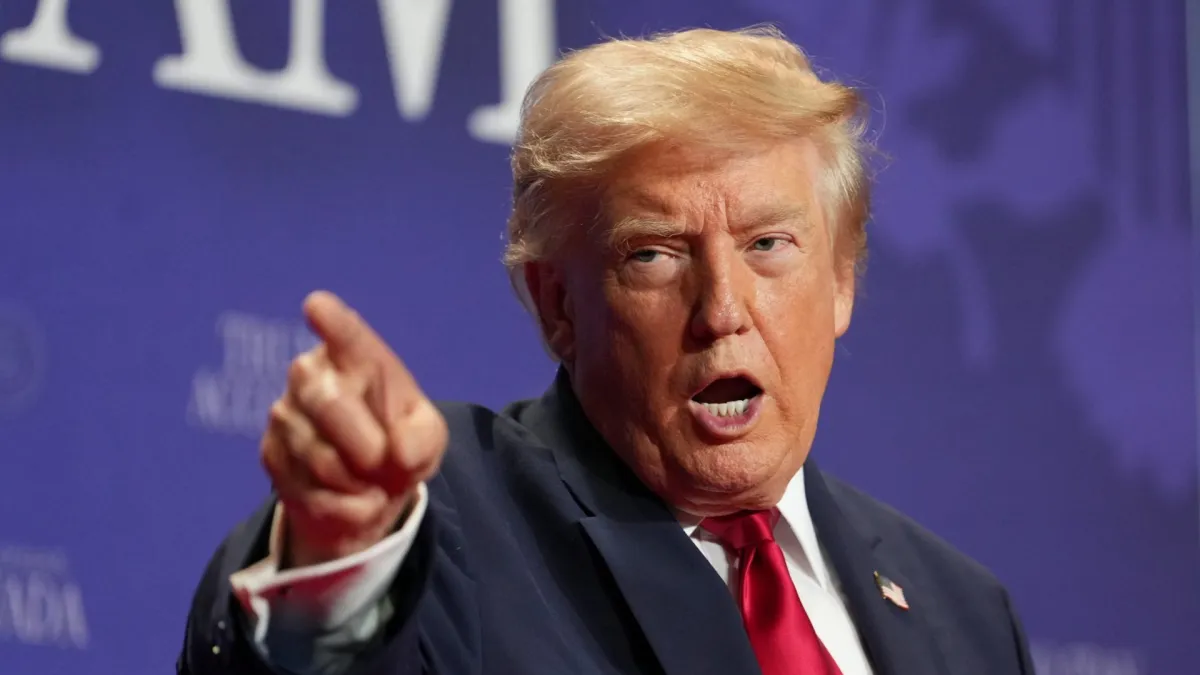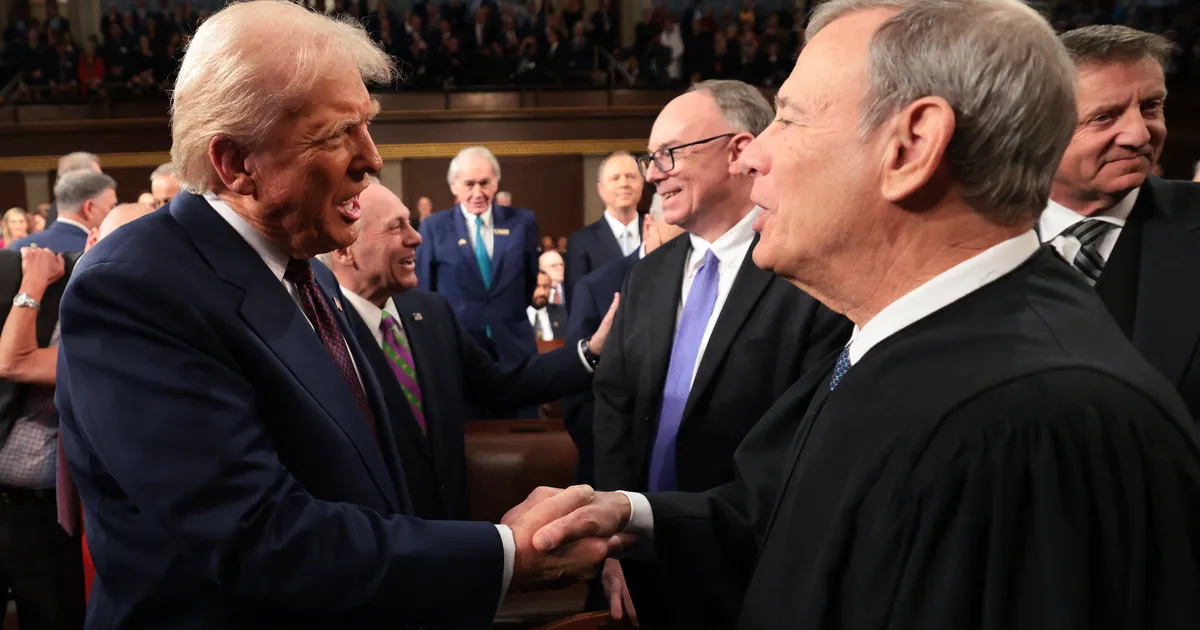
President Donald Trump has sought to weaponize multiple federal agencies, advancing an expansive view of executive authority. He and his advisors have argued that the president should exercise direct oversight over every component of the executive branch. In doing so, Trump has rejected standing norms that granted certain agencies—the Department of Justice, the Internal Revenue Service (IRS), and the Federal Reserve—a certain degree of institutional independence designed to shield their work from political influence.
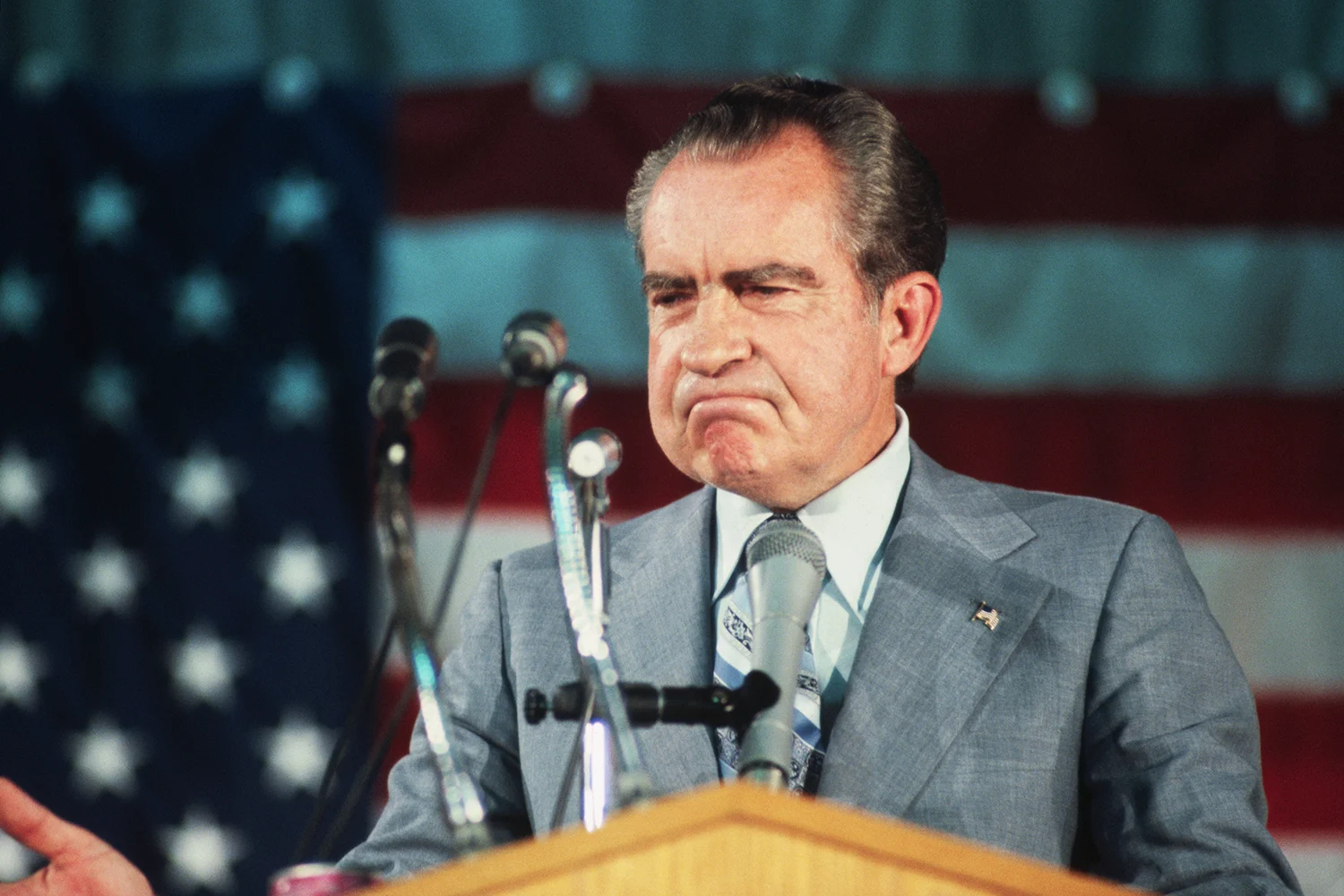
The IRS has become one of Trump’s key targets. Last year, Trump demanded that the agency revoke the tax-exempt status of Harvard University, an institution he has been publicly battling since the start of his second term. In October 2025, the Wall Street Journal reported that the administration was working to install loyalists at the top of the IRS’s criminal investigation division, positioning the unit to pursue his opponents. Most recently, Republicans in Congress declined to challenge acting Attorney General Todd Blanche’s decision to grant Trump and his family immunity from tax audits—an extraordinary expansion of presidential power that would have even made then-President Richard Nixon blush.