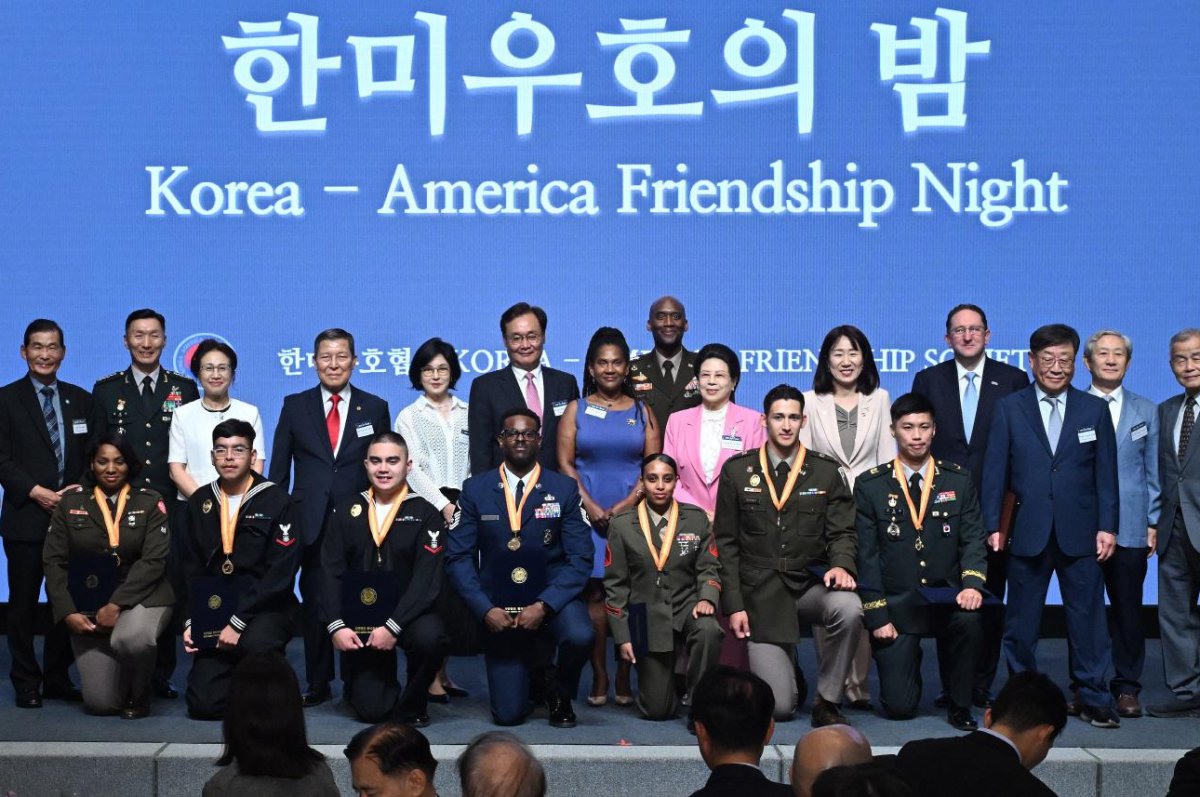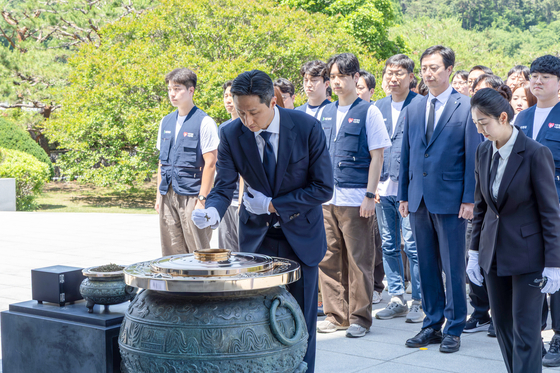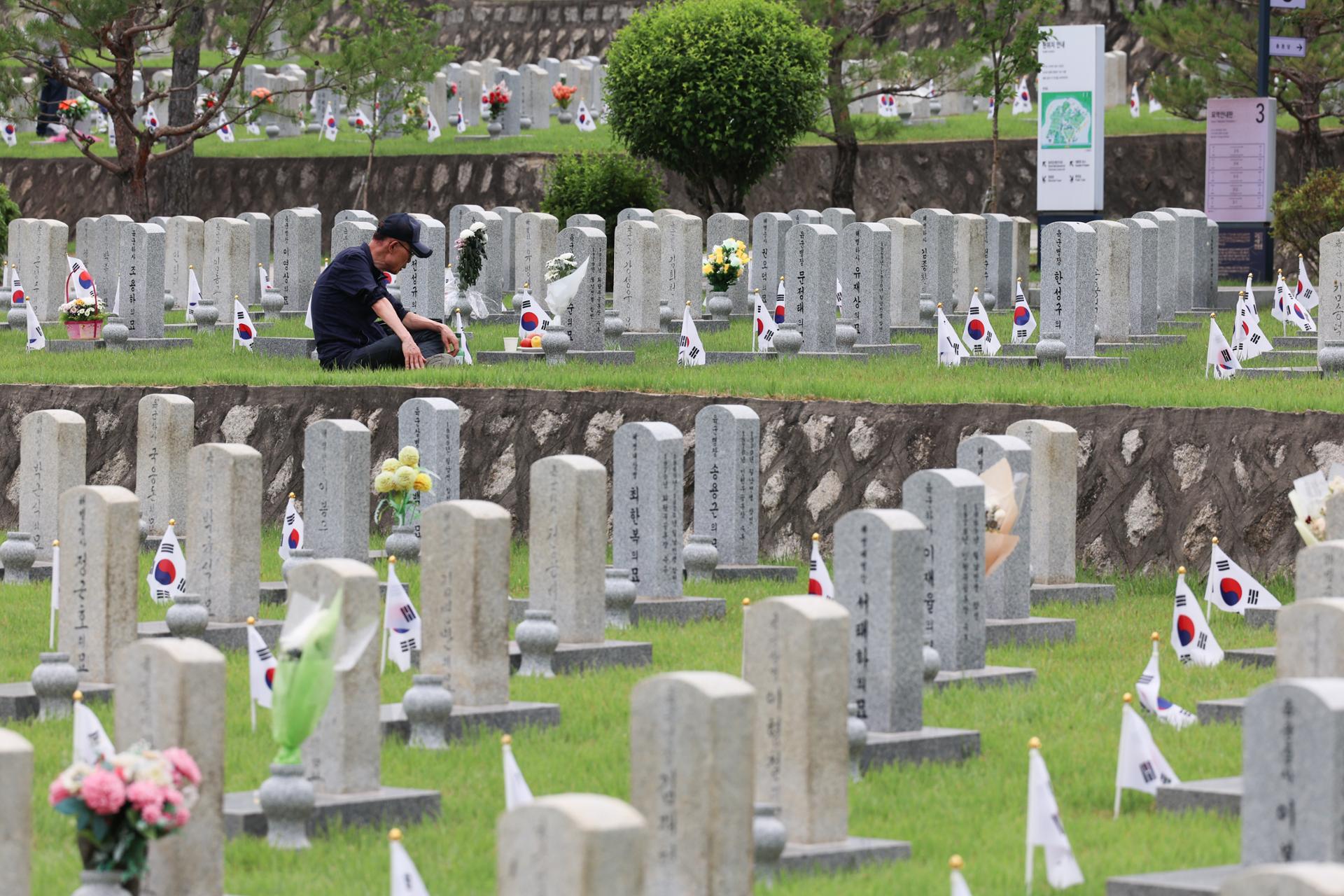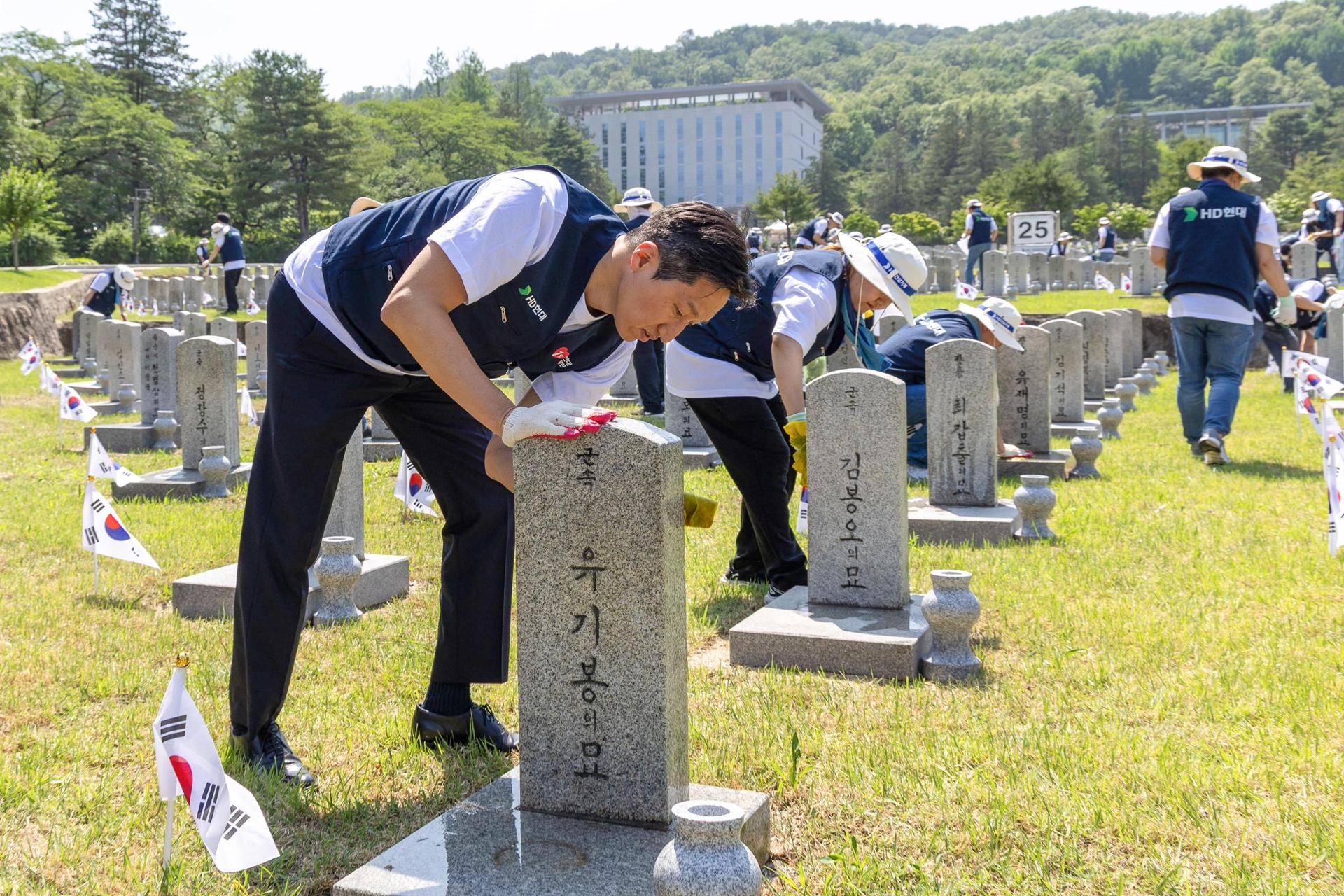
In Korea, June is designated as the "Month of Patriots and Veterans," a time to honor those who sacrificed for the nation’s survival and freedom. For many of us, however, remembrance often feels abstract, confined to ceremonies or history books.
Yet sometimes, related memories come back to us in usual surroundings. In my case, it was during a routine walk through the Children’s Grand Park in my neighborhood. Amid playgrounds and shaded paths, I noticed a statue I had long passed without much thought: the bronze figure of John B. Coulter (1891–1983).
He was a U.S. Army general whose name is unfamiliar to most Koreans today. As the deputy commander of the Eighth U.S. Army during the 1950-53 Korean War, he played a crucial role in combat operations.
Still, unlike generals such as Douglas MacArthur and Walton Walker, whose fame mainly rests on battlefield victories, Coulter distinguished himself by his commitment to Korea’s recovery.
After the war, he was deeply involved in stabilizing civilian life, supporting concrete and practical reconstruction as the agent-general of United Nations Korean Reconstruction Agency. His work extended beyond military maneuvers; it touched the daily lives of ordinary Koreans struggling to survive among ruins.