TypeScript 6.0 Released: The Last JavaScript-Based Version — New Features, Breaking Changes, and Migration Guide
TypeScript 6.0: The End of an Era and What It Means for Your Projects
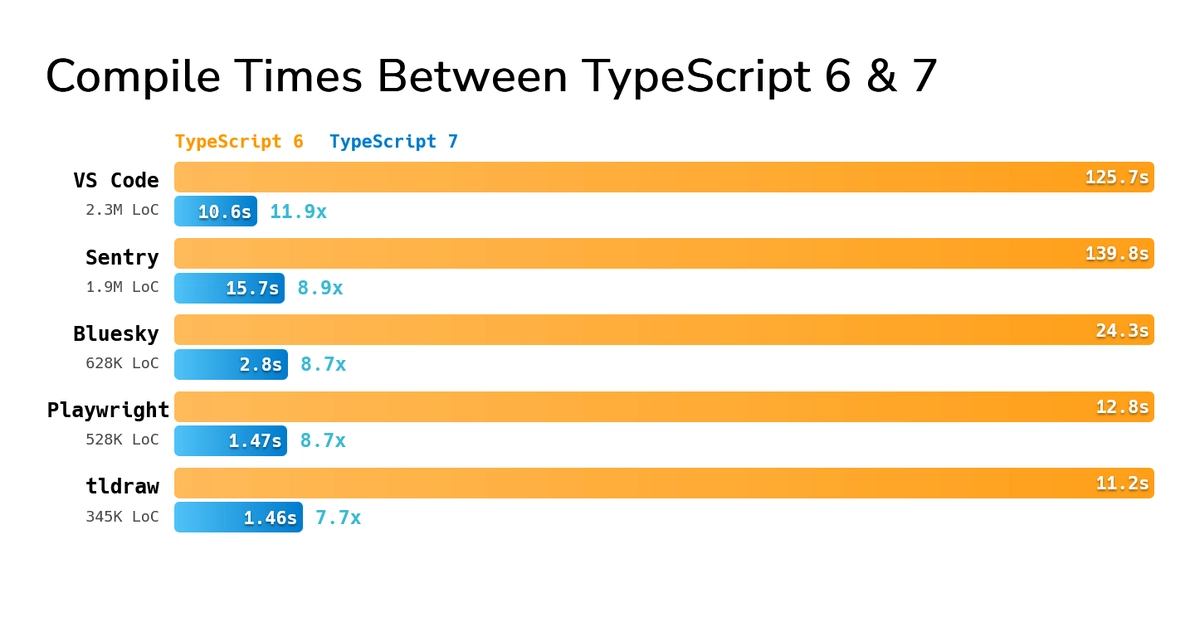
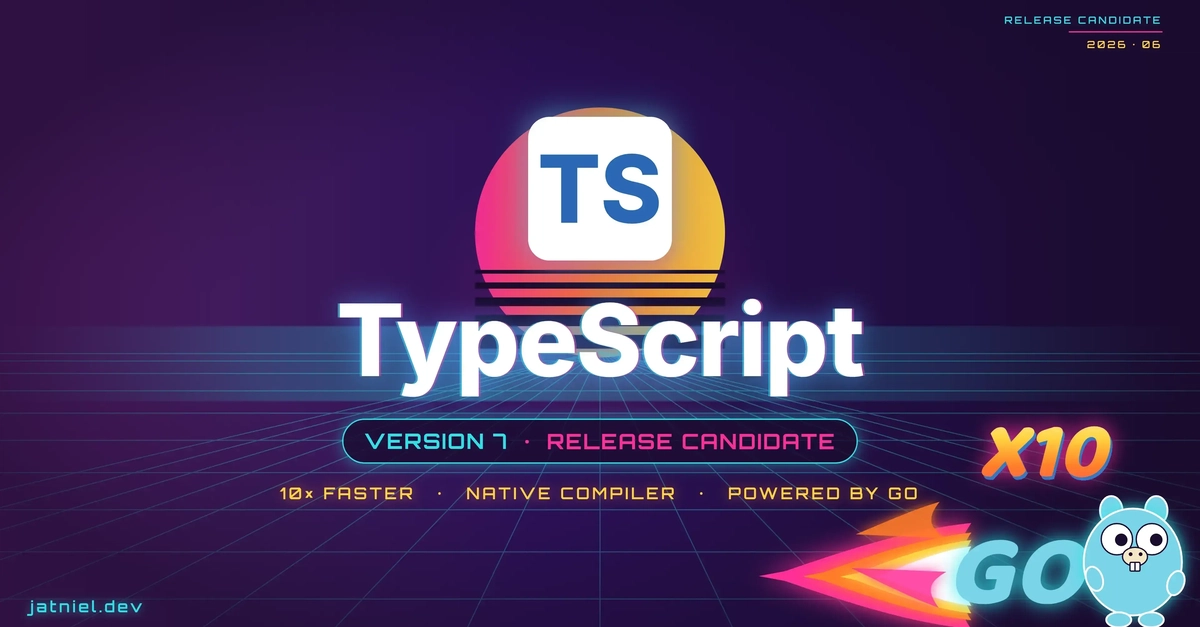
Most TypeScript upgrade cycles introduce incremental improvements. TypeScript 6.0 breaks that pattern — it represents the final release built on the JavaScript codebase before the team transitions to a Go-based compiler for 7.0. This matters because the migration window for 6.0 compatibility patterns is finite. Teams that delay upgrades beyond mid-2027 will face a double migration: first to 6.0's breaking changes, then to 7.0's fundamentally different compilation model.
The release ships with genuine improvements — stricter inference, resource management syntax, and 30% faster incremental builds — but its primary function is clearing technical debt that would block the Go compiler transition. Deprecated features that survived 5.x are now removed. Type system edge cases that caused ambiguity are now errors. The compiler's internal representation of types has changed in ways that affect advanced utility type patterns.
Understanding which changes are compatibility-focused versus feature-focused determines your migration timeline. This distinction is critical.