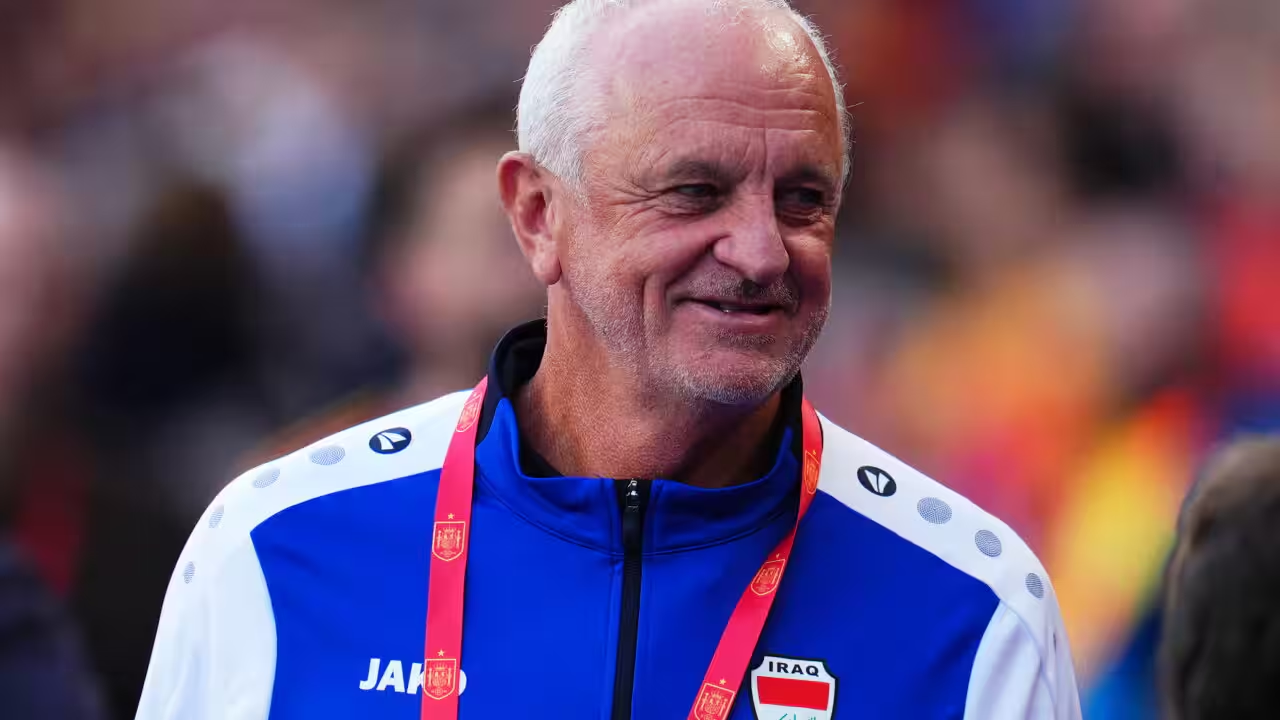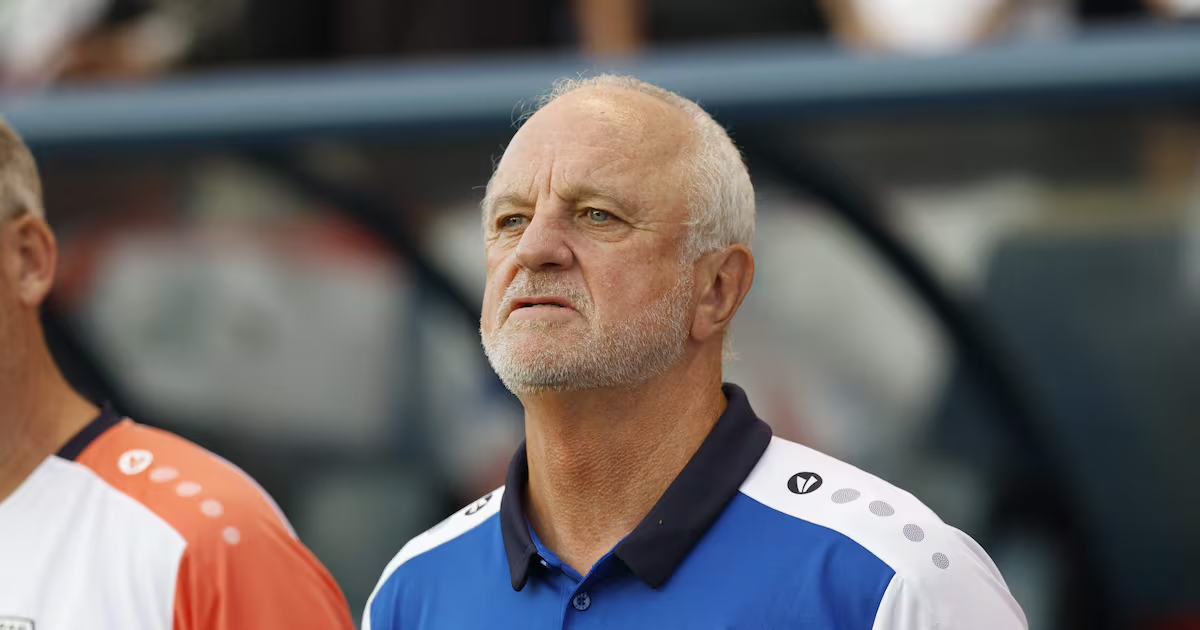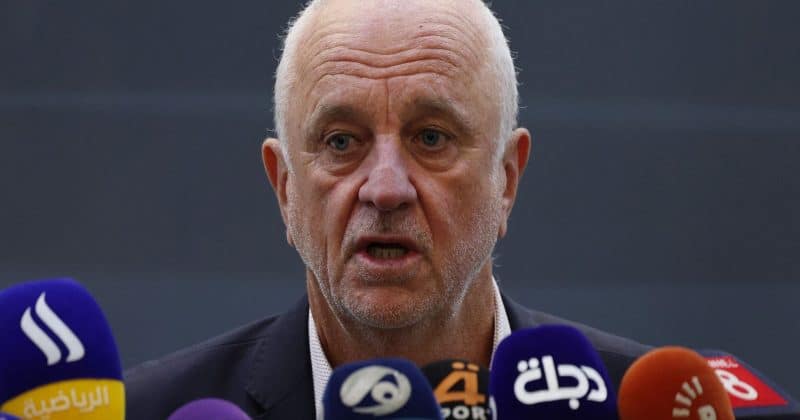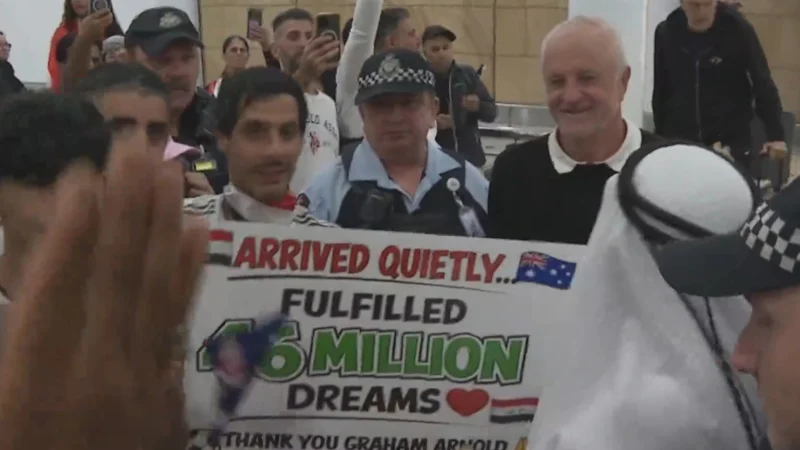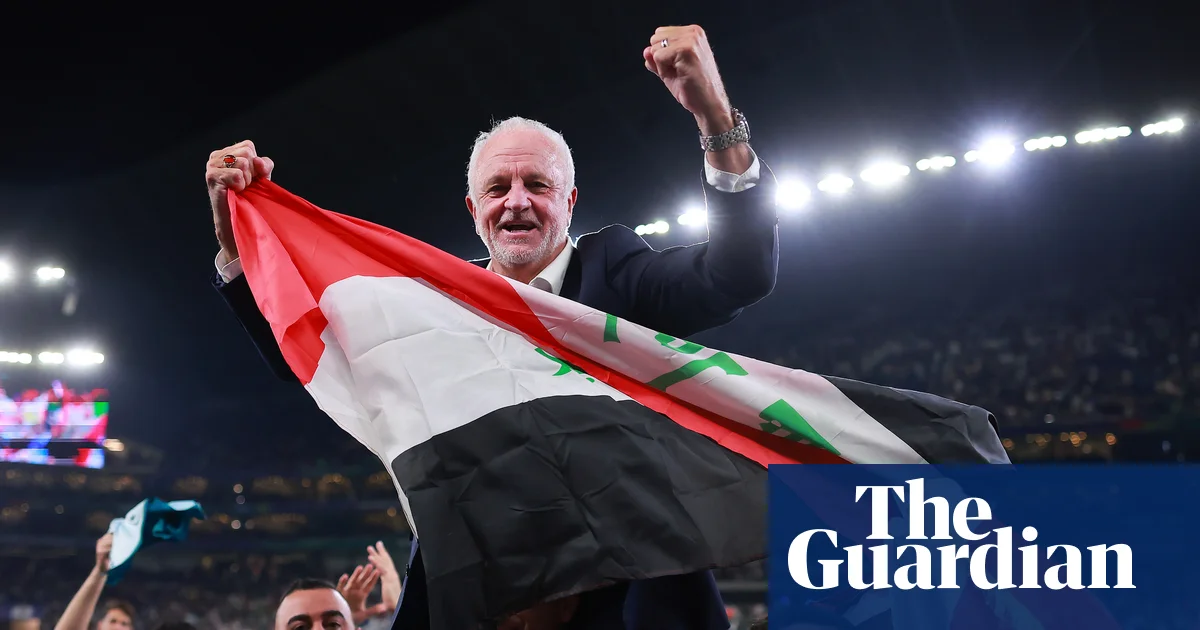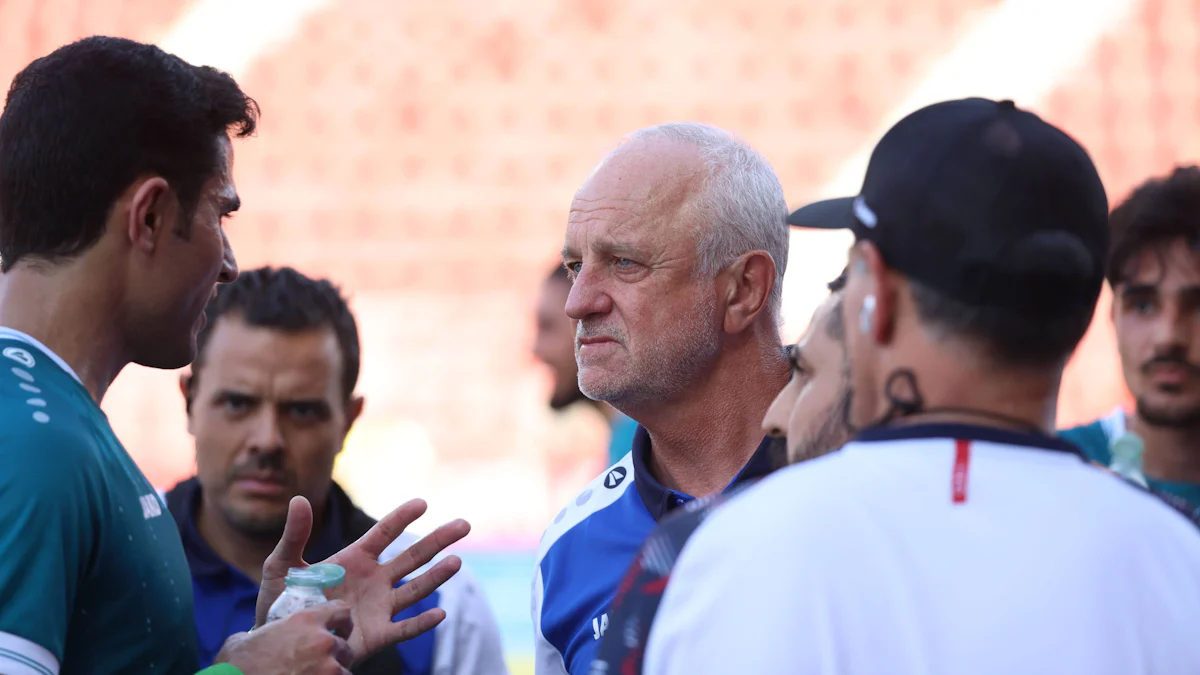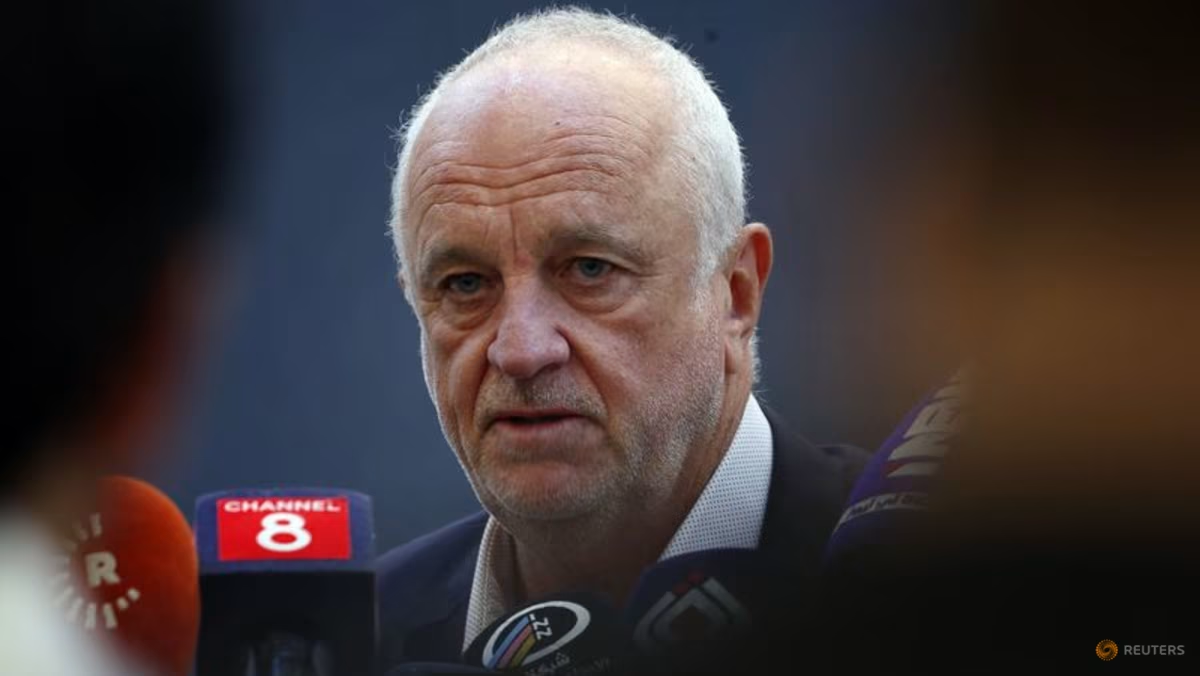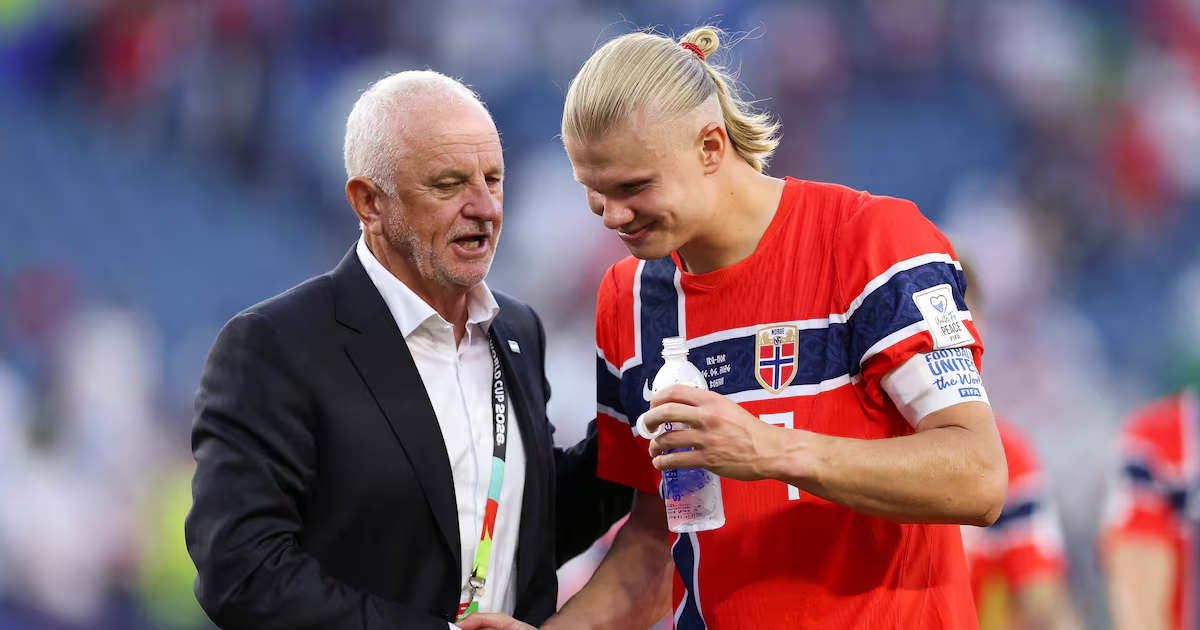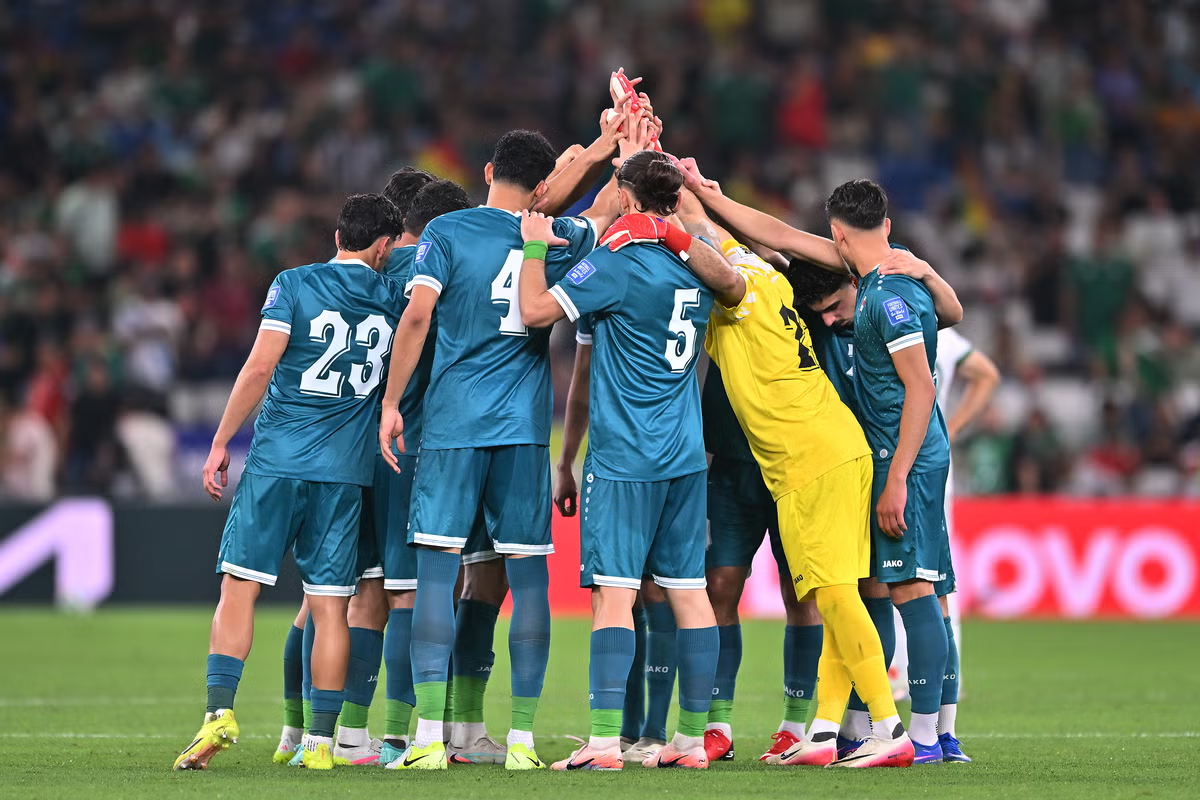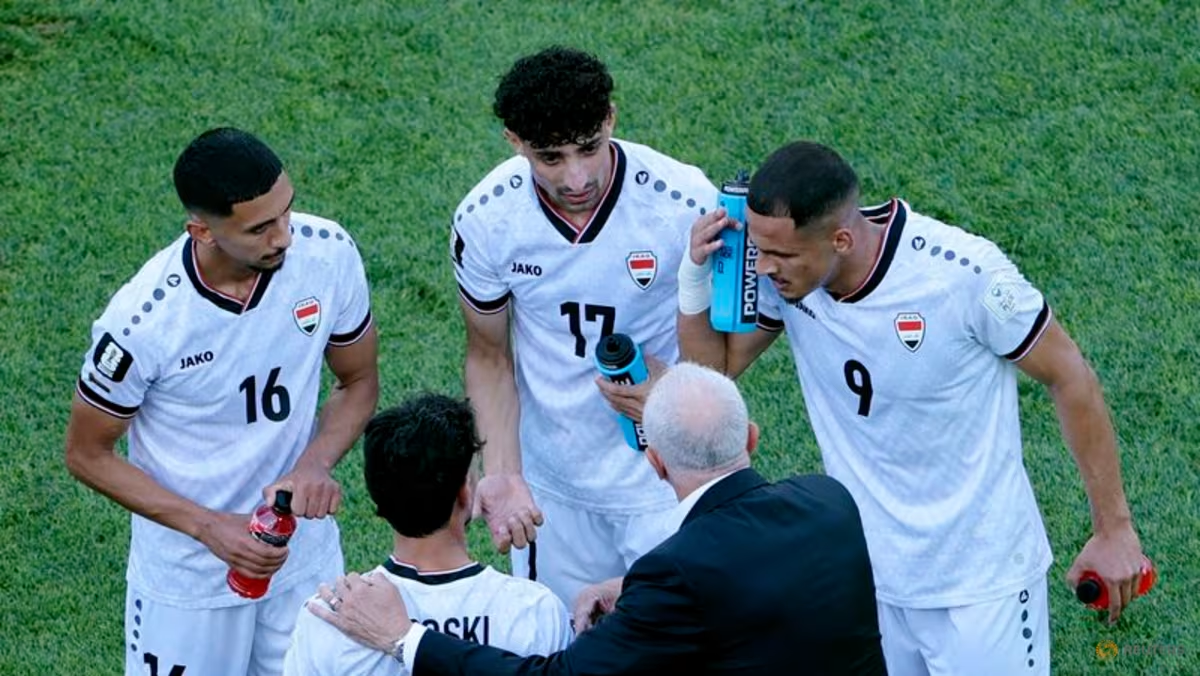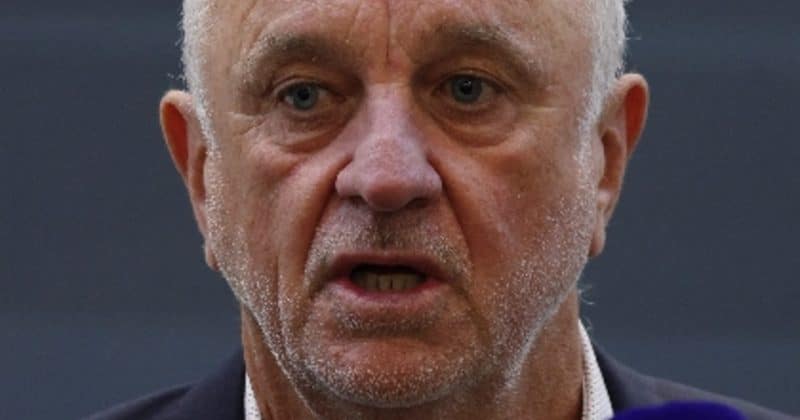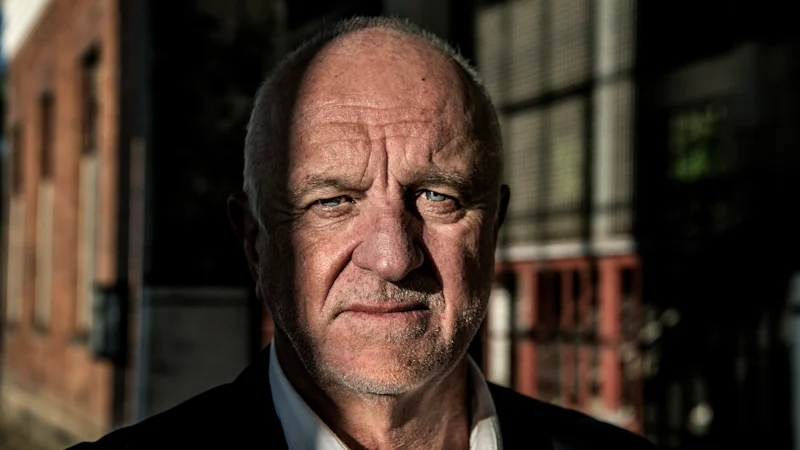
San Francisco: As he boarded one of the team’s first government-chartered flights after taking over as coach of Iraq, Graham Arnold was stopped by a gift-bearing pilot who gave him an ornate silver ring with a huge amber gemstone.“He said, ‘This will bring you luck, and take us to the World Cup,’” Arnold recounts.“And I said, OK. I put it on straight away.”Arnold calls it his “Iraqi ring”, but it’s actually known as an aqeeq ring - and in the Islamic world, it is steeped in meaning. The prophet Muhammad is said to have worn one on his right hand. Many people wear them for spiritual protection and good fortune. To present one to a foreigner is to offer them a cultural invitation, and to wear it proudly a symbol of gratitude and commitment.For Arnold, it has become a key part of his public image in Iraq. He takes it off only when he leaves the country, passing it onto his interpreter, the former Sydney FC defender Ali Abbas, to wear while he’s gone.“As soon as I get into camp, I put it back on,” he says.Obviously, it’s working.Days after Arnold put it on for the first time, Iraq beat Jordan in a critical World Cup qualifier, his second game in charge. They didn’t lose again in qualifying. Now they are here in the United States, ready to compete at this tournament for the first time in 40 years, and the Iraqi government wants to give him a new gift: honorary citizenship.Graham Arnold and his ring, gifted to him by an Iraqi pilot.Getty ImagesHe’s come a long way. Arnold, who was appointed as Iraq’s head coach in May 2025, remembers pulling on the team polo shirt shortly after arriving in Baghdad for the first time and catching sight of himself in the mirror.“Oh, shit,” he thought to himself. “I’m doing something different now, compared to the Aussie emblem.”Five of Iraq’s most experienced players were 20 minutes late to his first team meeting. Under previous coaches, they were usually brought up to speed afterwards. But Arnold stopped the meeting and waited, to make a point.Iraq’s biggest problem wasn’t talent. Arnold knew that already from his time coaching against them; he had followed them from afar since they stunned his Olyroos at the 2004 Athens Olympics, and then beat his Socceroos on their march to the Asian Cup title three years later.“When they won it, the war was going on in Iraq,” Arnold says. “And you think to yourself, ‘How the f--- can all that be going on, and they can win that?’”Their repeated failure to qualify for the World Cup, despite those achievements, had long fascinated him.Iraq lifted the 2007 Asian Cup, but hadn’t reached the World Cup since 1986 - until Graham Arnold became their coach.Getty ImagesWhen the five players finally turned up to that meeting, he told them: “Well, now I know why you’ve not qualified for a World Cup.”Arnold went to work.This was Arnold’s first job outside Australia, besides a brief and unhappy stint at Japanese club Vegalta Sendai in 2014, where linguistic and cultural differences became his undoing. Instead of being a fly-in, fly-out manager, he moved to Baghdad determined to understand Arabic life, football and what was really holding these players back.“I knew I couldn’t go and turn them into Australians,” he says.“I had to adjust to them, probably 70 per cent – but they needed to adjust to me 30 per cent, around the football side of things and professionalism. I had to learn how they were as people, what was important in their life, what’s their personal life like, how they live. Like, they go to bed at three in the morning, they get up at midday - so straight away, you go, ‘OK, well, breakfast is an issue.’ Then they have their prayer time. When do they do it? Because we can’t have training when they’re doing it. All that type of stuff.”Roughly half of Arnold’s squad was based in Iraq; three of them, he later learned, could not read or write, which told him he had to keep his communication to them even simpler than he thought. The other half grew up in Scandinavia, to parents who fled Iraq due to the war, and could not speak Arabic very well. At meal times, they would usually sit in smaller groups of three or four. Arnold brought them all together on one big table.Graham Arnold on duty for Iraq.AP Photo/Joan MonfortConversely, on the field, he split them up. Literally.“I put a line straight down the middle of the pitch,” Arnold says.“One side is the Arabic side; players who can only speak Arabic. The other side is English-speaking. And in the middle, I try to put players who can do both.” The logic being that there would be no scenario where a player wouldn’t be able to communicate clearly, in “football language”, with a nearby teammate.Arnold was determined to lift the standards of Iraqi football, but was careful not to come across as an authoritarian. Players were already under immense pressure; Iraq’s population of 46 million people is football-mad, to the point where their biggest stars have practically no social life. Even Arnold could not leave his secure compound without being surrounded by fans wanting photos, and that was before they qualified.He did not want to add to their psychological burden, so in classic Arnie style, he kept it light.“At the first meeting, I said, ‘I’m your father, and you’re all my sons,’” he says.“Someone started calling me Pop. I said, ‘No, that’s not dad. You’re humiliating me now. You called me your grandfather.’Graham Arnold and his Iraqi coaching staff, including Zeljko Kalac (sixth from left), Rob Stanton and Rene Meulensteen.Getty Images“They’ve got a great sense of humour. Once they come into camp, my job is to relax them, make them laugh, make them happy – but when you walk on that pitch, you’ve got to be ready to fight and do your job.”Arnold knows how to flick that switch. In March, on the first night of their training camp in Mexico ahead of their World Cup play-off against Bolivia, he showed the team a video of LeBron James explaining the rationale behind his annual post-season social media bans, in which he disappears from his platforms to focus on his basketball.“I said, ‘If he can do it, why can’t you guys do it? From tonight, I want everyone to stop looking at social media,’” he says.“The biggest problem was at that time, what was going on in the Middle East. I said, ‘The more you read it, what’s going on at home and all that - we’re never going to qualify.’”Days later, the team got back to their hotel after training and were to have dinner at 9pm – the same time they were due to kick off seven days later, Arnold realised, while he was sitting in his room.“Something went in my brain,” he says.Graham Arnold is preparing for his second World Cup - and the first where an Australian coach will not be coaching Australia.Steven SiewertAt 8.55pm, the players and staff were waiting for Arnold outside the meals room. Instead, he took them across the hall to their meeting room.“Do you know where you will be this time next week?” Arnold said to them. “It’s time for the national anthem to be sung.”The a cappella rendition that followed was a moment that will live with Arnold forever.“They were screaming it,” he says.“Half of them were in tears. And then I said: “‘Right, now it’s kick-off time. Are you ready to perform at the best you’ve ever been?’“They said: ‘Inshallah!’”Iraq’s coach Graham Arnold celebrates World Cup qualification.APA week later, it was done – Iraq sealed their spot at their first World Cup since 1986 with an emotional 2-1 win over Bolivia. Due to the war in Iran, players based in Iraq had to take a 20-hour bus ride south to Jordan to be able to fly out; on the way home, it took them 40 hours, because the bus kept getting stopped by hordes of ecstatic supporters.The celebrations lasted for days, and even reached Sydney, where the city’s Iraqi community turned up en masse at the airport to receive Arnold, their new hero.People take to the streets of Fairfield to celebrate Iraq’s World Cup qualification.Sitthixay DitthavongThe best way to understand his newfound celebrity status in Iraq is this: what Guus Hiddink, his old mentor, was to Australia in 2005, he is now to them.The experience of qualification has also given Arnold some much-needed distance from what he left behind. He has not watched the Socceroos play since he left the job in September 2024 - a decision he says was the hardest he’s made, “up there” with having to leave his son-in-law Trent Sainsbury out of Australia’s squad for the last World Cup.“I didn’t want to let my nation down,” he says.“I’d done everything that I possibly could do - and I don’t feel 50 per cent of that pressure now. I still love Australia, don’t get me wrong ... but I had to get away from it, because if I know if I sat there watching it, it would have made me feel even worse than what I was feeling. I probably will watch them at the World Cup, but before that it was all too fresh. I got probably 15 texts from the players [when Iraq qualified] ... those things, it’s beautiful. I wish them all the best.”There is a small chance the Socceroos and Iraq could meet at the World Cup, if one wins their group, the other finishes third in theirs, and other results shape the bracket a certain way.Arnold does not want to think about it; his side will be flat out winning any games in Group I, drawn alongside France, Norway and Senegal. Iraq are outsiders, but as an Australian in the world of football, Arnold knows what that’s like, and how to spin it into an advantage.He will rely on some old tricks: the social media ban remains, and players will likely be prohibited from uttering names such as Kylian Mbappe, Erling Haaland and Sadio Mane, as the Socceroos were from saying the words ‘Lionel Messi’ four years ago in Qatar.So far, so good. Iraq held the might of Spain, one of the hot favourites at the World Cup, to a 1-1 draw in a warm-up match.“We’ve got no pressure,” Arnold says. “They’ve got all the pressure. You can’t control the opponents, but you can control yourselves, and making sure the players go out with no fear - because if they go out worried, scared about things, then it won’t happen.”Just in case it helps again, he’s still got that ring on his finger, too.
An Iraqi pilot gave Graham Arnold a special ring. He’s been charmed ever since
The former Socceroos boss is a national hero in Iraq for not only qualifying them for their first World Cup in 40 years, but immersing himself in their culture.
1,799 words~8 min read