
Yesterday, as I was working on a CORS configuration, AI generated a block of code for me:
const allowedOrigins = [
process.env.FRONTEND_URL || "http://localhost:3000",
process.env.ADMIN_URL || "http://localhost:3001",
].filter(Boolean);
Yesterday, as I was working on a CORS configuration, AI generated a block of code for me: const...
Yesterday, as I was working on a CORS configuration, AI generated a block of code for me:
const allowedOrigins = [
process.env.FRONTEND_URL || "http://localhost:3000",
process.env.ADMIN_URL || "http://localhost:3001",
].filter(Boolean);
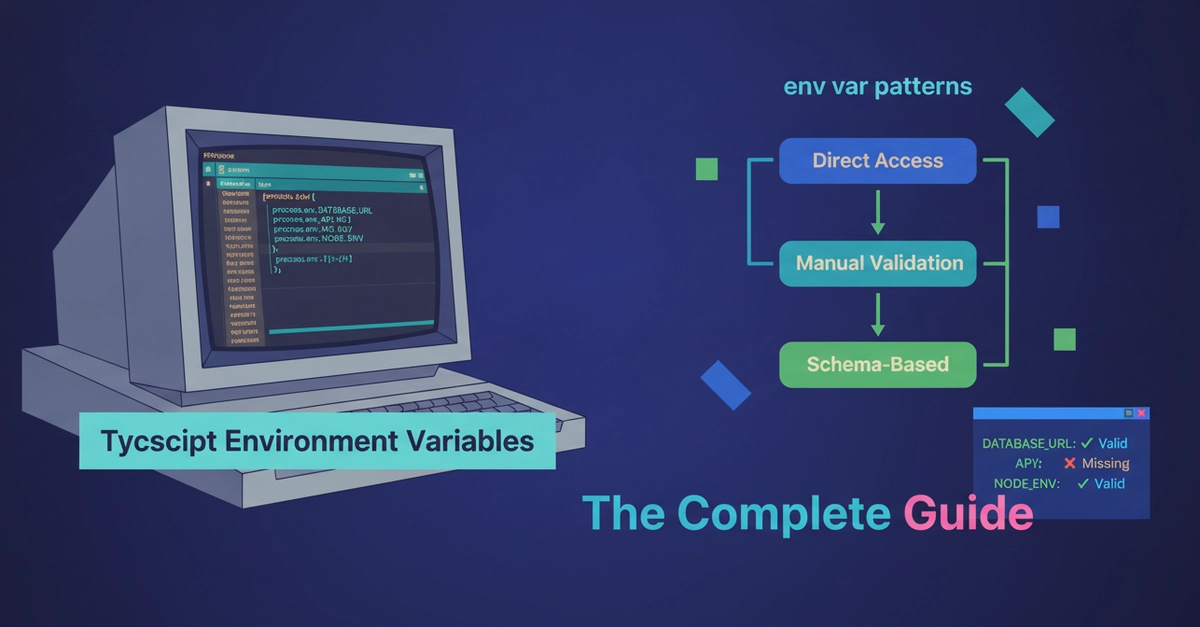
Everything you need to know about working with environment variables in TypeScript — from raw process.env to schema validation.
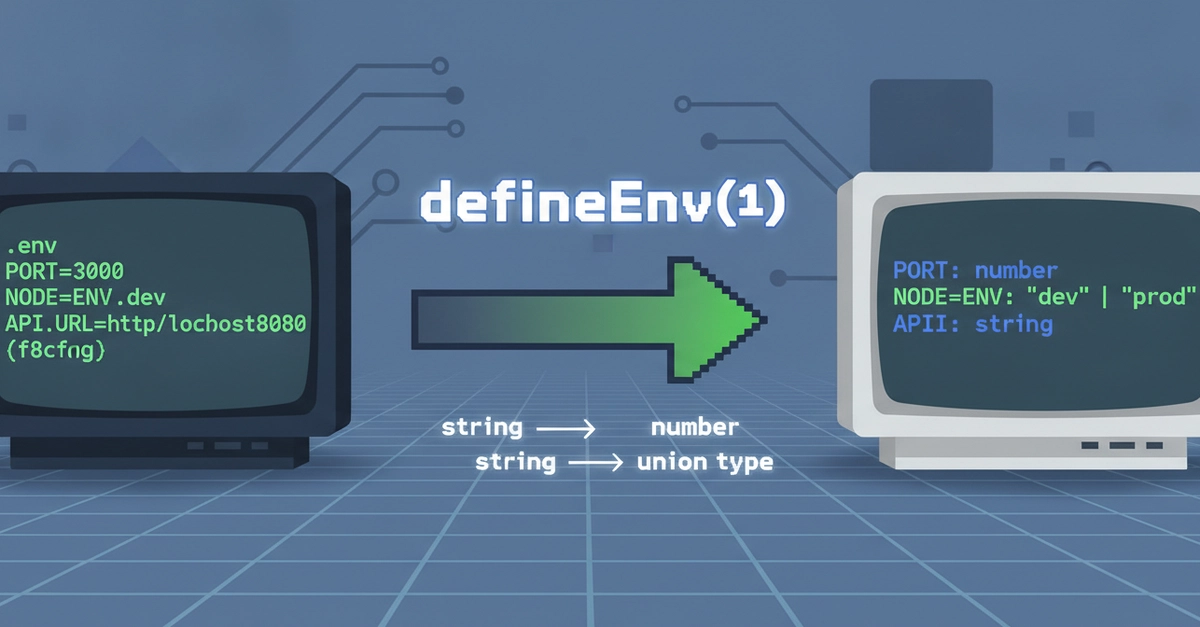
How CtroEnv infers exact types from validators — no z.infer, no manual interfaces, no 50 KB dependency.
Environment variables look simple until one of them is missing, empty, malformed, or interpreted in a...

Configuring environment variables seems simple, but it frequently leads to two common issues in...
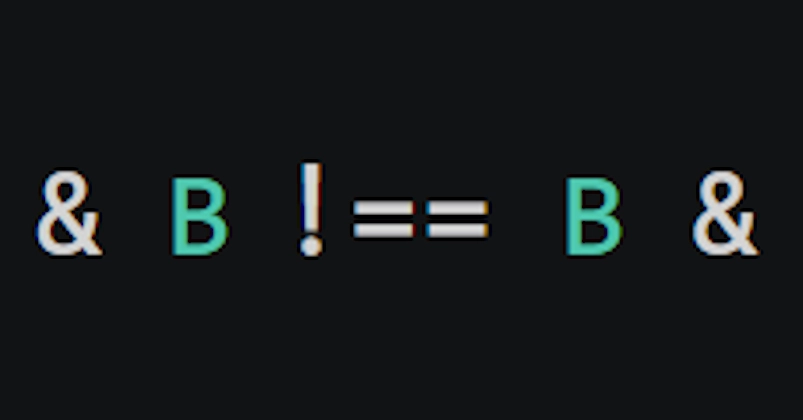
Once I was working with i18next and wanted to get better inference from translation keys. Usually,...
Every few months I find a TypeScript pattern in someone's open-source repo that I instantly bring...