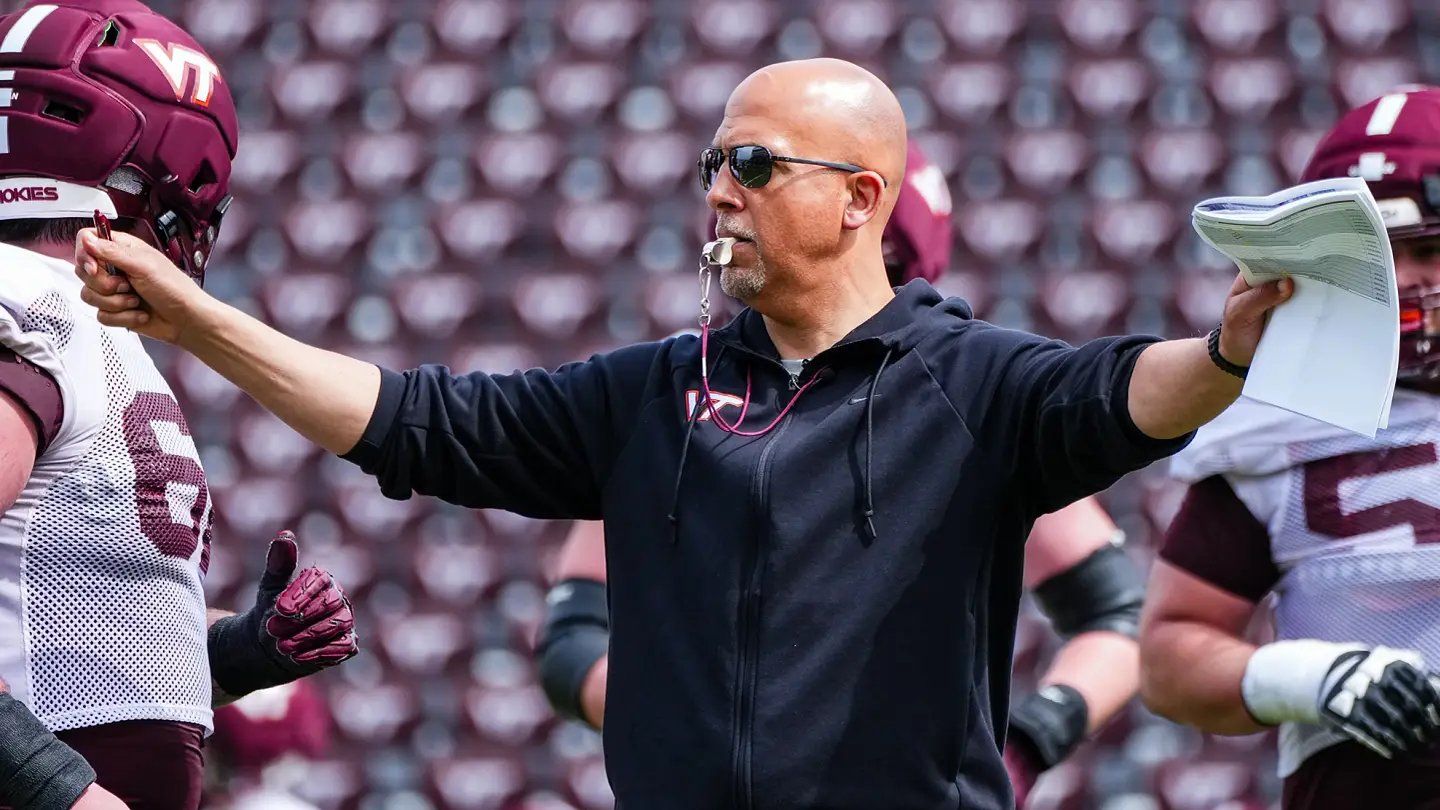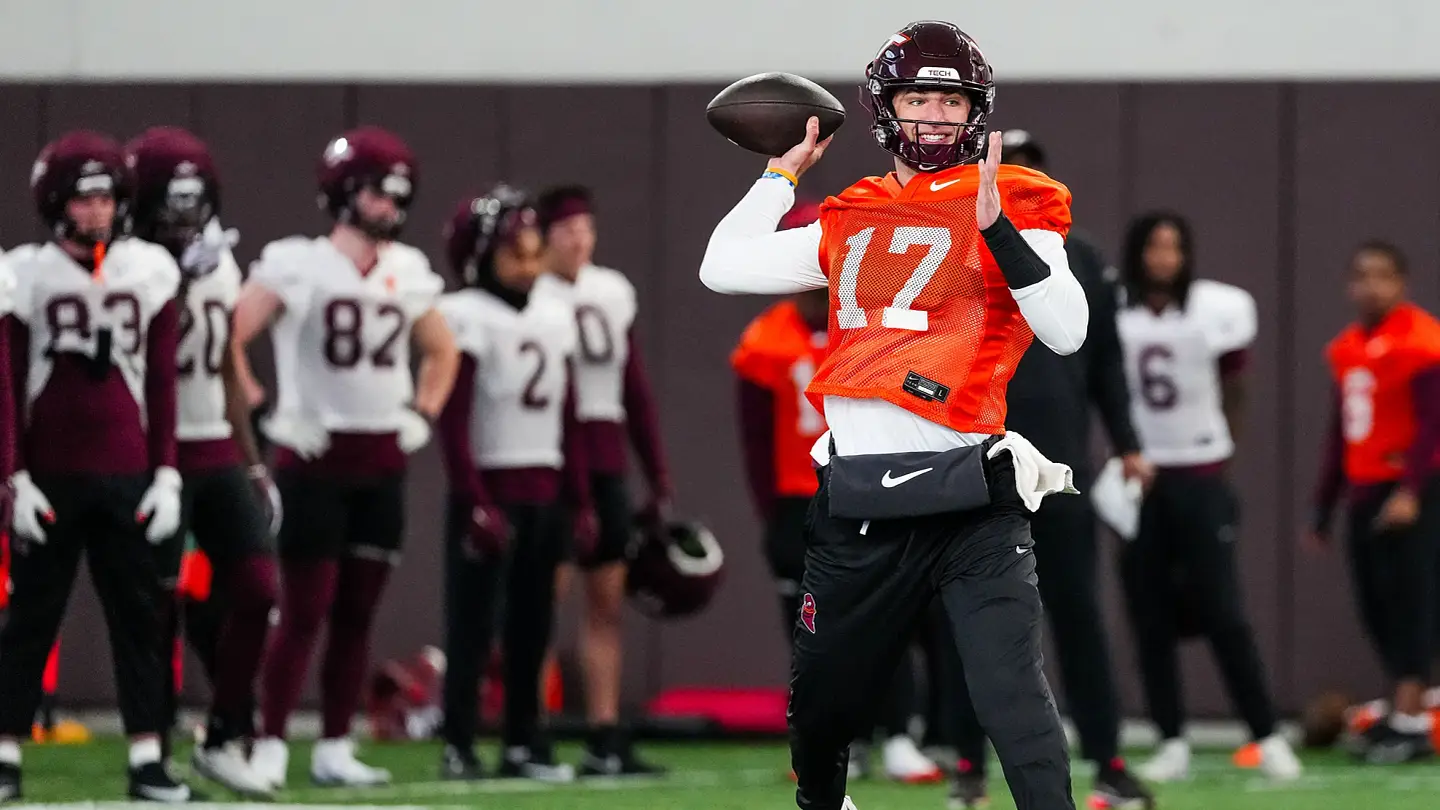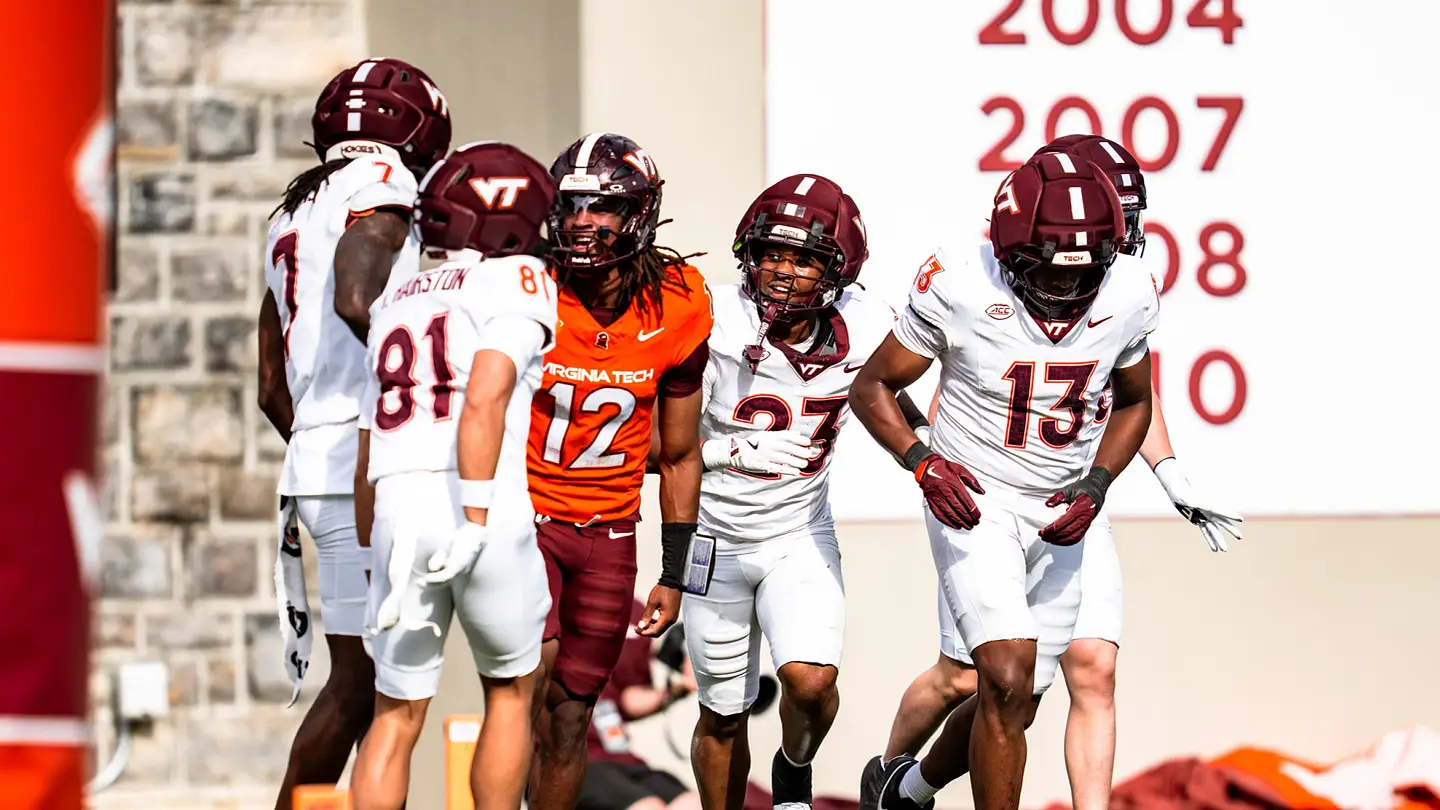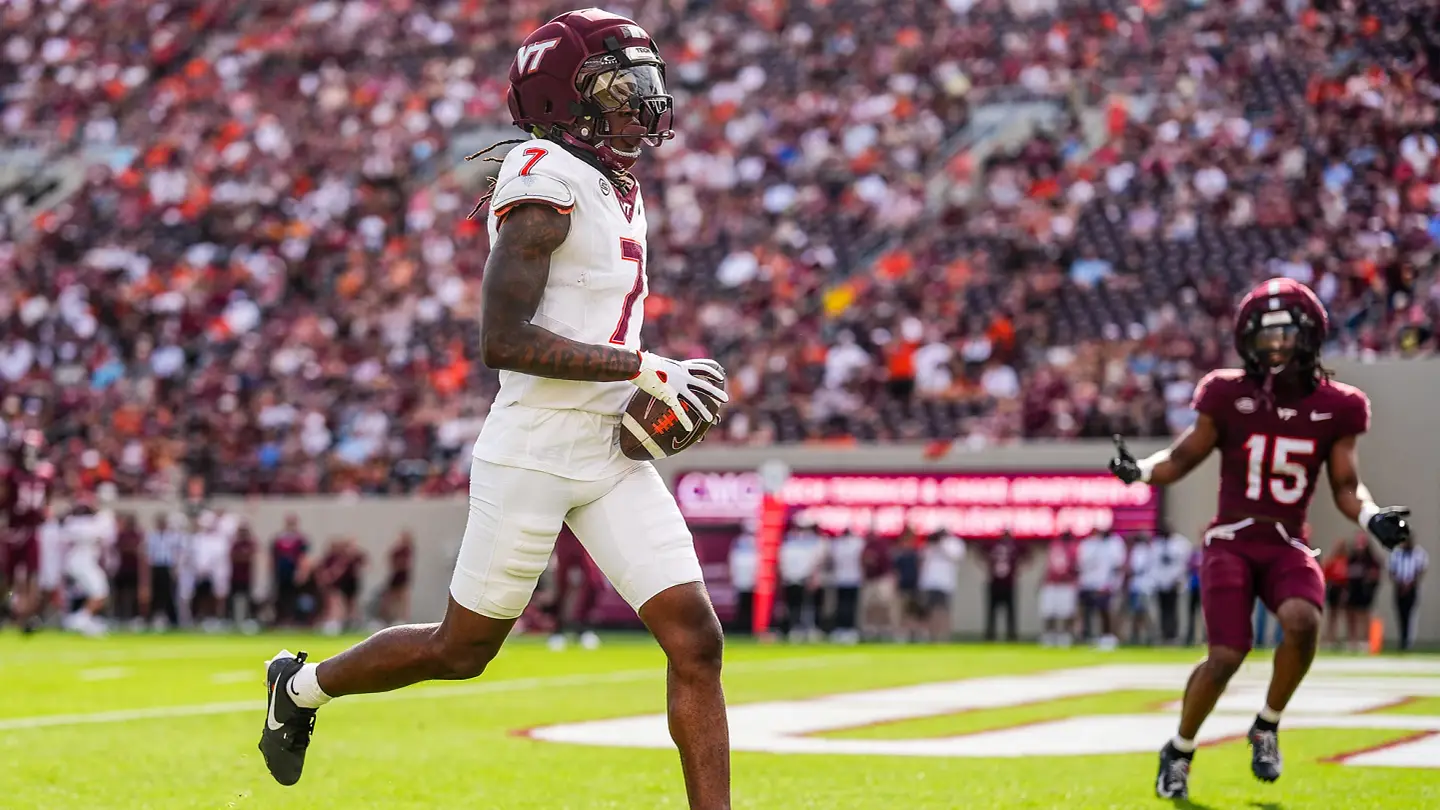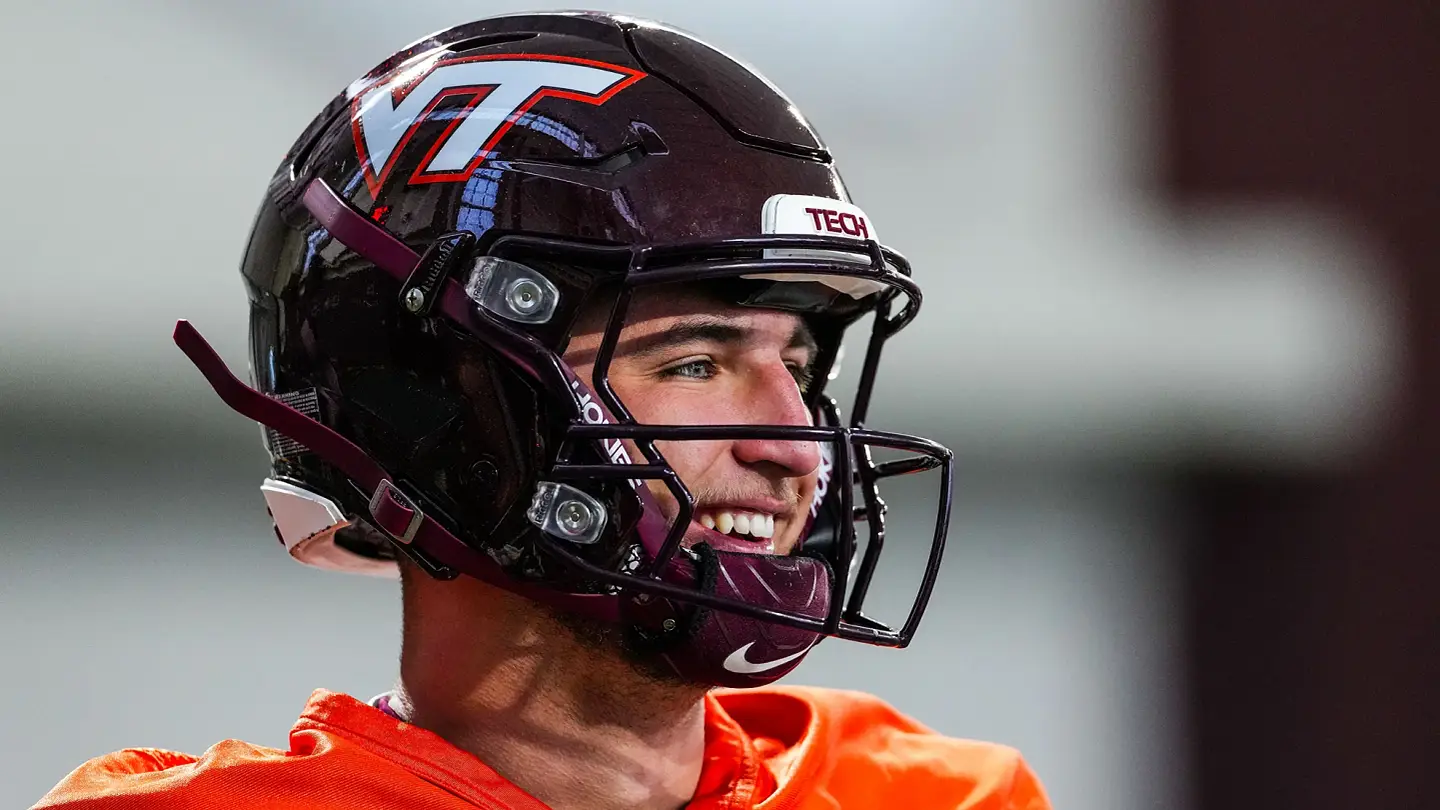
The most difficult part of projecting Virginia Tech football in 2026 is separating the optimism surrounding the program from the reality of what it takes to win immediately. A new coaching staff, a revamped roster and a favorable schedule have created legitimate momentum in Blacksburg, but the Hokies still enter the season with plenty to prove after a 3-9 campaign a year ago. If Virginia Tech reaches its ceiling in Year 1 under James Franklin, it will likely do so because one area quickly becomes a clear strength while another avoids becoming a season-defining weakness.Strength: Offensive Skill TalentFor the first time in several seasons, Virginia Tech appears to have legitimate answers at multiple skill positions.Penn State transfer Ethan Grunkemeyer gives the Hokies a quarterback capable of elevating the passing game. Across seven starts in 2025, he completed 69% of his passes, finishing with 1,339 yards, eight touchdowns and four interceptions. Around him, Franklin and his staff assembled one of the ACC's more intriguing collections of pass catchers. Ayden Greene returns as a proven option, while Duke transfer Que'Sean Brown adds explosiveness to the slot. Penn State transfer Luke Reynolds, a former five-star recruit, could become the focal point of the offense and provide Virginia Tech with its most dynamic tight end threat in years. The backfield is equally promising. Marcellous Hawkins and Jeffrey Overton Jr. offer contrasting styles, giving the Hokies flexibility in how they want to attack defenses.Just as important, many of Virginia Tech's most impactful additions already know Franklin's system. The familiarity between the coaching staff and several Penn State transfers should accelerate the installation process and help the offense find its footing early. Should Grunkemeyer settle in quickly and the offensive line provide adequate protection, the offense has the potential to be the engine behind a dramatic turnaround.Weakness: A potential lack of consistency on the defensive front.While the offense appears deeper and more versatile, the defensive front remains more difficult to evaluate.Virginia Tech returns standout defensive tackle Kemari Copeland, who earned first-team preseason All-ACC recognition from Phil Steele, but questions linger around the overall depth and pass-rush production.That uncertainty becomes especially significant considering the schedule. Road trips to Clemson, SMU and Miami will test Virginia Tech's ability to generate pressure without sacrificing numbers in coverage. If the Hokies struggle to affect opposing quarterbacks, their secondary — despite additions like Jaquez White from Troy and Cam Chadwick from UConn — could face difficult situations throughout ACC play.Virginia Tech's ceiling is higher than many teams coming off a three-win season, but its path to success is straightforward: let the offense carry the load while the defensive front develops into a reliable unit. If those two outcomes materialize, the Hokies could outperform expectations in Franklin's debut season.Add us as a preferred source on GoogleFollow
One Strength, One Weakness for Virginia Tech Football In 2026
Can Virginia Tech maximize its upside in 2026?
464 words~2 min read