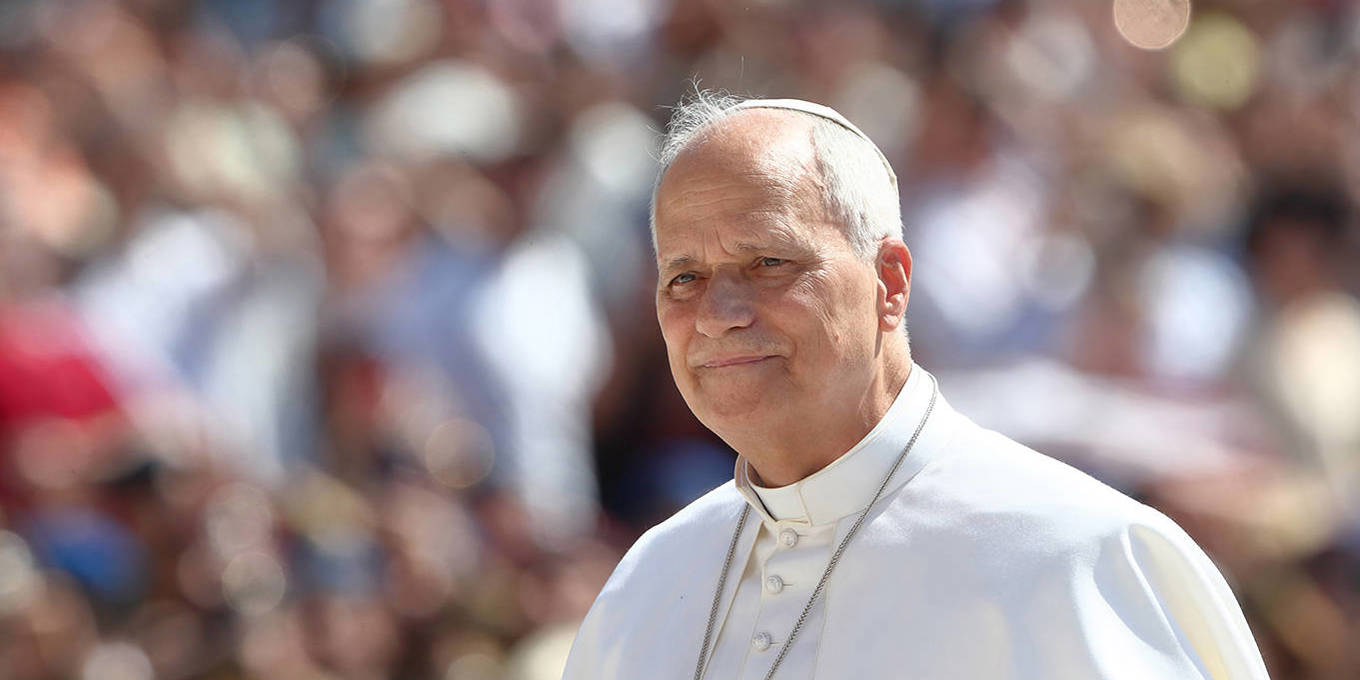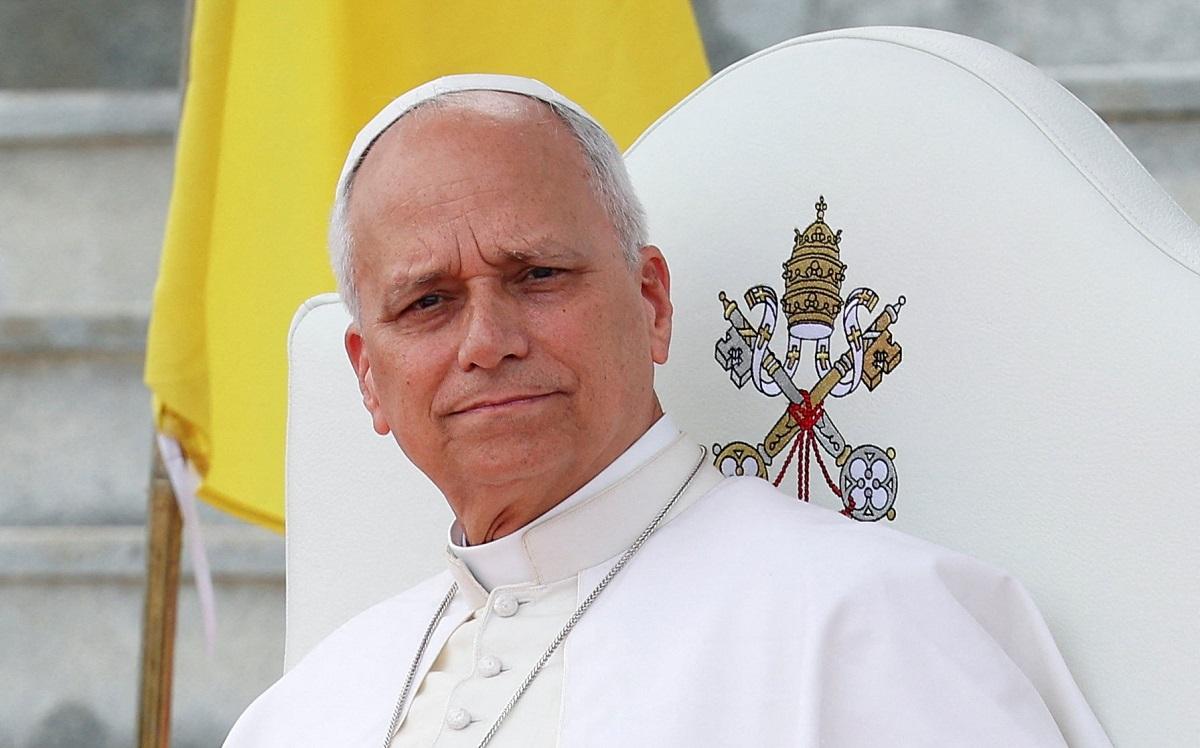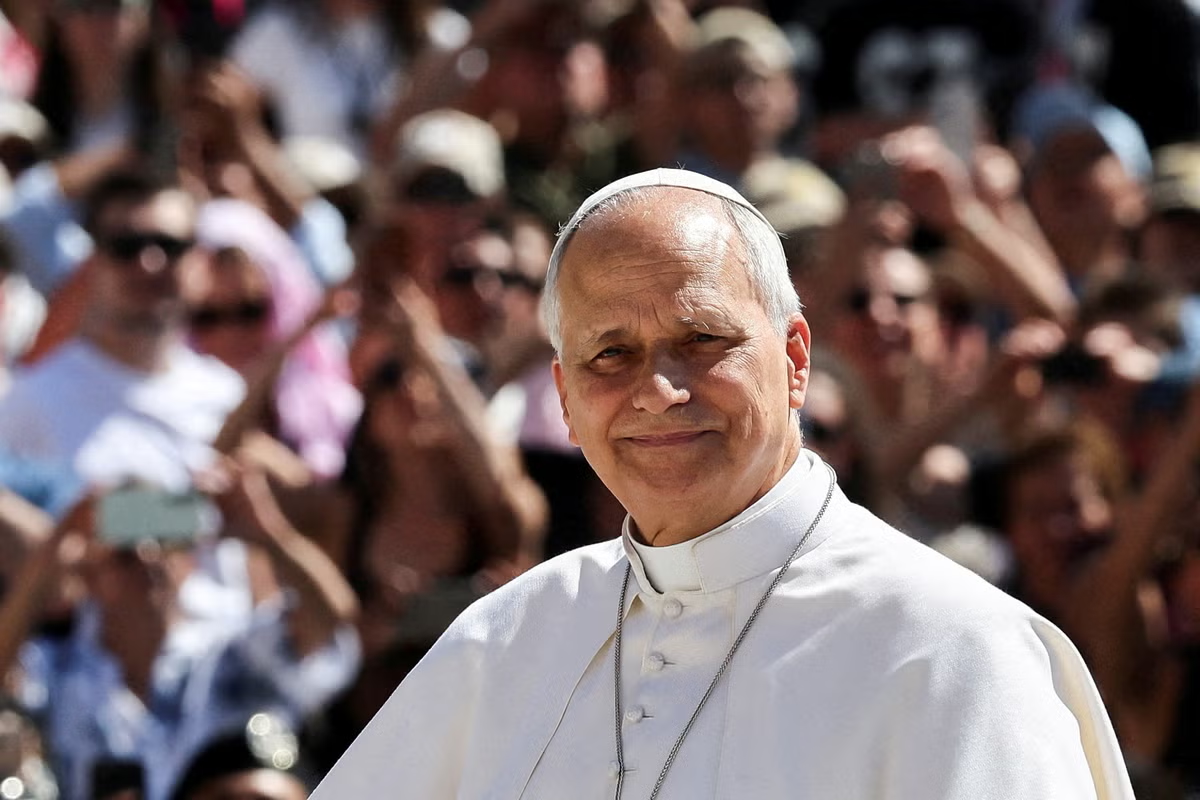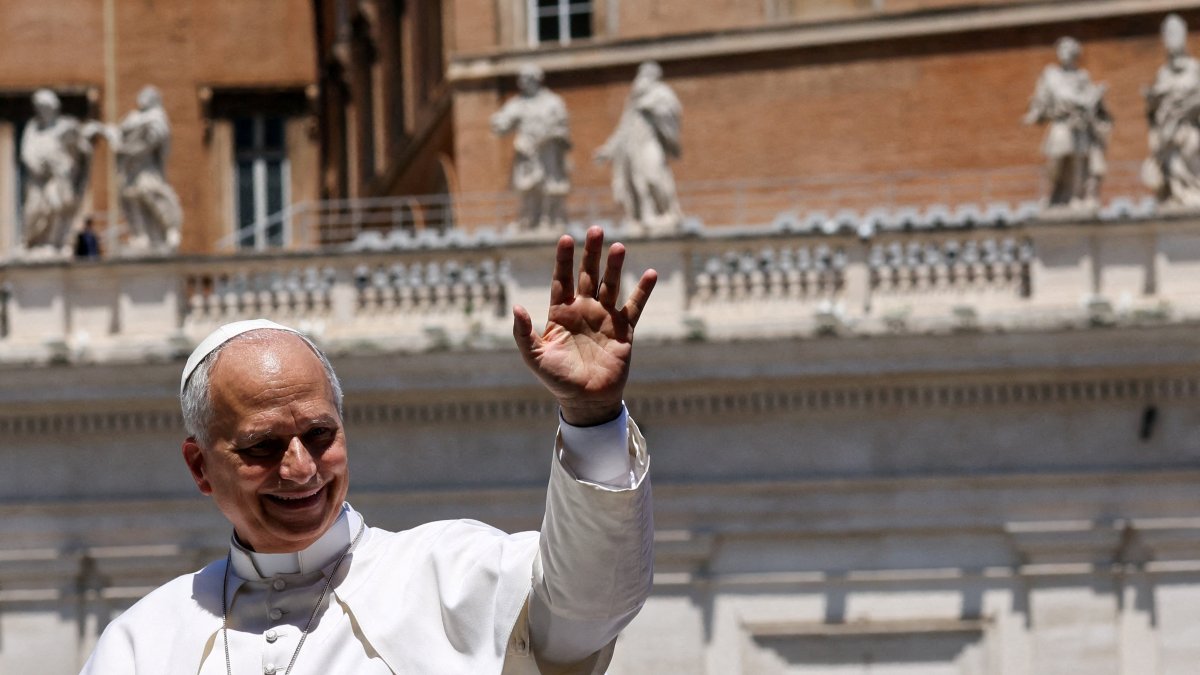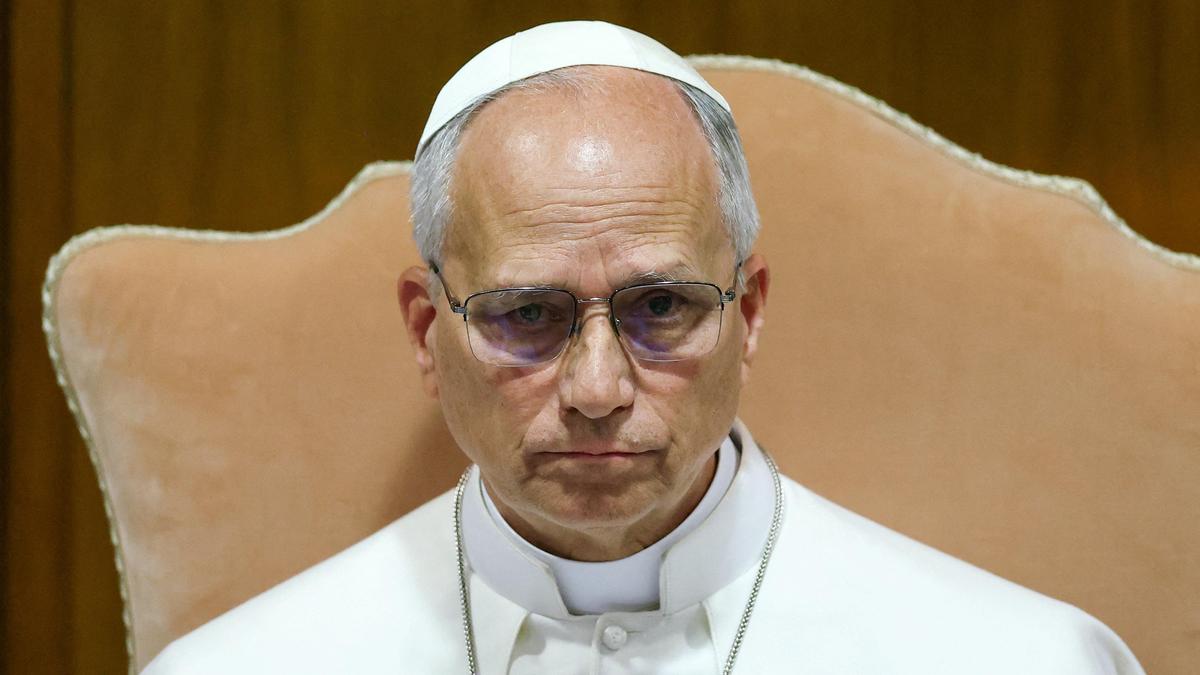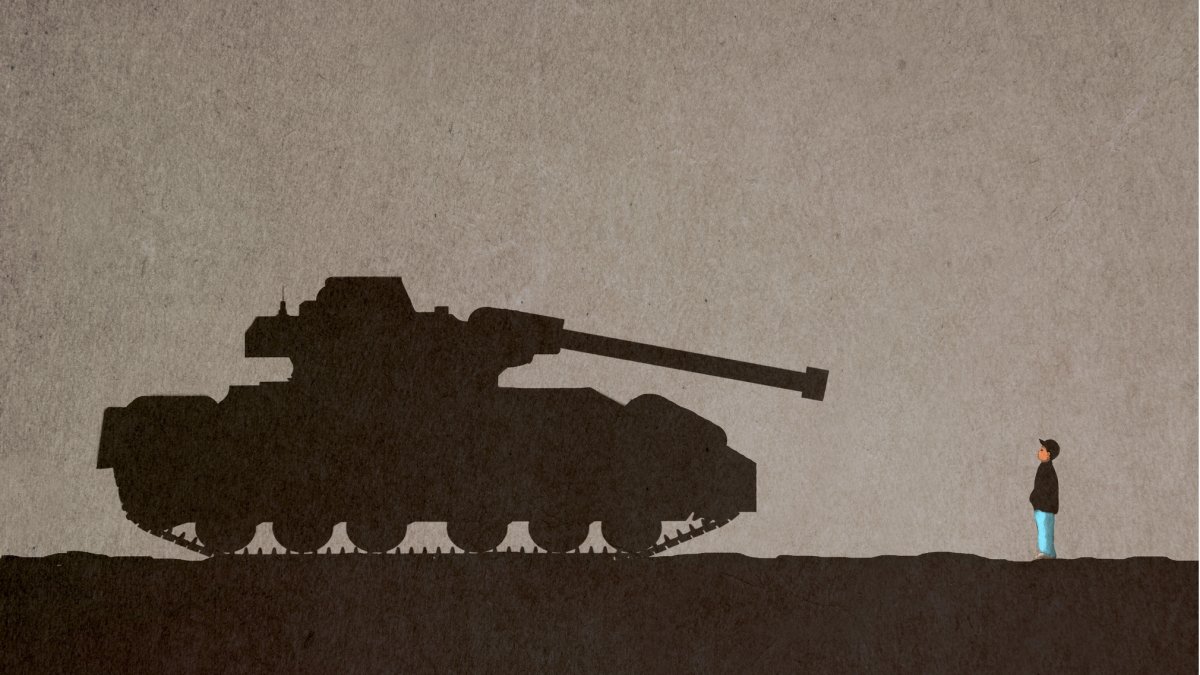
Pope Leo XIV's declaration in late May that the centuries-old doctrine of "just war" is now outdated constitutes one of the most uncompromising moral interventions by a pope in recent memory.
Previous pontiffs have condemned violence and called for peace, but constrained by their dual role as spiritual leaders and heads of state, they generally stopped short of challenging the doctrine itself.
Pope Leo, however, has openly challenged a doctrine that, since Augustine in the fifth century, has provided Christianity with a moral framework for the legitimate use of force and has profoundly influenced Western political thought, military ethics and international law.
The great powers of history, whether ancient empires or modern nation-states, have rarely abandoned war because of ethical objections alone. Instead, they have consistently presented their conflicts as necessary, defensive or morally justified. Indeed, the idea of a just war is almost as old as war itself. Long before it was formalized in Christian theology, nearly every major civilization developed its own framework to regulate violence, recognizing both the necessity and the dangers of organized conflict. Each sought to place ethical limits on violence, protect non-combatants, restrain rulers and subordinate force to a higher conception of justice, duty or social harmony.