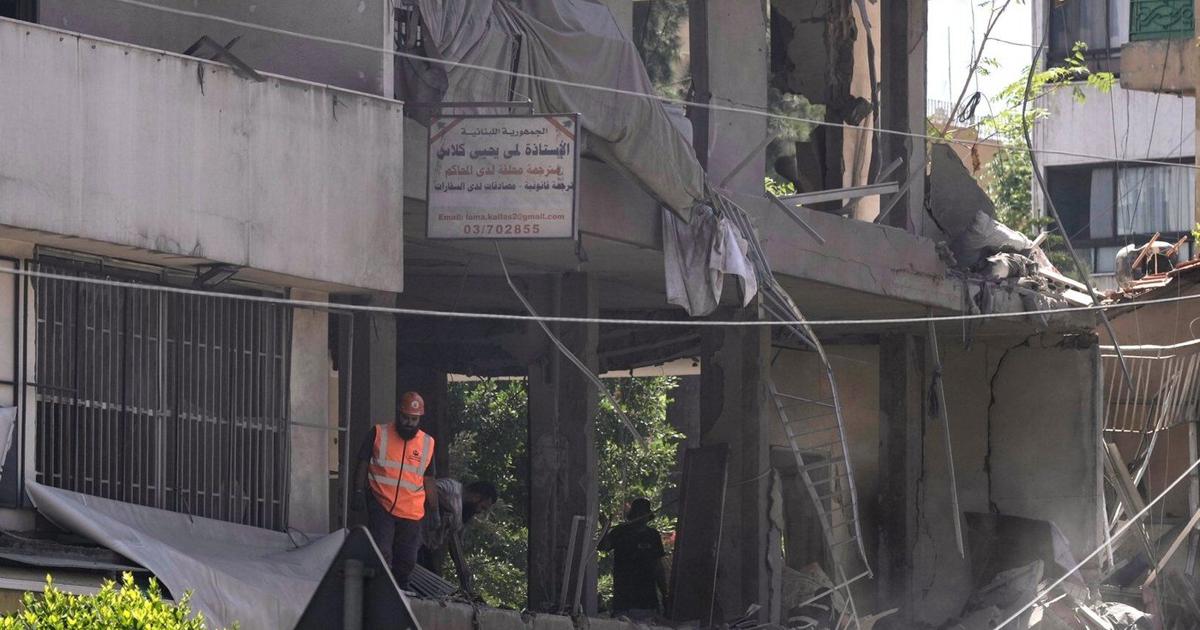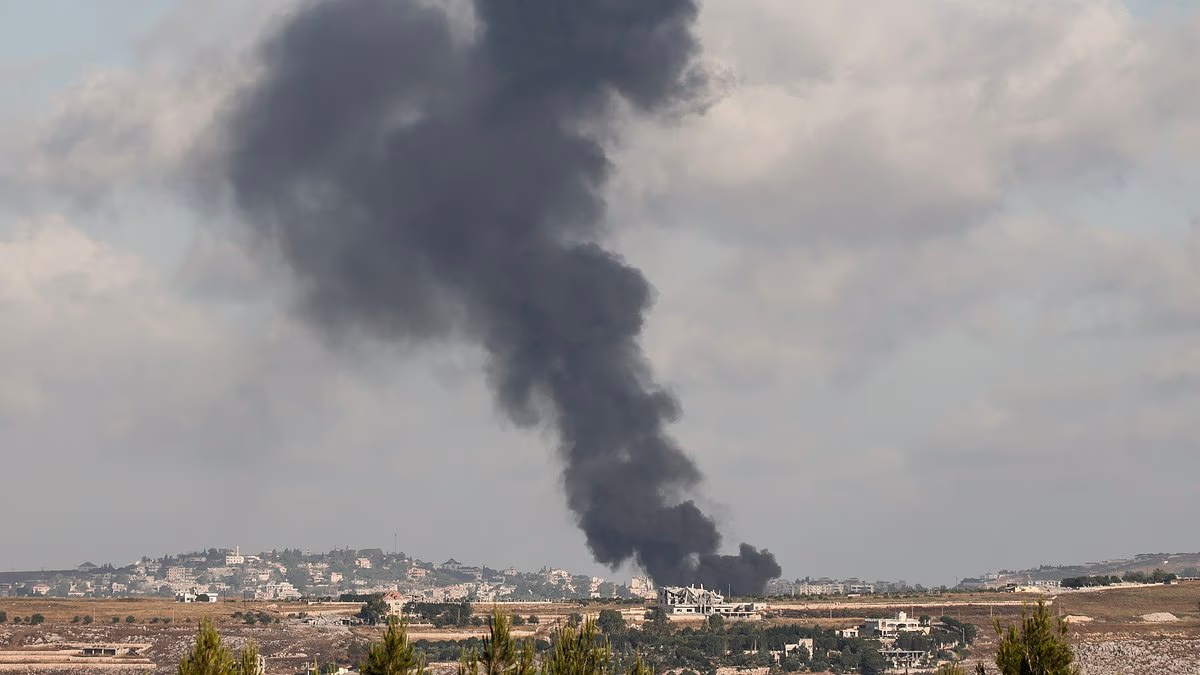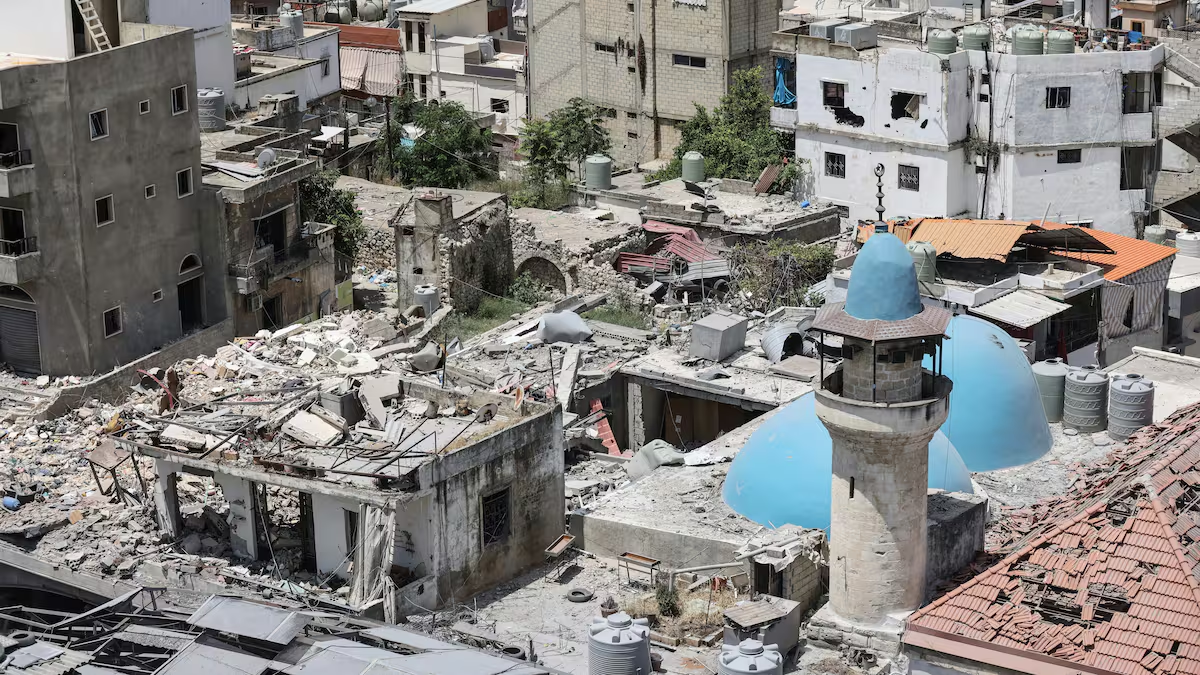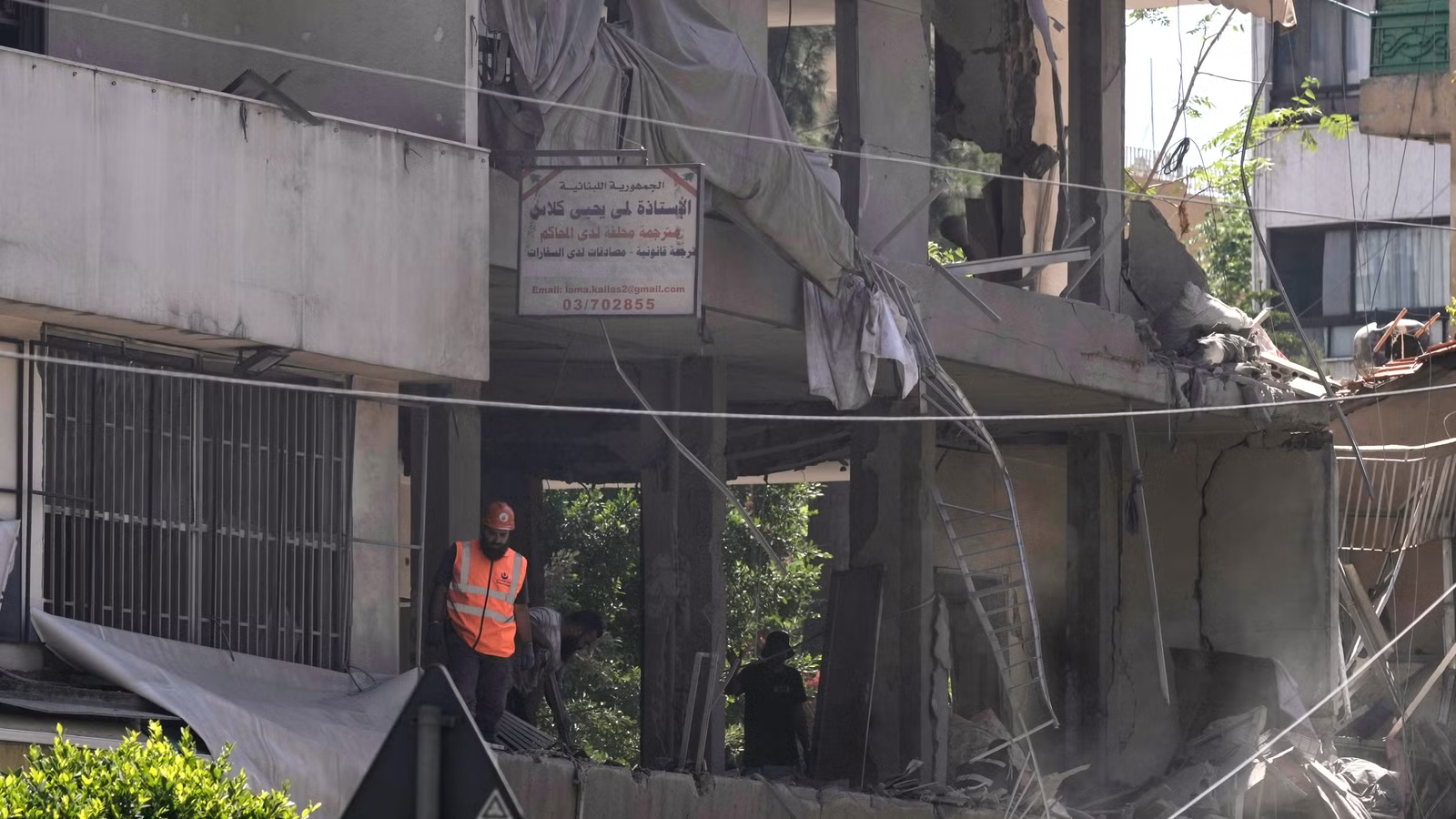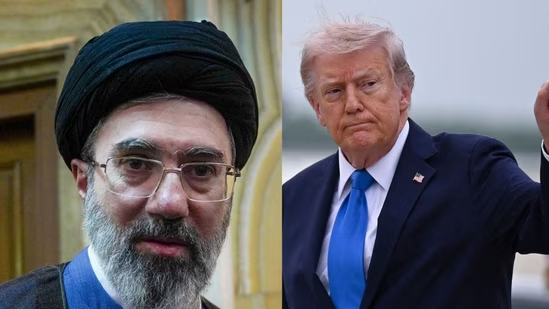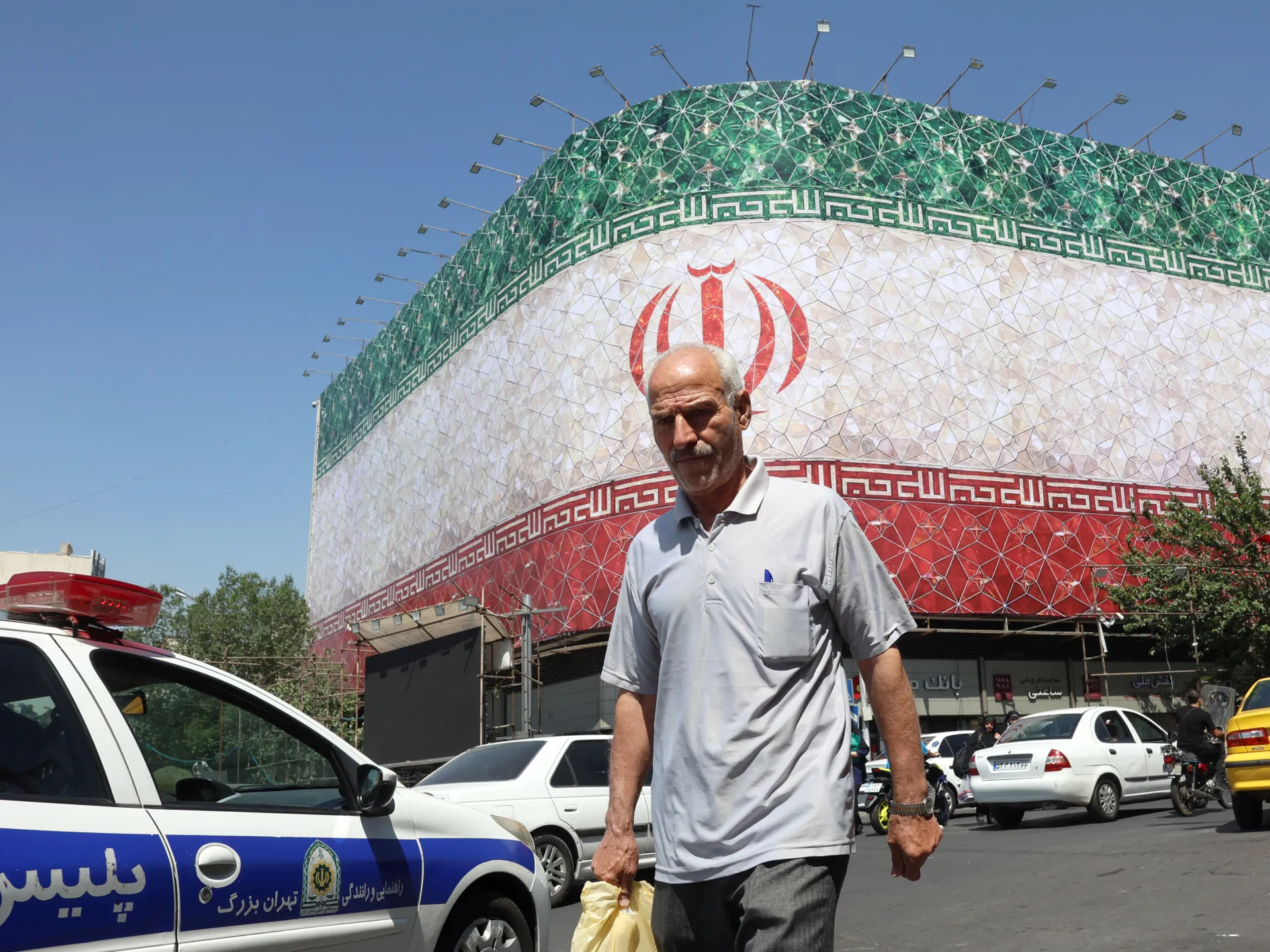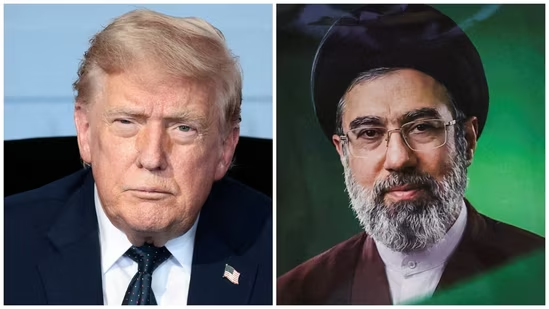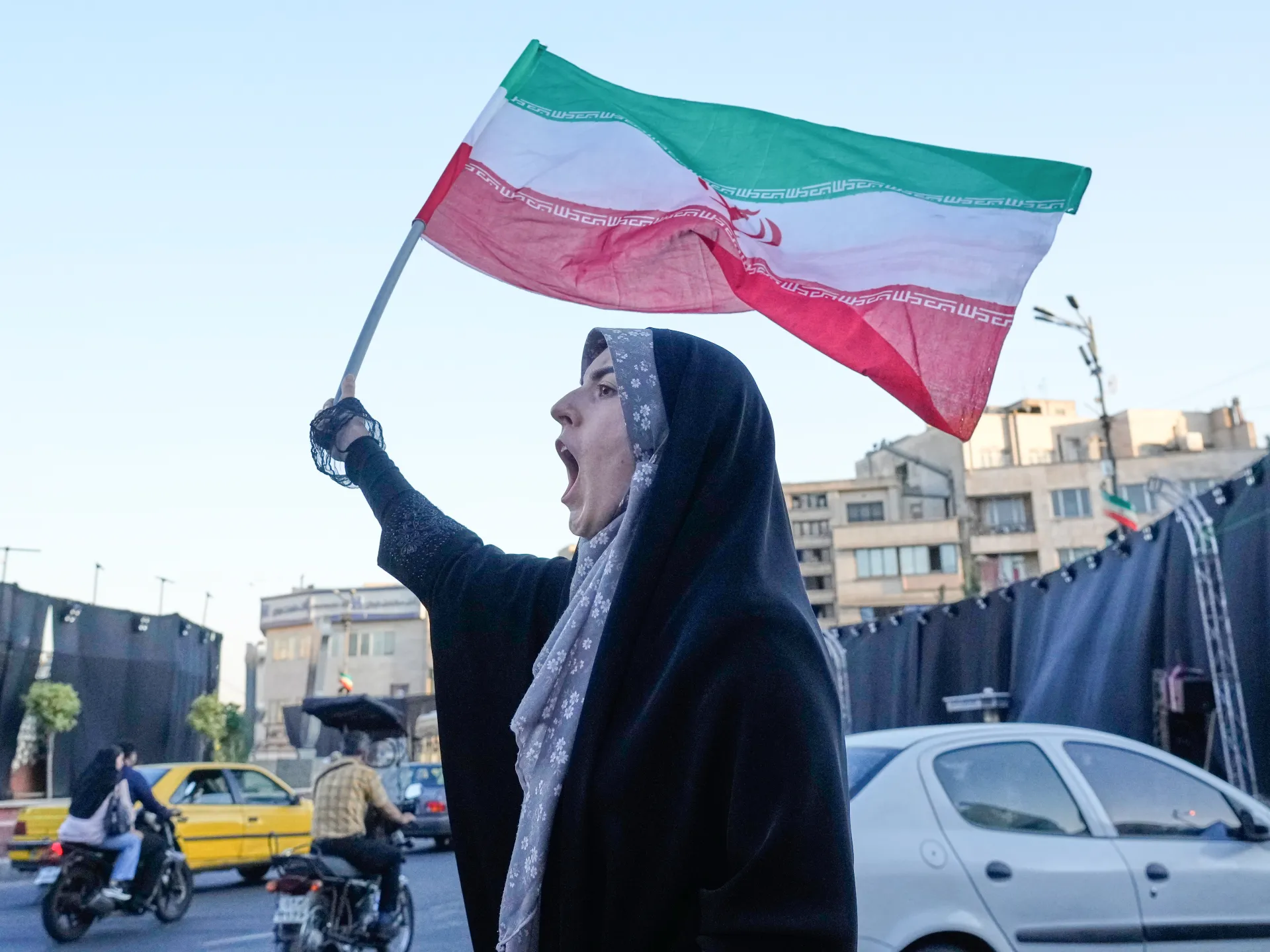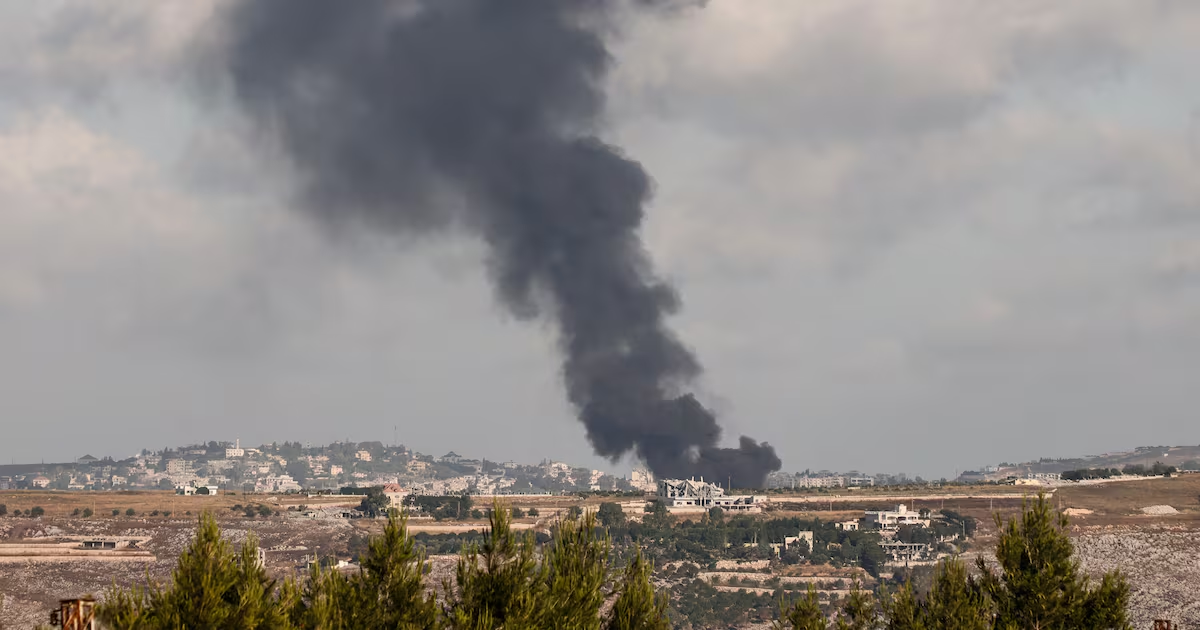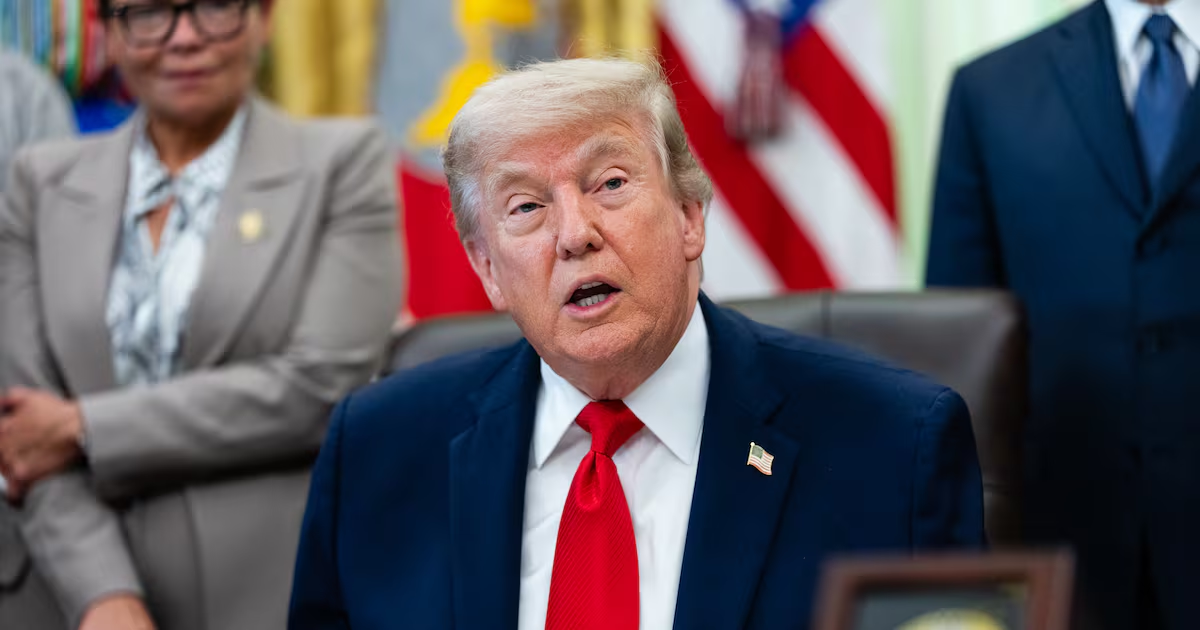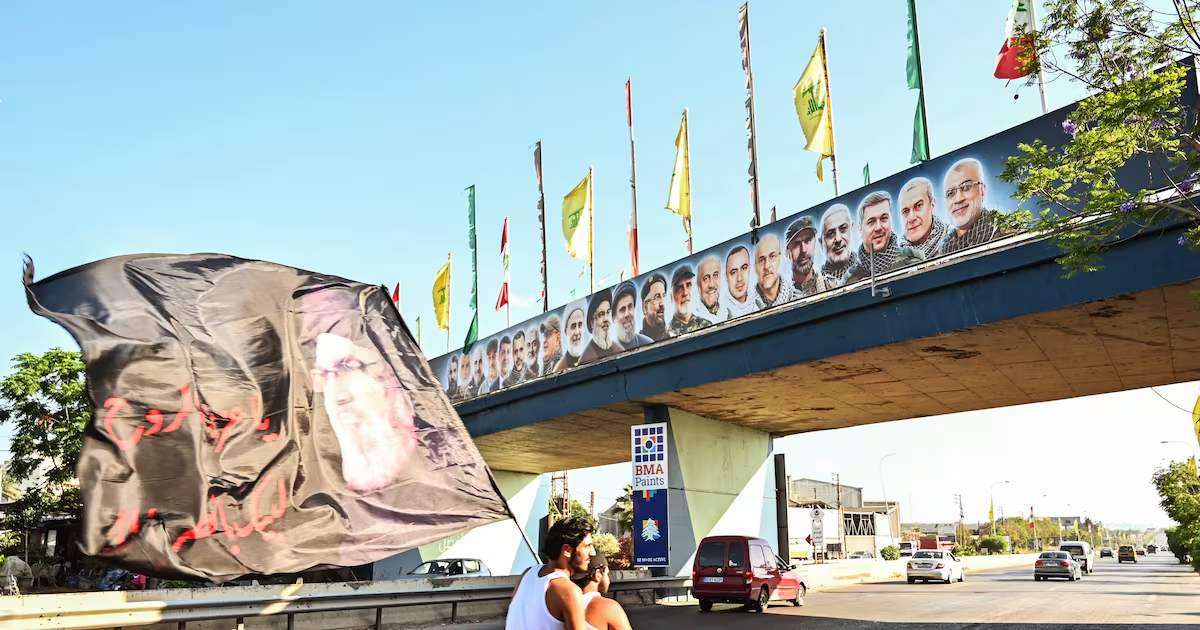
A preliminary deal to end hostilities announced by the United States and Iran caused stock markets to surge and oil prices to sink as it raised hopes that shipping could resume in the Strait of Hormuz.Accounts from the two sides about what the deal contains differ and no text has been published, but both Washington and Tehran have said an agreement would be officially signed on Friday. The US has said this will take place in Geneva in Switzerland.US president Donald Trump made bullish claims about the deal on his arrival at a G7 summit in France on Monday evening, saying it was already “all signed” and that the strait would be “completely opened” on Friday with no tolls.“They’re doing a little hunting for a couple of mines that they’ve already found,” he told reporters as he met with French president Emmanuel Macron.“We got on very well with Iran, it’s a different set of leaders,” Trump continued, welcoming the drop in oil prices as “getting close to the numbers we were before it all started”.Iran has depicted the deal differently, as a preliminary accord to end hostilities that if implemented would allow for negotiations to continue towards concluding a definitive peace agreement.A statement from Iran’s Supreme National Security Council published by the country’s semi-official news agency said that the two sides had reached a “memorandum of understanding regarding the end-of-war negotiations”.It stated that the deal stipulated that all hostilities would end, including the US naval blockade on Iran and Israeli operations in Lebanon, where Israel has been conducting an intensive bombing campaign in pursuit of Iran ally Hizbullah. A man rides a motorcycle past a destroyed building following an Israeli strike in the village of Kfar Reman, southern Lebanon, on Monday. Photograph: Wael Hamzeh/EPA All further talks are suspended until what has been agreed so far is implemented, the Iranian news agency reported, and if all commitments are carried out then talks for a definitive peace deal can resume.A spokesman for Iran’s foreign ministry later told press that “Lebanon” appears three times in the text and that an end to Israeli hostilities in the country is an integral part of the deal.Underlining the apparent fragility of the agreement, Israel attacked a car with a drone strike in southern Lebanon after the deal was announced. [ Israeli drone kills one person in southern Lebanon as UN-Iran deal eases fightingOpens in new window ]Defence minister Israel Katz said Israeli forces would not withdraw from a large swathe of Lebanese territory they have seized and would remain there “indefinitely” to counter perceived threats.Israel has not been directly involved in negotiations, but Tel Aviv has pushed against the inclusion of Lebanon as part of the deal and its announcement was met with political uproar in Israel as a great diplomatic failure.A US official said that the deal would “not be a one-way ceasefire”, meaning that Israel could respond if attacked.It has been expected that sensitive topics and details of a definitive peace deal, including the future of Iran’s nuclear programme, would be left for further negotiations to be held over a 60-day period of ceasefire.Trump claimed on Monday that Iran had “fully agreed” to not having a nuclear weapon “with strong policing powers”, though there was no confirmation of this from the Iranian side. Iran has always denied any intention to build a nuclear weapon.A joint statement urging the two sides to continue talks was issued by the Australia, Canada, Cyprus, France, Germany, Greece, Italy, Japan, United Kingdom as leaders of major world economies prepared to gather in Évian-les-Bains for the G7.“It is now vital that the detailed negotiations are concluded,” it read. “We will work intensively with the US, Iran and regional partners to seize this moment, maintain momentum and achieve a long-term diplomatic settlement.”
US and Iran agree tentative peace deal but Israel says it will not withdraw from Lebanon
Deal would ‘not be a one-way ceasefire’, Us official says, meaning that Israel could respond if attacked
632 words~3 min read