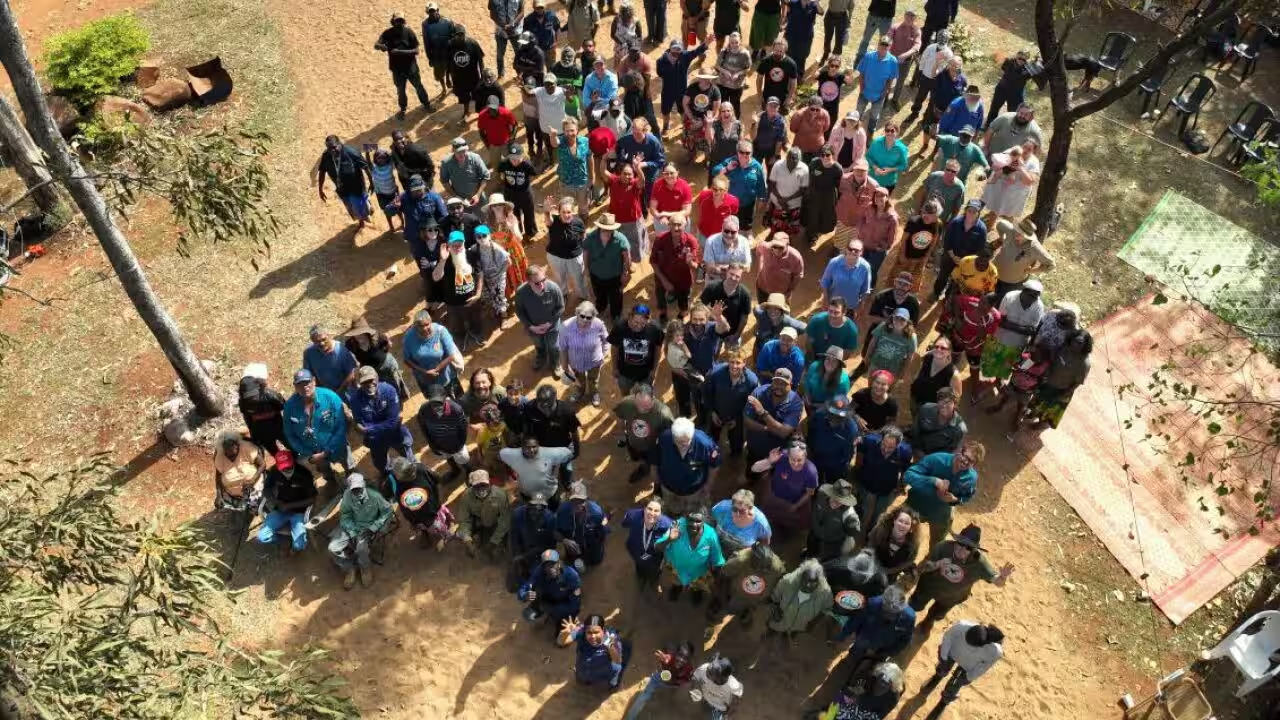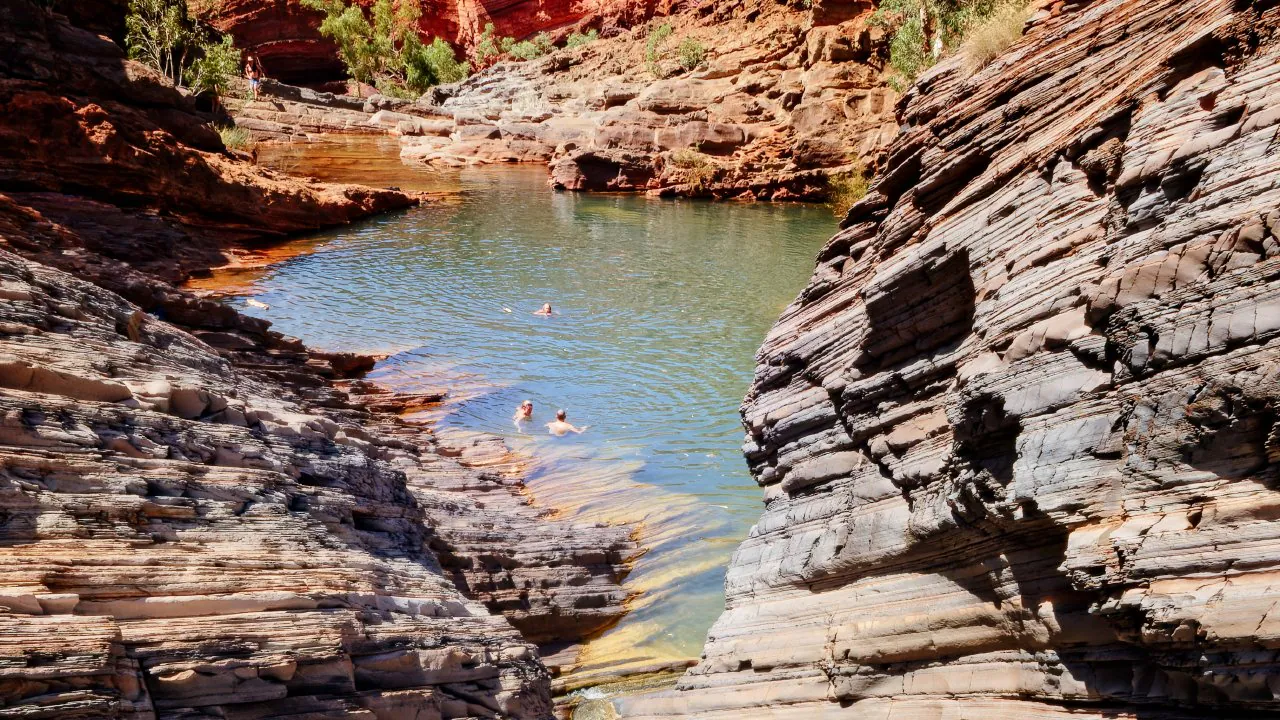
The Kimberley region of northwestern Australia is a biodiversity hotspot and ancestral home of the Karajarri people, who recently dedicated Karajarri Jurarr Ngurra, Australia’s first “Sea Country” Indigenous Protected Area (IPA), covering around 237,000 hectares (587,000 acres) of marine and coastal ecosystems.Proponents of IPAs say they can empower Indigenous Australians as decision-makers in land management, combining traditional ecological knowledge with conservation goals.IPAs now account for 54% of Australia’s progress toward protecting 30% of its territory by 2030.While research shows every $1 invested in IPAs yields up to $3.40 in social, economic and environmental returns, advocates stress that Indigenous communities still need meaningful, sustained support.
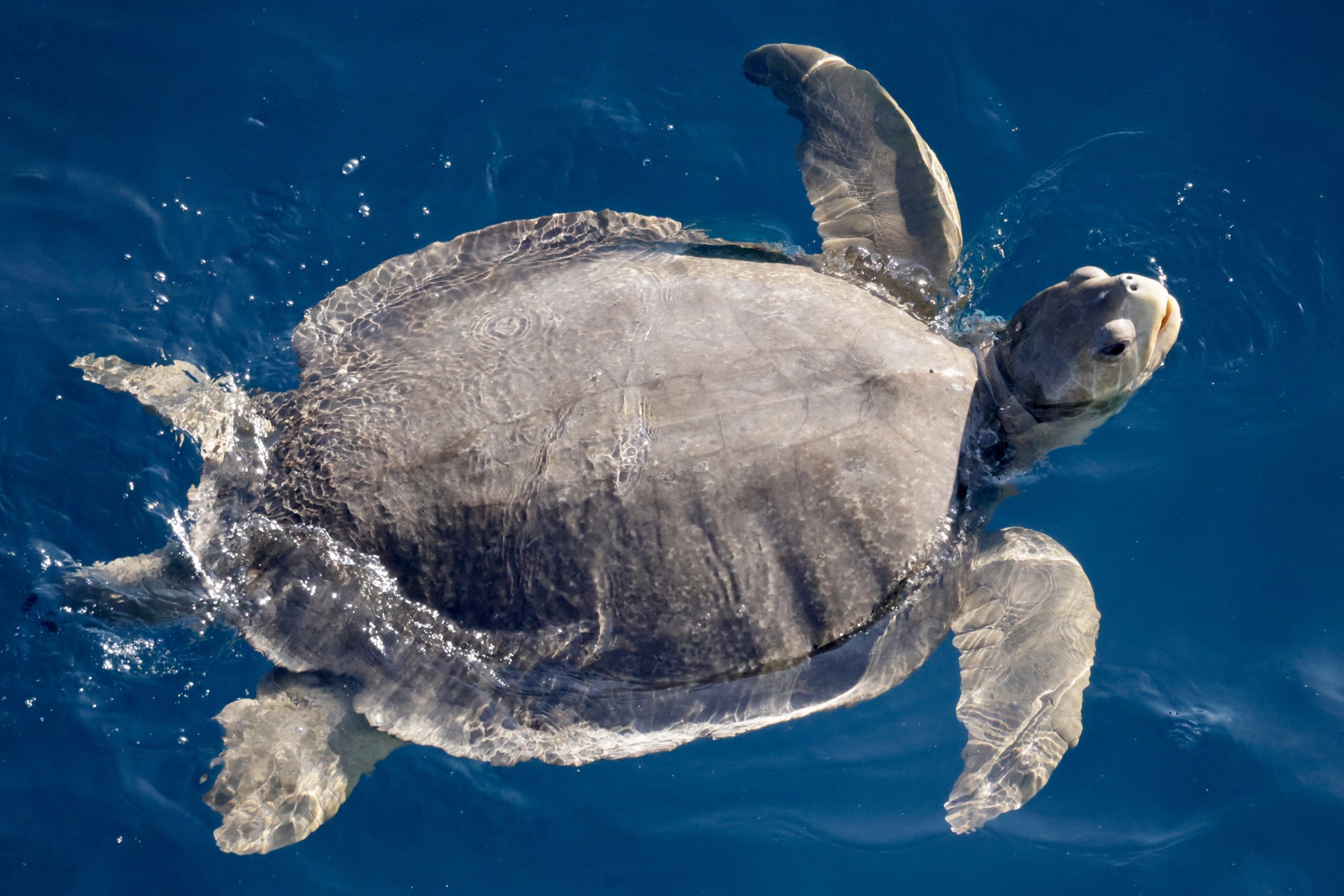
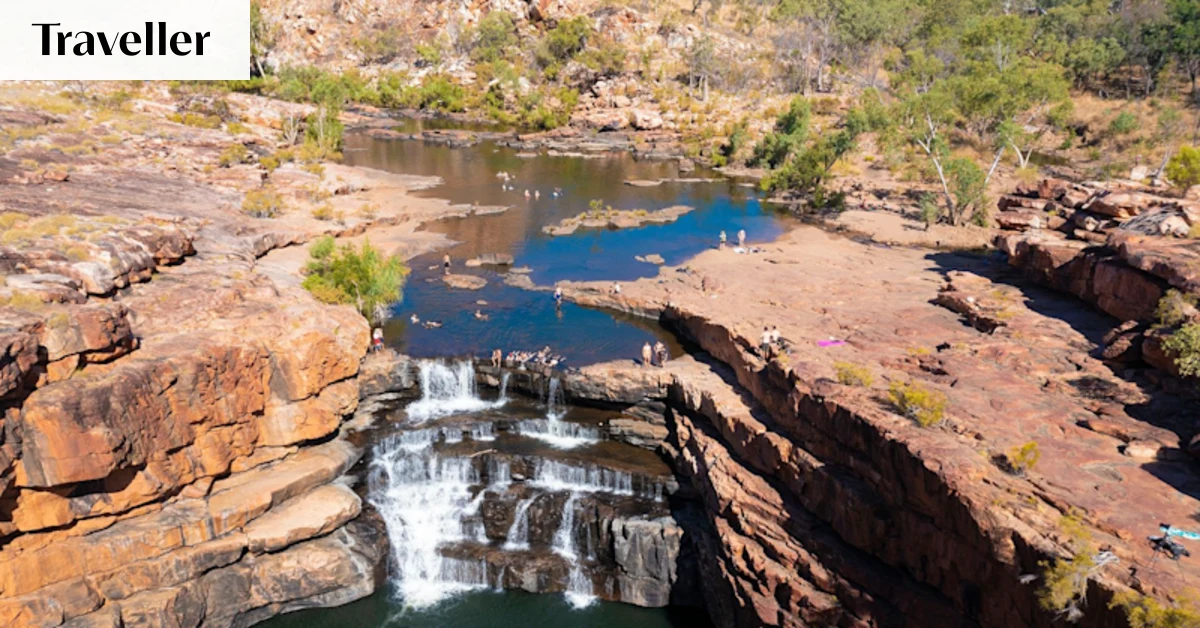
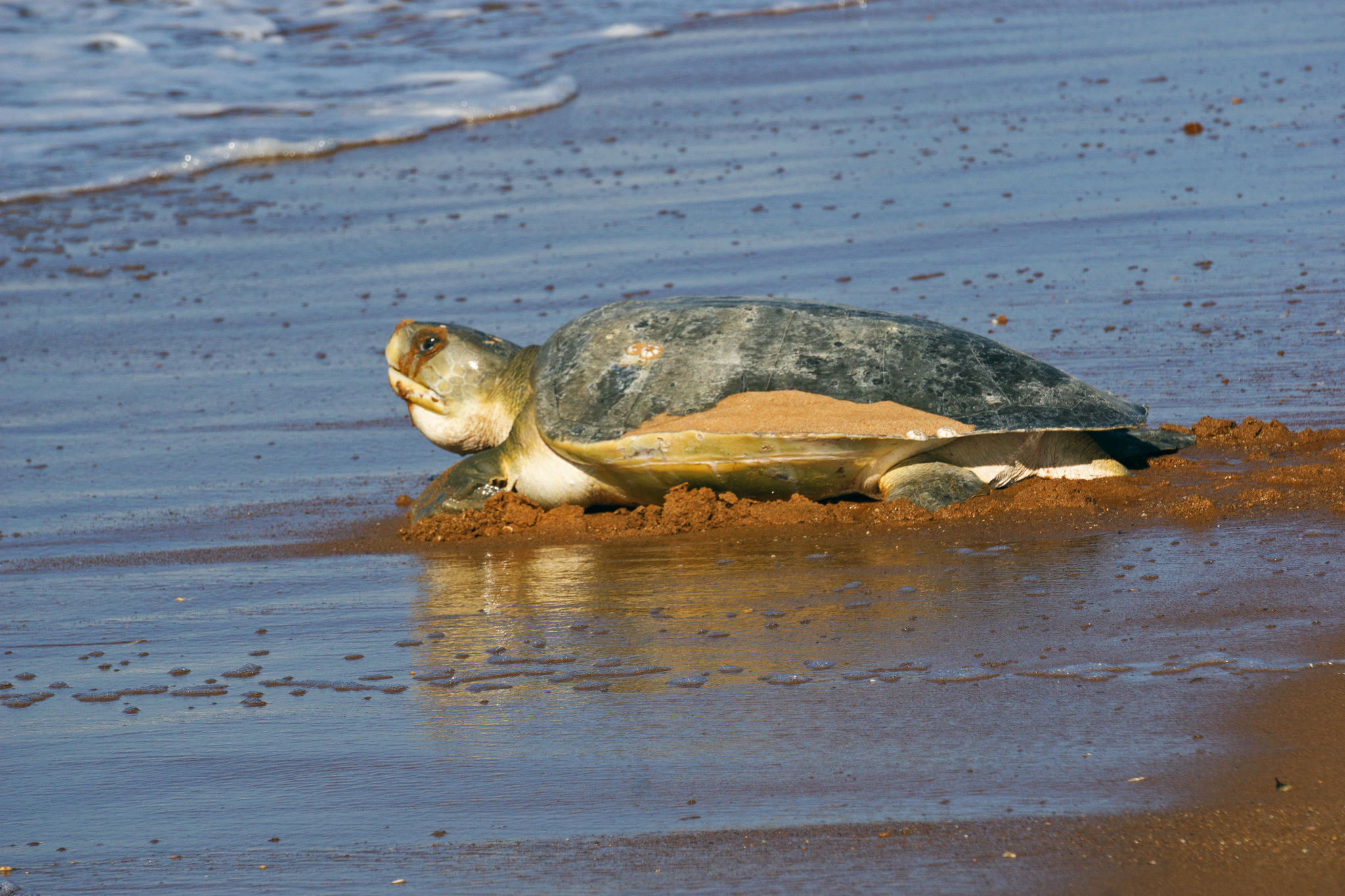
In northwestern Australia lies a remote and wildly diverse region called the Kimberley. There, the iron-red soils of the Pindan Country connect forests and the Great Sandy Desert, all bracketed by a vast stretch of Indian Ocean coastline. Its springs and wetlands host migratory birds. Offshore, sawfish, as visually striking as they are rare, ply the waters just beyond the unbroken Eighty Mile Beach, itself a nesting site for the little-known flatback turtle (Natator depressus).