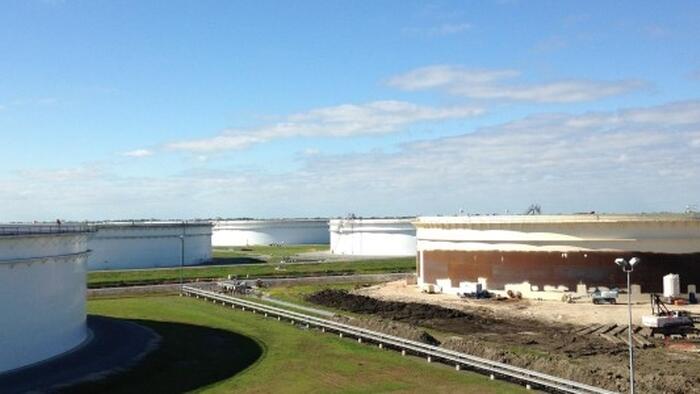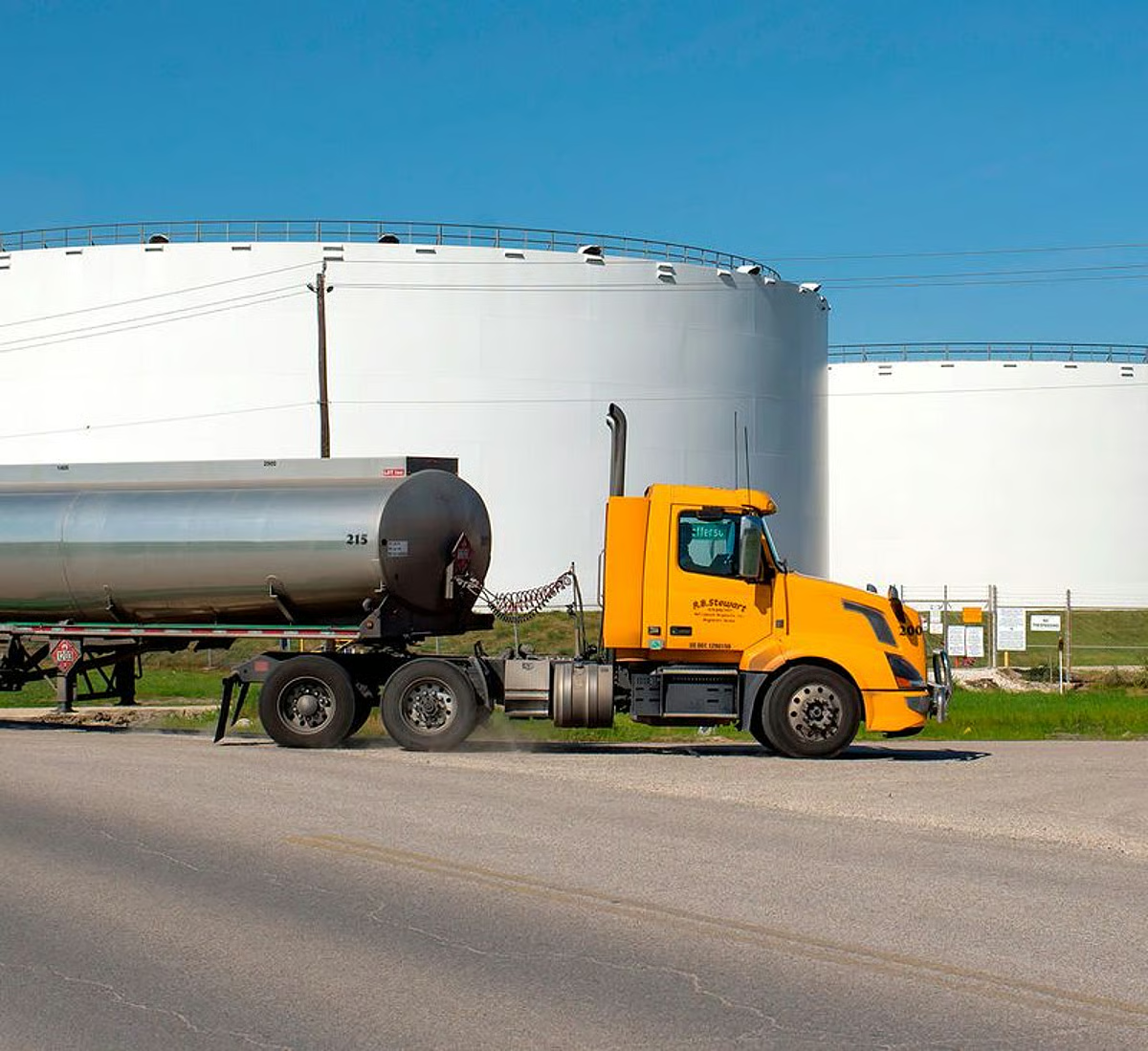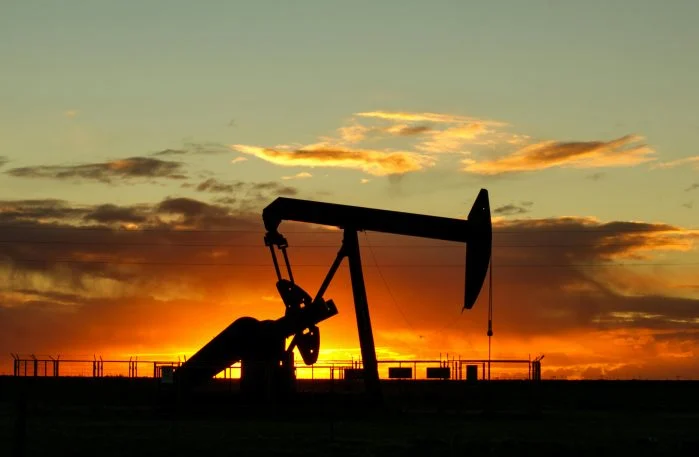
Oil exports from the U.S. and its ‘Americas’ sphere of influence continue to be the prime beneficiary from the drop in crude output leaving the Middle East. Industry figures showed dirty tanker shipments from the Americas hit an all-time high of 14.5 million barrels per day (bpd) in May, up from 13.8 million bpd in April, and a 40% increase from May 2025. Meanwhile, transits through the key Strait of Hormuz global oil route dropped 89% from February to May, with total ship movements dropping from over 3,700 to around 400. “The pattern is likely to continue even when the Strait [of Hormuz] opens up again, as it’ll take months for Middle East volumes to recover to their former levels [before the U.S./Israel-Iran conflict], and some key sites will take several years to do so,” a senior source who works closely with the European Union’s (E.U.) energy security complex exclusively told OilPrice.com last week. “Meanwhile, the U.S. has ramped up its own [oil] production to record levels and is helping countries in the Americas -- Venezuela, Argentina, and Brazil, mainly -- to do the same,” he added. “It marks a long-term shift in the centre of the world’s global oil and gas gravity,” he underlined.This is precisely what U.S. President Donald Trump wanted to do from his first day in his first term as president, given his extreme dislike of OPEC’s use of its cartel powers over the years against the core interests of Washington and its allies, as analysed in full in my latest book on the new global oil market order. This was first notably seen in the 1973 Oil Crisis in which Saudi Arabia rallied fellow OPEC members into imposing an oil embargo on the U.S. and its allies following their support for Israel in the Yom Kippur War. By the end of the embargo in March 1974, the price of oil had risen from around US$3 per barrel to nearly US$11 per barrel, which stoked the fire of a global economic slowdown, especially felt in the West. Then-Saudi Minister of Oil and Mineral Reserves, Sheikh Ahmed Zaki Yamani, highlighted that this marked a fundamental shift in the world balance of power between the developing nations that produced oil and the developed industrial nations that consumed it. However, with the rise of U.S. shale oil production from around 2010, and OPEC’s attempt to destroy the nascent sector through an Oil Price War from 2014-2016 failing catastrophically, Trump has wanted to critically undermine the cartel’s ability to damage U.S. and allied interests ever since. Indeed, in the subsequent 2020 Oil Price War involving OPEC and started by Saudi Arabia for the same reason as in 2014, Trump expedited progress of the ‘No Oil Producing and Exporting Cartels Act’ (NOPEC), which would open the way for sovereign governments to be sued for predatory pricing and failure to comply with the U.S.’s antitrust laws. It could also break up Saudi Arabian oil supergiant Aramco -- the mainstay of the Kingdom’s existing economic and political systems -- into constituent parts, effectively destroying it. Instead, as delineated in the U.S.’s ‘2025 National Security Strategy’, Trump wants the world’s geopolitical system split into three geographical spheres, dominated by a major power in each. China would hold the primary role in Asia, while Russia would either dominate or significantly influence Europe, depending on how any future conflict between European NATO members and Moscow unfolds. But, at the top, the U.S. would maintain overall dominance and exert direct influence across the Americas (North and South America). Naturally, as energy underpins the economies -- and thus politics -- of every country in the world, shifting the centre of dominance in global energy supplies to the Americas is a core part of that aim. The U.S. is playing its part toward that, pumping oil at record highs, around a baseline of 13.6 million bpd, with plans for more down the line. Of the other major oil-producing countries in the Americas, Venezuela is top of Washington’s development agenda, followed by Argentina and then Brazil.Following the landmark removal from power of Nicolás Maduro on 3 January by the U.S., Secretary of State Marco Rubio outlined a three-phase plan for the South American oil giant that involved stabilising the country and averting economic collapse, recovering the economy and oil sector, and encouraging an eventual political transition. These efforts have already seen a positive trajectory in oil production, with Venezuelan state oil company Petróleos de Venezuela, S.A. (PDVSA) and its foreign partners averaging 1.155 million bpd of crude production in May, compared to 1.130 million bpd in April and 940,0000 b/d in January. In April, executive vice president Jovanny Martinez, said that the country expects to produce 1.37 million bpd by the end of 2026. There is plenty of scope to do so, as Venezuela still holds the world’s largest proven crude reserves -- roughly 303 billion barrels, or about 17% of the global total -- and of its 14 supergiant oil fields, 11 retain more than half of their original reserves. Most of this is extra-heavy crude oil from the Orinoco Belt that requires more technical expertise to handle than lighter grades but is cheaper to lift and often more profitable to process. With those bottlenecks being addressed, it could again produce millions of barrels per day of cheap-to-lift crude, even if downstream handling remained costly. In fact, as recently as 2008, Venezuela was producing around 3 million bpd of crude oil.One level down in Trump’s list of energy development priorities is Argentina, with Washington having provided a US$20 billion lifeline to the country in October 2025. This was explicitly intended to support President Javier Milei’s pro-market reforms and stabilise the economy for foreign investment. The ‘Reciprocal Trade and Investment Agreement’, which fast-tracks U.S. investment in strategic sectors, including energy and critical minerals, was then signed on 4 February this year. Against this backdrop, several U.S. companies are increasing their oil and gas investment there, particularly in the Vaca Muerta shale formation, which is now being referred to as another Permian Basin due to its scale. Continental Resources recently purchased non-operating interests in four blocks in the Vaca Muerta basin to accelerate expansion, while Chevron is leaning toward making Vaca Muerta a core asset in its global portfolio. Meanwhile, Baker Hughes secured a major order in early 2026 to supply gas compression units for the San Matias Pipeline, supporting gas transport from Vaca Muerta. Overall, Argentina is on track to reach 1 million bpd of oil this year, up 26% from 2025.That said, Brazil is now producing a record-breaking 4 million bpd and over of crude oil, and including natural gas, total hydrocarbon output has hit a new record of 5.3 million barrels of oil equivalent per day (boe/d). Industry forecasts are that it may well become one of the world’s top five oil producers by 2030, supported by extensive investment plans from Petrobras and foreign oil companies. These include supermajors from the U.S., focusing now on high-impact exploration and deepwater production rather than the maturing fields. Last October, for example, ExxonMobil achieved its first-ever upstream production in Brazil at the Bacalhau field, which has a capacity of 220,000 bpd. Chevron was awarded new offshore blocks alongside Petrobras and ExxonMobil last June, and Baker Hughes and Halliburton supply equipment and engineering for Petrobras’s US$109 billion five-year investment plan. Washington is cognisant not just of Brazil’s further massive oil and gas potential but also of its geopolitical importance as one of the original ‘BRIC’ (Brazil, Russia, India, China) emerging-market powerhouses, and its geographical position in the U.S.’s ‘backyard’.With China weakened economically from where it was before Covid, and Russia near economic and military collapse as the war in Ukraine drags into its fifth year, Washington may never have a better opportunity to put Trump’s new world order into place. The Americas hemisphere already accounts for 32% of global crude production and is growing every year, with new supply from the U.S. Permian Basin, offshore Guyana, Argentine shale, and increased flows from Brazil and Venezuela. U.S. Assistant Secretary of State for Economic, Energy, and Business Affairs, Caleb Orr, highlighted recently that Ecuador and El Salvador are also among the governments Washington works with “hand in glove” on security. He added that security is the “table stakes” for any productive economic relationship and the foundation of the broad-based change in the Americas. The sentiments have been underlined by National Energy Dominance Council executive director Jarrod Agen, who recently said: “The Western Hemisphere is now the leading driver of energy in the world; we are the centre of the energy world from Alaska down to Venezuela, and what we want is the crude product coming out of Alaska, coming out of Venezuela, coming into U.S. refineries, getting refined, and then exporting to the world.”By Simon Watkins for Oilprice.com
From Hormuz to Houston: The U.S. Takeover of Global Energy Flows Ramps Up | OilPrice.com
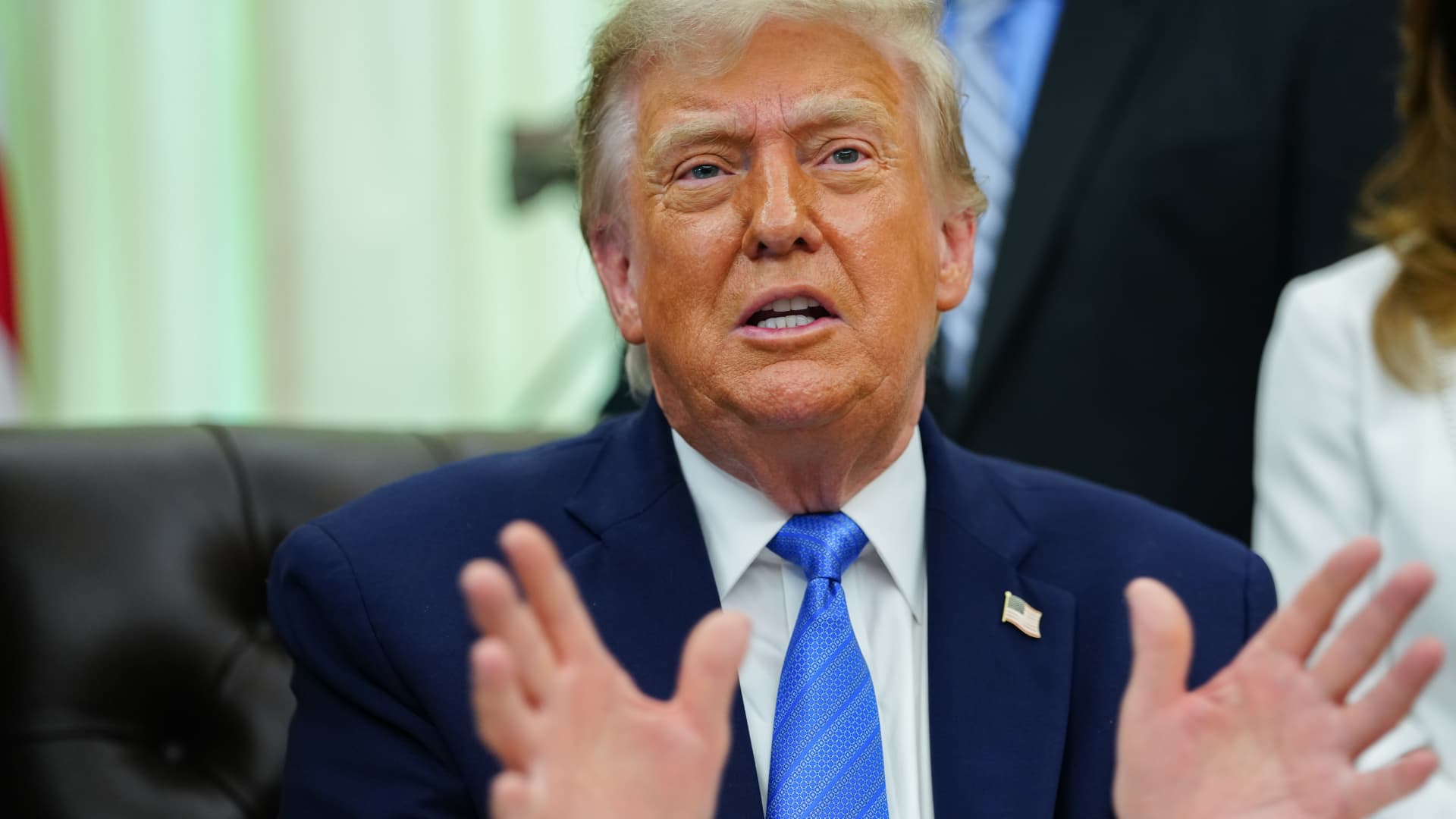
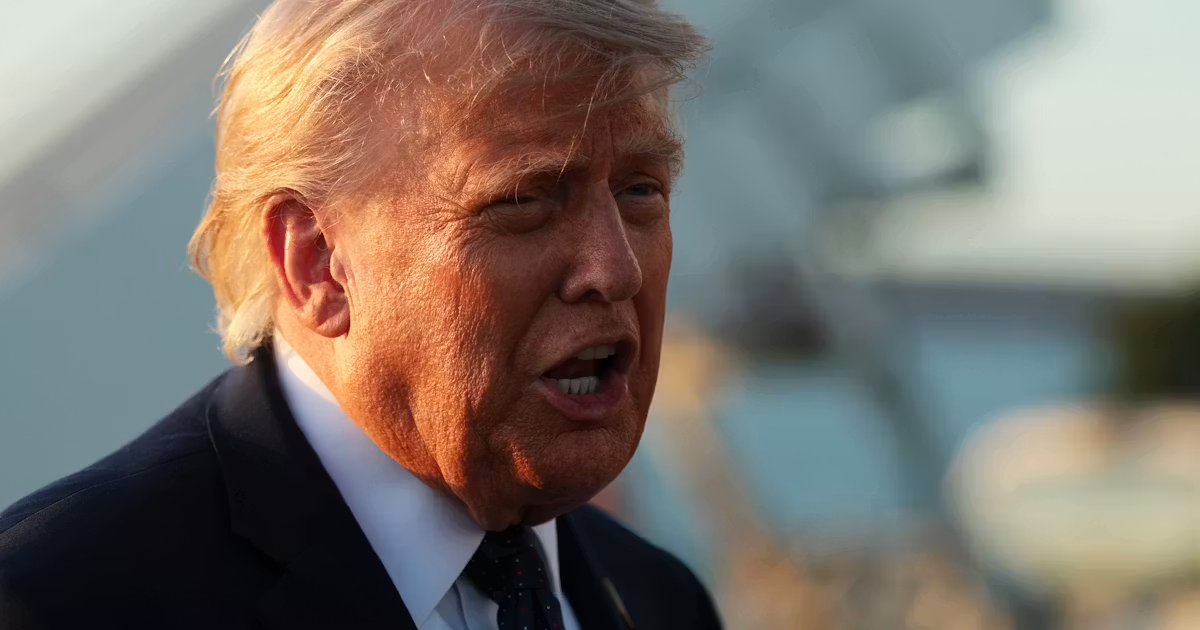
Trump’s broader energy strategy aims to weaken OPEC’s influence and cement U.S. dominance over global energy markets.
1,474 words~7 min read