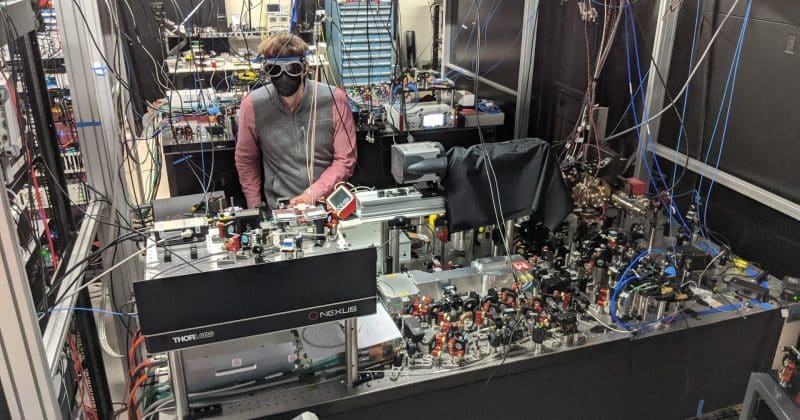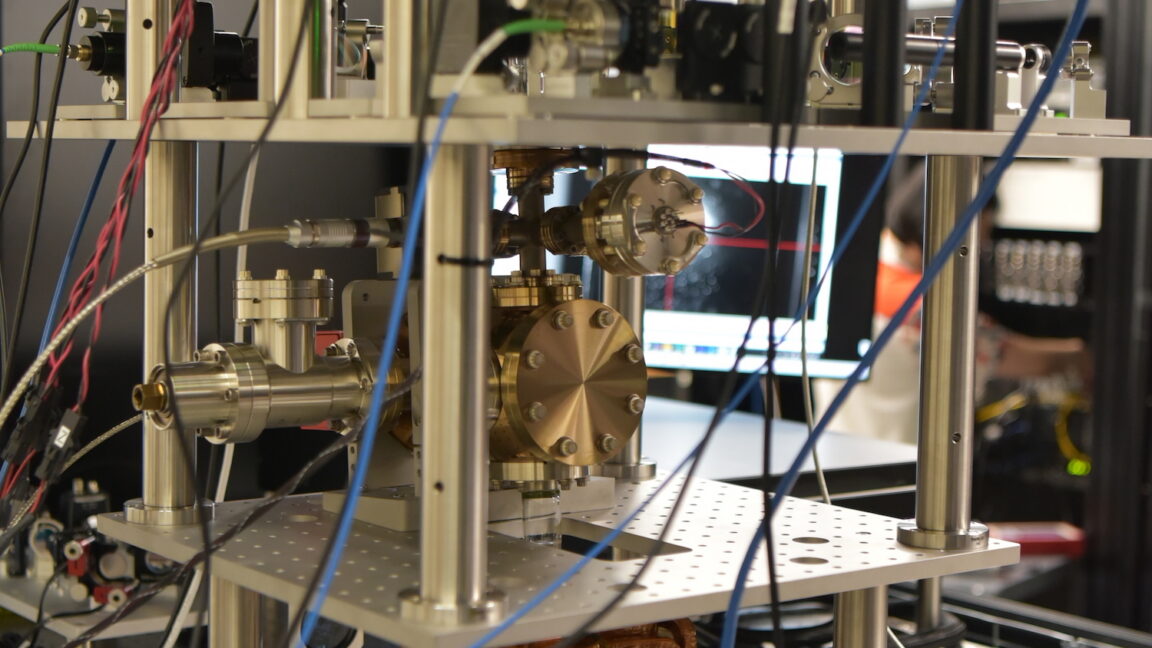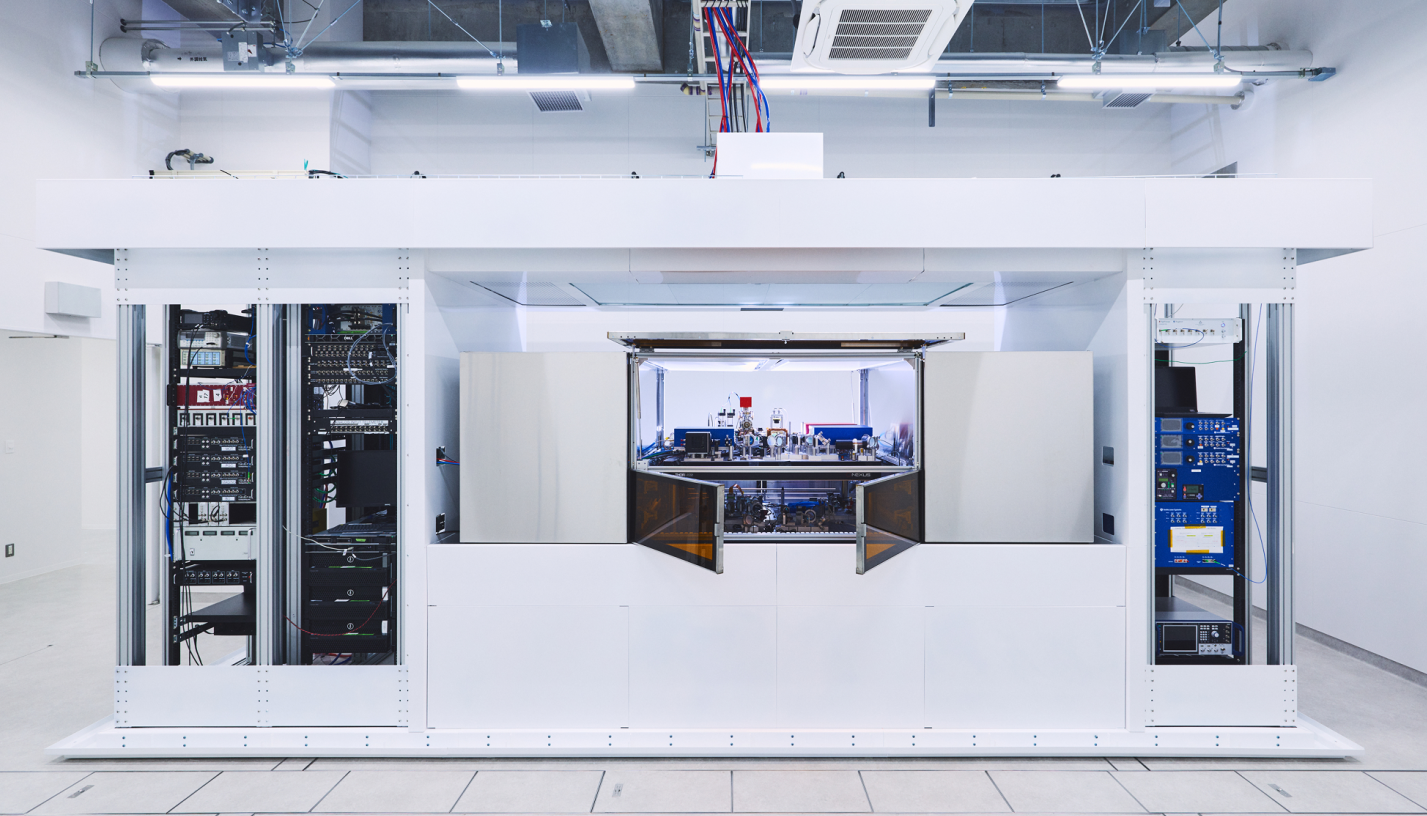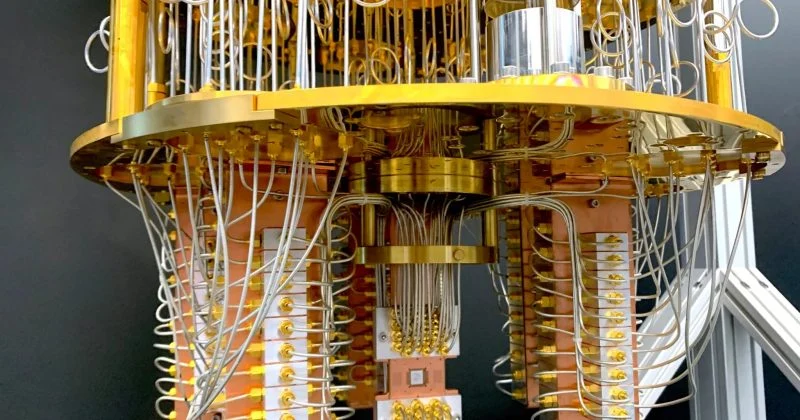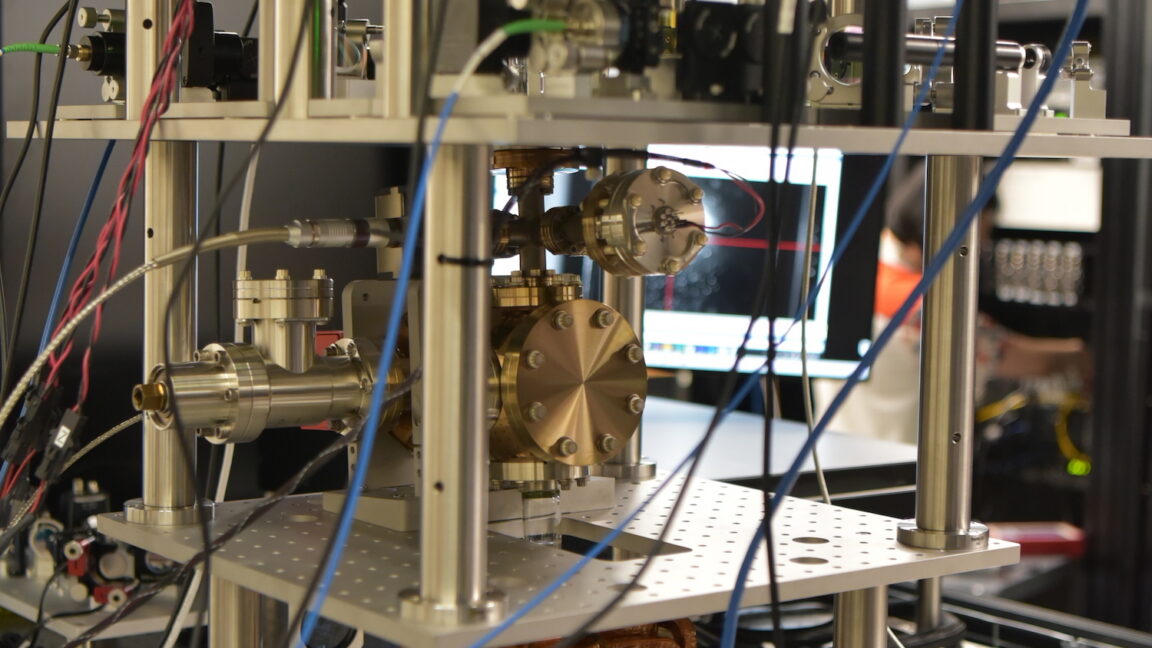
A prototype of the Libra quantum computerQuEra
Useful, error-free quantum computers could be ready in just two years, researchers at the quantum computing firm QuEra have claimed.
Quantum computing is a quickly maturing technology, and the industry surrounding it is growing rapidly. The biggest obstacle to today’s quantum computers having uses in chemistry, materials and drug development lies in how error-prone they are, which limits the complexity of computations they can run. Now, Yuval Boger at QuEra and his colleagues are confident that they will soon bypass this obstacle.
Libra, the firm’s fault-tolerant quantum computer – a computer that can catch and correct its own errors – is slated to arrive in 2028 and be available through the cloud through a collaboration with Amazon Web Services (AWS). Currently, a fully functional fault-tolerant quantum computer doesn’t exist. “Having the first fault-tolerant quantum computer will be like breaking the sound barrier,” says Boger.
The basic components of Libra, which are called qubits, will be made from extremely cold, electrically neutral atoms controlled with lasers. It will contain between 10,000 and 15,000 qubits, which will be partitioned into 256 groups called logical qubits, each of which will commit an error only once in a million times, even if individual qubits’ reliability within those groups is lower.