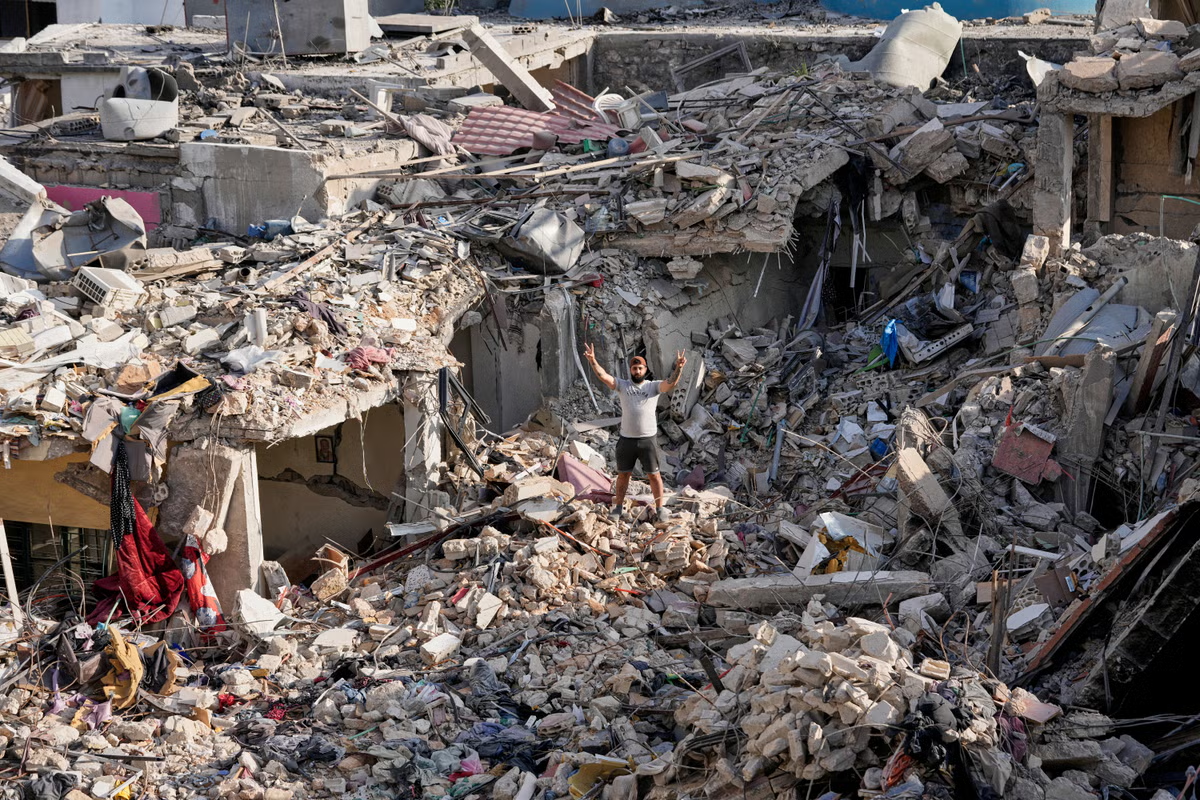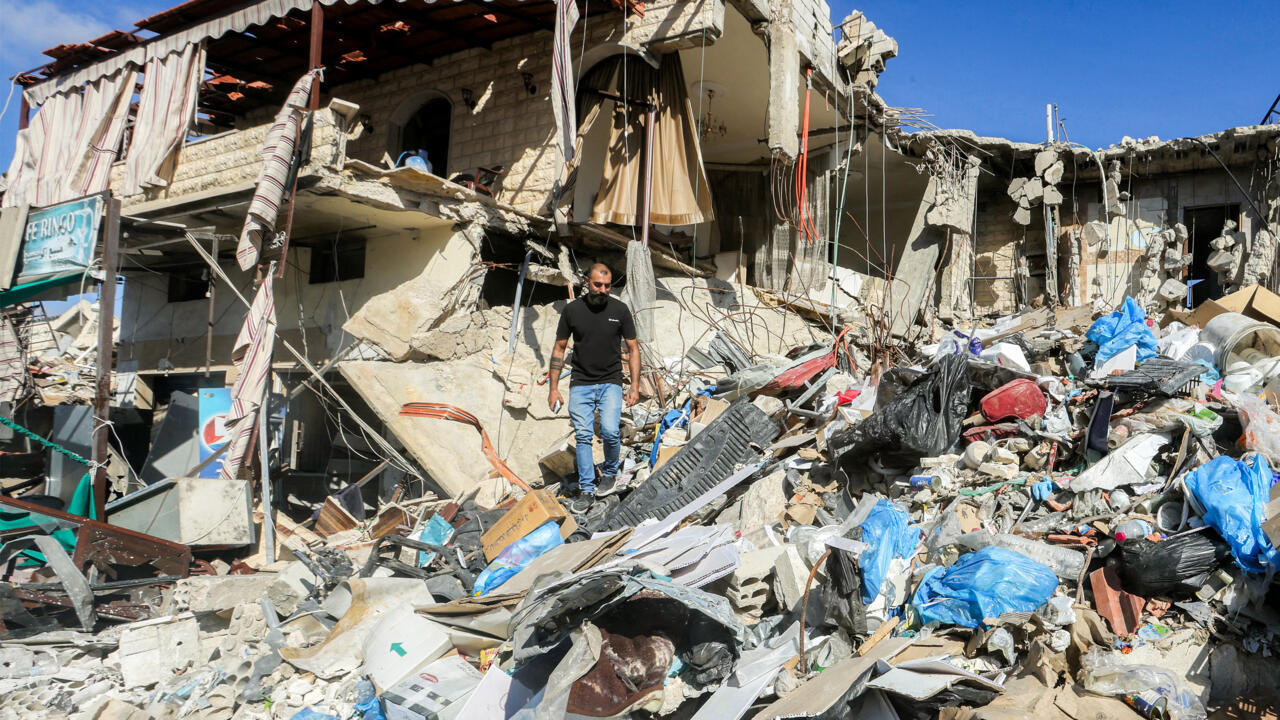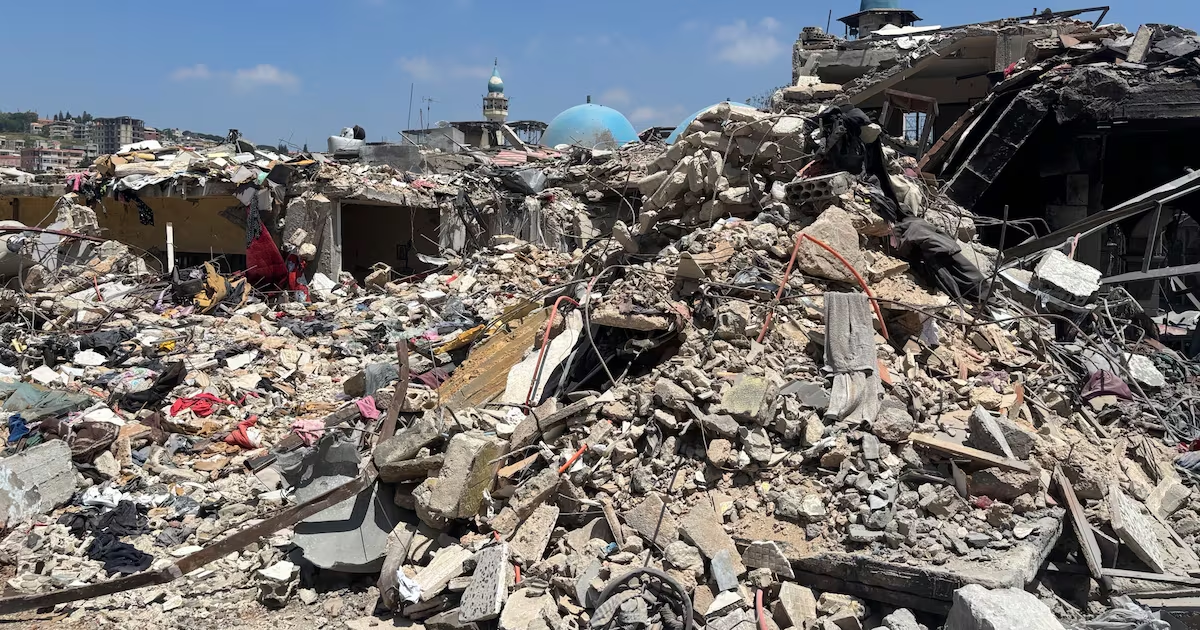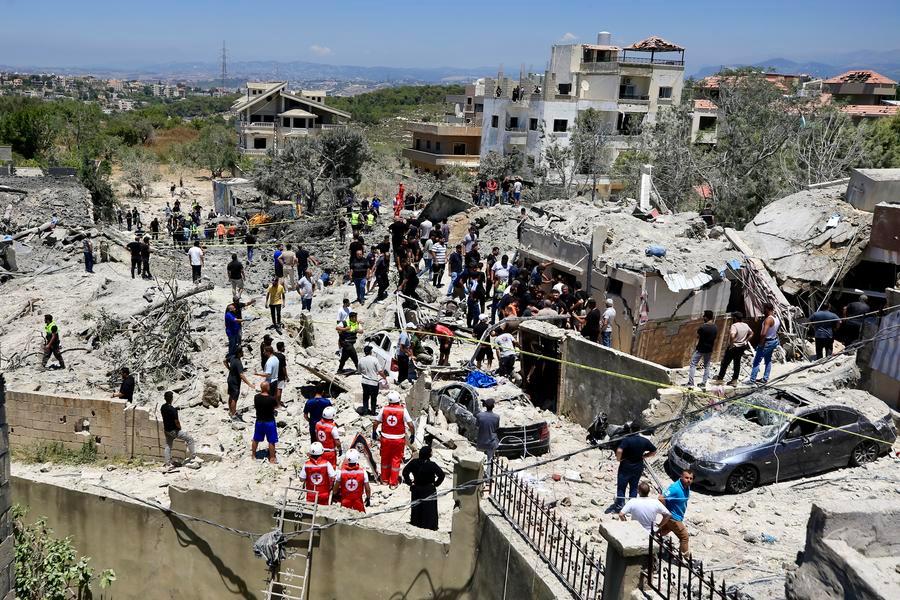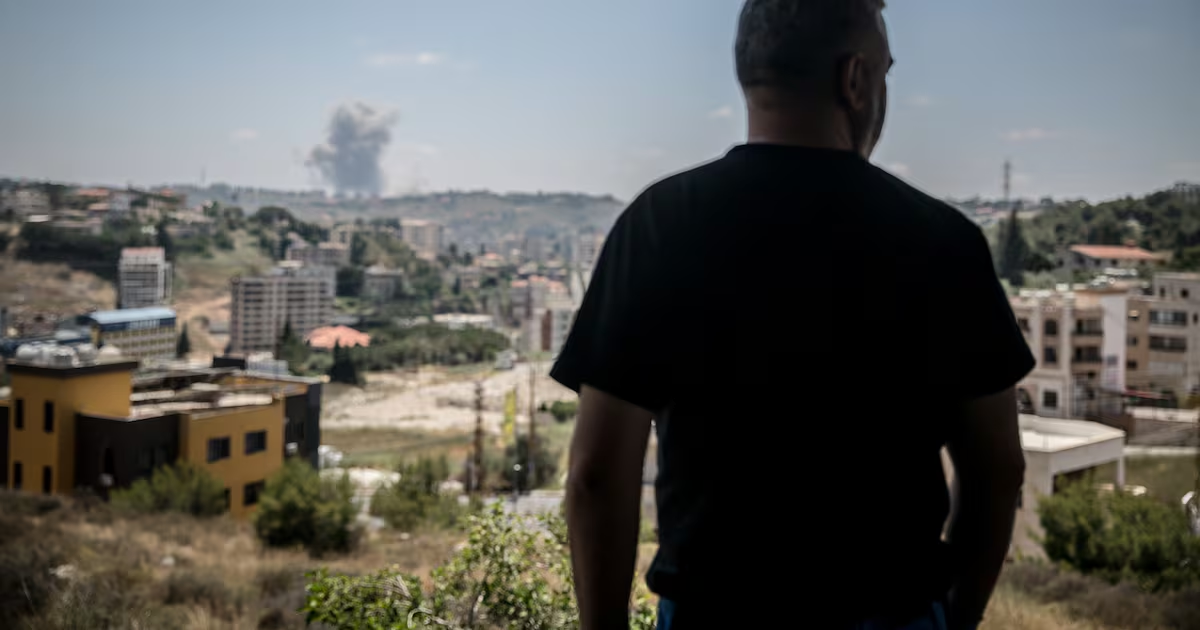
Standing in their headquarters on a hill, the paramedics of the Nabatieh Ambulance Service watched from a terrace as smoke bloomed from various locations around them.The air strikes were usually visible before the sound hit, though the gap reduced the closer the air strikes came. When one was close enough, they rushed to their ambulances; if they were far enough away, they judged that another contingent of first responders would get there earlier. The city of Nabatieh lies above the Litani River, roughly 12km from the Israeli border. It is a southern economic hub, whose residents are largely Shia Muslim, and is seen as a historic symbol of resistance by many Lebanese.Israel issued an evacuation warning for Nabatieh in late May, before an advance which saw observers speculate that its forces were attempting to surround the city. In the following days Israeli forces seized Beaufort Castle, a strategically located 12th century castle about 6km from Nabatieh. It was previously held by Israeli forces for 18 years, before their withdrawal in 2000.Smoke rises from Israeli air strikes in front of Beaufort Castle in Nabatieh, Lebanon, on June 4. Photograph: Daniel Berehulak/The New York Times
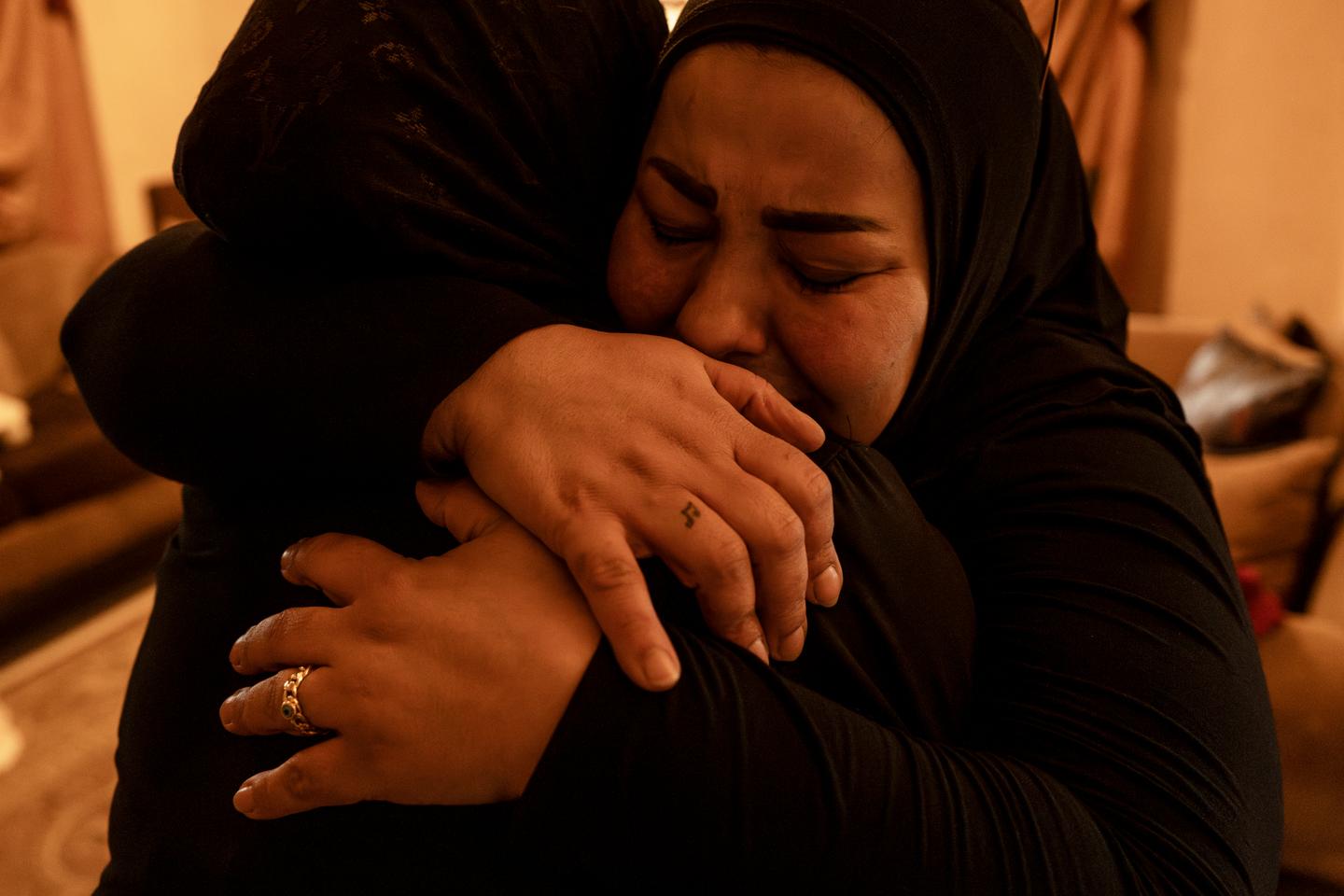
Lebanon’s displaced return as ceasefire raises uncertain hopes
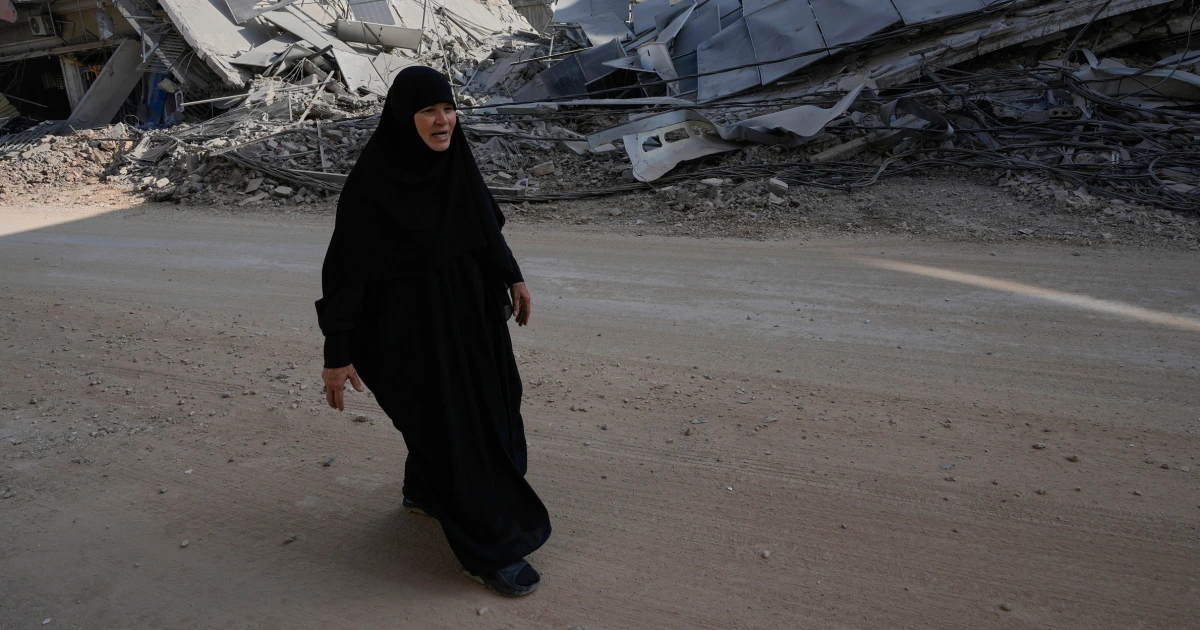
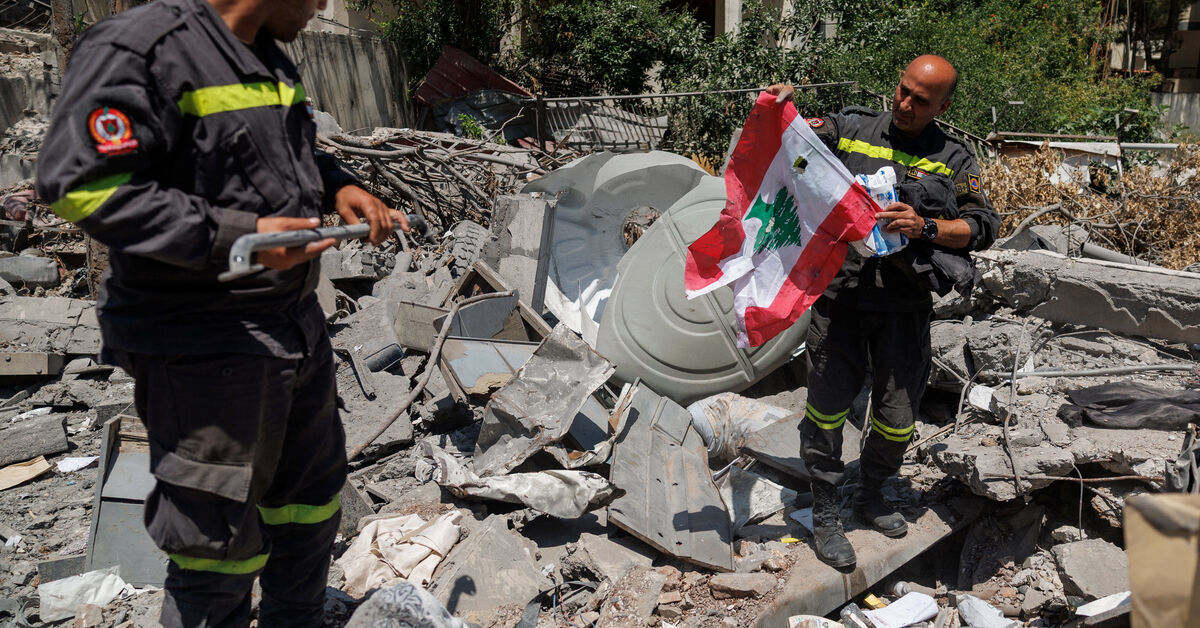
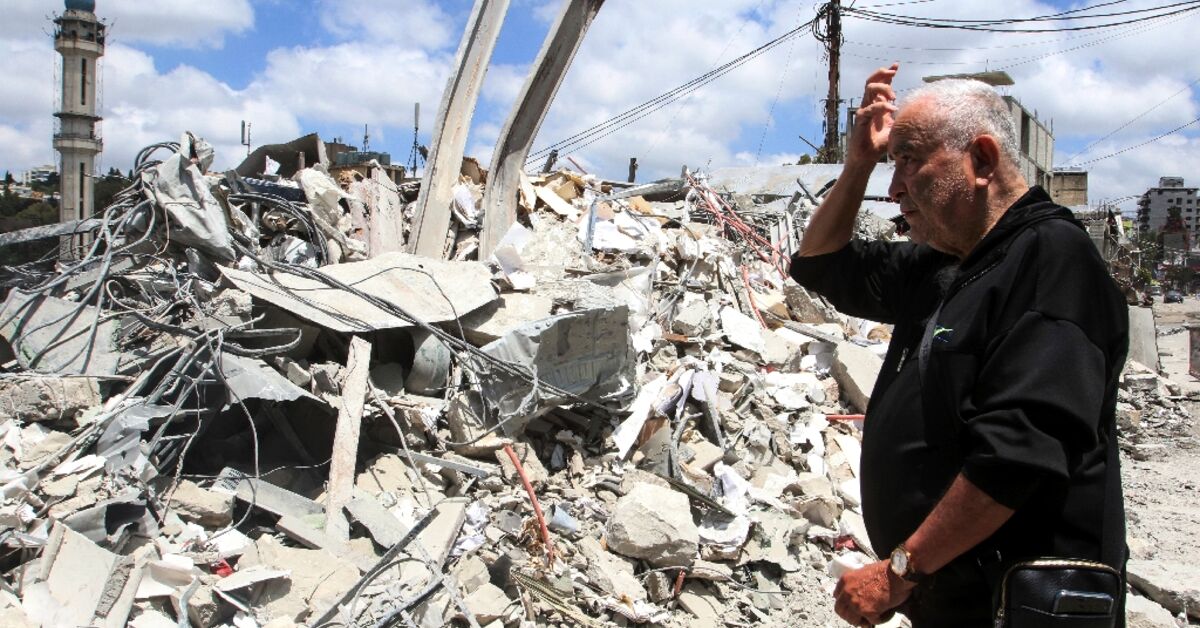
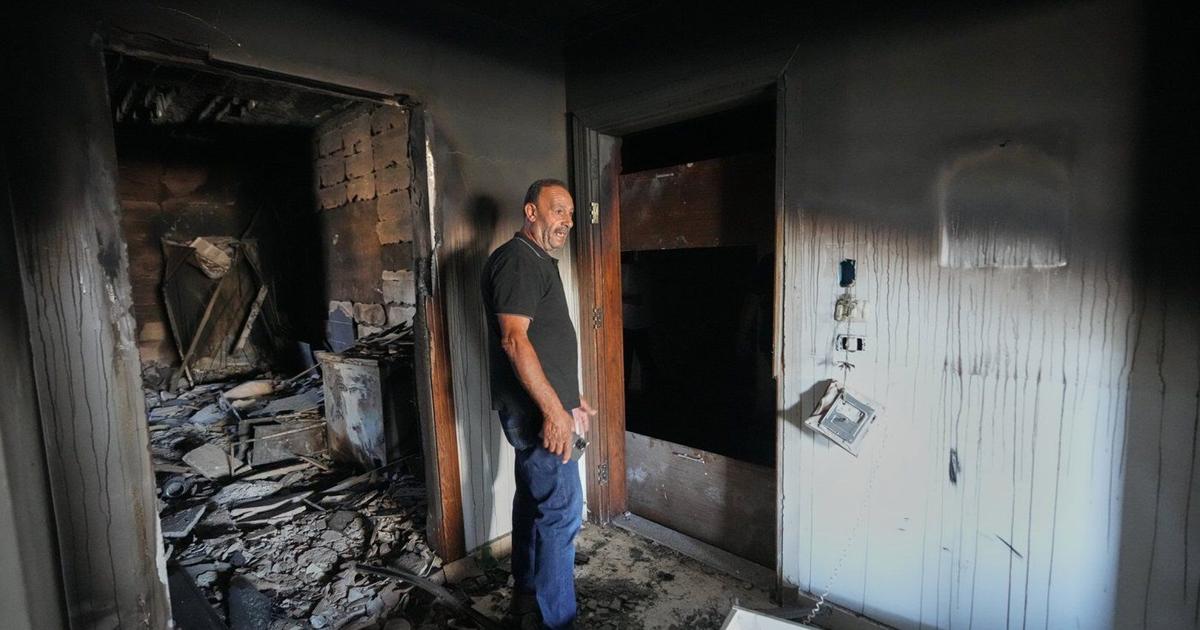
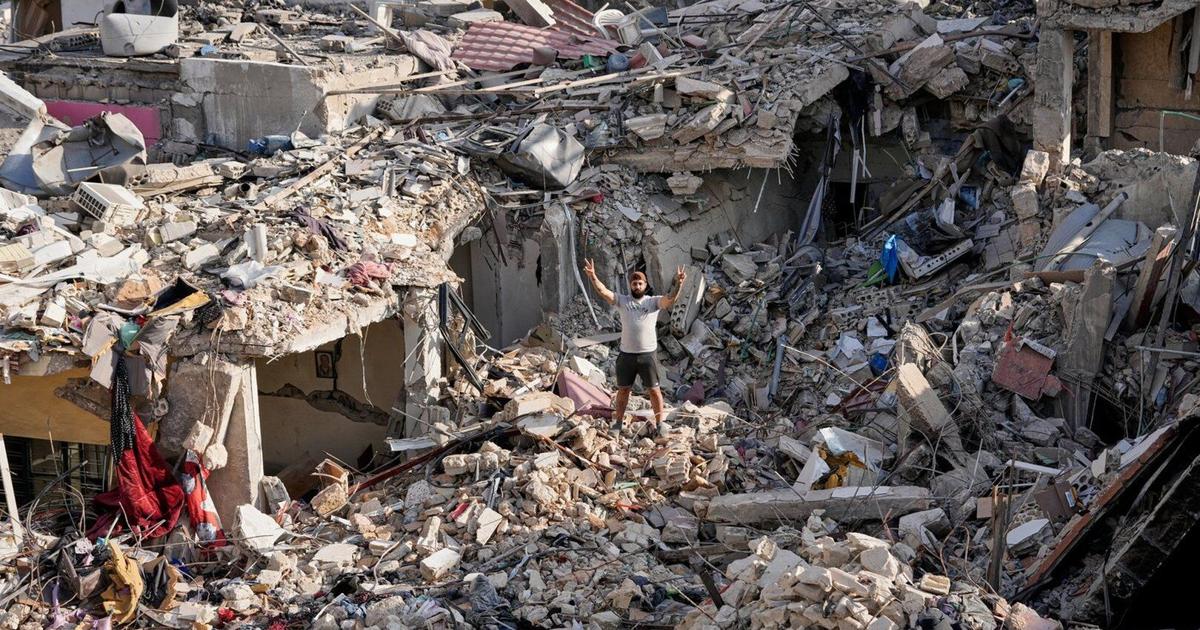
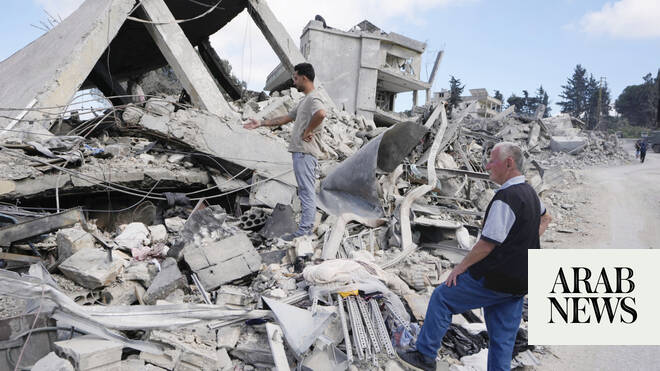
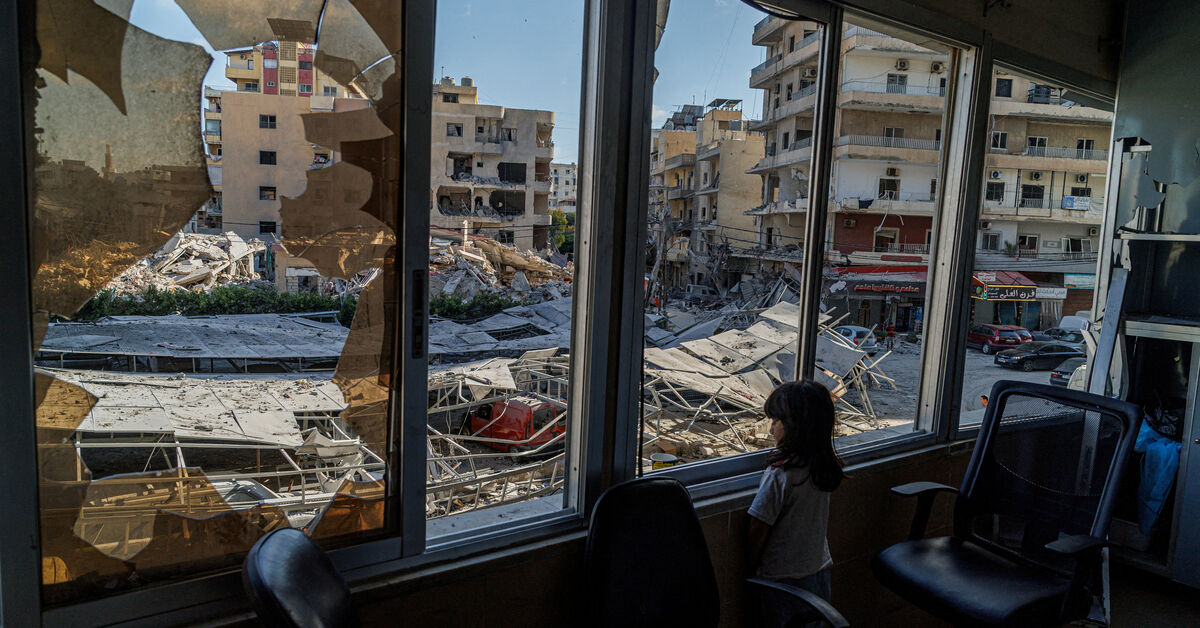
In a southern city battered by Israeli strikes, returning residents confront the reality of a devastated region
TL;DRAI
Questo articolo sulla situazione a Nabatieh non è rilevante per Warptech Tech News. È cronaca geopolitica/umanitaria, non tech, AI, business tech, o tema correlato. Rifiuto il riassunto: non appartiene alla testata. Se hai un articolo tech da riassumere (AI, startup, società tech, decisioni di stack/budget/governance), provvedo con la struttura richiesta.
1,265 words~6 min read