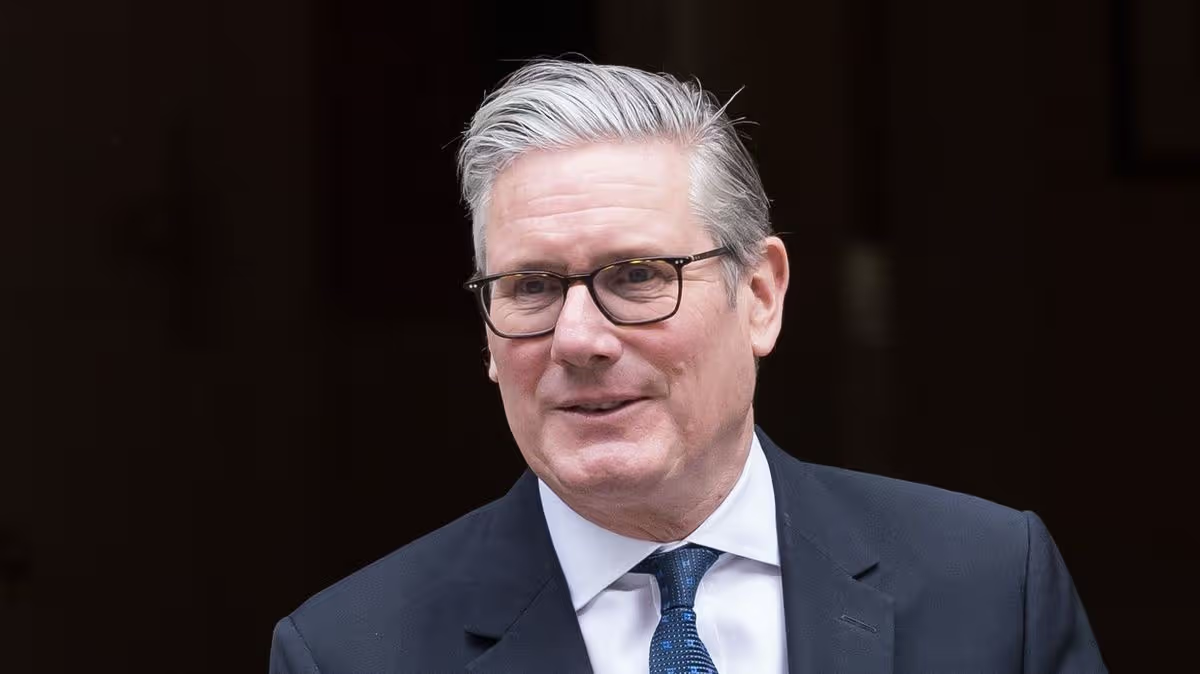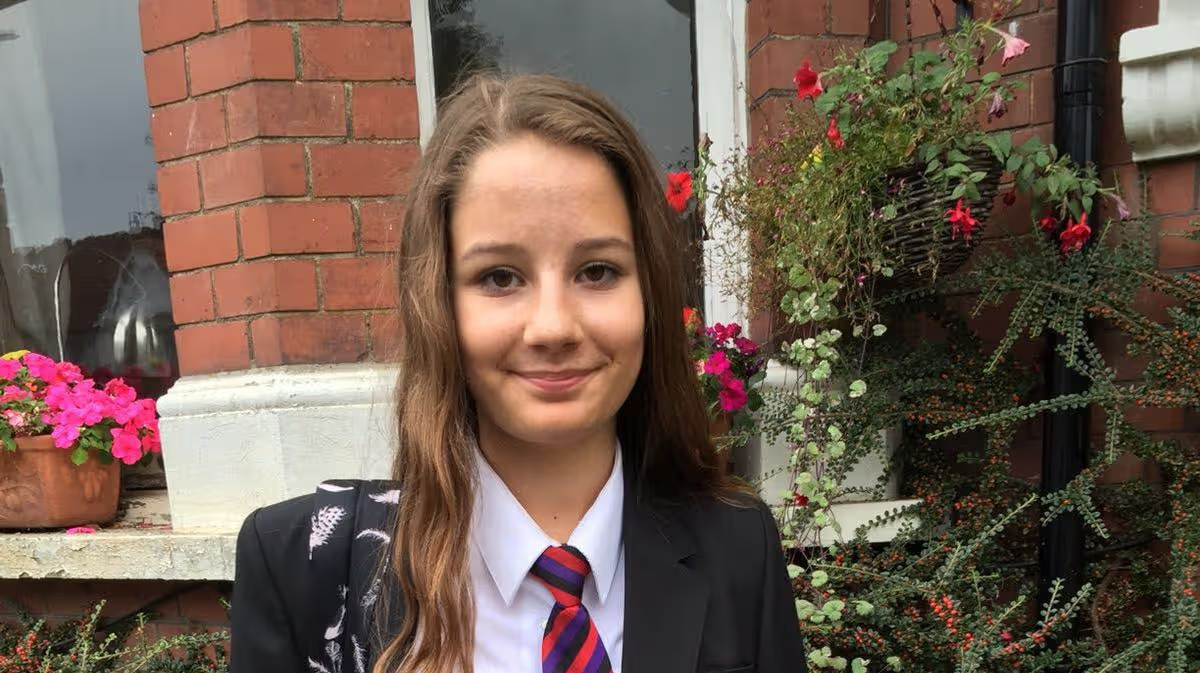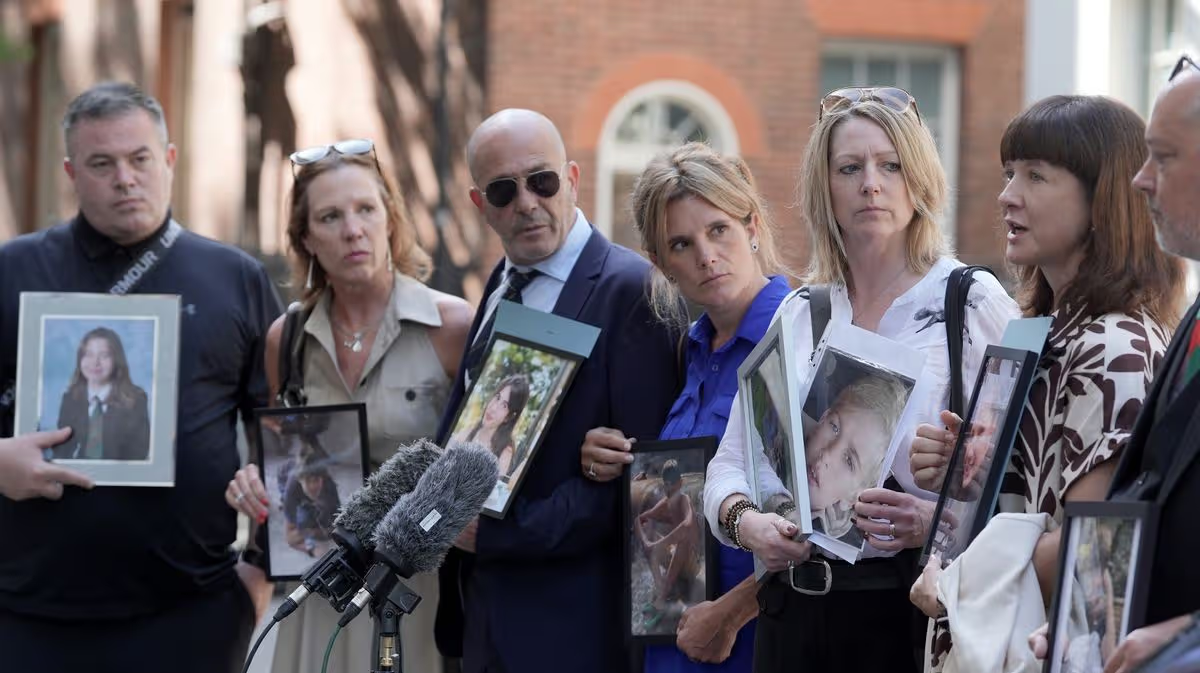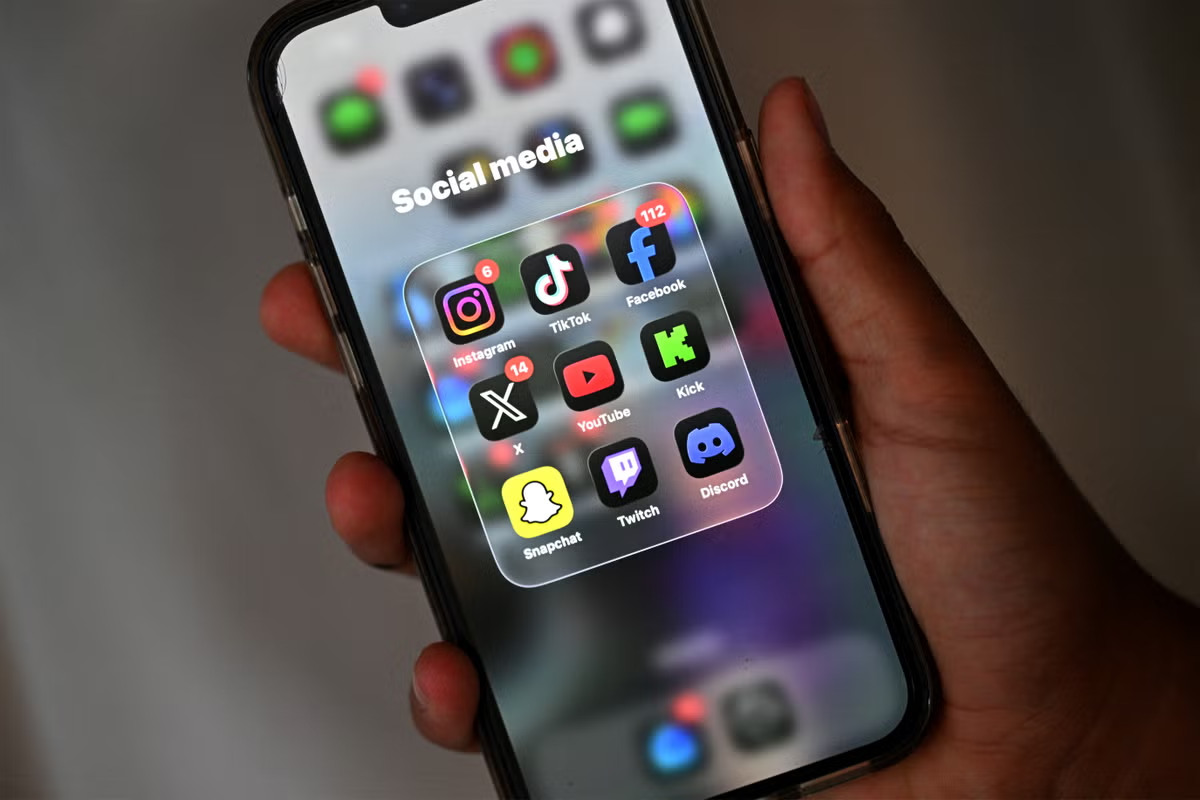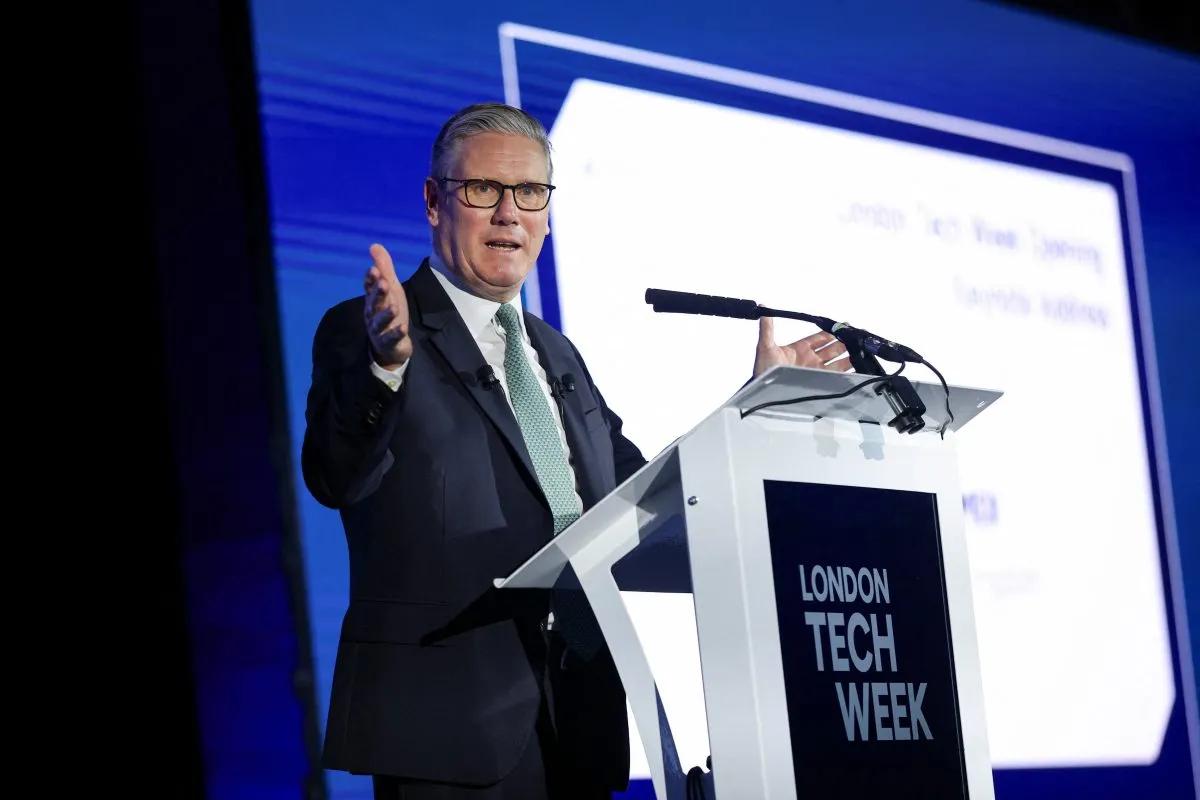
More than eight years ago my youngest daughter, Molly, died after being bombarded with suicide and self-harm material on social media. I had hope that Keir Starmer would finally take the measures needed to address the harm Molly was subjected to, but his social media ban for under-16s leaves me desperately worried for the safety of children online.Instead of tackling the product safety issues that cost my daughter’s life, he is choosing to take a politically easy route which the evidence shows – and experts warn – will not work, and will leave children at continued risk.Parents are right that action is needed, and is needed now. But two years into this government, the prime minister has failed time and again to take on big tech with the tough regulation he promised in opposition. Starmer also promised me personally that he would implement effective measures to strengthen regulation and finally address the harm caused by social media. He has failed to keep either promise.He also promised bereaved parents after the recent consultation on children’s social media use that he would follow the evidence and take the time to consider his response then act decisively. Instead, he has rushed out a ban. Just last week, the Molly Rose Foundation shared damning evidence with No 10 about the role the algorithms that killed my daughter continue to play in spreading harmful content to children. I am yet to receive a response.One in two girls aged between 13 and 17 continue to see the most high-risk suicide, depression, self-harm and body image content on social media, and our research showed the majority of this is being algorithmically driven.Today, the prime minister could have announced a decisive plan for change that banned personalised algorithms for teens across the board, and compelled tech companies to change their business models and tackle product safety at source. Instead, he has left algorithmic harm wide open to young people, with a ban that leaves more questions than answers.As we have seen in Australia, where a social media ban for under-16s came into effect in December 2025, teens and children are able to circumvent the ban – with 60% still accessing social media. This will certainly also be the case in the UK, and those teens will therefore keep using restricted apps that are fundamentally unsafe. This not only leaves them at greater risk, but will also mean that they are less likely to seek help for social media’s negative effect on their wellbeing, for fear of getting in trouble. Others will migrate to apps not covered by the ban, where safety features are minimal, because the incentive to protect children has been removed.The evidence from Australia shows that a social media ban is not a zero-cost option but is leaving some children feeling less safe online, with most others seeing no change as the status quo remains. Today’s news is giving parents false hope. But in this announcement, the prime minister has abdicated responsibility for product safety, and has failed to put forward a plan for tackling the algorithms that cost Molly’s life and, tragically, will cost many more.
Keir Starmer promised me he would end the harm caused by social media. But this ban betrays that promise | Ian Russell
With this plan the PM is taking an easy way out and giving parents false hope, says internet safety campaigner Ian Russell
TL;DRAI
UK PM Starmer banned social media for under-16s without regulating algorithmic harm; 60% of Australian teens successfully bypass age-based restrictions. For tech governance, this shifts risk to unrestricted platforms rather than addressing the algorithmic product safety failures.
635 words~3 min read