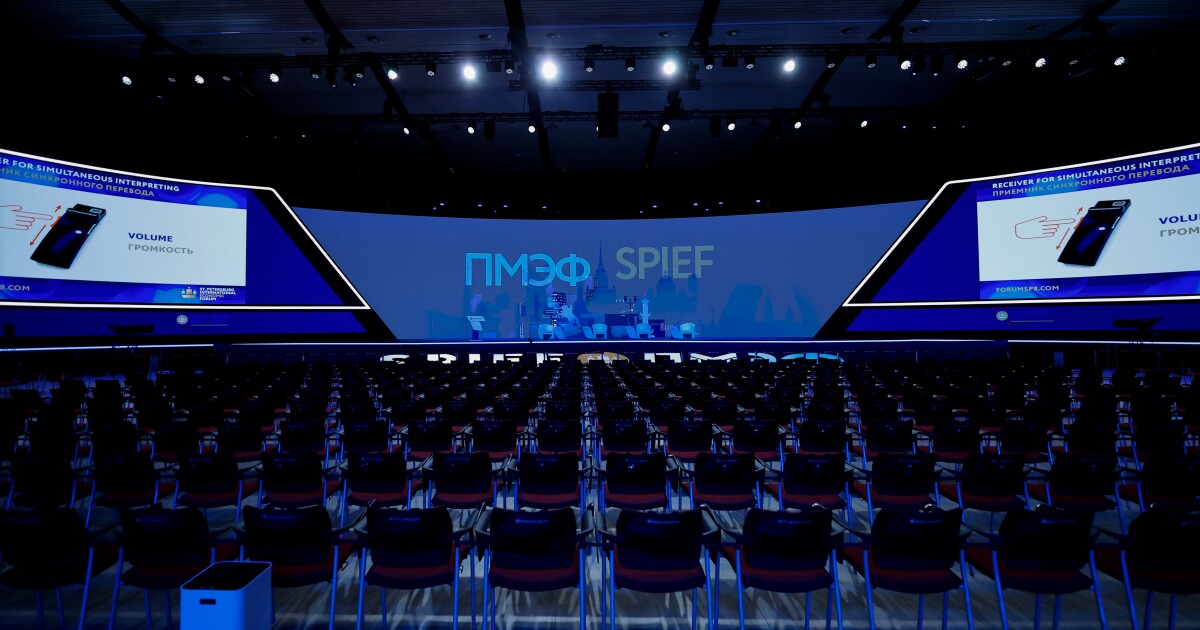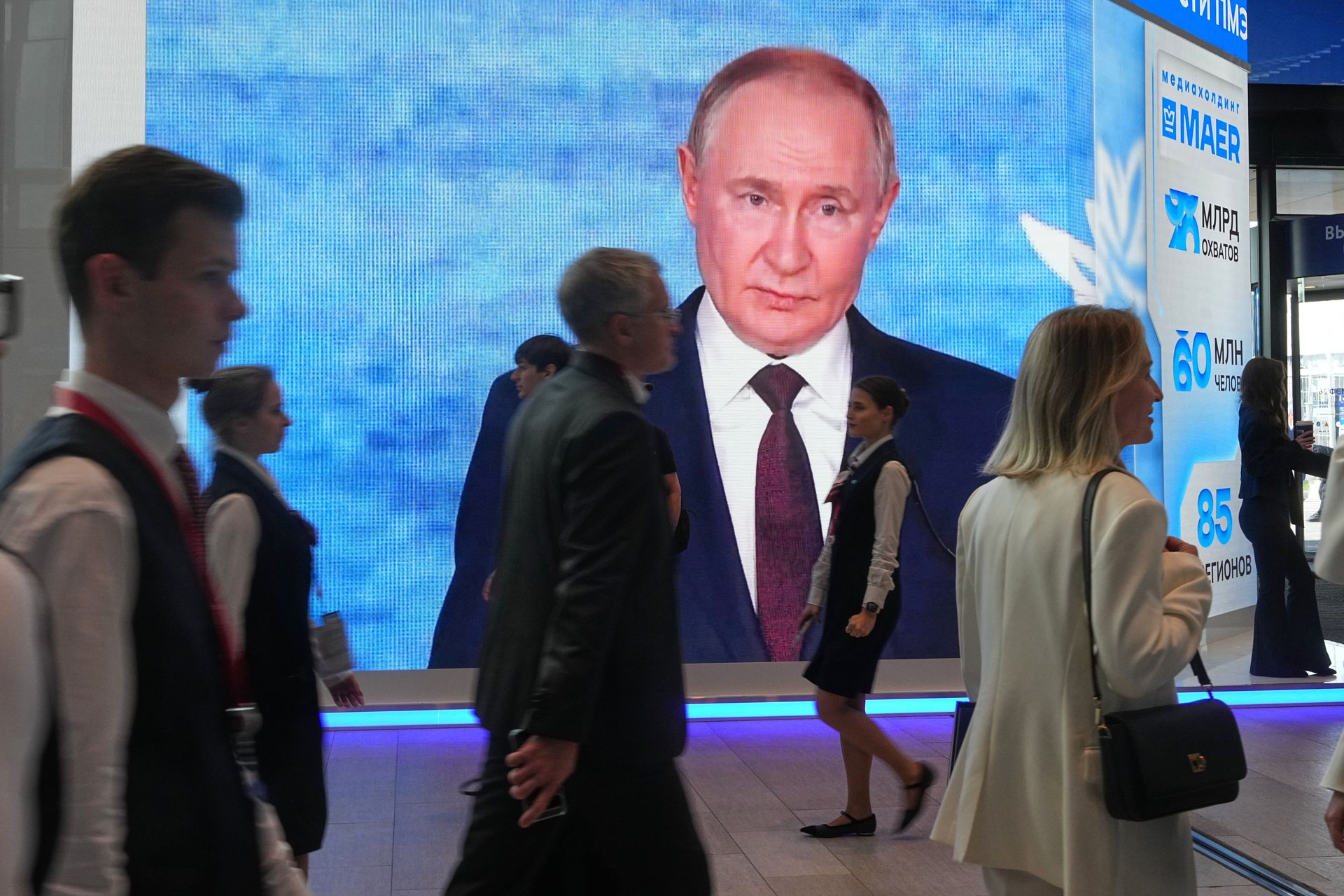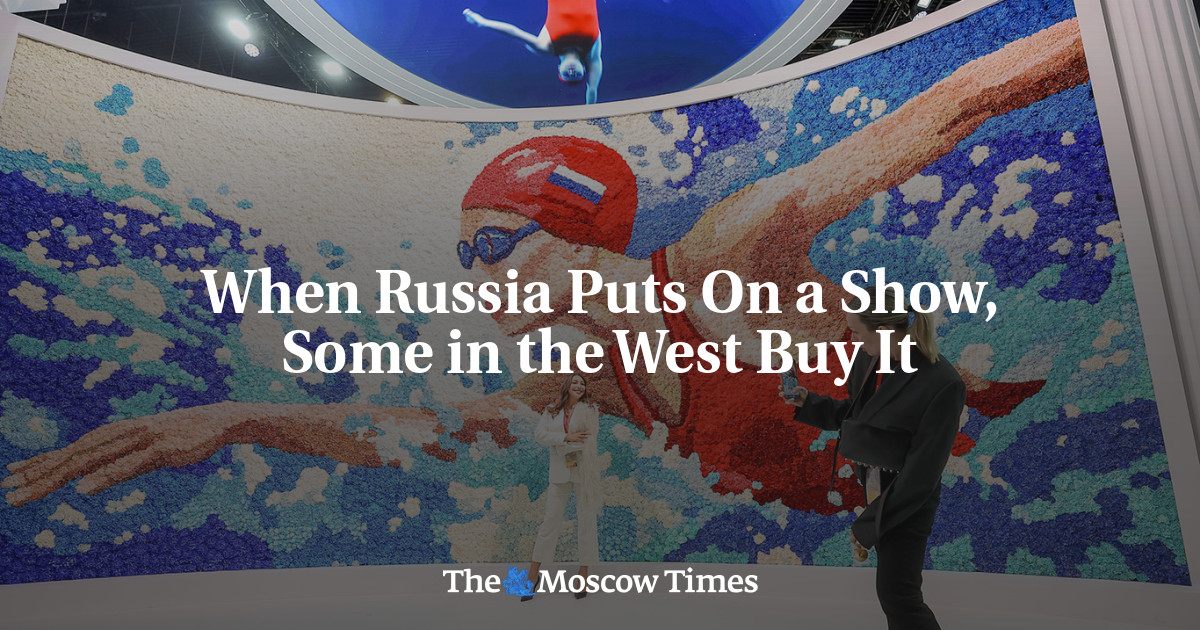
A key feature of the St. Petersburg International Economic Forum (SPIEF) is that it once genuinely worked. It wasn’t set up to be yet another one of the sham events organized by the Russian authorities — such as Direct Line with President Vladimir Putin — but rather an event that enjoyed genuine international recognition and prestige, putting Russia in the best possible light.
SPIEF was used to showcase the country’s potential to foreign investors, as a springboard for Russia’s accession to the WTO, the launch of ambitious projects such as Nord Stream, as well as being a symbol of a new Russia open to the world, complete with free concerts by Sting and Roger Waters.
For Putin, SPIEF has always been an important PR tool to mollify his critics’ concerns: perhaps there is nothing to fear about a third presidential term, given that agreements worth almost 10 trillion rubles ($310 billion at the time) were signed at the 2013 forum? Perhaps Western sanctions aren’t all that effective if European leaders and entrepreneurs continue to attend SPIEF, as if nothing had happened?
Following the full-scale invasion of Ukraine, the “Russian Davos” quickly degenerated into a marginal event, where the most talked-about guests are now representatives of the Taliban — until recently banned in Russia as a terrorist organization — and panel discussions are led by radical ideologues such as Alexander Dugin.