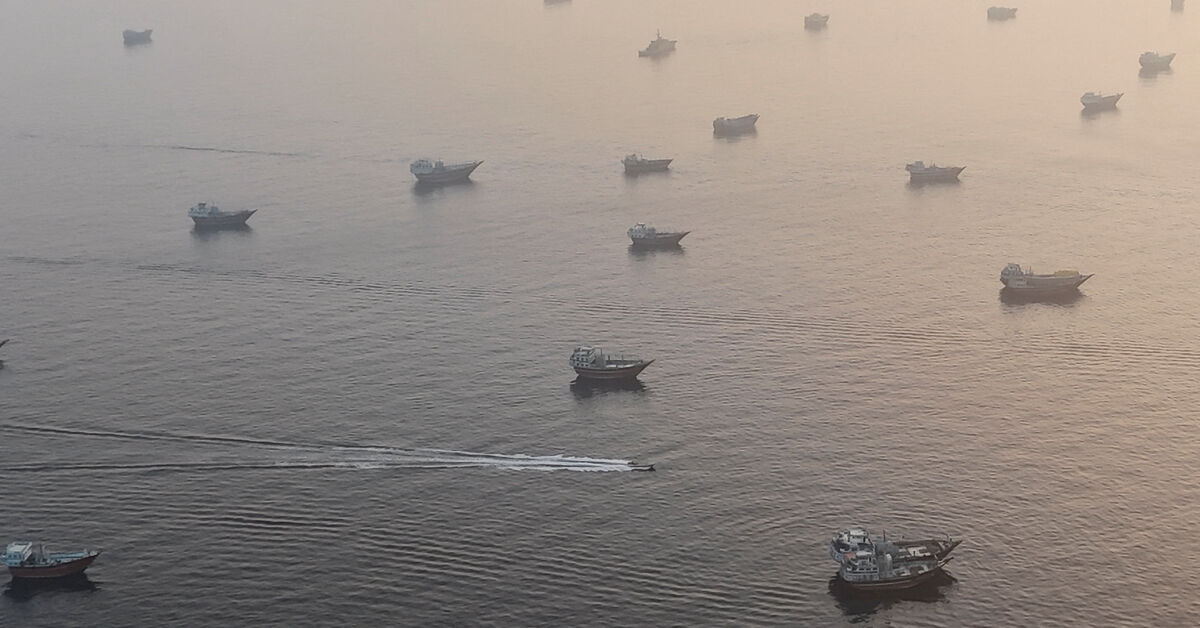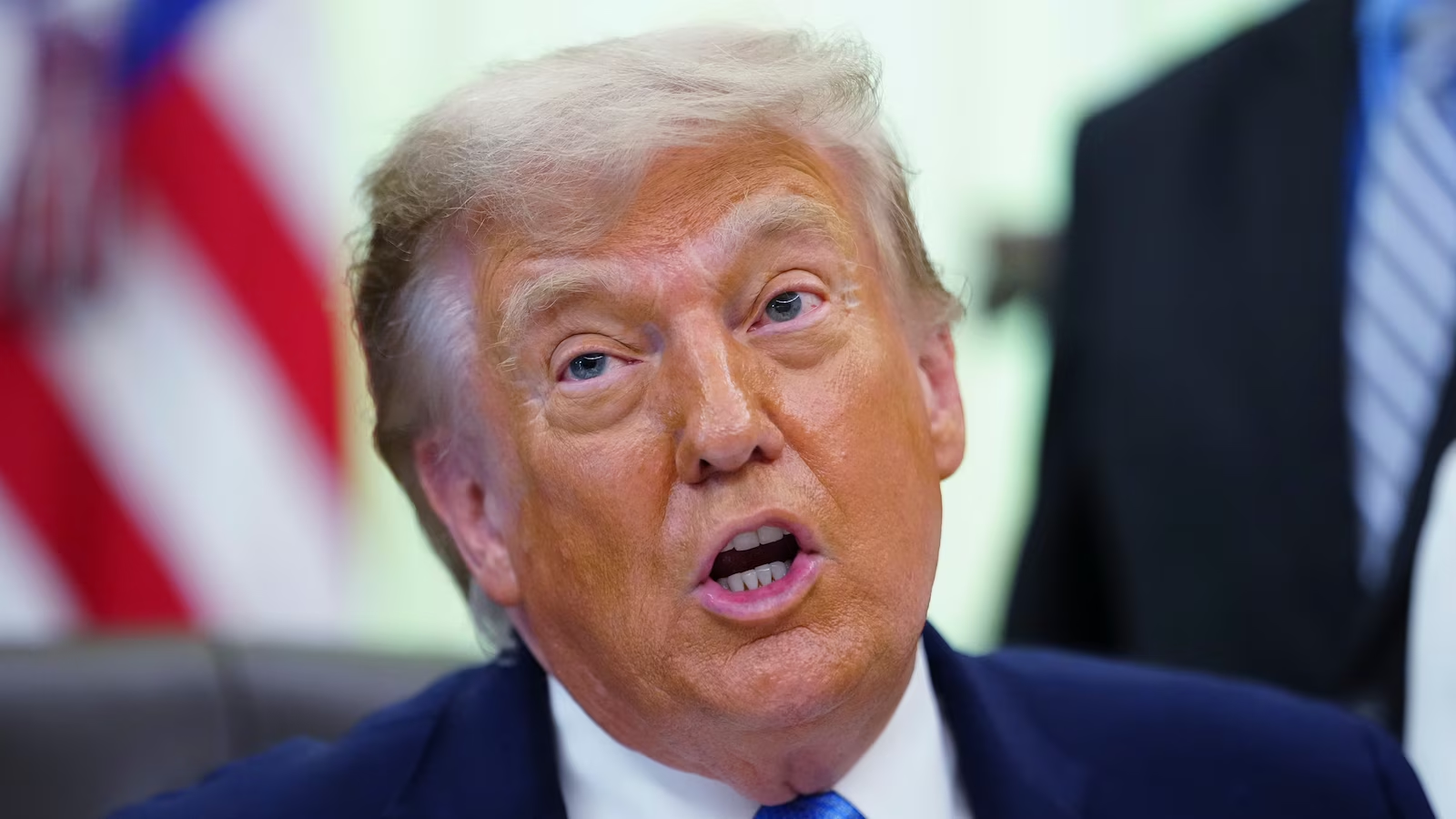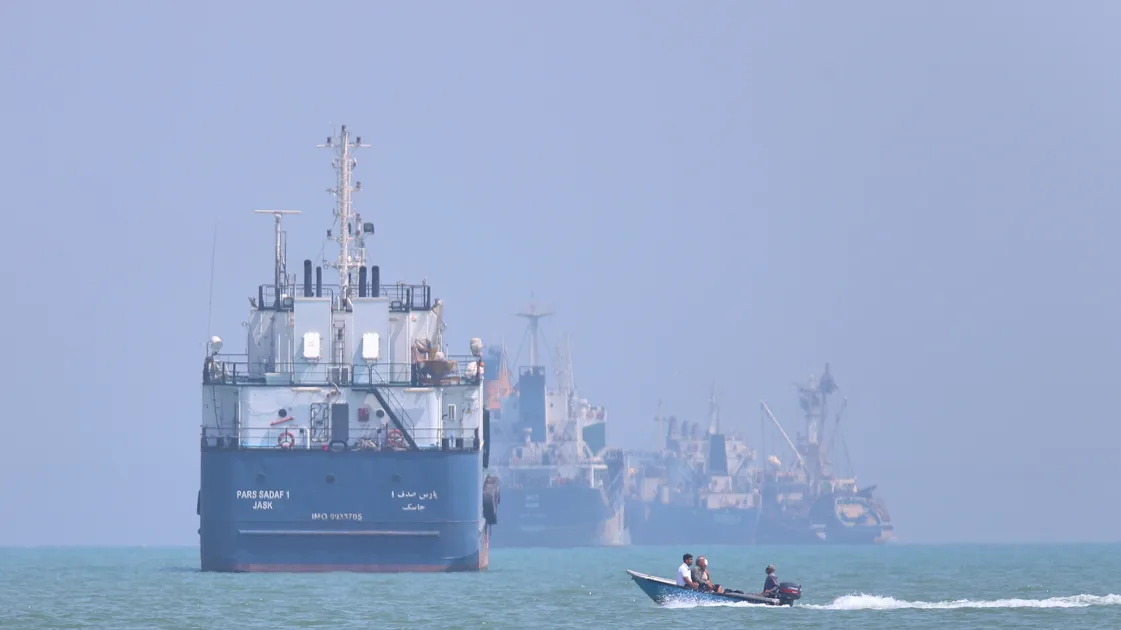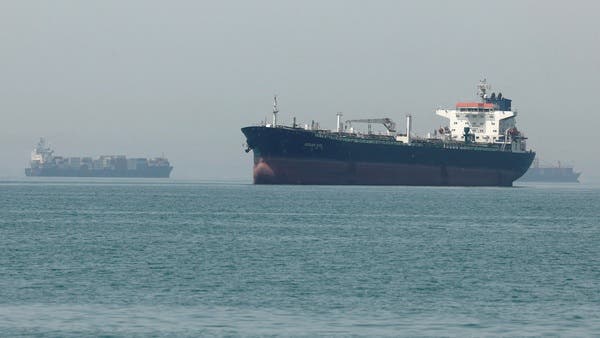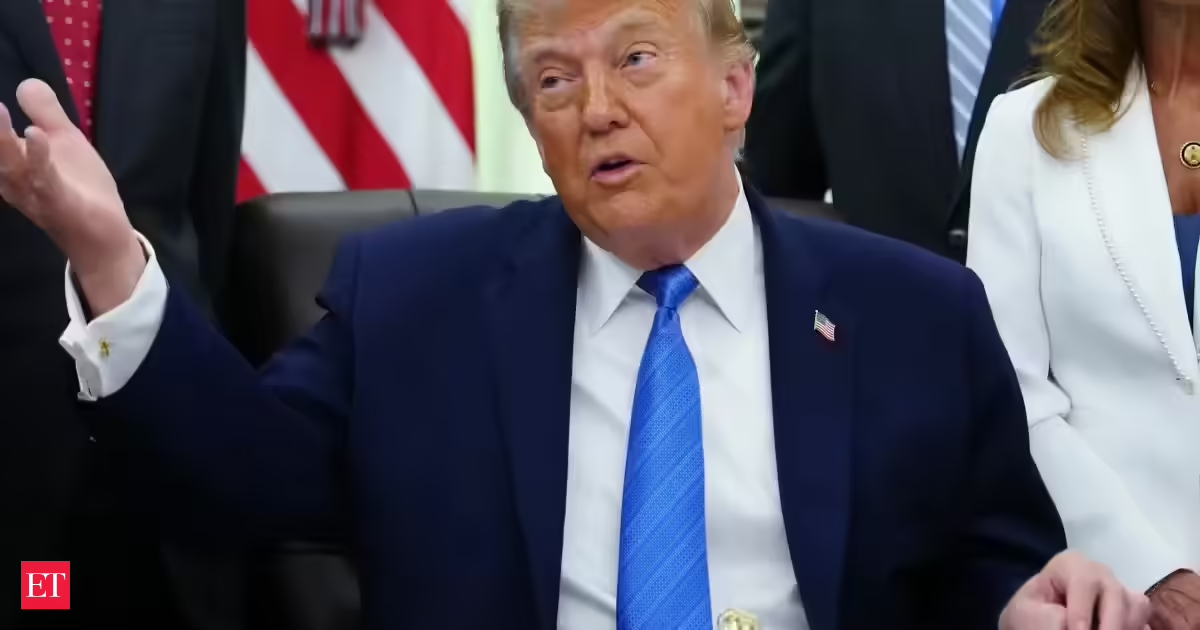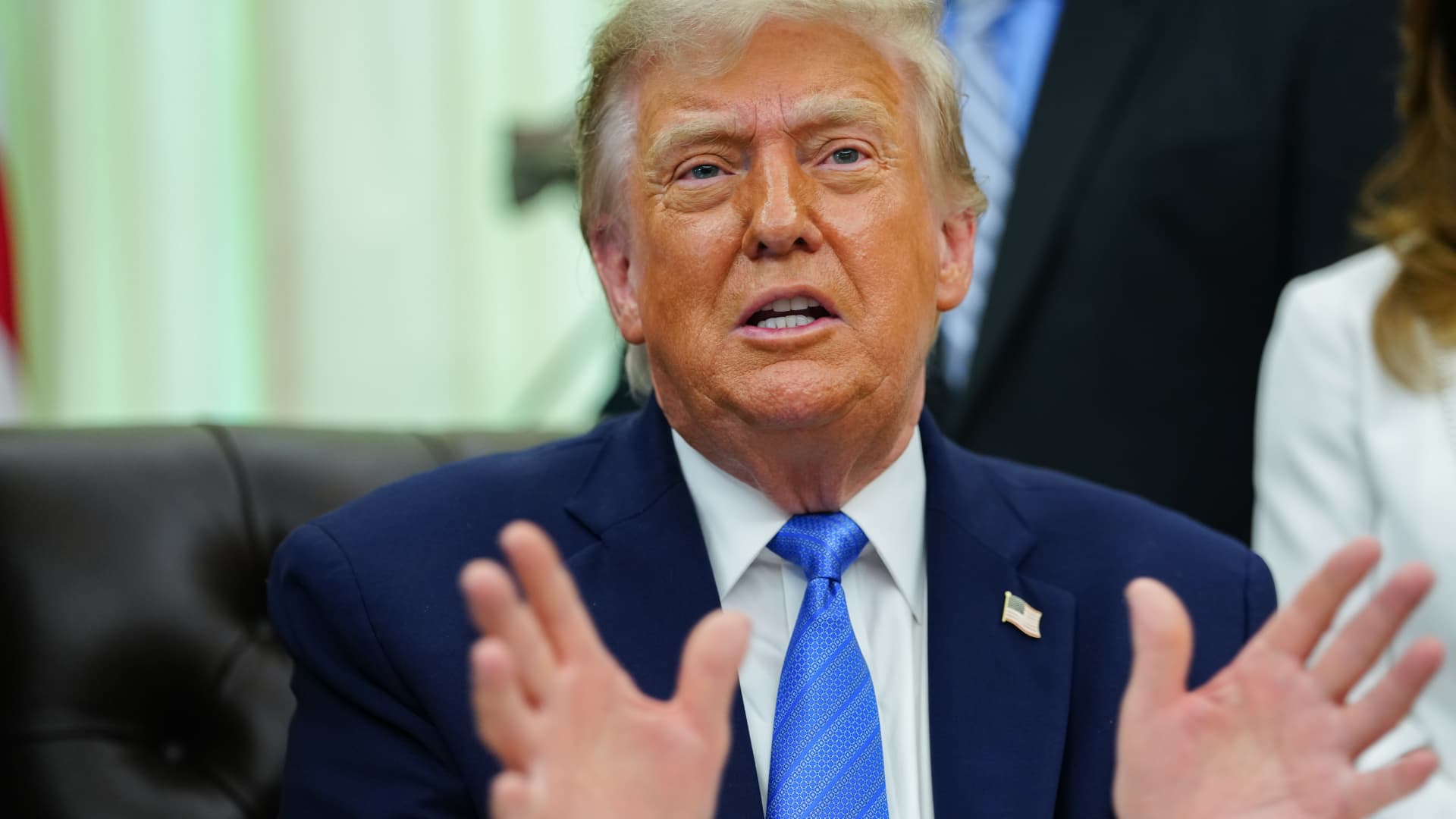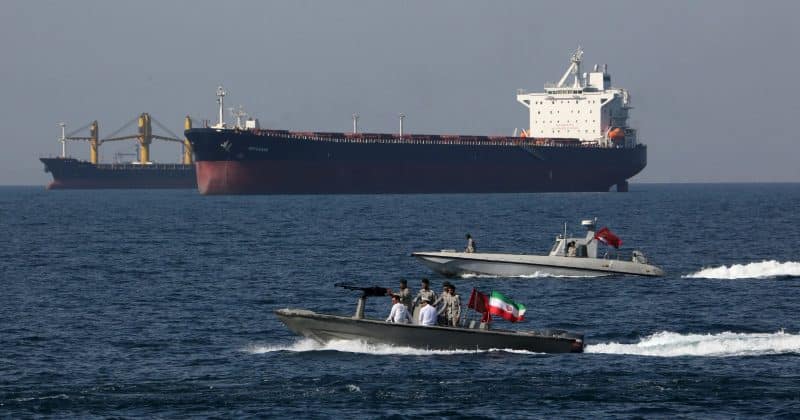
U.S. President Donald Trump announced on Monday, June 15, that a large number of oil tankers are currently navigating through the Strait of Hormuz. Writing in a post on Truth Social, Trump noted that the vessels are traveling via the southern route, which he described as “completely safe and secure,” adding that alternative transit routes are also available.
Simultaneously, U.S. Vice President JD Vance addressed the breakthrough in an interview with CNBC. Referring to the recent memorandum of understanding reached between Washington and Tehran, Vance stated that the Strait of Hormuz is expected to remain permanently open to international shipping without the imposition of transit fees.
Despite the optimistic tone from Washington, AP Moller-Maersk, the Danish shipping giant and the world’s largest container logistics operator, struck a more guarded note. While welcoming the preliminary agreement between the United States and the Islamic Republic, the company said it is still too early to assess the practical implications of the deal. Maersk emphasized that, under current conditions, it has made no changes to its maritime operations in the Middle East.
In stark contrast to the American statements, Islamic Republic of Iran Broadcasting (IRIB) reported that the Islamic Revolutionary Guard Corps Navy (IRGCN) has not issued a single transit clearance for vessels passing through the Strait of Hormuz for more than 96 hours. According to Iranian state media, the strategic maritime choke point remains completely closed to all inbound and outbound shipping until further notice.