A blunt playbook for devs who don’t want to turn into autocomplete zombies.
The first time an AI wrote code for me, I felt like I had unlocked cheat codes for real life. I typed a half-baked function name, hit enter, and suddenly I had a block of code that looked legit. It was magical. The second time, though? It suggested something so catastrophic basically the programming equivalent of pulling the fire alarm that I realized: this thing is less “mentor” and more “overconfident intern who thinks they know pointers but actually just broke prod.”
That’s where most of us are right now. AI is everywhere: in our IDEs, our docs, even sneaking into PR reviews. Some days it feels like rocket fuel; other days it feels like an autocomplete with a drinking problem.
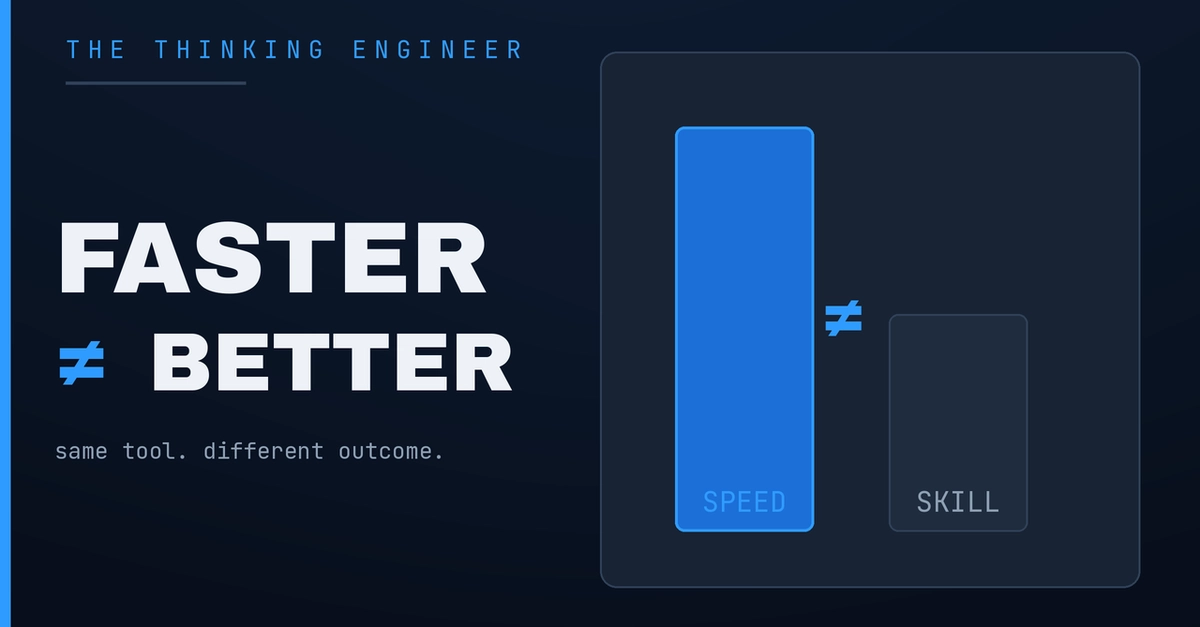
The tricky part isn’t whether AI is “good” or “bad.” The tricky part is how we, as developers, use it without becoming lazy, dependent, or worse complacent. Because here’s the uncomfortable truth: AI won’t replace you, but bad AI habits absolutely will.
TLDR: This article is a survival guide for developers in the AI era. We’ll break down why AI feels both magical and mid, the five switches that make AI actually useful, when to trust and when to verify, how to use AI as a research assistant (not a code monkey), the dangers of autocomplete brain, and a playbook for building a healthy workflow.