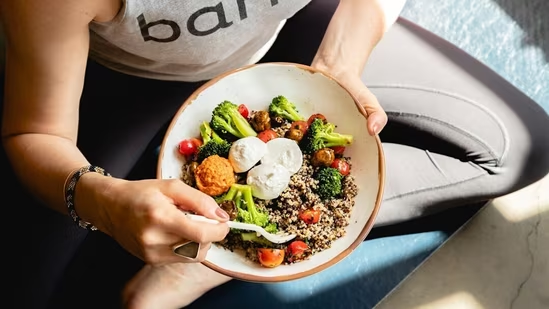
Belly fat is one of the most common concerns for people trying to lose weight. While there is no magic trick that can melt fat overnight, small changes in daily habits can make a noticeable difference over time. According to online transformation coach Bhagat Gaheer, a few simple adjustments around meals can help people manage hunger better, improve digestion and create conditions that support fat loss.From eating protein first to taking a short walk before meals, the fitness coach shared five simple habits are designed to make healthy eating feel easier rather than restrictive.ALSO READ: Vedaant Madhavan doesn't eat like most people1. Eat protein before carbsThe first tip is surprisingly simple: start your meal with protein.Whether it's chicken, eggs, tofu, paneer, fish or another protein source, eating protein before carbohydrates may help you feel full sooner.Protein is known to be the most filling macronutrient. When you eat it first, there's a good chance you'll naturally consume fewer calories during the rest of the meal without consciously trying to eat less. For people struggling with overeating, this small habit could make a significant difference over time.ALSO READ: Eat five times a day and still lose 4–5 kgs in 15 days, fitness coach shares planProtein helps preserve muscle mass while losing weight and keeps hunger under control for longer periods. When you're less hungry, it becomes easier to stick to your calorie goals, which is ultimately what drives fat loss.2. Take a 10-minute walk before your biggest mealMany people know about walking after meals, but Gaheer recommends walking before your largest meal of the day. A quick 10-minute walk can get your body moving, improve circulation and may help manage blood sugar levels. The habit is easy to incorporate into busy schedules because it doesn't require a gym, equipment or intense exercise.Walking burns calories, improves insulin sensitivity and contributes to overall daily activity levels. While a short walk won't create dramatic results overnight, consistency can add up over weeks and months.3. Slow down while eatingOne of the biggest mistakes people make during meals is eating too quickly. Your brain needs time to receive signals from your stomach that you're full. When you eat fast, it's easy to consume more food before those signals arrive. By slowing down, chewing thoroughly and taking breaks between bites, you may naturally reduce your calorie intake.Research has shown that mindful eating can help some people avoid overeating. The goal isn't to count every bite but to become more aware of hunger and fullness cues. Over time, this can lead to healthier eating habits without feeling deprived.4. Avoid drinking large amounts during mealsAnother tip shared by Bhagat Gaheer is to reduce liquid intake while eating. Instead of drinking large amounts of water or other beverages during meals, he suggests drinking water about 20 to 30 minutes beforehand. The idea is that pre-meal hydration may help with appetite control and prevent unnecessary overeating.Water itself doesn't burn fat, but staying hydrated can support healthy digestion and may help people distinguish between hunger and thirst. Many people also find that drinking water before meals helps them feel more satisfied.5. Make your last meal slightly smaller tonightThe final suggestion isn't about a permanent diet change. Instead, the coach recommends reducing the size of your last meal just for one evening and paying attention to how you feel the next morning. Some people report waking up feeling lighter and less bloated after eating a slightly smaller dinner.Large evening meals can sometimes leave people feeling sluggish or overly full before bedtime. Making dinner a little lighter may improve comfort and help some individuals maintain a calorie deficit, which is essential for weight loss.Can these habits really reduce belly fat?It's important to remember that spot reduction is not possible. In other words, no exercise, food or habit can specifically target belly fat alone.However, habits that help control calories, improve satiety and encourage consistent movement can contribute to overall fat loss, including around the waist and hips.The key is consistency. While these strategies won't eliminate belly fat overnight, they may help create a healthier routine that supports long-term weight-loss goals and better overall well-being.Disclaimer: This article is based on a user-generated post on Instagram . ET.com has not independently verified the claims made in the post and does not vouch for their accuracy. The views expressed are those of the individual and do not necessarily reflect the views of ET.com. Reader discretion is advised.
Belly Fat loss tips: Fitness coach shares 5 simple, easy tricks that may help shrink your waistline
A transformational coach has shared five simple habits to help people lose belly fat. Eating protein first, taking a short walk before meals, eating slowly, avoiding large drinks during meals, and having a smaller last meal can make healthy eating easier. These consistent changes support overall fat loss and well-being.
738 words~3 min read