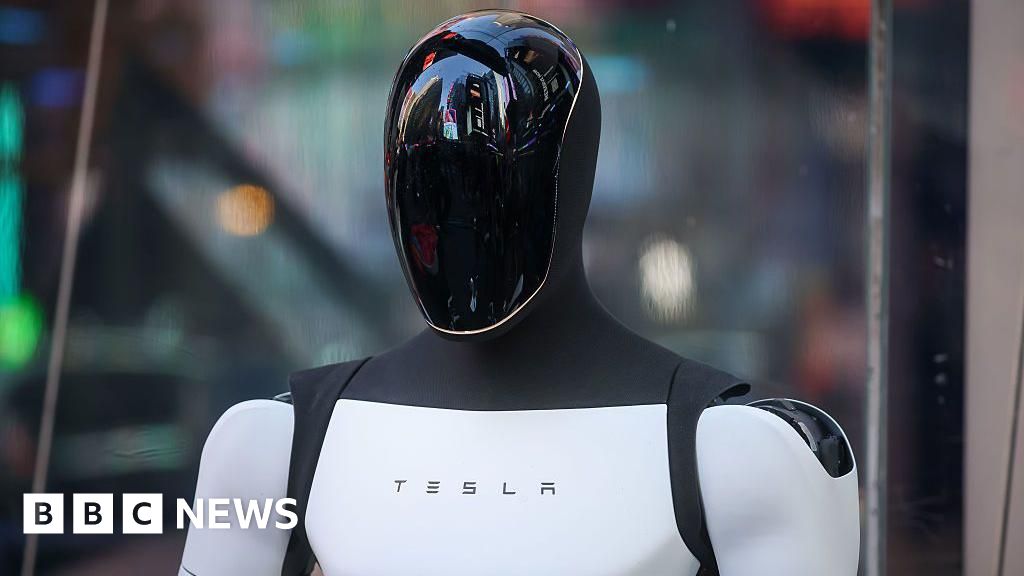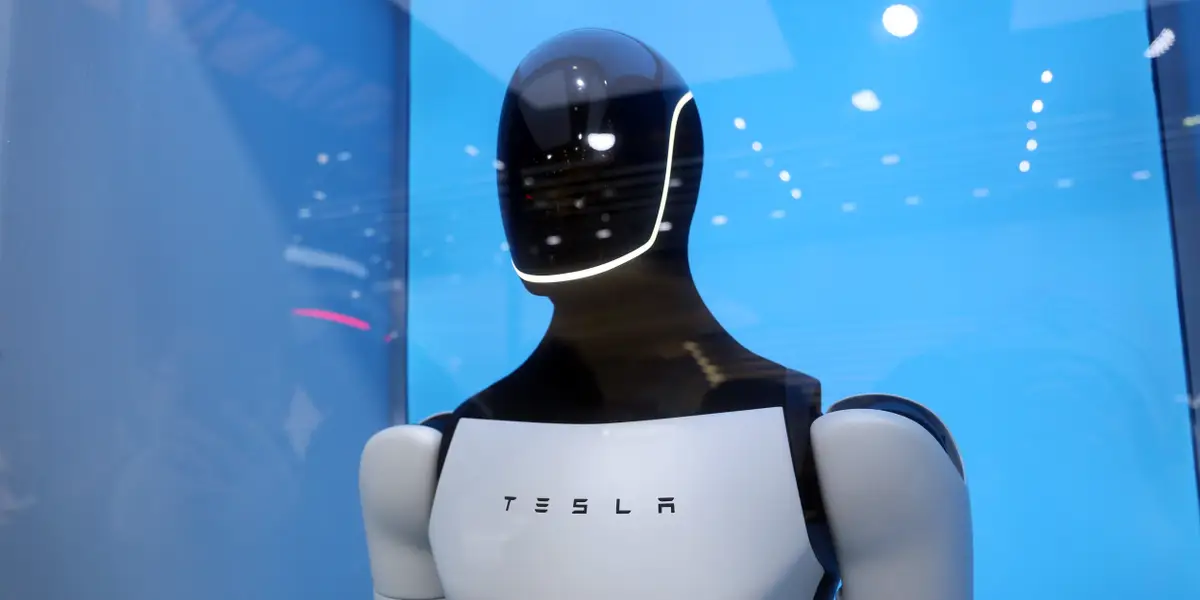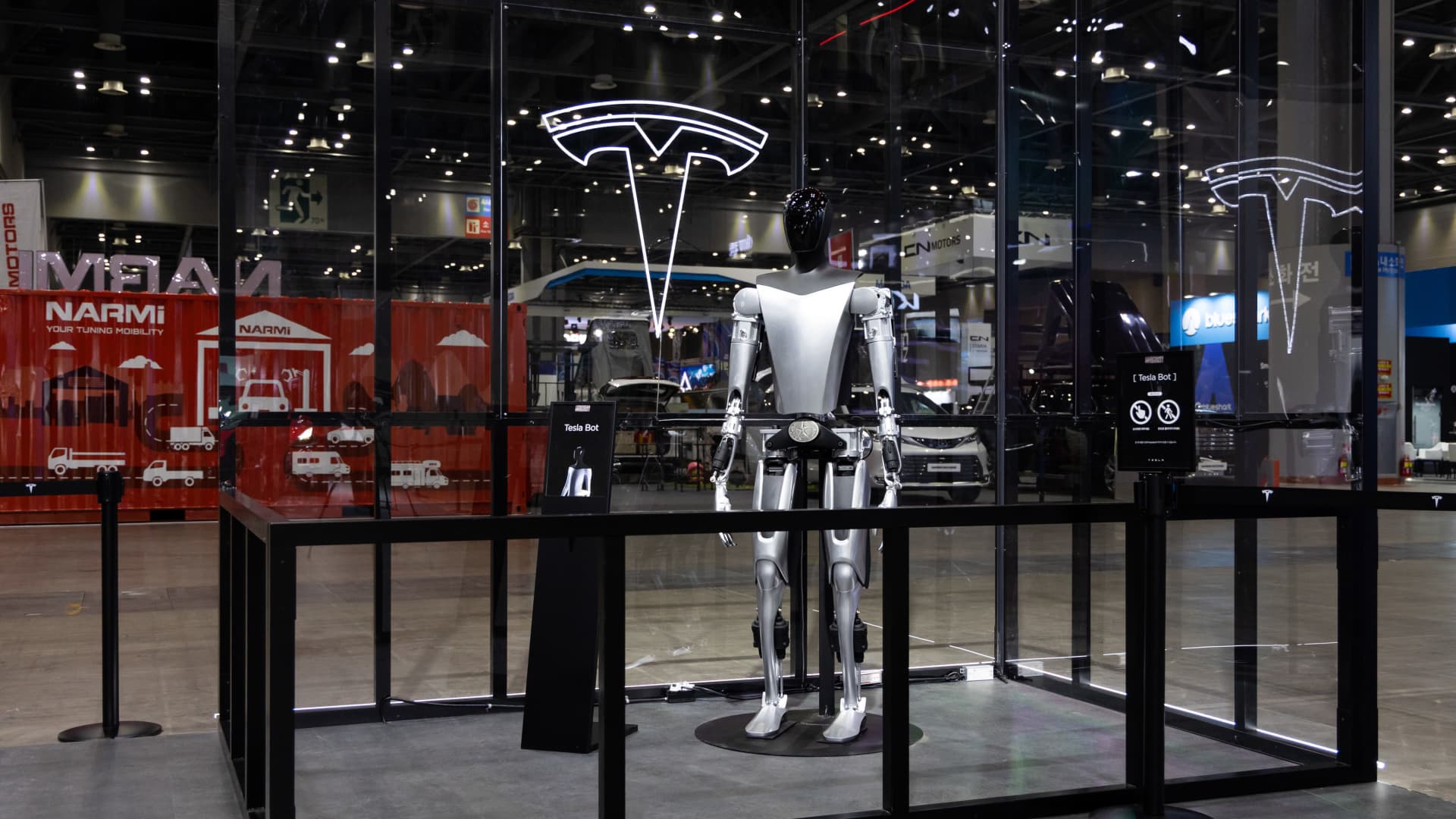
In the annals of technological ambition, few moments stand as starkly as the period between 2023 and 2024 at Tesla's secretive development facilities. This wasn't merely about incremental upgrades or iterative improvements; it was a high-stakes, audacious architectural pivot that aimed to birth a new species of machine: the Optimus humanoid robot. Under the relentless gaze and singular vision of Elon Musk, engineers embarked on a journey to fuse the cutting-edge artificial intelligence powering self-driving cars with the complex, multi-axial demands of bipedal locomotion. This was a story of challenging established paradigms, pushing computational limits, and ultimately, attempting to imbue a machine with a truly human-like understanding of its physical world.
For decades, the dream of a general-purpose humanoid robot remained largely confined to science fiction or the carefully controlled environments of academic laboratories. Traditional robotics, while achieving marvels in industrial automation, remained shackled by rule-based programming, hand-coded heuristics, and a fundamental inability to adapt to the unpredictable chaos of the real world. Musk, ever the iconoclast, saw this as an inherent limitation, a "brittleness" that prevented robots from truly integrating into human environments. His directive was clear: bypass the past, and build the future from first principles, leveraging the very neural networks that were teaching Tesla vehicles to "see" and "think."