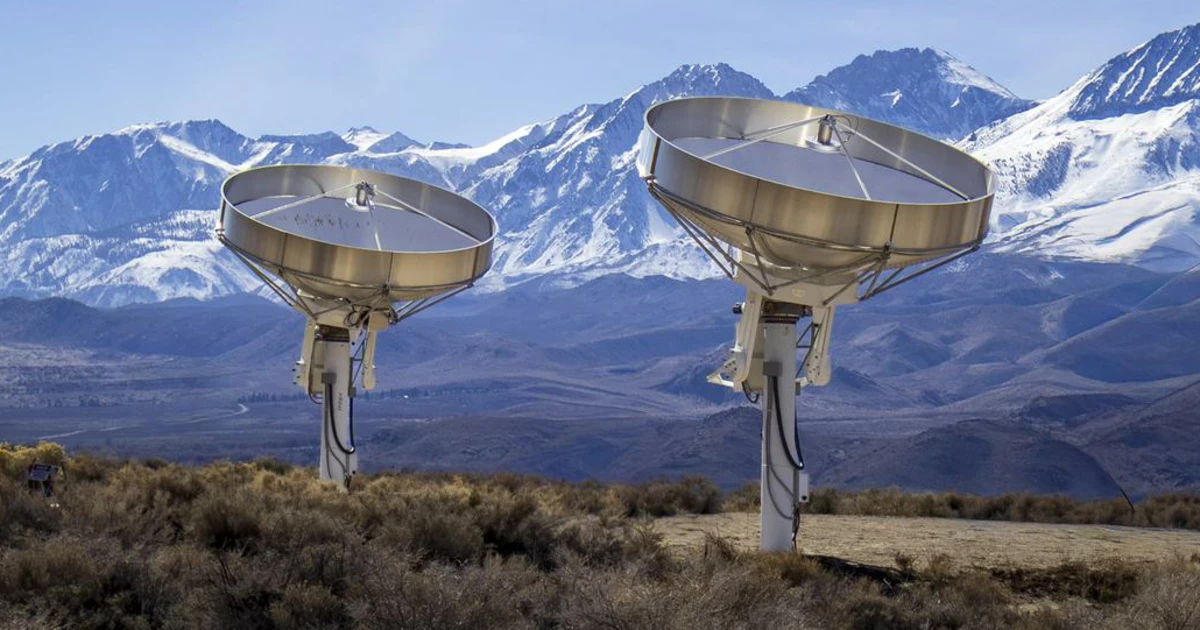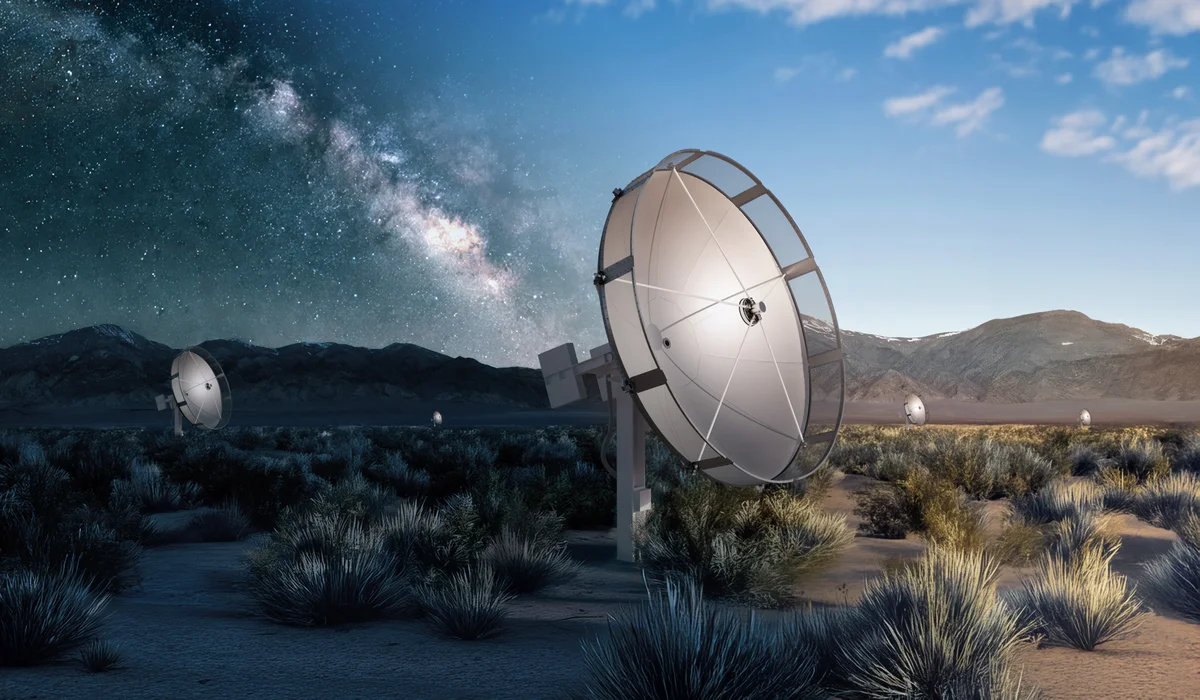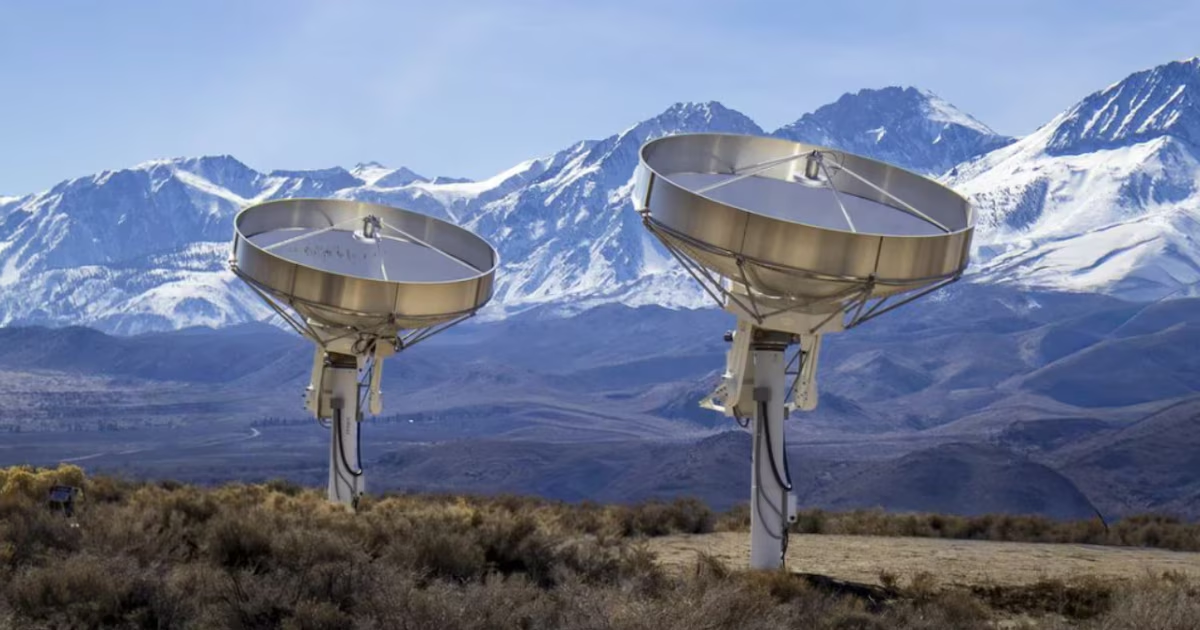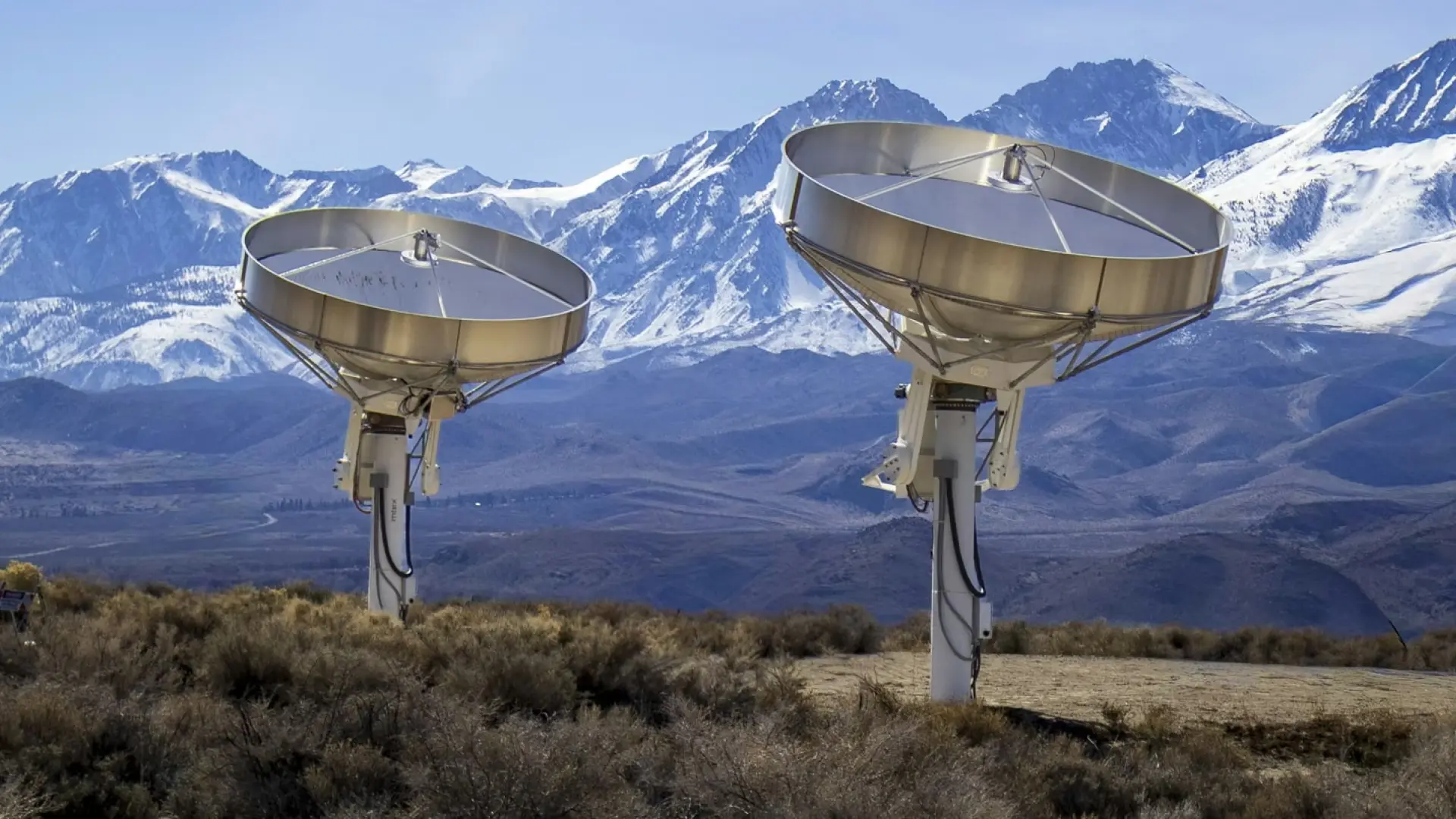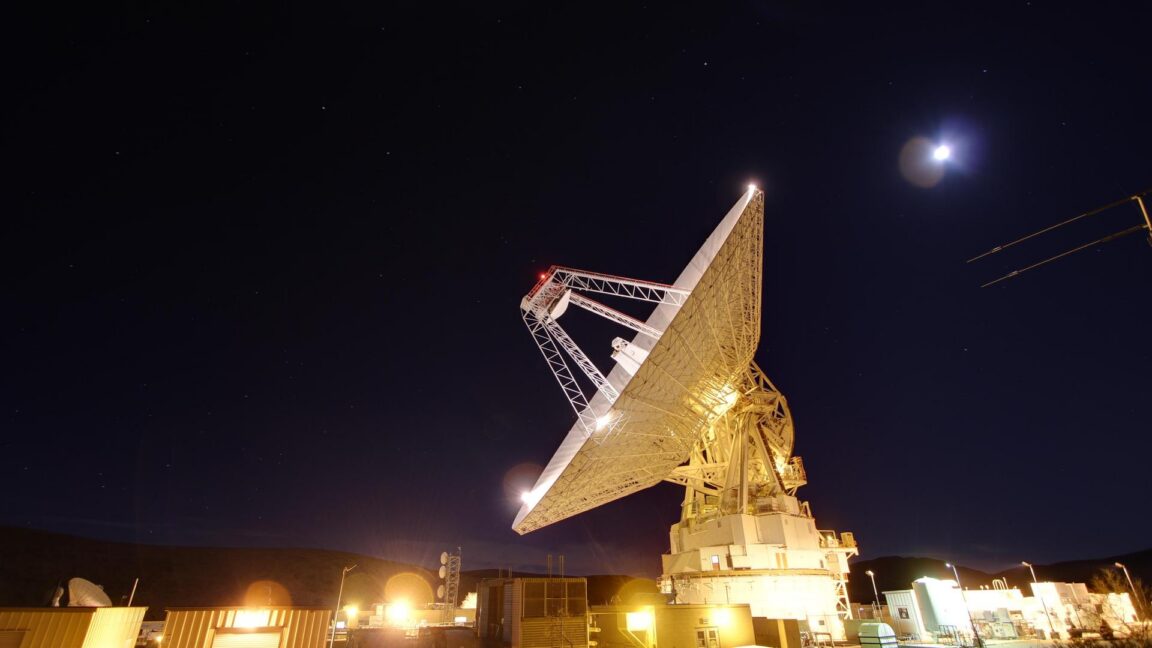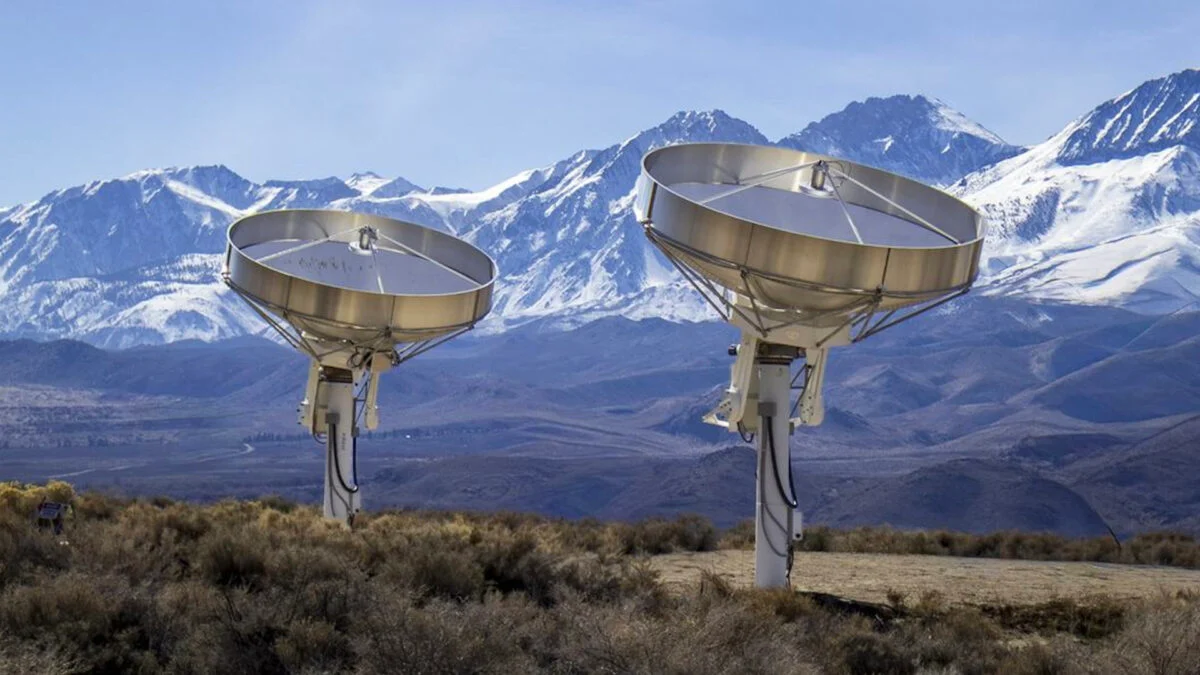
“Radio-quiet” regions, like the area around West Virginia’s Green Bank Observatory, are hard to come by. The spots are so coveted by astronomers that NASA launched plans in 2023 to put radio telescopes all the way on the dark side of the Moon just to get enough silence to do this work in peace. Caltech’s plans might not be for the Moon, but they’re still tremendously exciting. The university announced final design specs last Thursday to colonize a desolate patch of the Nevada desert for a radio telescope that promises to survey the cosmos 100-times faster than any other known telescope in the world. Named the Deep Synoptic Array (DSA), this vast field of 1,650 radio dishes will span roughly 12 by 10 miles (20 by 16 kilometers), supported by a supercomputer capable of synthesizing its flood of data into exceedingly crisp images in real-time. But, perhaps most impressive of all, the DSA’s space science bounty will be free to slice, dice, analyze, and utilize in real time by anyone, scientists and citizen scientists alike.
“We want the whole world to also have access to the data just as quickly as we do,” Caltech astronomer Katie Jameson, lead project manager for the DSA, explained in a press statement. High fidelity The universe is humming with intergalactic radio signals. The spinning of magnetized dead stars, known as pulsars, pumps out a steady rhythm of radio waves, as do the electromagnetic “burps” of star-gobbling black holes and many other cosmic enigmas, including the unsolved mysteries of “fast radio bursts.”