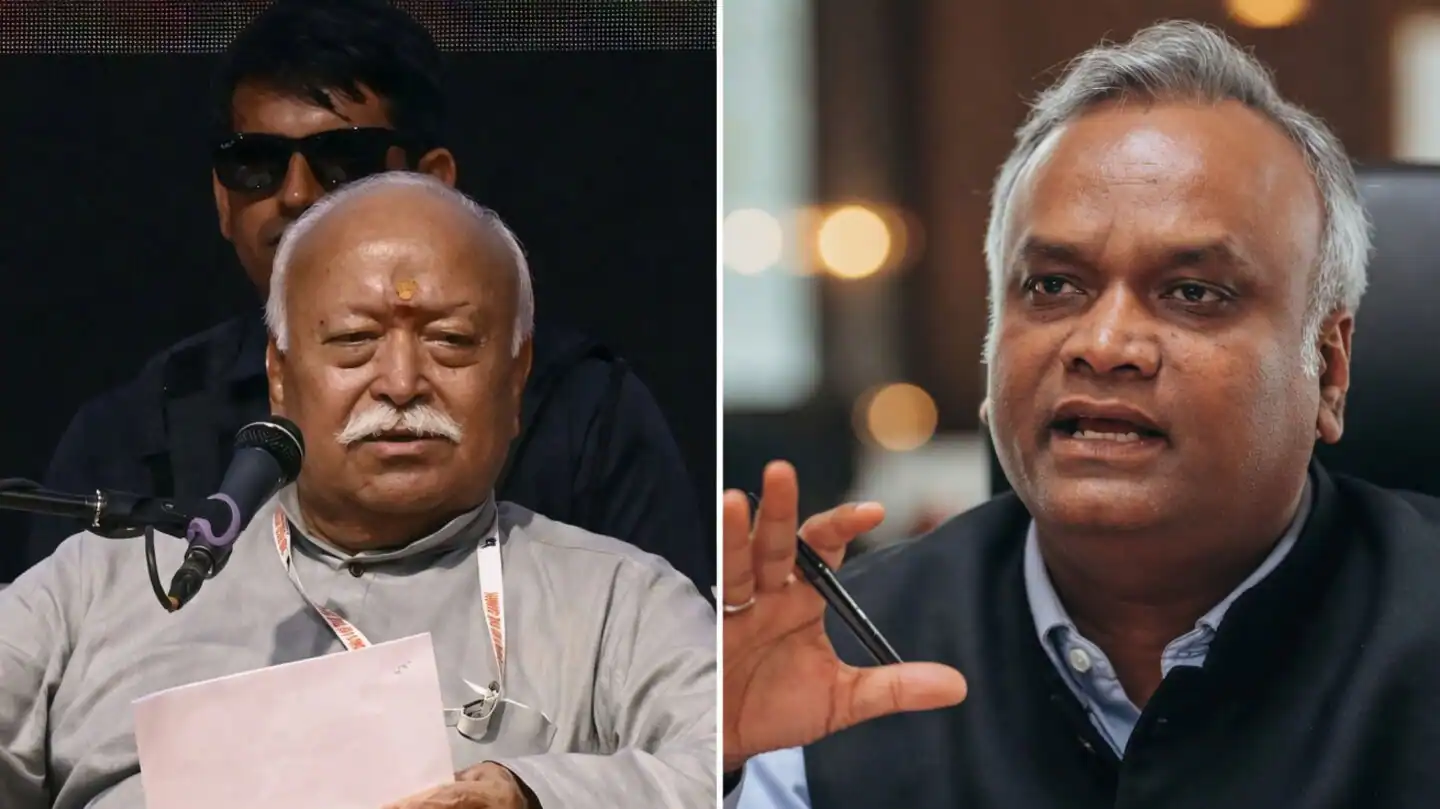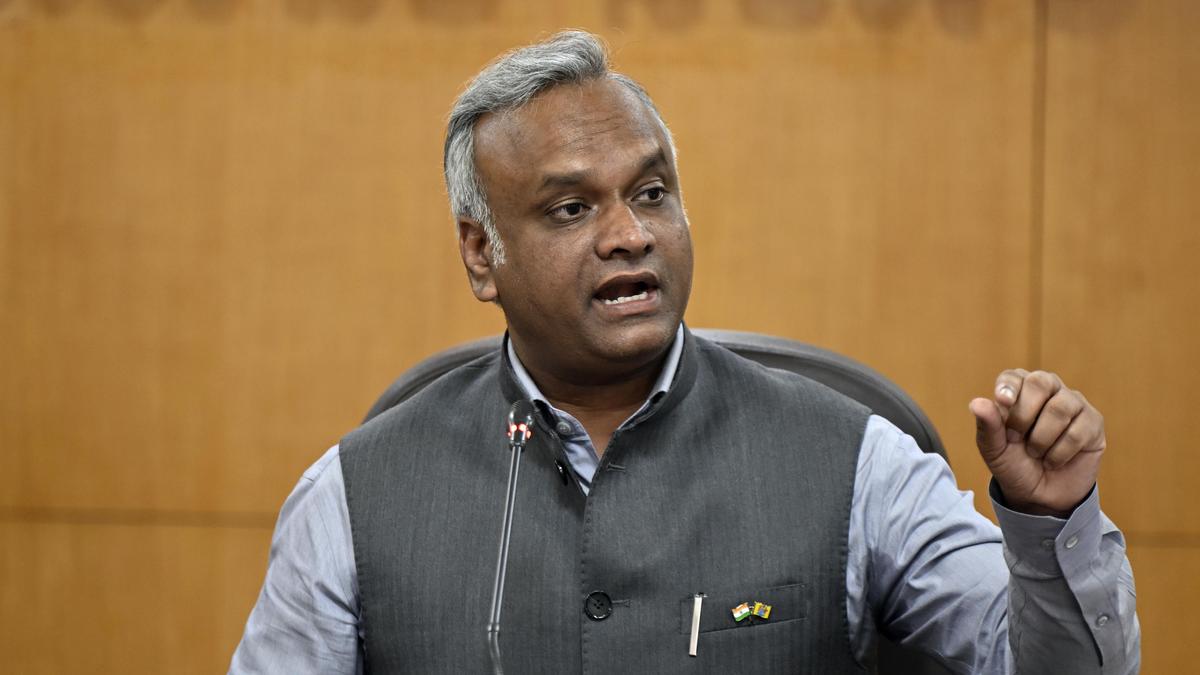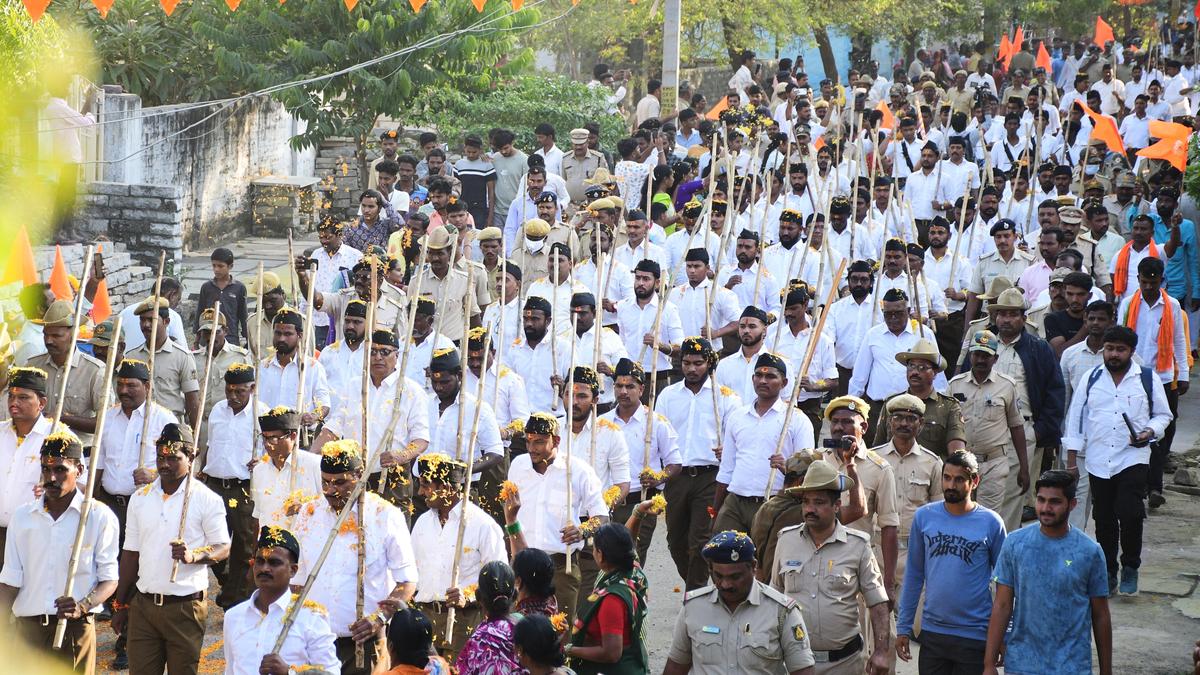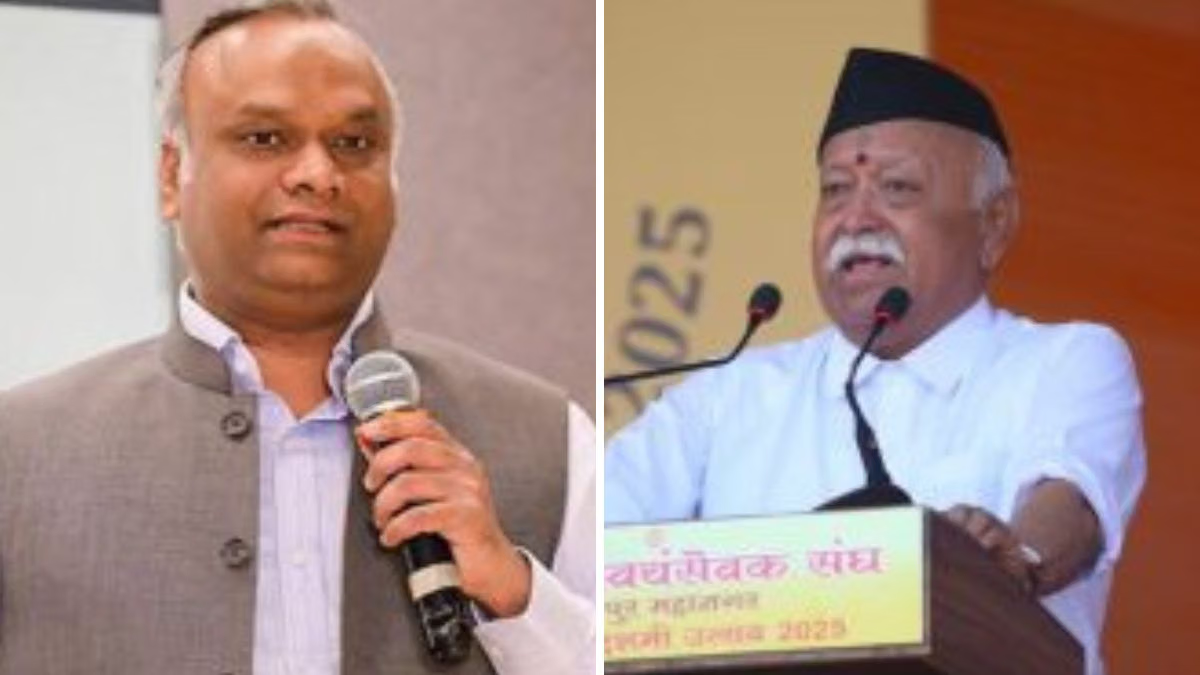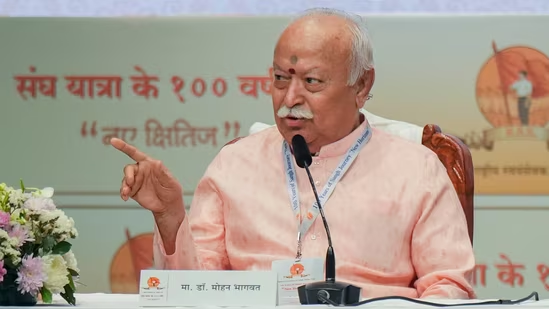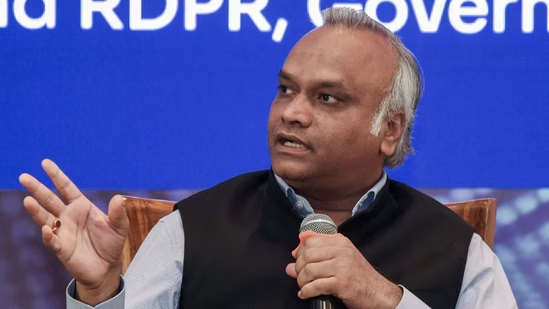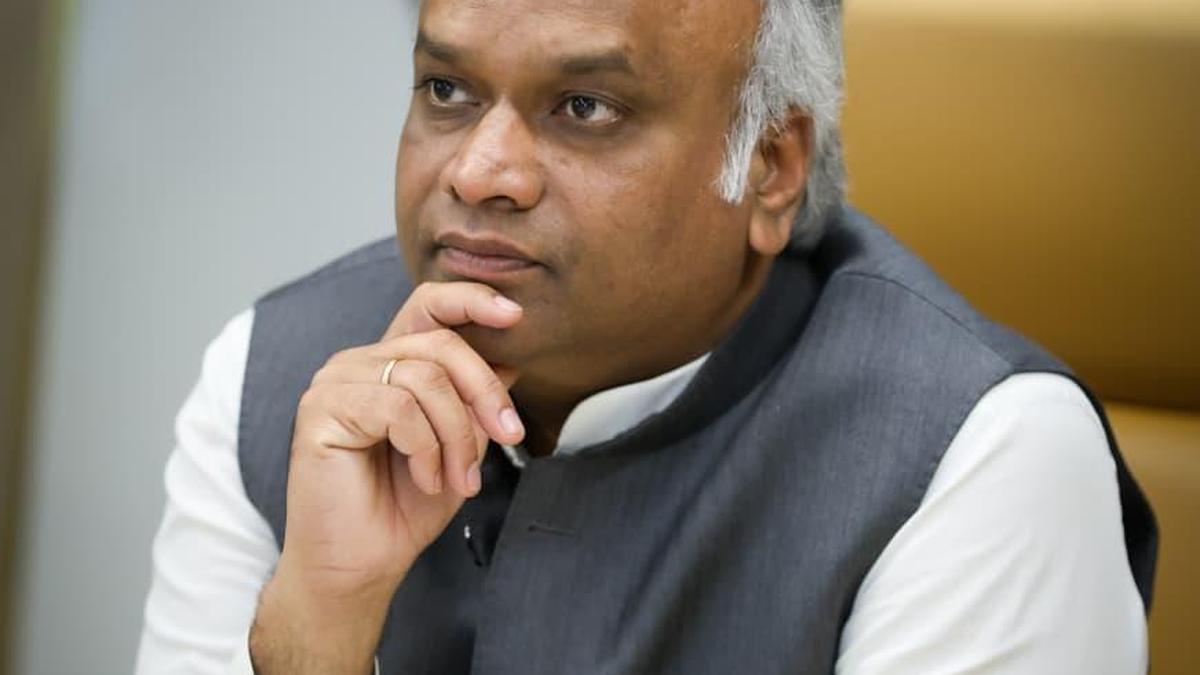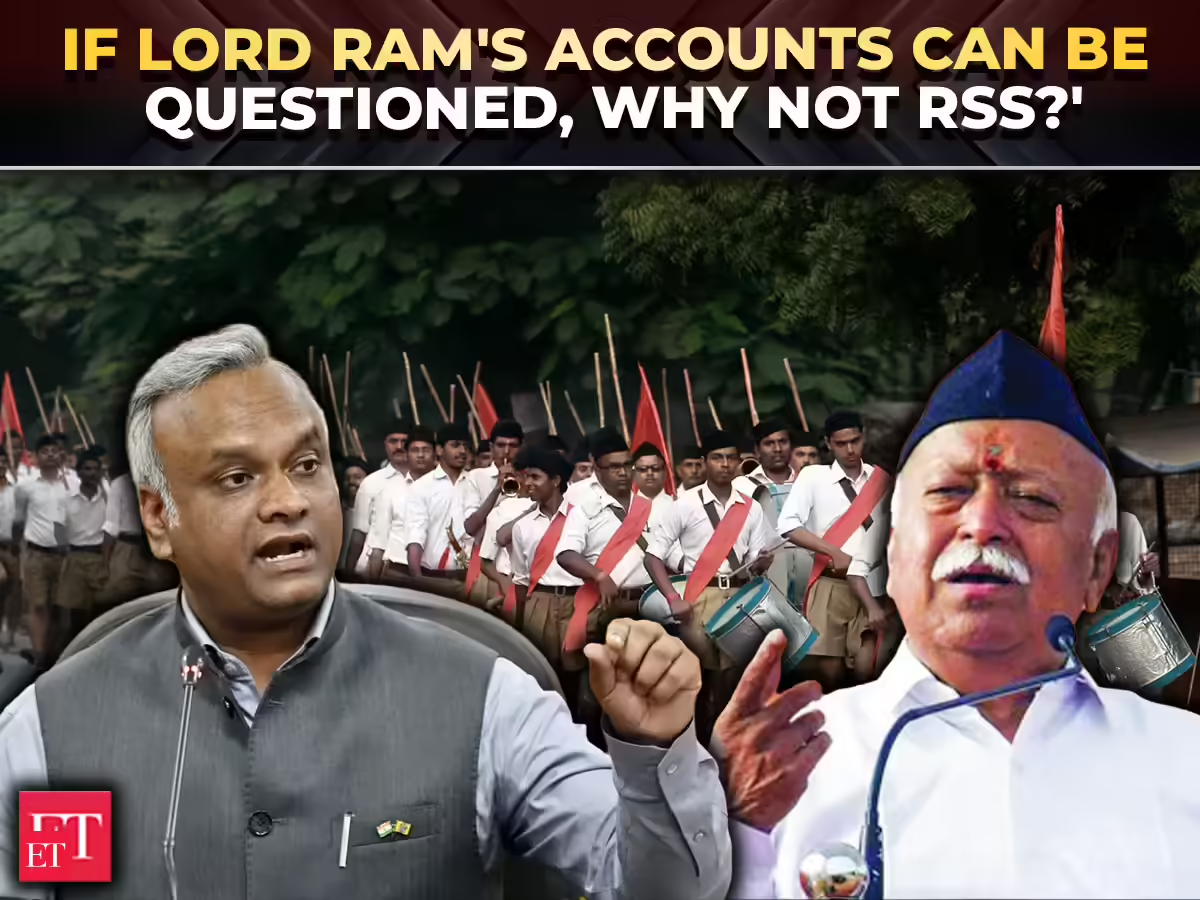
Bengaluru: Karnataka Home Minister Priyank Kharge on Monday wrote to RSS Sarsanghchalak Mohan Bhagwat, urging the organisation to formally register itself, disclose its activities and finances, pay taxes and function with greater transparency and accountability within the framework of Indian law.Congratulating the RSS on its centenary year, Kharge said an organisation of its scale, influence and reach must adhere to the highest standards of transparency, accountability and constitutional compliance.Referring to figures cited by the RSS, Kharge said the organisation had conducted 2,194 Samajotsavas involving 19.6 lakh participants and organised 562 route marches across Karnataka with more than 2.2 lakh uniformed participants.Also read | Cockroach Janta Party founder Abhijeet Dipke slapped during protest in Jaipur“These figures indicate a vast, disciplined and deeply embedded network operating across Karnataka through daily cadre-building, outreach programmes, mass public events and uniformed marches,” he said.Kharge said such an extensive organisational presence could not be treated as a private or informal arrangement. It raised legitimate questions relating to legal status, accountability, financial transparency, public order, permissions, funding sources and compliance with the Constitution and laws of India.“We request the RSS to depute its authorised office-bearers to explain the legal grounds on which an organisation of such magnitude continues to function without being formally registered as a legal entity or as a body of individuals under applicable laws,” he said.The minister argued that the RSS could not expect citizens to comply with regulatory requirements while remaining outside a similar framework.Also read | Guarantee schemes won’t stop, says Shivakumar“If workers, associations, religious institutions, NGOs, trusts, companies and citizens are expected to register, disclose accounts, undergo audits and pay taxes, the RSS too must set an example by abiding by the rules of the land,” Kharge said.He called upon the organisation to use its centenary year not merely as an occasion for celebration, but also for “constitutional introspection”.
Karnataka: Priyank Kharge asks RSS to register, disclose finances and pay taxes
Karnataka Home Minister Priyank Kharge has written to RSS chief Mohan Bhagwat requesting the organisation to register formally and disclose its finances. Kharge also asked the RSS to pay taxes and operate transparently.
308 words~1 min read