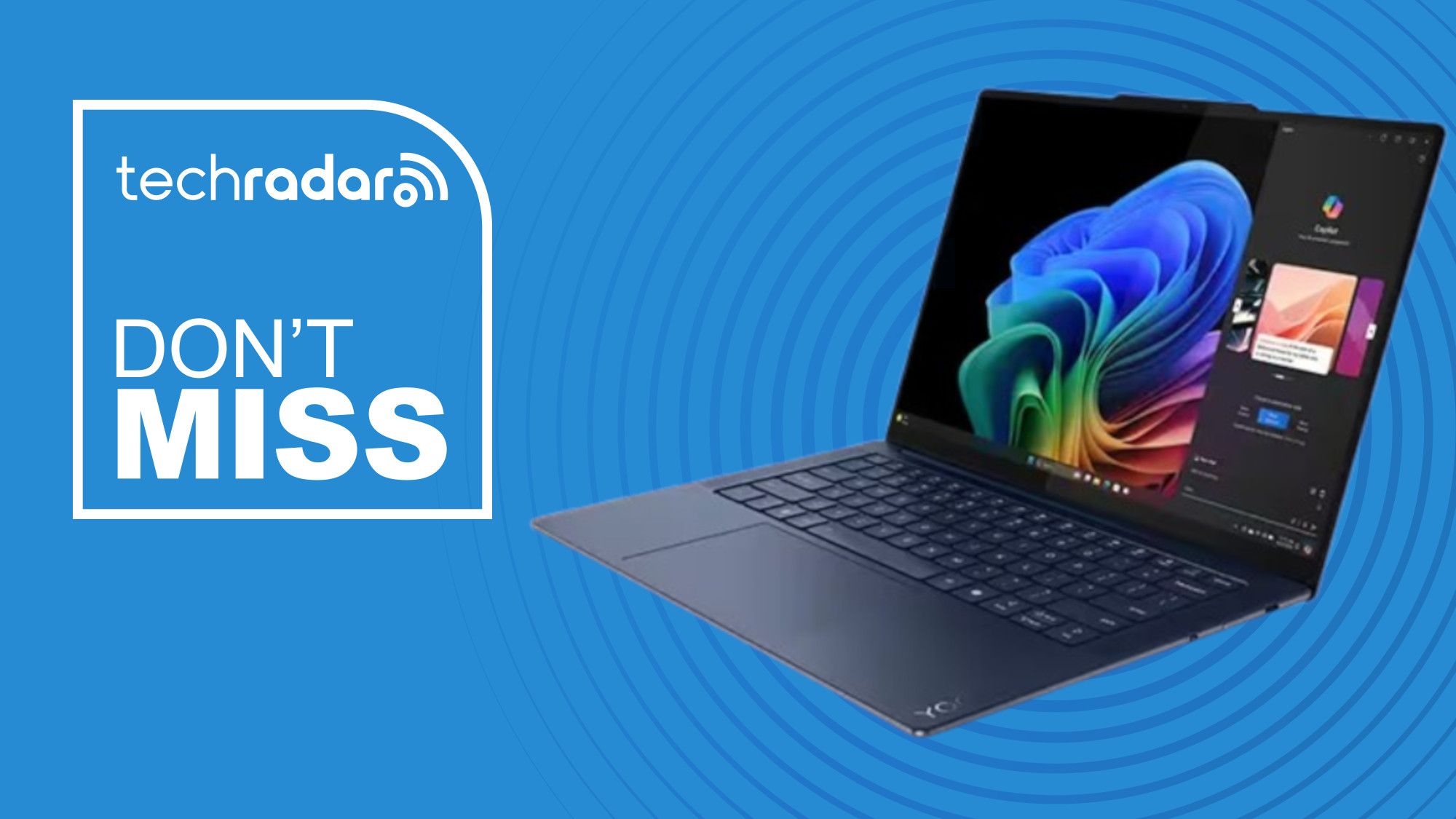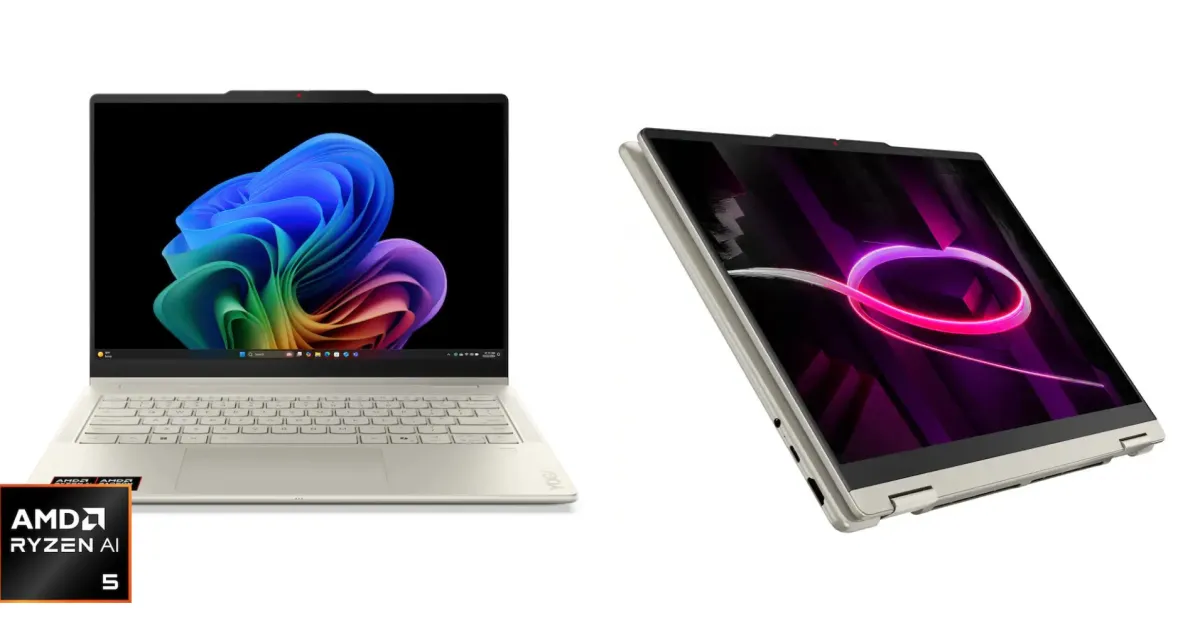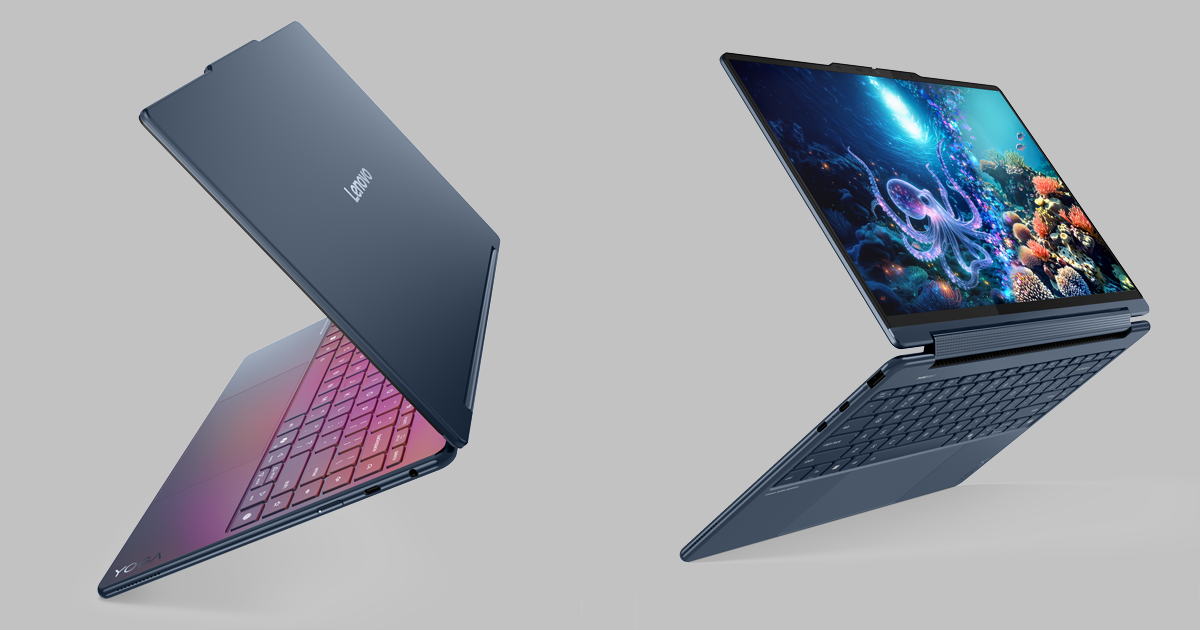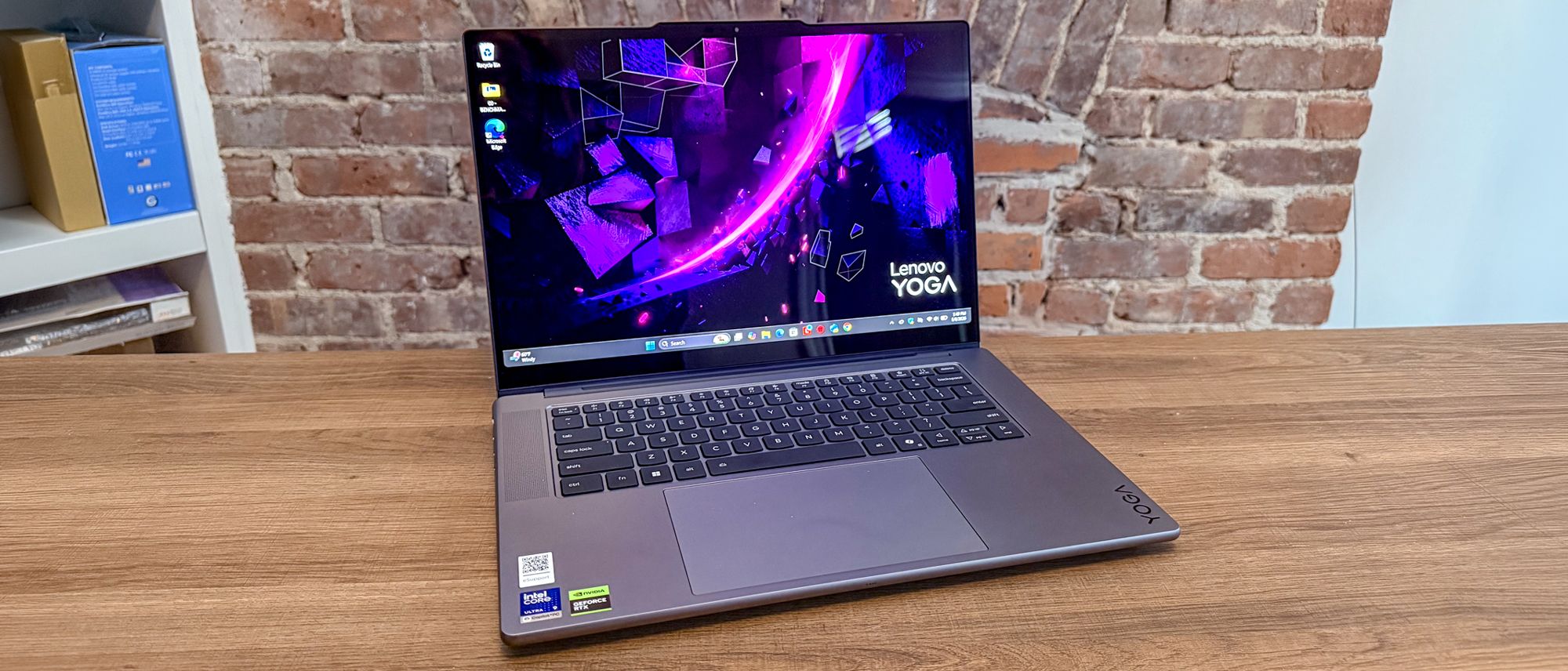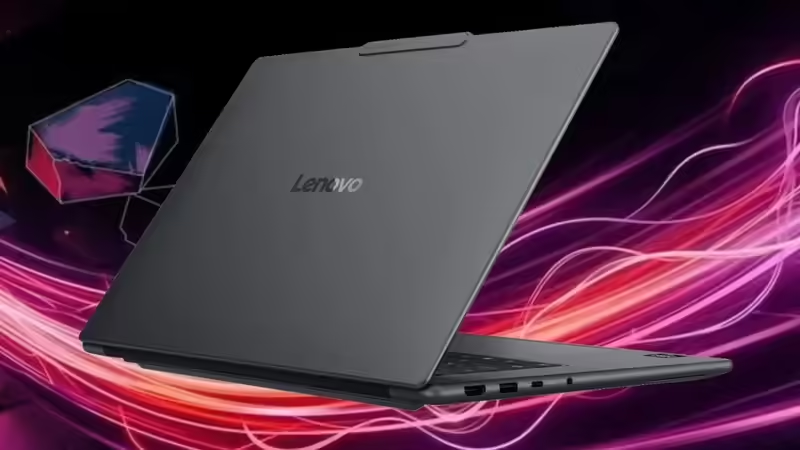
Lenovo has quietly added a serious machine to its premium laptop line. The Yoga Pro 7 15ASH11 is a 15-inch OLED notebook built on AMD's Strix Halo platform, pairing the Ryzen AI Max+ 388 with Radeon 8060S graphics and up to 128GB of memory - and it can hand as much as 96GB of that to the graphics, a trick held until recently for workstations. It reads as the productivity counterpart to Lenovo's Legion 7a gaming laptop on the same silicon. The company has slipped it into its global product database, with regional pricing still to come.All on one chipThe defining choice is what the 15ASH11 leaves out: a separate graphics card. AMD's Strix Halo packs Zen 5 CPU cores and a large Radeon 8060S integrated GPU into one package, drawing on a shared pool of memory in place of splitting system RAM from dedicated video memory. The Ryzen AI Max+ 388 sits at the entry of the Strix Halo stack, below the 392 and 395, yet it carries the full 40-core Radeon 8060S graphics. AMD's pitch is discrete-class performance without the bulk, heat and power draw of a dedicated GPU.Where the 96GB goesThe memory is the headline. With up to 128GB of LPDDR5X-8000 on board and a unified design, the 15ASH11 can assign as much as 96GB of that pool to the Radeon 8060S as graphics memory - a figure it shares with Asus's ROG Flow Z13. For everyday work, this means little. For running large AI models on the device, editing high-resolution video or handling big datasets, the size of the memory pool decides what the machine can hold at once. It is the feature that sets Strix Halo apart from ordinary premium laptops.SpecificationYoga Pro 7 15ASH11Display15in OLED, 2,560×1,600, 165Hz, 1,100 nits (HDR)ProcessorAMD Ryzen AI Max+ 388 (Strix Halo)GraphicsRadeon 8060S (integrated)MemoryUp to 128GB LPDDR5X-8000Max VRAM to iGPUUp to 96GBStorageDual SSD slotsBattery84WhCharging140W USB-CDimensions347 × 242 × 16.7 mm, ~1.71 kgIndicative priceFrom ~$2,099 (MWC); regional pricing pendingA 165Hz OLED up frontThe screen suits the billing. Lenovo fits a 15-inch OLED at 2,560×1,600, running at 165Hz and reaching 1,100 nits of peak brightness in HDR. The high refresh rate keeps motion smooth for scrolling and games, while OLED brings the deep contrast and colour that creative work rests on. The brightness helps with HDR content and in bright rooms.Thin shell, 84Wh batteryThe body stays practical. At 347×242×16. 7mm and about 1. 71kg, the 15ASH11 matches the dimensions of the Intel-based Yoga Pro 7 15IPH11, so the AMD platform fits the same slim chassis. Lenovo keeps an 84Wh battery with 140W charging over USB-C, and adds dual SSD slots for storage room and later upgrades. The aim is workstation-grade memory in a frame built to travel.AMD or Intel, your pickLenovo now offers the same Yoga Pro in two flavours. The Intel route, the Yoga Pro 7 15IPH11, pairs a Panther Lake processor with a discrete Nvidia GeForce RTX 5060. The AMD route, this 15ASH11, drops the discrete GPU and bets on the Radeon 8060S and a large unified memory pool instead. The split hands buyers a clear fork: Nvidia's dedicated graphics and software stack on one side, AMD's memory-led integrated approach on the other.The price, and India's waitThe open question is cost. Lenovo showed the machine at MWC as the Yoga Pro 7a with a starting price near $2,099 and an August target, yet its fresh global listing still awaits confirmed regional pricing. India sits in the usual holding pattern: Strix Halo laptops land here at the premium end, past Rs 2 lakh once they arrive, and Lenovo has stayed silent on the market. The appeal for Indian buyers is narrow but real - developers and creators who want to run large AI models on the device, in place of renting cloud compute, are exactly who a 96GB memory pool is built for.Frequently Asked QuestionsWhat is the Lenovo Yoga Pro 7 15ASH11?A 15-inch OLED laptop on AMD's Strix Halo platform, with the Ryzen AI Max+ 388, Radeon 8060S graphics, up to 128GB of memory and a 96GB VRAM allocation, aimed at creators and AI workloads.What is AMD Strix Halo?AMD's platform that combines Zen 5 CPU cores and a large integrated Radeon 8060S GPU on a shared memory pool, built to deliver discrete-class graphics without a separate card.Why does the 96GB VRAM matter?Most laptops reserve a small slice of memory for graphics. Assigning up to 96GB lets the integrated GPU hold large AI models, high-resolution video and big datasets in memory at once.How is the AMD model different from the Intel Yoga Pro 7?The Intel 15IPH11 uses a Panther Lake chip with a discrete Nvidia RTX 5060. The AMD 15ASH11 skips the discrete GPU and relies on the Radeon 8060S with a large unified memory pool.How much does it cost?Lenovo indicated a starting price near $2,099 at MWC, with an August target. Confirmed regional pricing, including for India, is still pending.Will it launch in India?Lenovo has confirmed no India plans. If it arrives, Strix Halo laptops sit at the premium end, past Rs 2 lakh.end of article
Lenovo Yoga Pro 7 15ASH11: AMD Strix Halo, 96GB VRAM, 15-Inch OLED
Find latest technology news, gadgets reviews & ratings. Popular & latest gadgets specifications, features, prices, photos & videos. Trending mobile phone comparisons, slideshows, how tos and videos for latest mobile phones, tablets, technology news updates.
844 words~4 min read