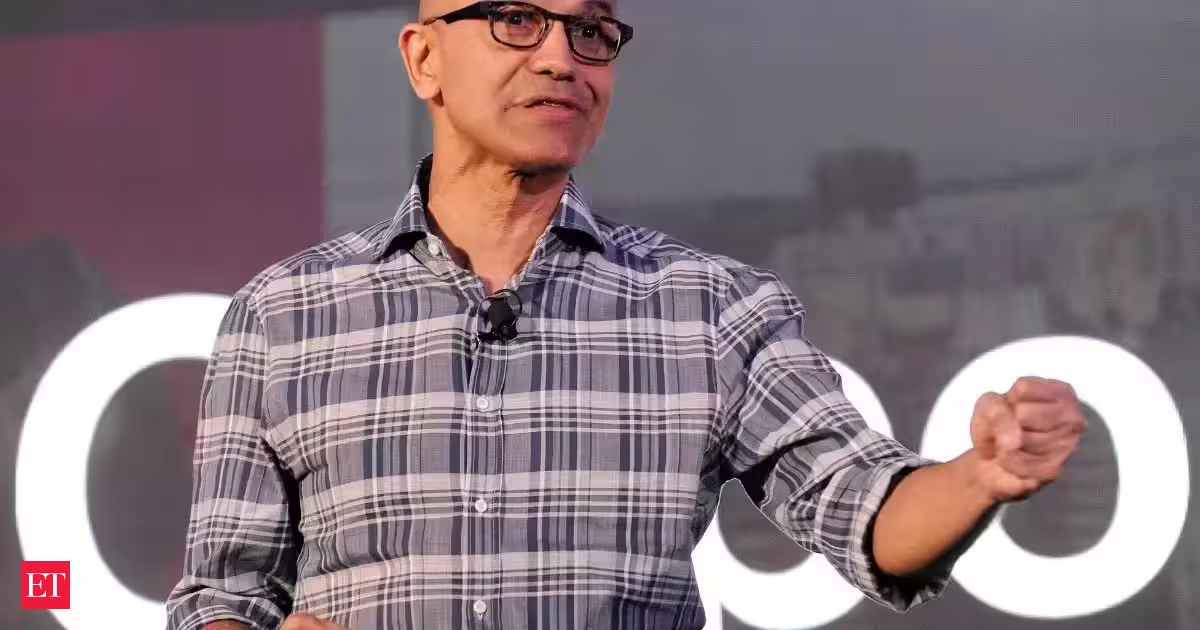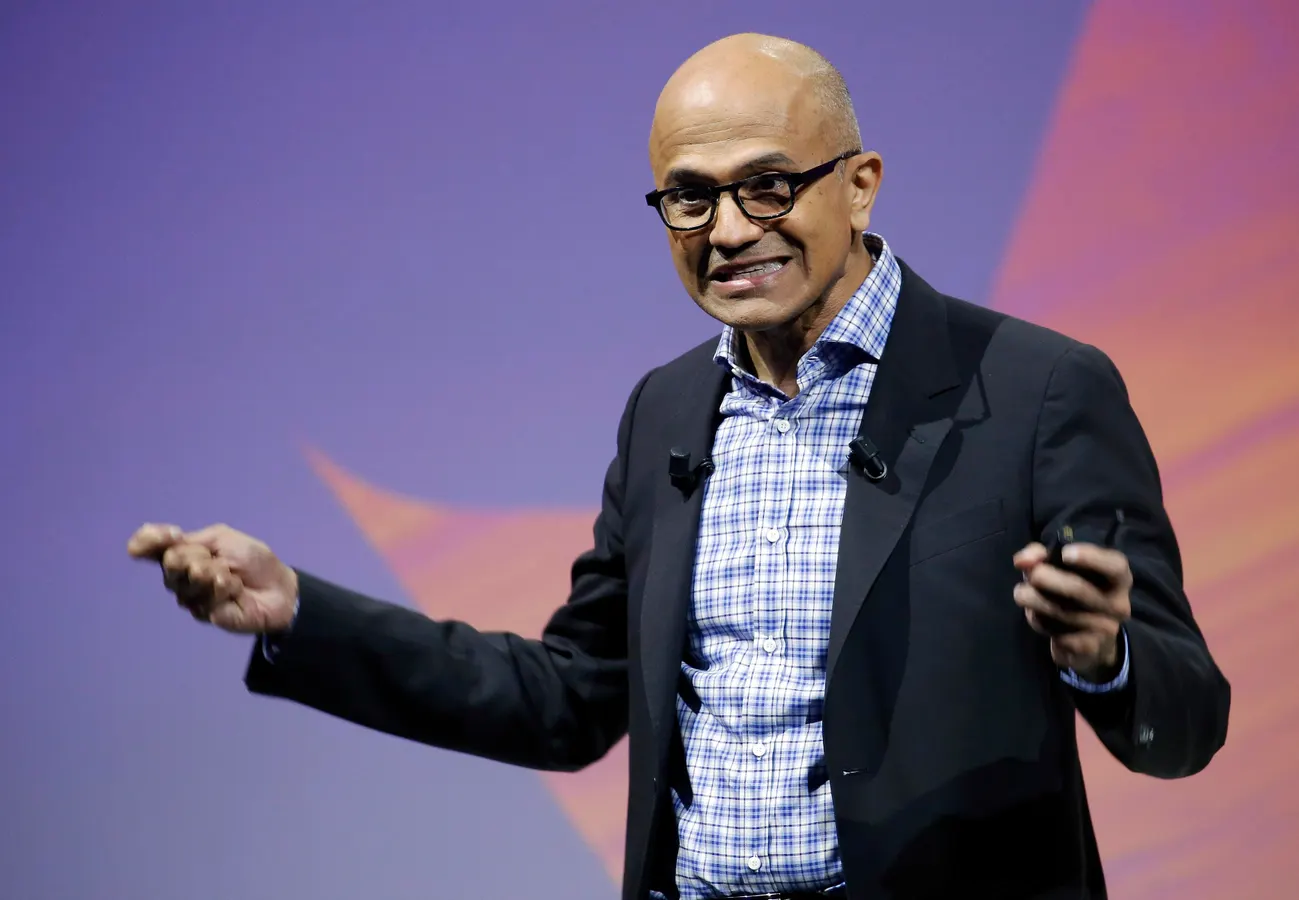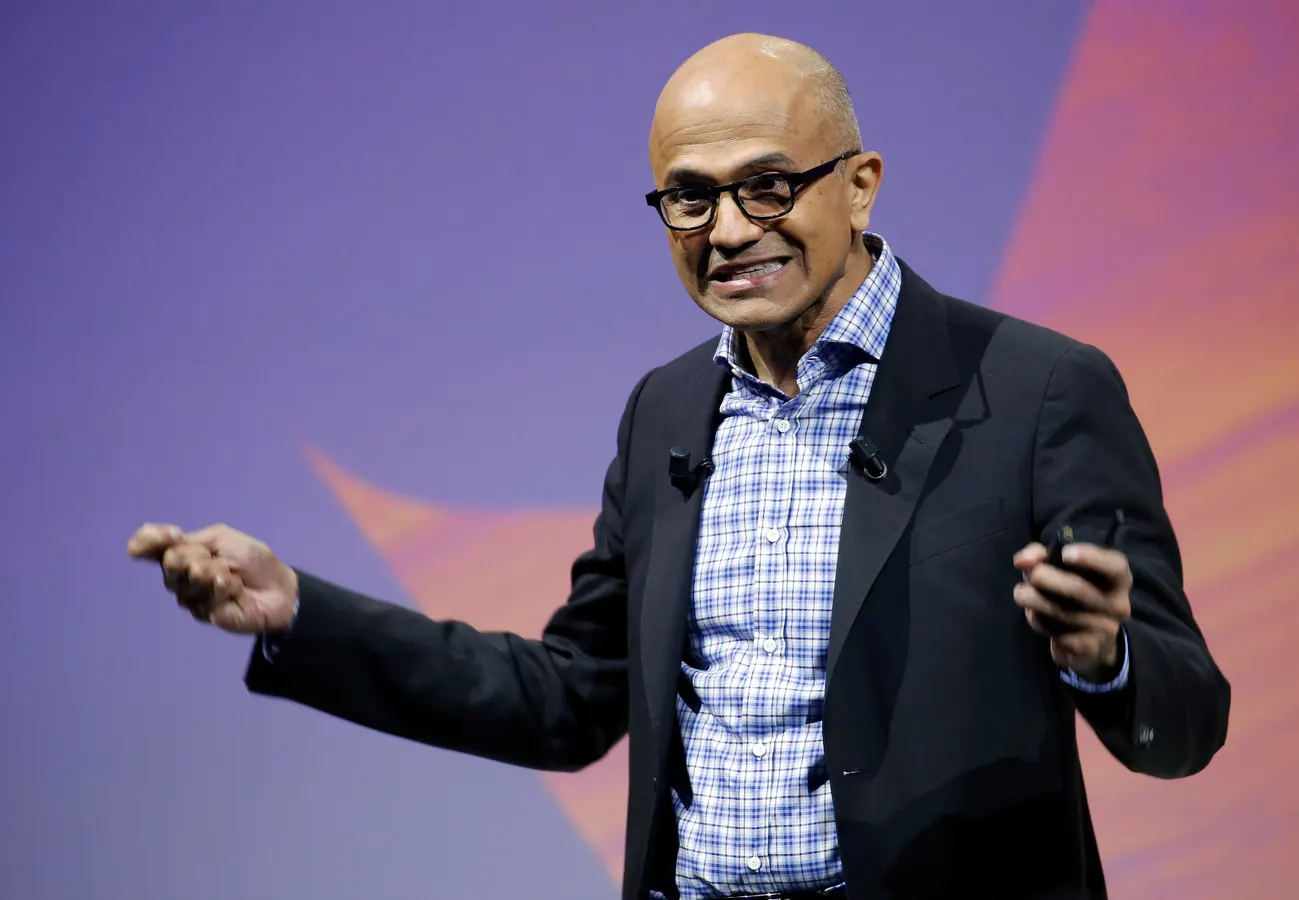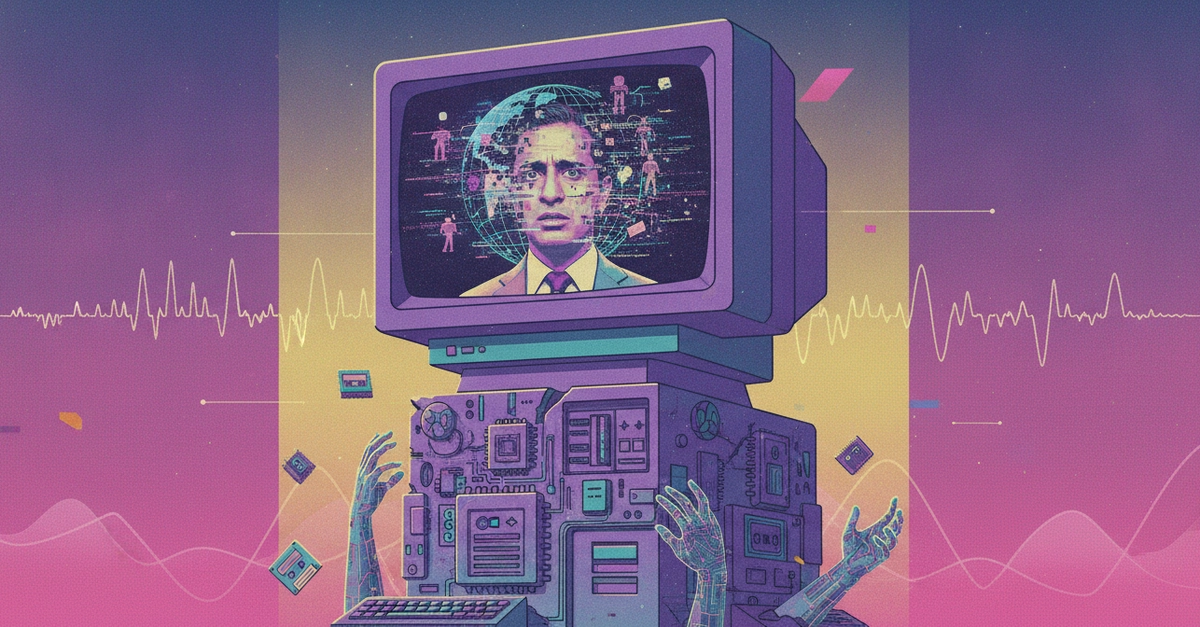
Satya Nadella has a warning for companies racing to pick the best AI model: that race is the wrong one. In a long post on X on June 14, the Microsoft chairman and chief executive argued that the lasting value in artificial intelligence will sit with organisations that own the learning loop around models, rather than with those that simply rent the most powerful one. He built the case on two assets every company will need - what he called human capital and token capital - and a caution that the gains could pool in the hands of a few model providers.Two kinds of capitalThe pitch starts with a distinction. Nadella split the company value into two forms. Human capital, in his telling, is the expertise, judgment, relationships, creativity and pattern recognition that employees hold. Token capital is the AI capability a company builds, owns and controls. The point of naming them together is that they compound: the more a firm grows its own AI systems, the more its people's knowledge matters, because someone has to direct the machine and decide what is worth learning.Human capitalToken capitalExpertise, judgment, relationships, creativity and pattern recognition held by peopleThe AI capability a company builds, owns and controlsSets goals, connects ideas across domains, gives directionExecutes, learns from company data and workflows, scalesGrows more valuable as AI growsCompounds through the learning loopHumans still steer the machineNadella pushed back on the idea that AI shrinks the value of people. As token capital grows, he argued, human capital grows with it, since people set the goals, connect ideas across fields and spot the patterns that count. "Without human direction, you have computers running in circles," he wrote - a line that doubles as his answer to the layoffs running through the technology sector. The work changes shape; the need for judgment stays.When the learning loop becomes IPThe practical core of the argument is ownership. Nadella urged companies to turn their workflows, domain knowledge and accumulated judgment into AI systems that improve with each use, through private evaluations, reinforcement-learning setups and internal knowledge bases. Done well, those feedback loops become a company's intellectual property — a compounding advantage rivals struggle to copy. A company can hand off a task or a whole job, he argued, yet its learning stays its own, and the firms that compound that learning across people and AI pull ahead.Few winners, and a warningThe post carried a sharper edge, too. Nadella cautioned against a future where a handful of general-purpose models absorb the expertise of entire industries and capture most of the economic returns, leaving everyone else dependent. He drew a line back to earlier waves of globalisation, where concentrated gains brought political and economic backlash, and argued that an AI economy built the same way courts the same trouble. His alternative - a "frontier ecosystem," in his words, over a single frontier model - is meant to let value spread across companies, industries and countries.The awkward part for MicrosoftThe messenger complicates the message. Microsoft has wired much of its AI strategy to OpenAI's frontier models, the very dependence Nadella warns others against, and critics were quick to note the tension, with some accusing the company of preaching ownership while building little frontier capability of its own. The post also arrived while Microsoft's stock trailed its big-technology peers and enterprise AI spending ran ahead of forecasts - a moment that turns the argument into a live question: does that spending buy companies their own capability, or deeper reliance on a few suppliers.India's services economy, on noticeFor India, the argument hits the core business. The country's IT-services giants sell human expertise at scale - the institutional knowledge Nadella says AI can absorb and commoditise. His case reads as both a threat and a route. The threat is that generic models swallow the playbooks these firms spent decades building. The route is to convert that judgment into owned AI systems that compound, in place of feeding it into someone else's model for free. For a sector that runs on people and process, owning the learning loop becomes the line between leading the shift and renting it.Frequently Asked QuestionsWhat did Satya Nadella say about AI?In a June 14 post on X, the Microsoft CEO argued that the lasting value in AI comes from building systems that compound a company's own knowledge over time, rather than from choosing the most powerful model.What are human capital and token capital?Human capital is the expertise, judgment, relationships and creativity of a company's people. Token capital is the AI capability the company itself builds, owns and controls. Nadella says the two grow together.What is a "frontier ecosystem"?Nadella's term for an AI economy where many organisations own the learning loops that hold their institutional knowledge, so value spreads across companies, industries and countries rather than pooling with a few model providers.What did he say about AI and jobs?He argued that people grow more valuable as AI advances, since they set goals and direction - summed up in his line that without human direction, you have compute running in circles.Why does this matter for Indian IT?India's services industry sells human expertise at scale, the very knowledge Nadella says AI can commoditise. His argument points these firms toward turning that expertise into owned AI systems rather than ceding it to external models.When did Nadella post this?On June 14, 2026, in an extended post on X.end of article
Satya Nadella Says AI's Real Value Lies in Owning the Learning Loop
Find latest technology news, gadgets reviews & ratings. Popular & latest gadgets specifications, features, prices, photos & videos. Trending mobile phone comparisons, slideshows, how tos and videos for latest mobile phones, tablets, technology news updates.
902 words~4 min read