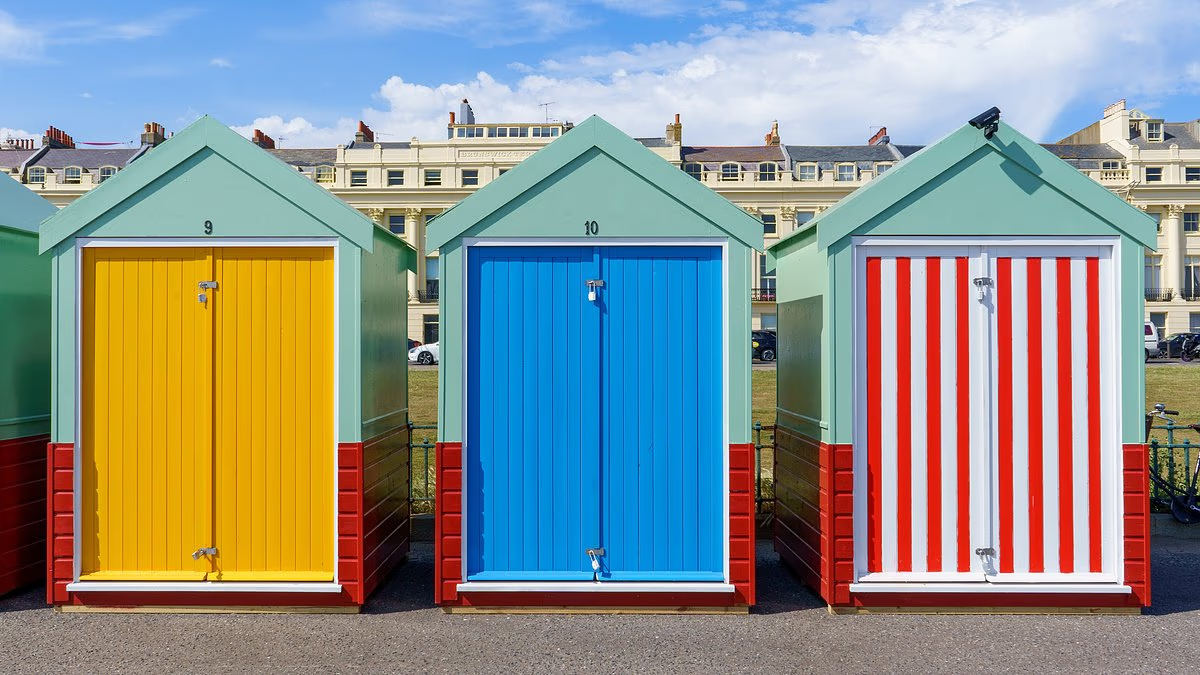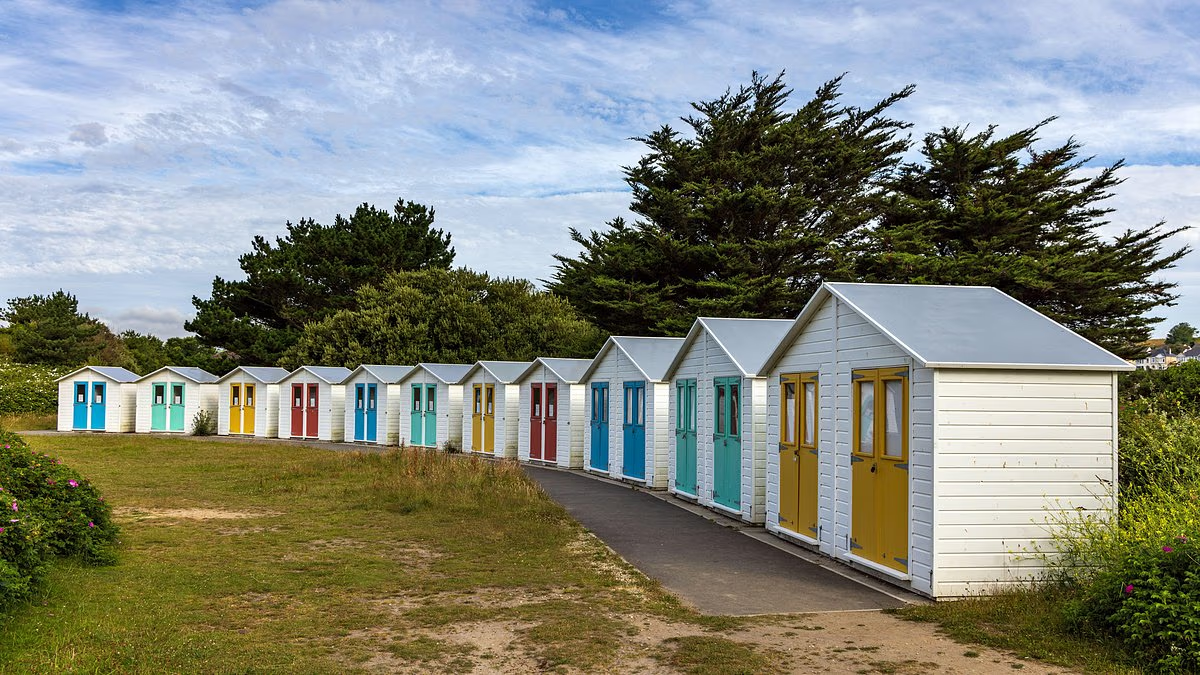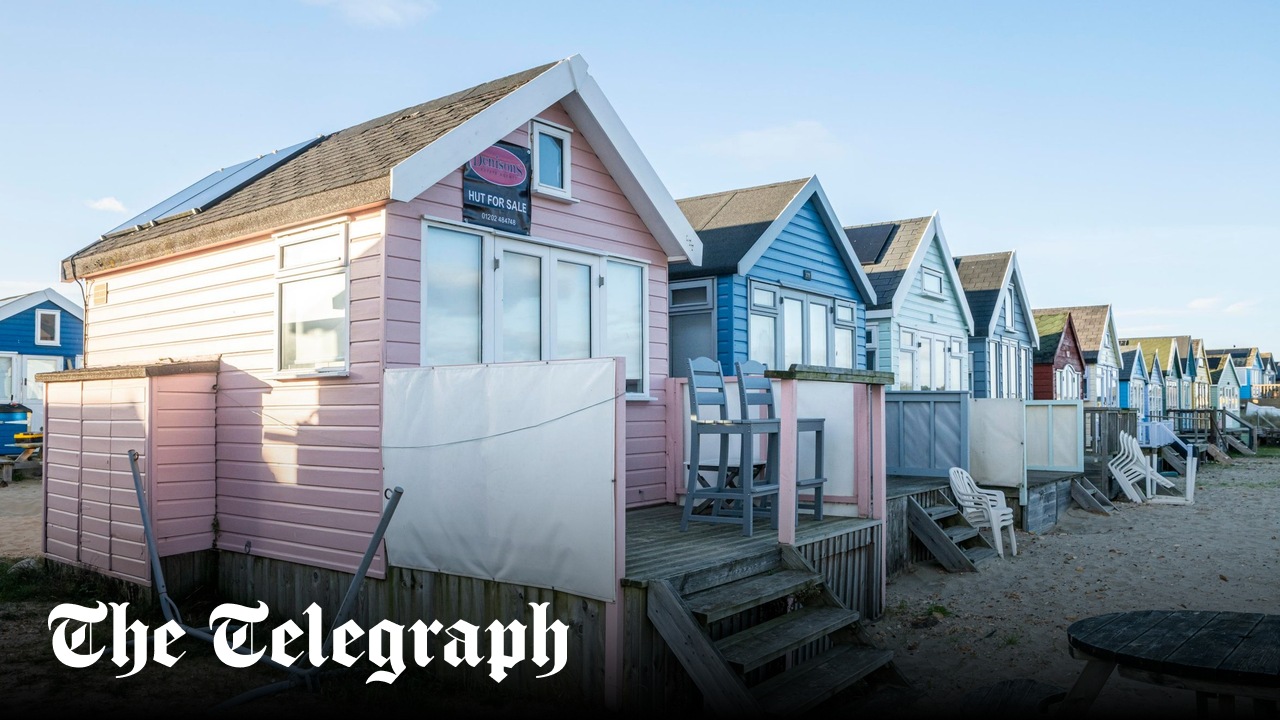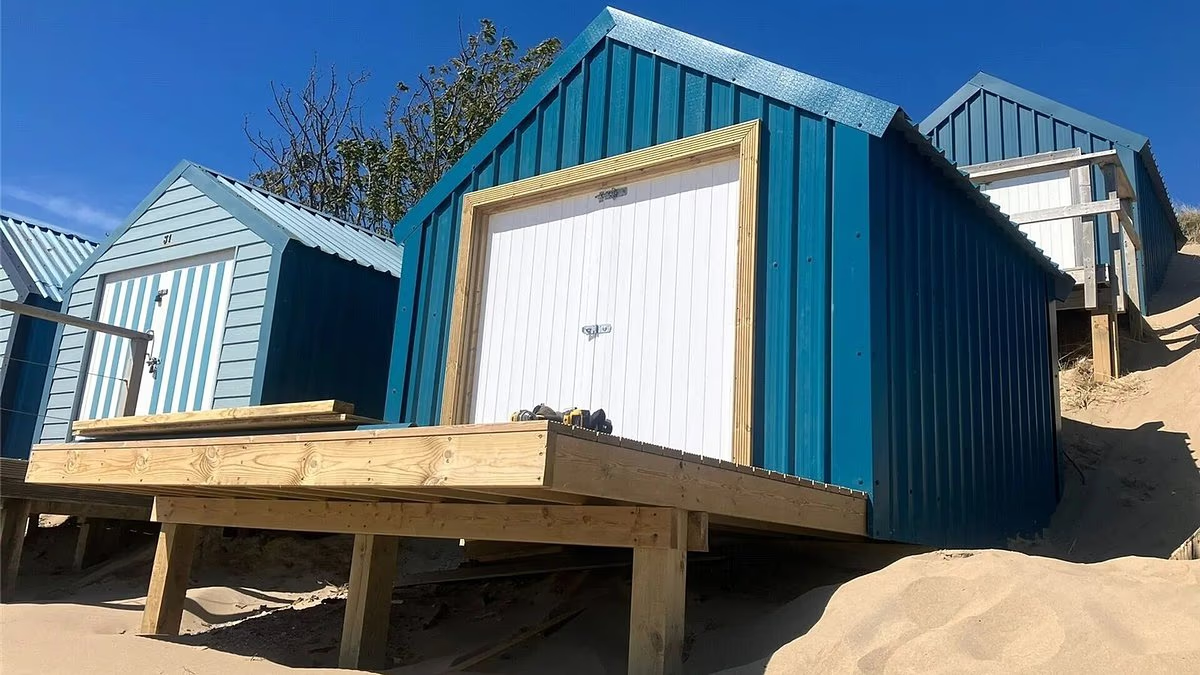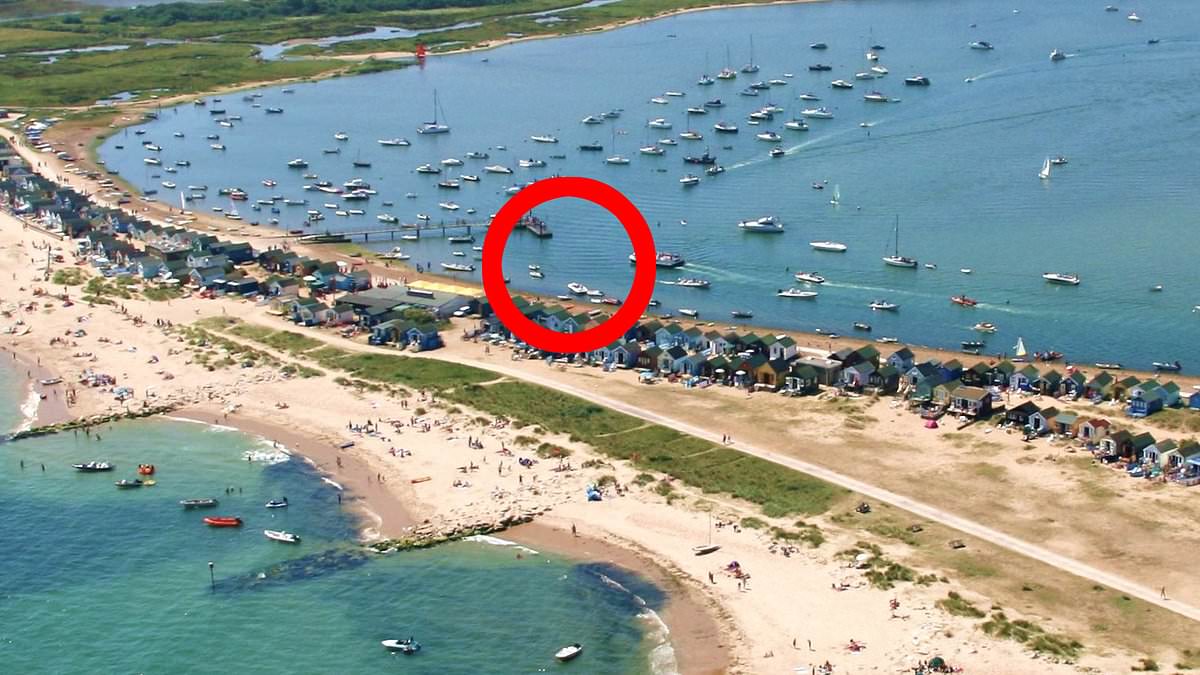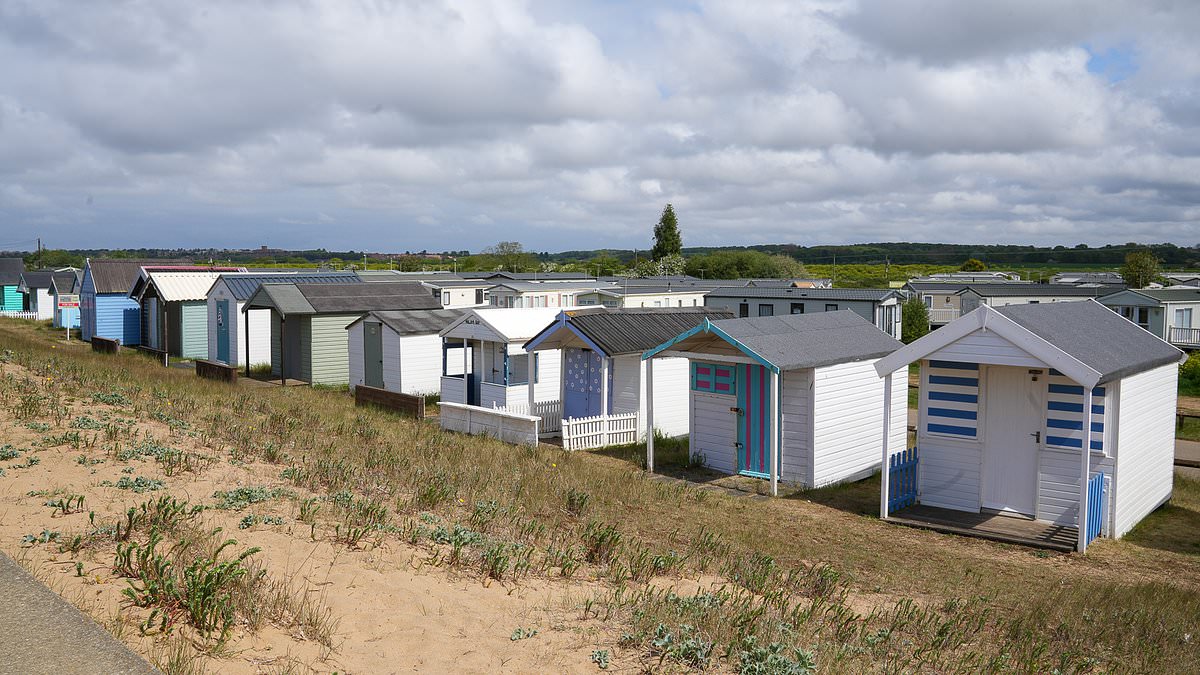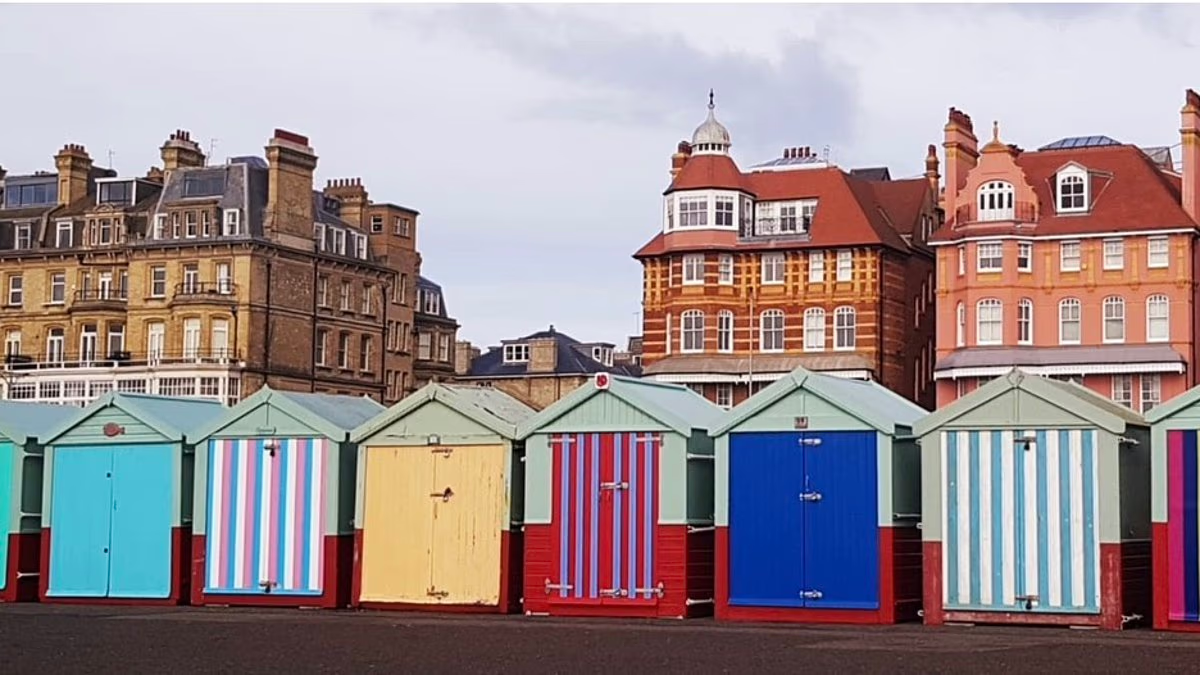
British beach hut owners say their shore-side retreats are tumbling in value after councils tried to cash in on their popularity during the pandemic - and sparked a 'hut glut'.While the small, wooden shoreside retreats can still command eye-watering prices in upmarket areas such as Sandbanks in Dorset - where a hut sold for £485,000 last year - a very different picture is emerging in less popular coastal spots. Bonny Holland, a retiree from Hove in East Sussex, says she fulfilled a childhood dream when she purchased her beach hut in 2018 for £25,000 - but she told the Daily Mail, she's now struggling to sell it, despite its value soaring to an estimated £39,000 just four years ago. Holland says that most of the huts near hers on the Western Esplanade beach at Hove, including hers, have also dropped in value by up to around £15,000. Bonny Holland pictured outside the colourful beach hut she's owned in Hove on England's South Coast since 2018; the retiree says she's now just hoping to get what she paid for the hut - £25,000 - back, despite prices rising to nearly £40,000 just four years agoThe retiree explains that when she was deciding where to invest a lump sum, it was either 'going to go into an ISA or a beach hut', and she chose the latter, hoping it would be a fun way to spend her retirement.While Holland says she's enjoyed plenty of summers reading, cooking and enjoying the sea air in the hut, she's now keen to sell after finally getting an allotment plot in the resort town - but the outlay has proved a painful learning curve. Alongside the maintenance of the colourful hut - which requires marine-grade wood and a tarmac base to withstand its coastal location, Holland has also been affected by a change in regulations by Brighton and Hove City Council in 2024 - and estimates she's spent around £8,000 over the eight years she's had it, in addition to the original cost of the wooden property. The huts can't be rented out either so there's no additional potential revenue streams for owners - and the arrival of 11 new huts, recently installed by the council, have further hindered demand. When owners do sell, they must pay 10 per cent of the sale price or four times the annual license fee of £534.27, whichever is greater.Says Holland: 'In effect, it's put a dampener on prices…so that now most huts are priced in the region of £20,000 to £25,000 depending on condition and location - and then we've had the cost of living crisis too.' Brighton and Hove City Council has installed 11 new beach huts on the Western Esplanade, close to Hove Lagoon - asking for offers in excess of £25,000 for themInside Bonny Holland's colourful beach hut; she says she's dreamed of owning her own hut since childhood but annual licence fees, maintenance and plunging values have taken the joy out of itHolland said that despite putting the word out locally and on social media, she hadn't had any responses within a week after putting her hut on the market earlier this year. 'That kind of told me something because during the pandemic, if you put your beach hut up for sale, you'd have dozens and dozens of enquiries. At one point, just after Covid, in 2021, they were selling for £37, 38... 39,000.''It used to be that between five and 10 huts would go on the market every year, it was a case of supply and demand but because Brighton & Hove City Council has put 11 new huts on the market, they've doubled the supply.' The Daily Mail has contacted Brighton and Hove City Council for comment.Laura Simpson, Head of Lettings at local estate agents Darling Beach Huts, told the Daily Mail: 'We have not seen a decrease in demand for huts in Hove, however the prices are slightly lower than during Covid times. 'We do sometimes find people will pay more for their perfect location. It is also weather dependent. We had one of our busiest months of April but the beginning of June has been quiet.'Elsewhere, other councils have taken a similar approach of installing new huts to try and boost revenues while demand was high. Over in Herne Bay in Kent, 14 new huts were introduced by Canterbury City Council to the resort's East Cliff Promenade in 2022 with a £30,000 price tag. Four years on, six remain unsold, are now priced at £19,500... and the council says it's open to offers In Herne Bay, Kent, Canterbury City Council unveiled 14 new beach huts in 2022, expecting 'high demand' and originally listing them for sale at £30,000 each.However six of the huts, which sit on the East Cliff Promenade, are yet to sell and are currently listed on the authority's website at £19,500 - with the council open to offers. In Dorset, the local council ruled earlier this year that 300 seaside huts at Mudeford Spit and Hengistbury Head would now be considered 'second homes', making them a much less desirable proposition for many. New regulations introduced by Bournemouth, Christchurch and Poole (BCP) Council, which came into force in April, means owners can no longer take advantage of a reduction in council tax on their beach huts. It's not just beach huts that have seen prices drop, the UK has seen a cooling of coastal property prices generally. New research published last week suggests that house prices in the nation's seaside resorts have dropped on average up to 38 per cent in a year, with towns in some of the country's most popular areas for tourism hit. According to a study last week released by UK estate agent Yopa, prices in Fowey, Cornwall have plunged by 18.3 per cent, while Portmeirion in Wales has seen a 20.2 per cent slump. In Northumberland, the average price of homes by the sea have declined by 40 per cent says Yopa, compared to prices recorded last year. Yopa's Chief Executive Verona Frankish said the stats reflected changing aspirations during the Covid era - that are proving to be short-lived.Frankish said: 'Many of Britain’s coastal hotspots enjoyed exceptional levels of house price growth during the pandemic, as buyers prioritised lifestyle and location whilst taking advantage of greater flexibility around where they lived and worked.'As the market has normalised, it’s no surprise that some of these premium locations have seen house prices cool.'However, what this research demonstrates is that demand for coastal living remains remarkably resilient and, even where we’ve seen price corrections, many of the nation’s most desirable seaside locations continue to command a significant premium over their surrounding market.'
Beach hut prices plunge after councils try to cash in on popularity
Expensive annual licence fees, specialist maintenance and increased stock - after councils installed more huts - have seen the British beach hut become less desirable.
1,116 words~5 min read