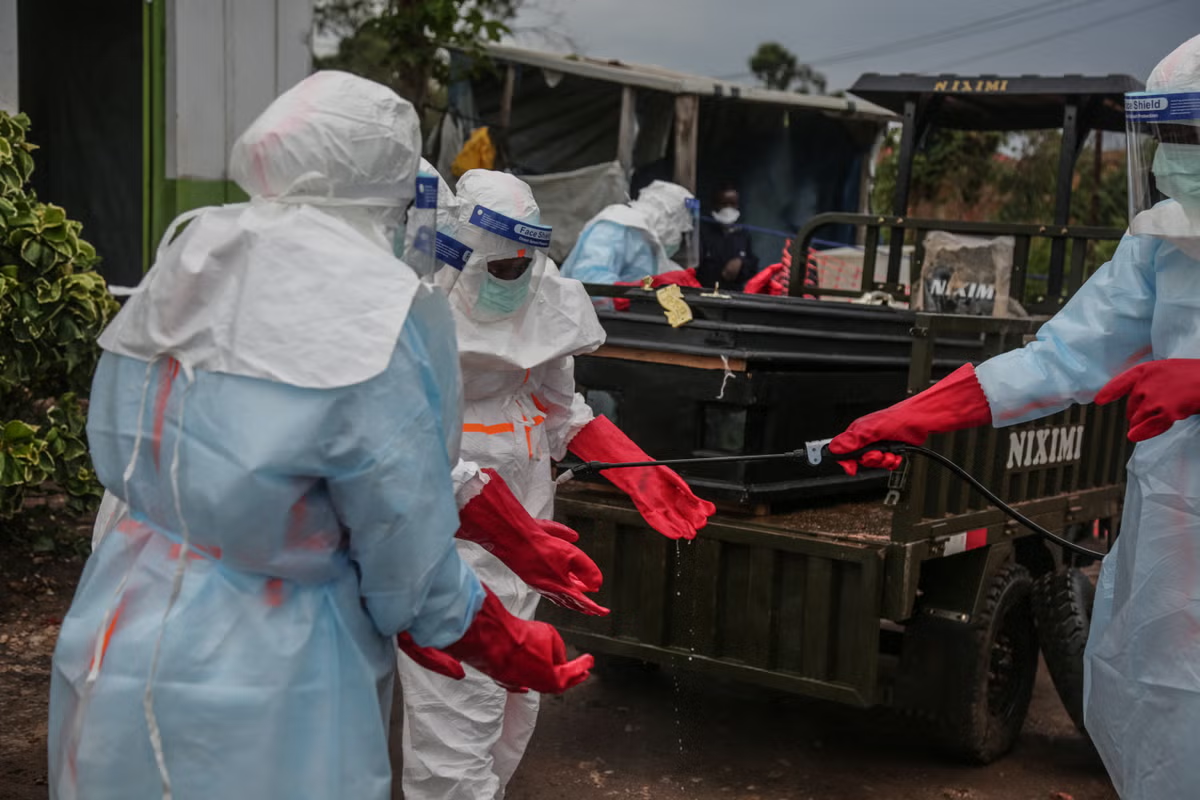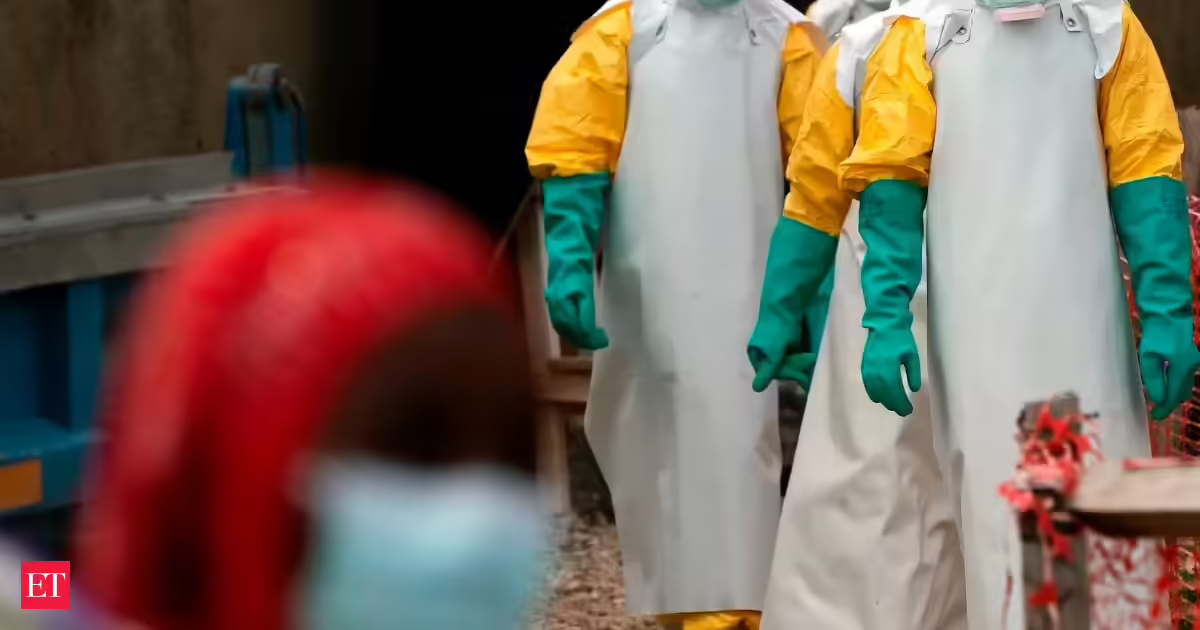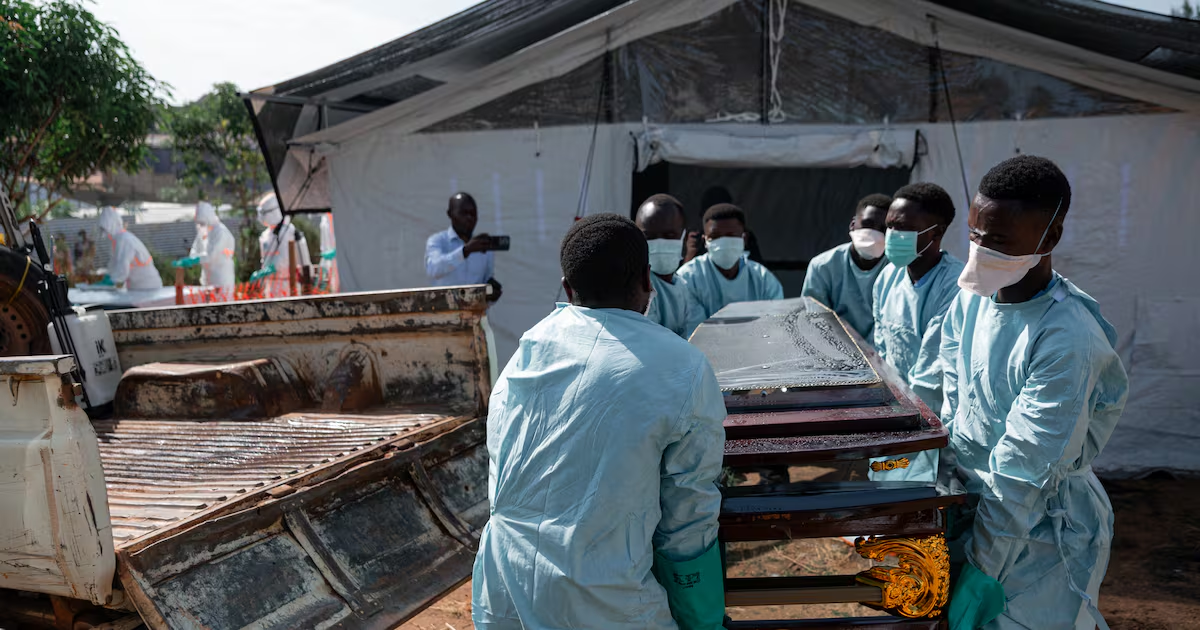
Ireland has “further strengthened” preparedness for infectious diseases in recent months and the risk of Ebola to the country “remains low”, the State’s watchdog has said.Last month, the World Health Organisation (WHO) declared the Ebola outbreak in central Africa as a “public health emergency of international concern”.The outbreak, caused by the Bundibugyo virus, has affected the Democratic Republic of the Congo (DRC) and Uganda, with increasing concern about its spread.Cases have been reported in several provinces of DRC, and Uganda has confirmed cases linked to internal transmission as well as cases linked to travel from DRC indicating cross-border transmission.Neighbouring countries are considered to be at high risk of further spread, according to the WHO.In a statement on Monday, the Health Protection Surveillance Centre (HPSC) said Ireland has prior experience managing Ebola-related preparedness as part of international public health collaboration. “There are established high consequence infectious diseases (HCIDs) clinical pathways, including isolation, infection prevention and control, and transfer protocols remain in place and are under continuous review,” the watchdog said.“Preparedness for HCIDs has been further strengthened in recent months, including enhanced operational readiness following recent public health events, ie Hantavirus.”The HPSC said the State’s National Virus Reference Laboratory has capacity for testing and has established arrangements with laboratories in the EU and UK to ensure enhanced testing capacity if required.“Ireland is well prepared to manage an imported case of Ebola, should this occur,” it added.“However, the current risk level remains low and there are robust surveillance systems, international co-ordination and HCID preparedness measures in place to ensure an effective response if needed.”The WHO said that as of June 10th, 676 confirmed cases, including 136 deaths, have been reported from the DRC. As of June 11th, Uganda has reported 19 confirmed cases including two deaths, as well as one probable case who has died. So far, 32 patients have recovered.Bundibugyo virus disease (BVD) is a severe and often fatal form of Ebola, with fruit bats suspected to be the natural reservoir.According to the WHO, human infection is thought to occur through close contact with the blood or secretions of infected wildlife, such as bats or non-human primates.It subsequently spreads from person to person through direct contact with the blood, secretions, organs or other bodily fluids of infected individuals or contaminated surfaces or items.The incubation period for BVD ranges from two to 21 days, and individuals are not infectious until symptom onset. Early symptoms are fever, fatigue, muscle pain, headache and sore throat. These symptoms then progress to gastrointestinal symptoms and organ dysfunction, and can in some cases result in haemorrhage.
Ebola risk low in Ireland, watchdog says, as WHO monitors emergency in DRC and Uganda
State is ‘well prepared’ if a case is imported, with increased readiness in the wake of Hantavirus, according to watchdog
428 words~2 min read