Philip Patrick
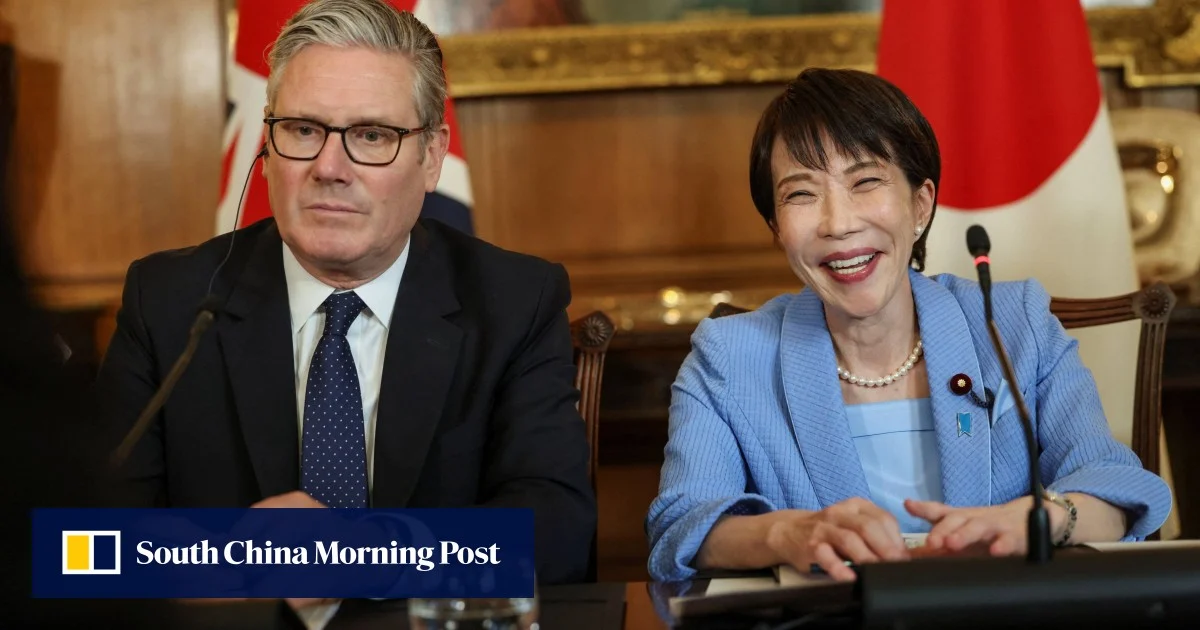
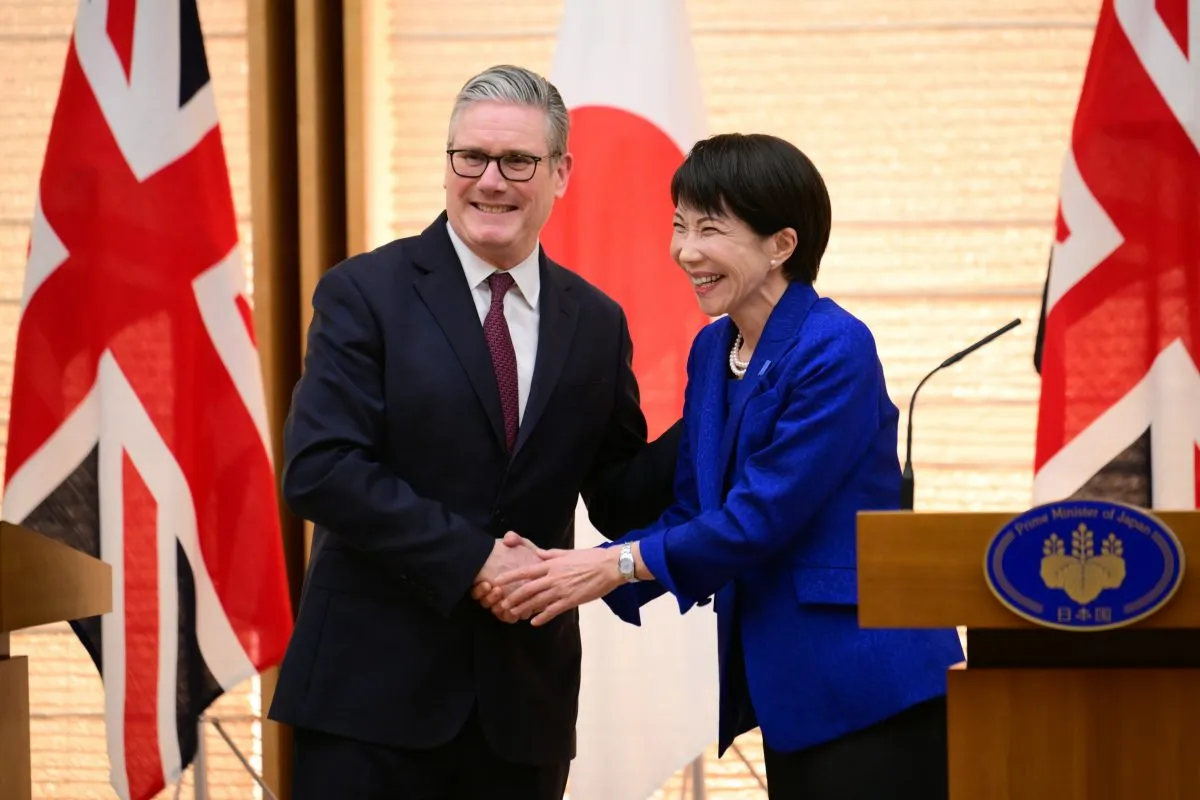
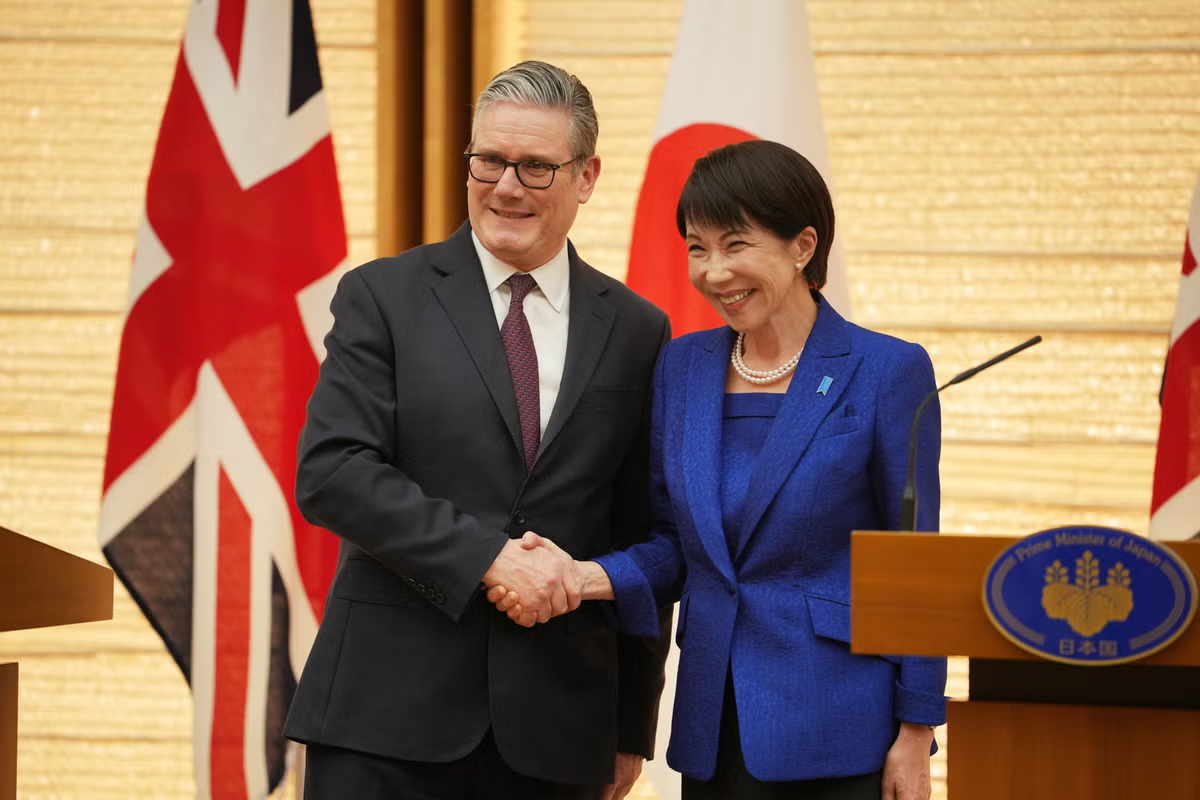
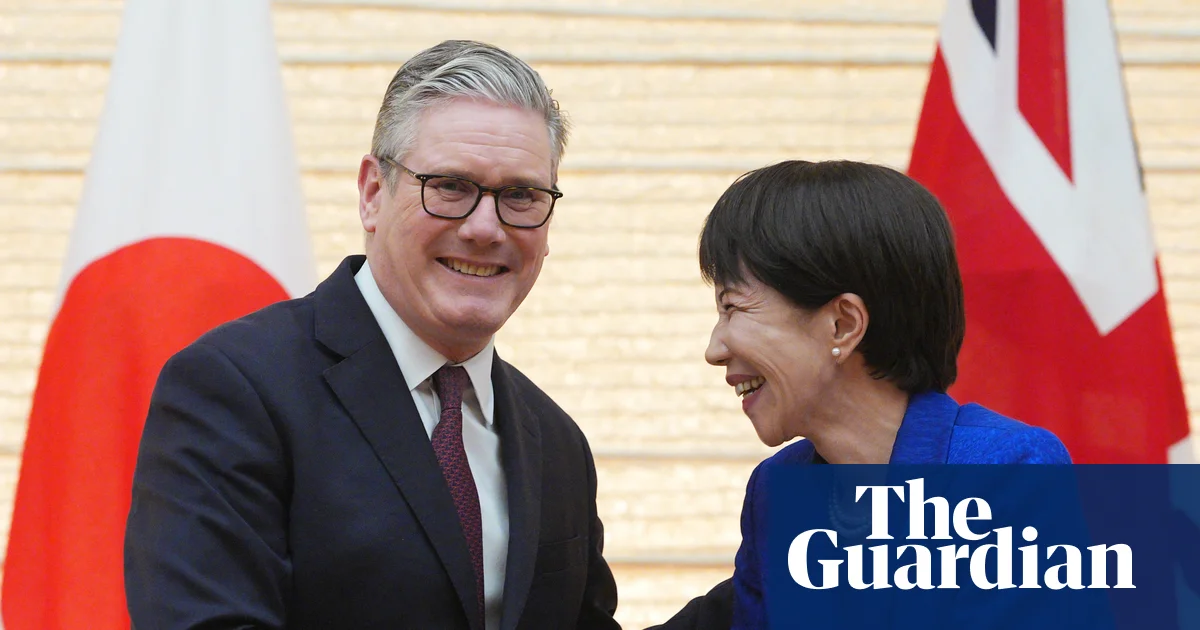
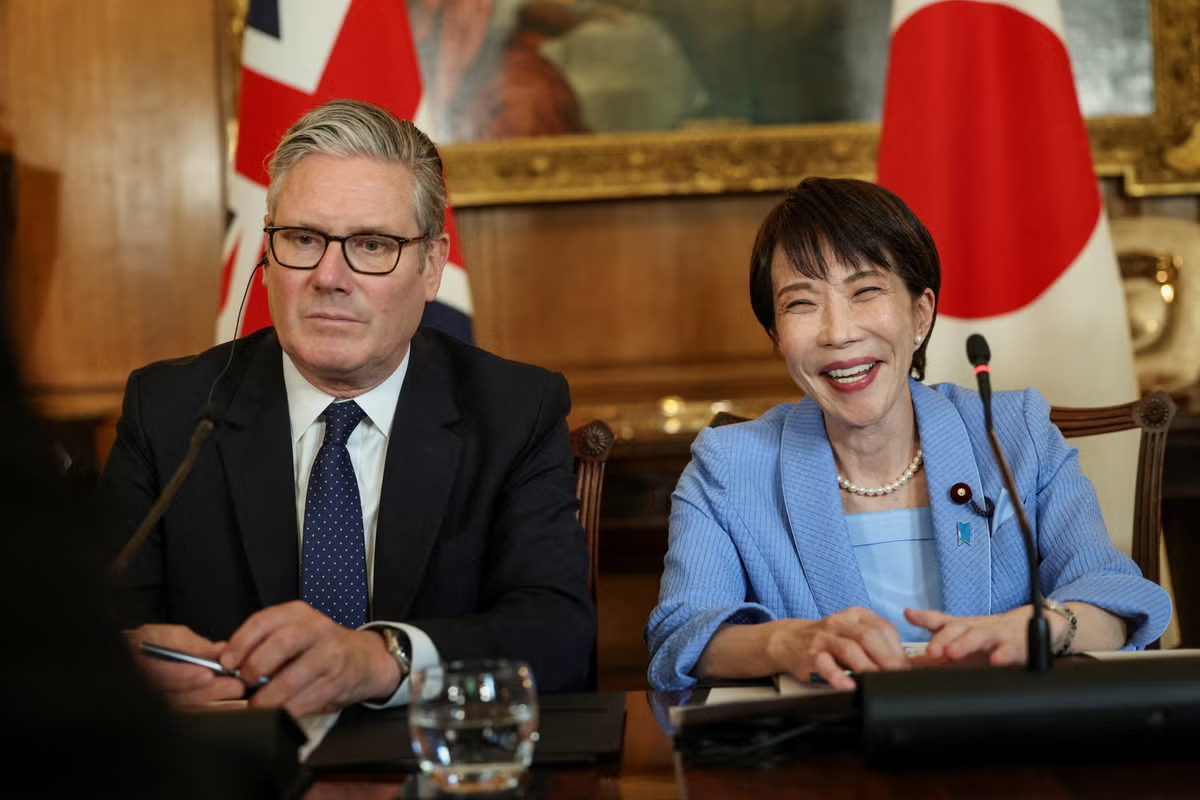
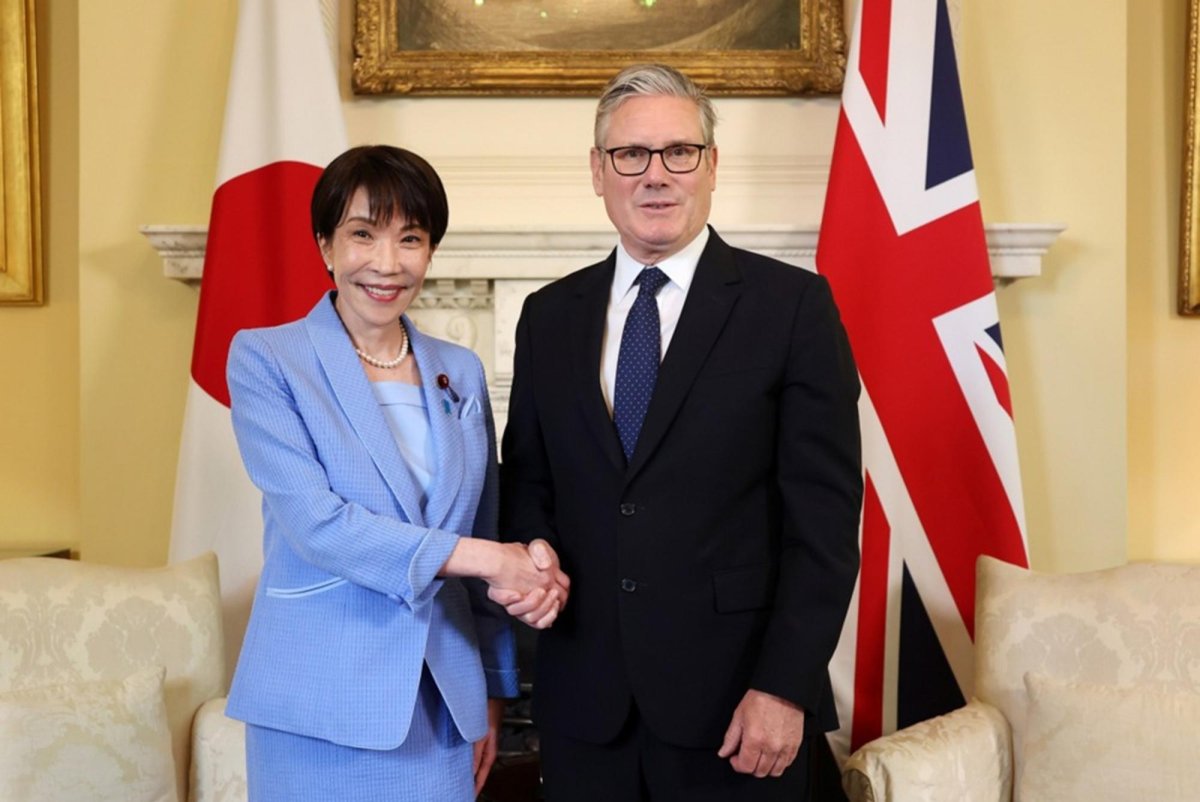
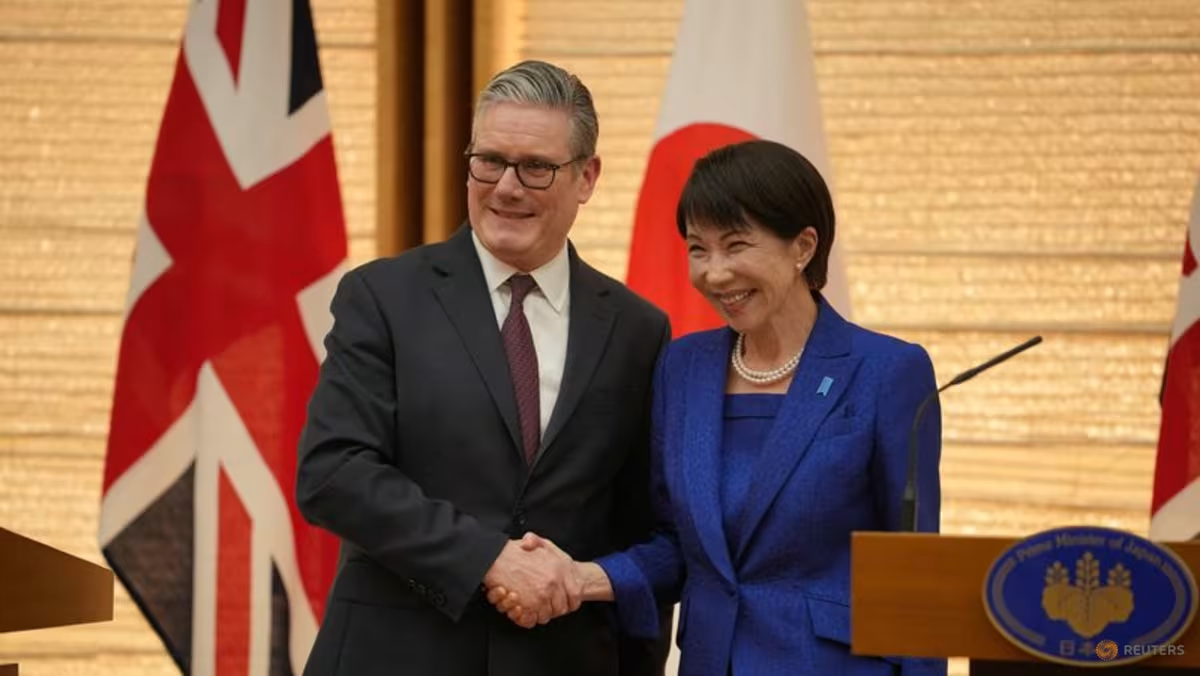
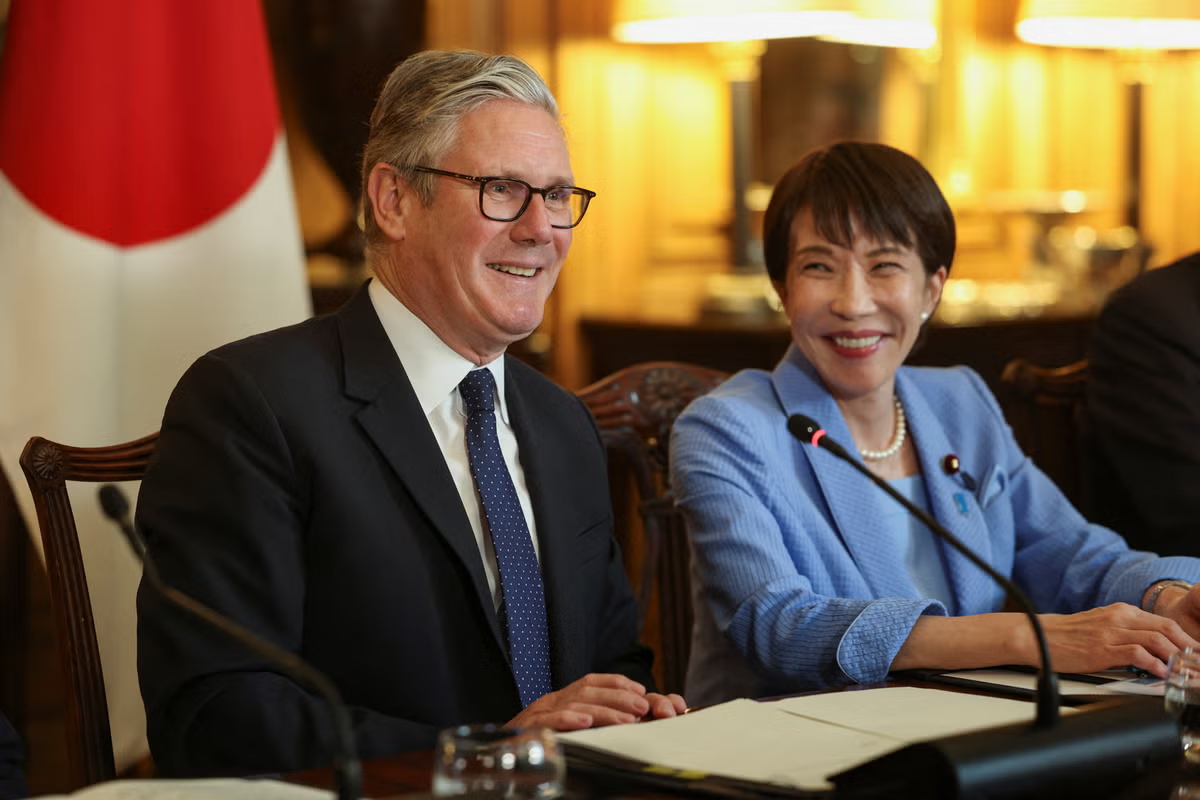
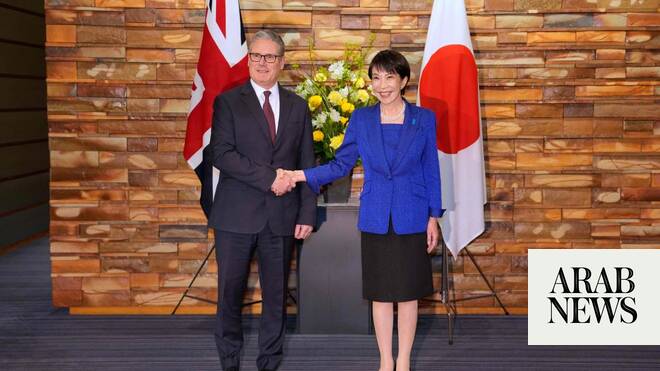
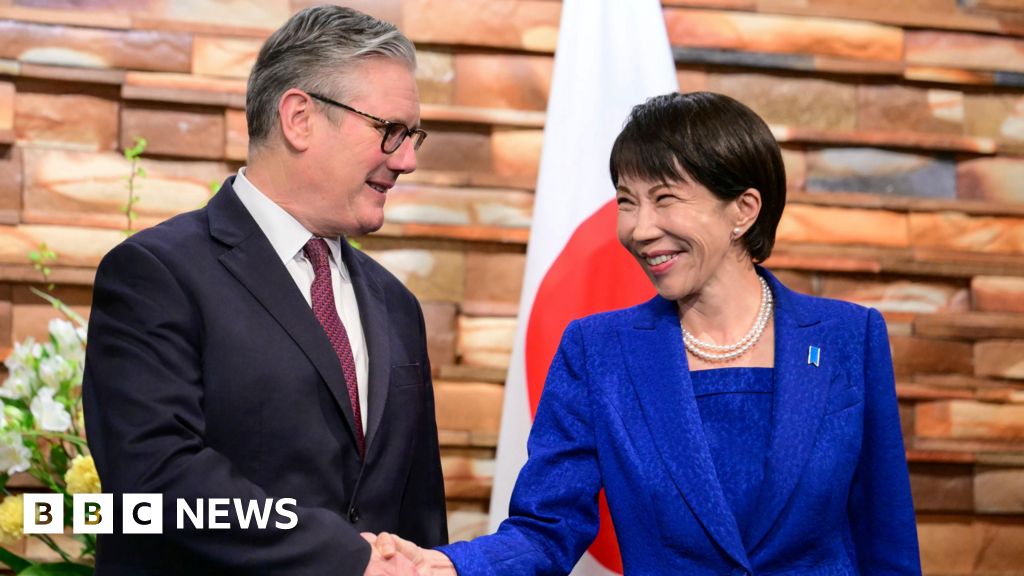
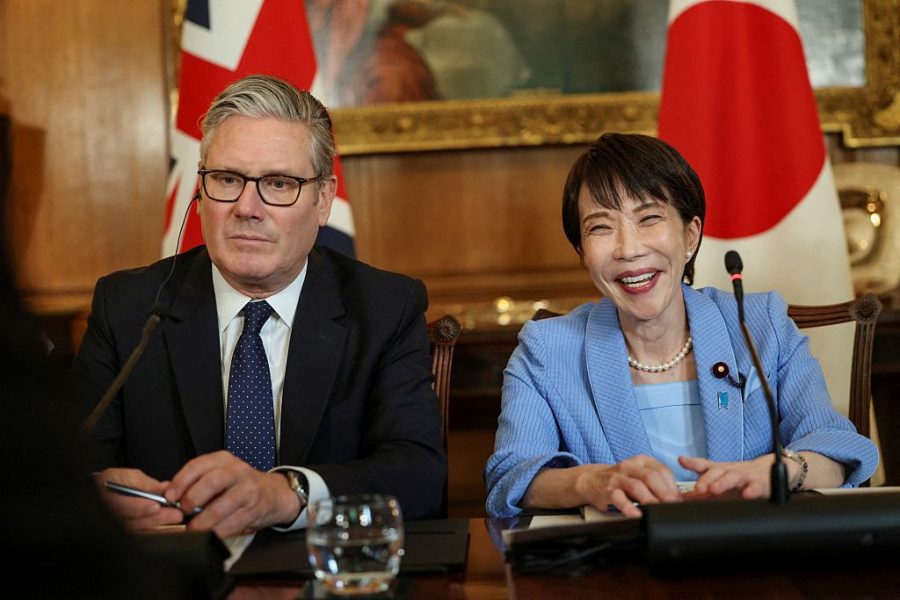
It was all smiles for the press when Japanese prime minister Sanae Takaichi visited Keir Starmer at No. 10 on Sunday for trade and security talks. But how friendly it all was behind the scenes is another question.
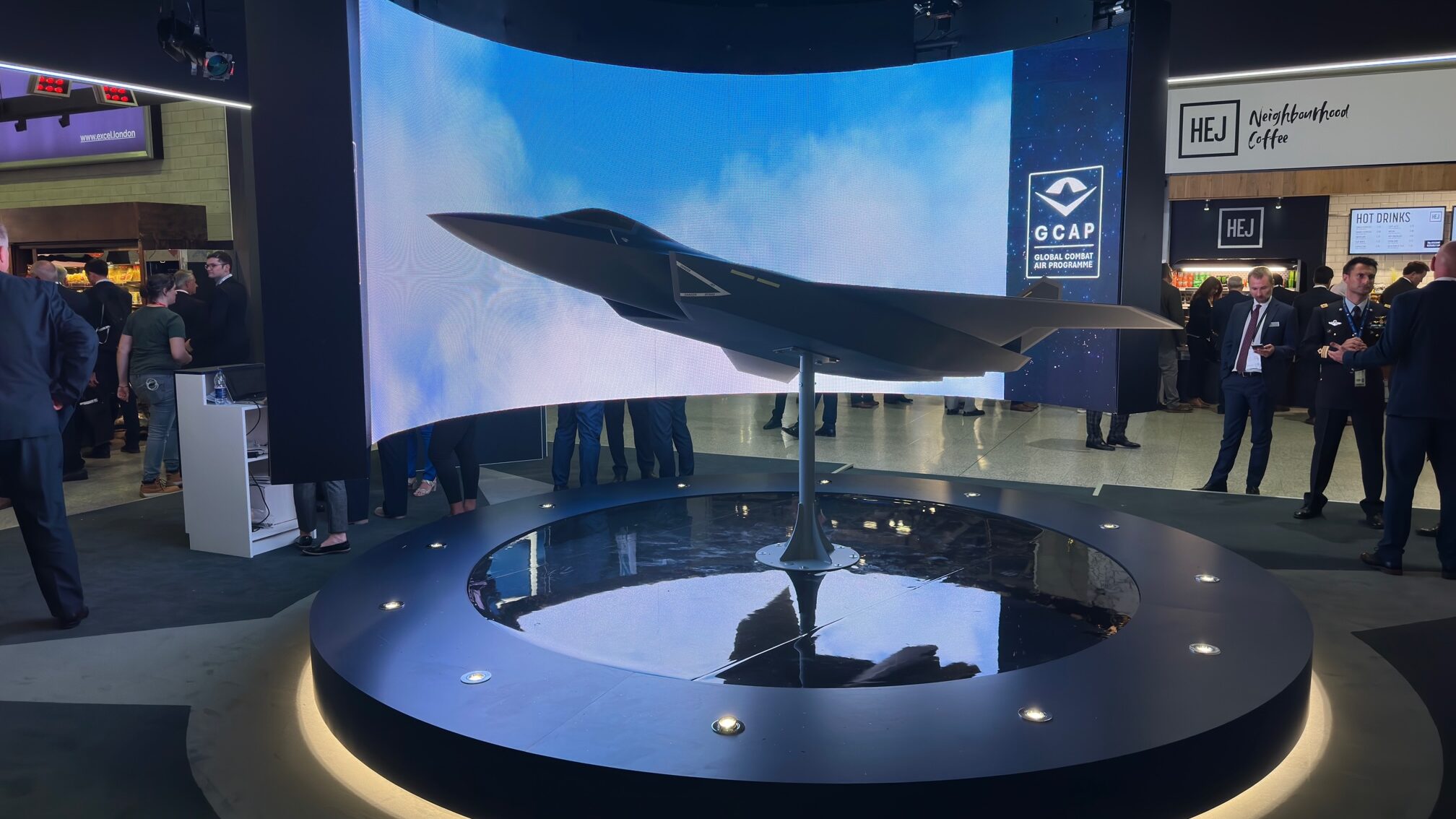
Doubts have been growing about the true state of the much-trumpeted new dawn of defence cooperation between Japan and the UK, and especially the future of the GCAP fighter jet project (a tripartite initiative with Italy to develop a sixth-generation stealth jet fighter by 2035). Such concerns have only intensified since the dramatic resignations of defence secretary John Healey and veterans minister Al Carns last week.
Takaichi remains bullish for now. Speaking through a translator, she said the UK and Japan had agreed to ‘accelerate the progress of GCAP’ and that the UK and Japan were in a ‘quasi-alliance’. Starmer, more obliquely, said only that the two would ‘confirm’ their shared commitment to the project and ‘discuss’ the launch of the next phase.
A transitional ‘bridging’ contract was signed on 2 April (to last until 30 June) between GIGO (GCAP International Government Organisation) and the trilateral joint venture Edgewing. A new longer-term contract is supposed to be signed at the end of the month, but Starmer gave few deatils about what that would look like or its exact duration. And he didn’t say how much money the UK would commit to the project. It was all a bit vague…