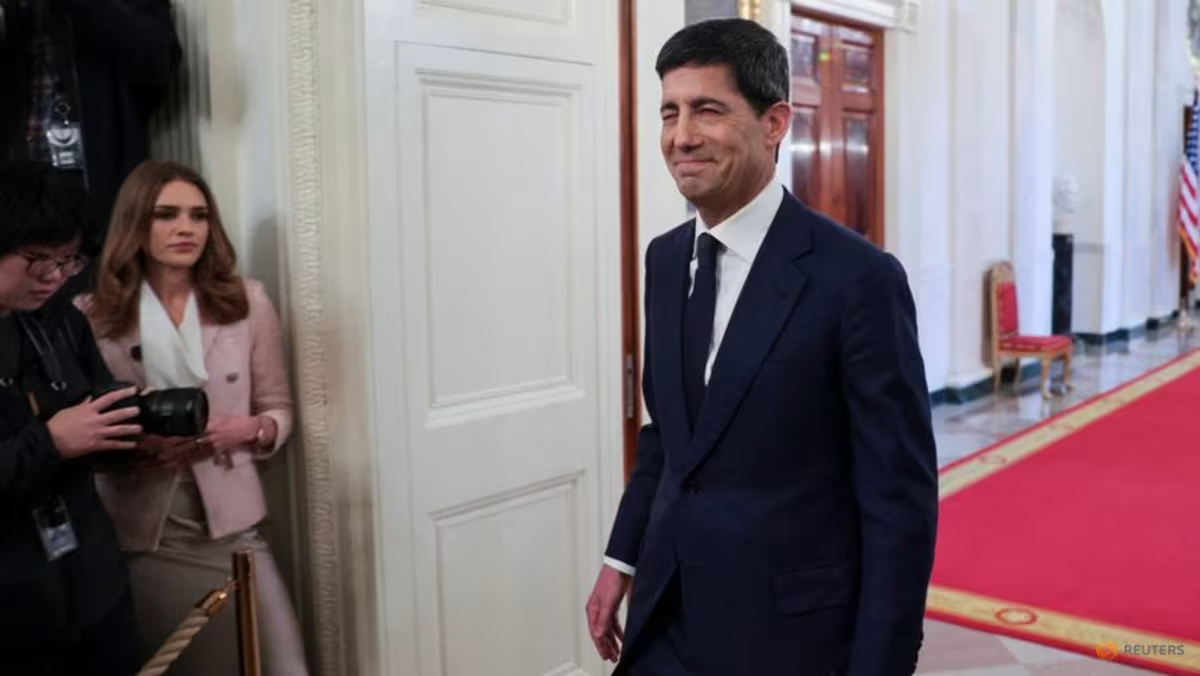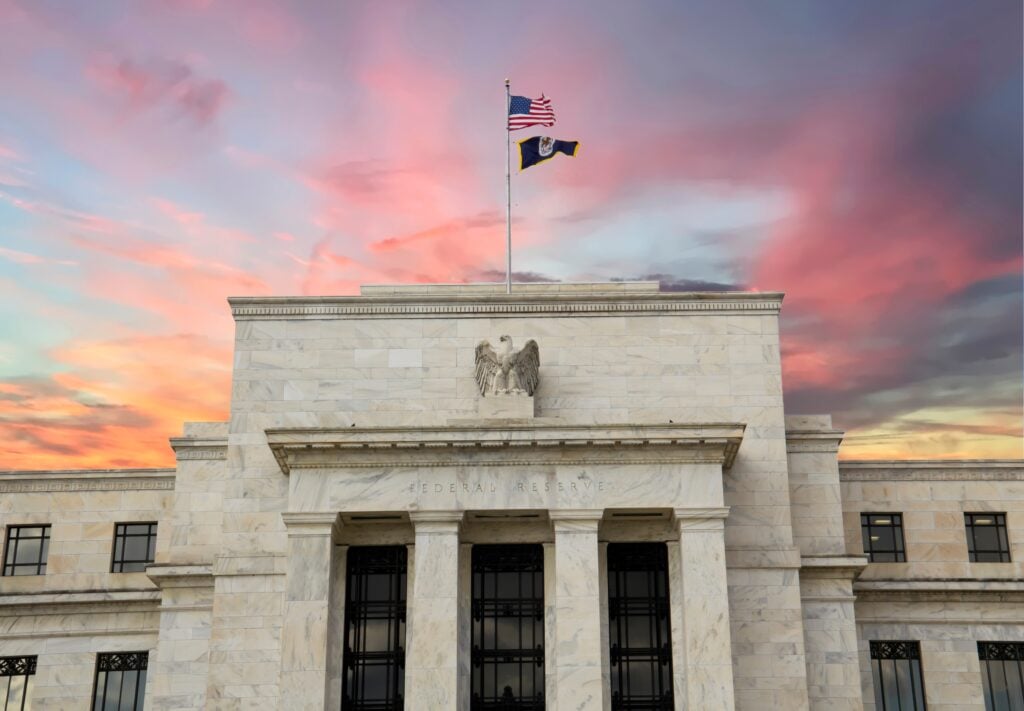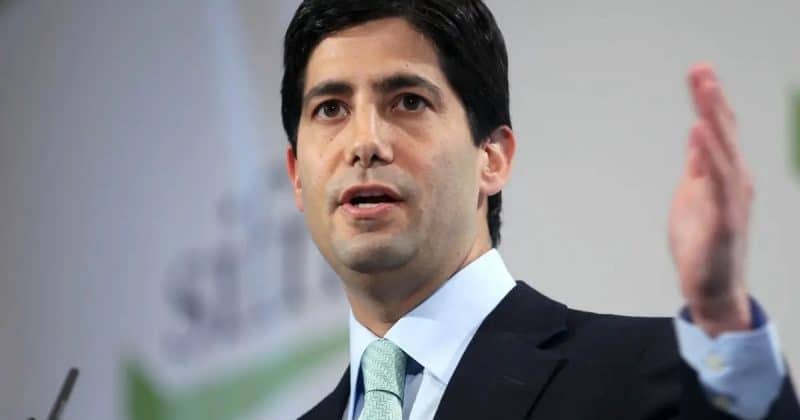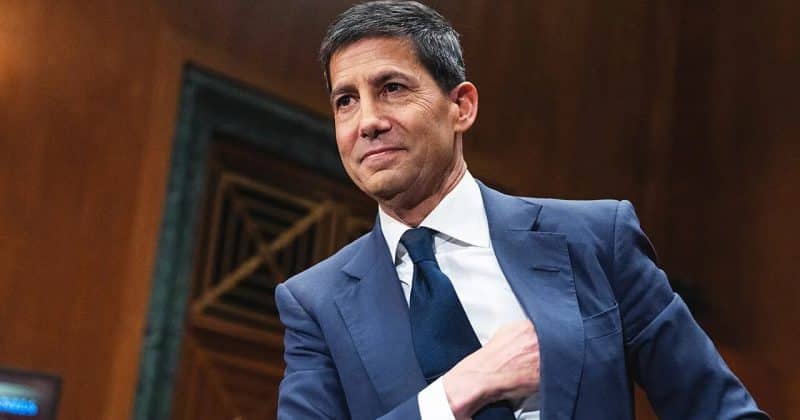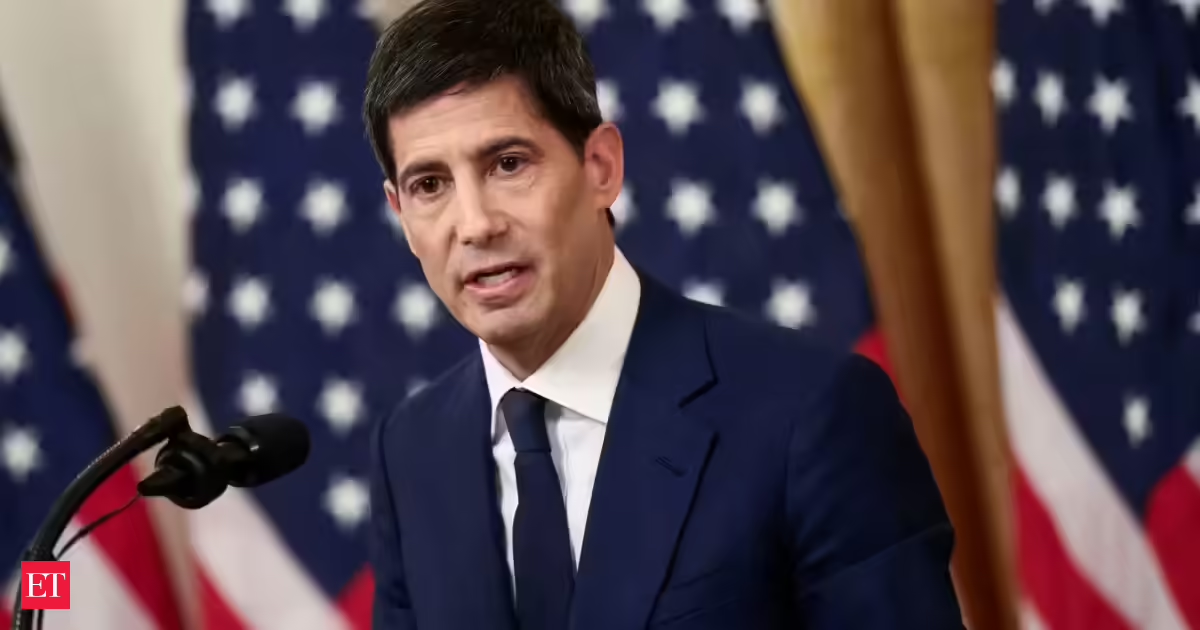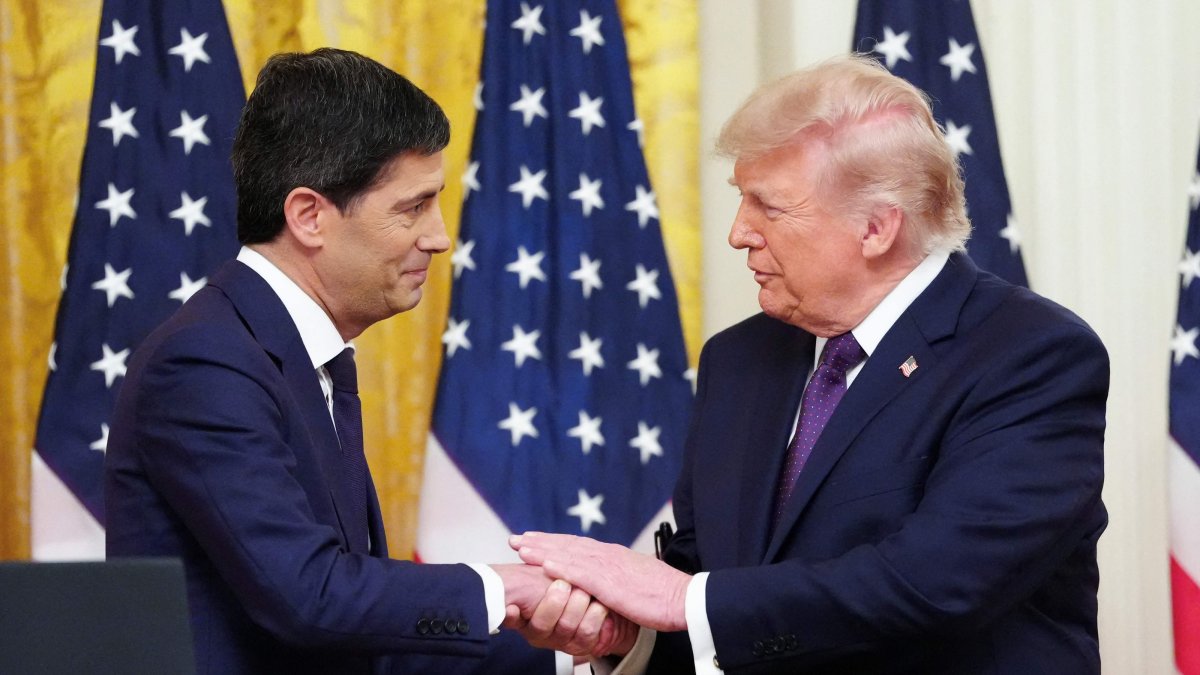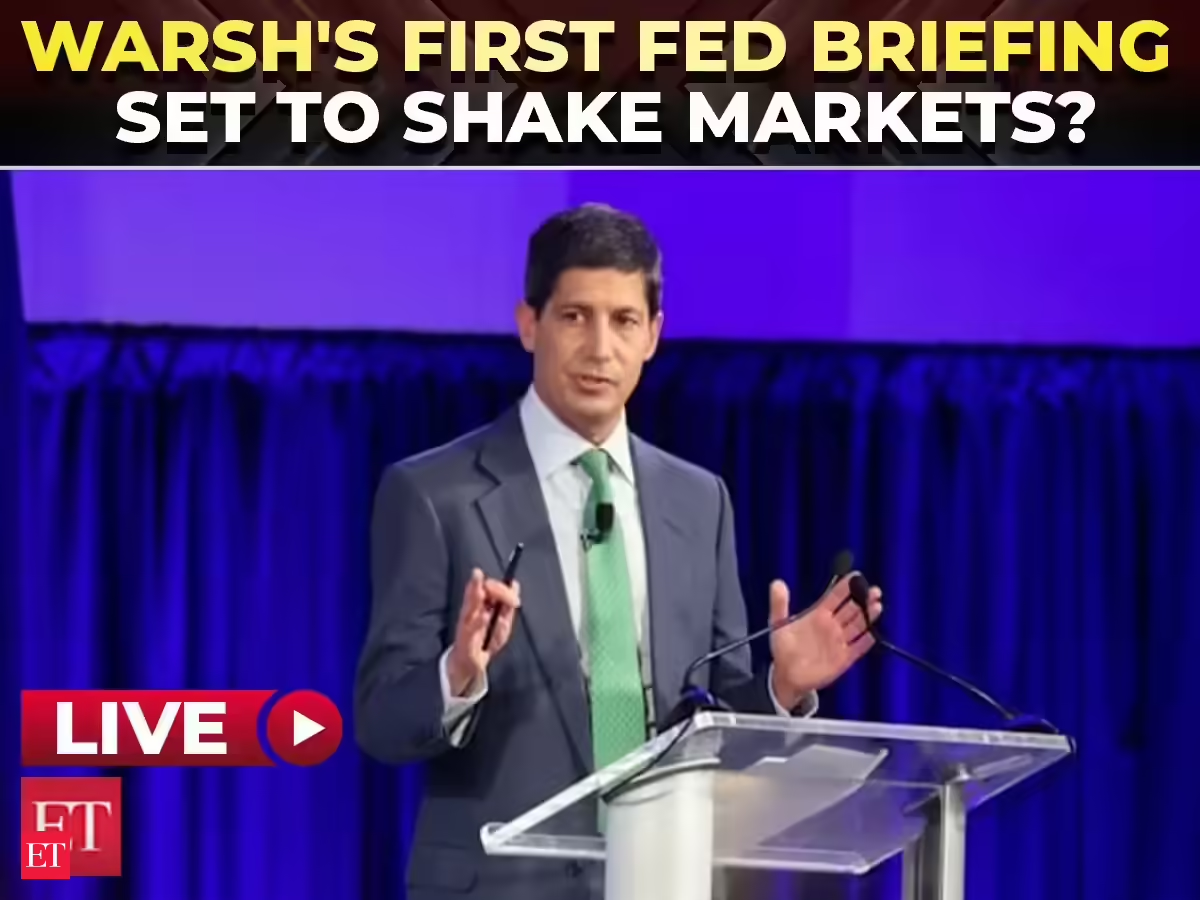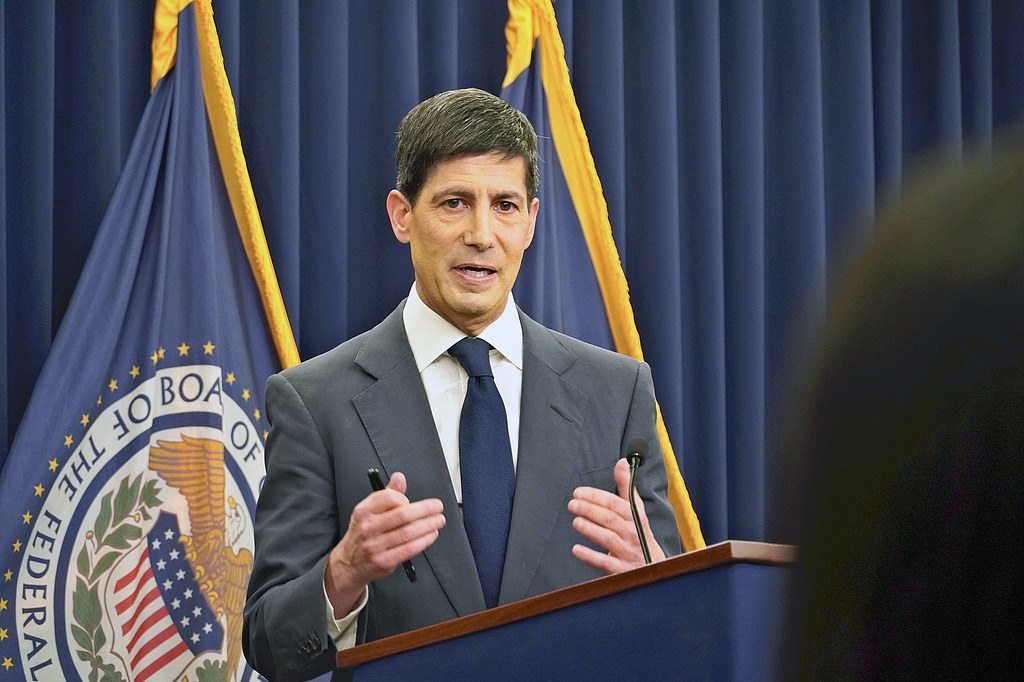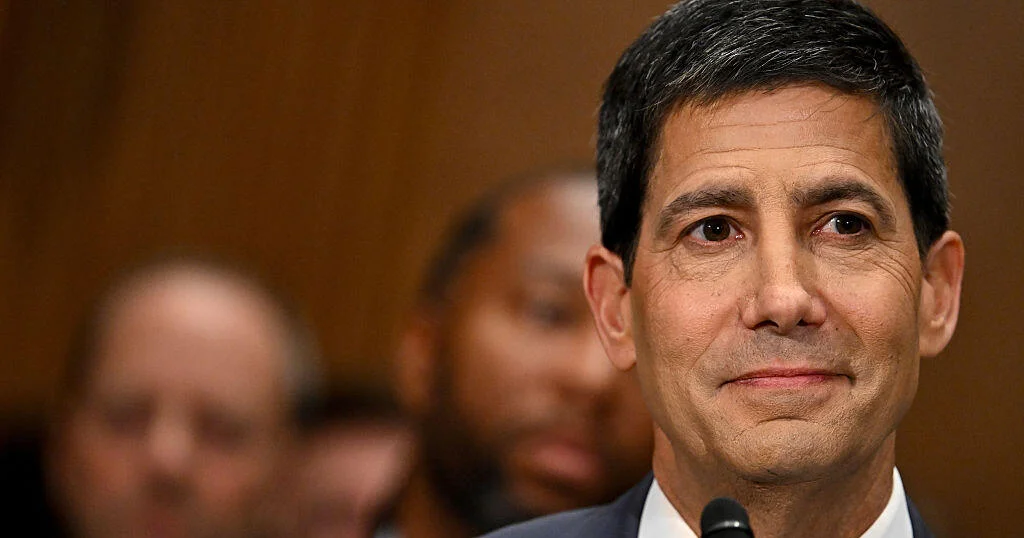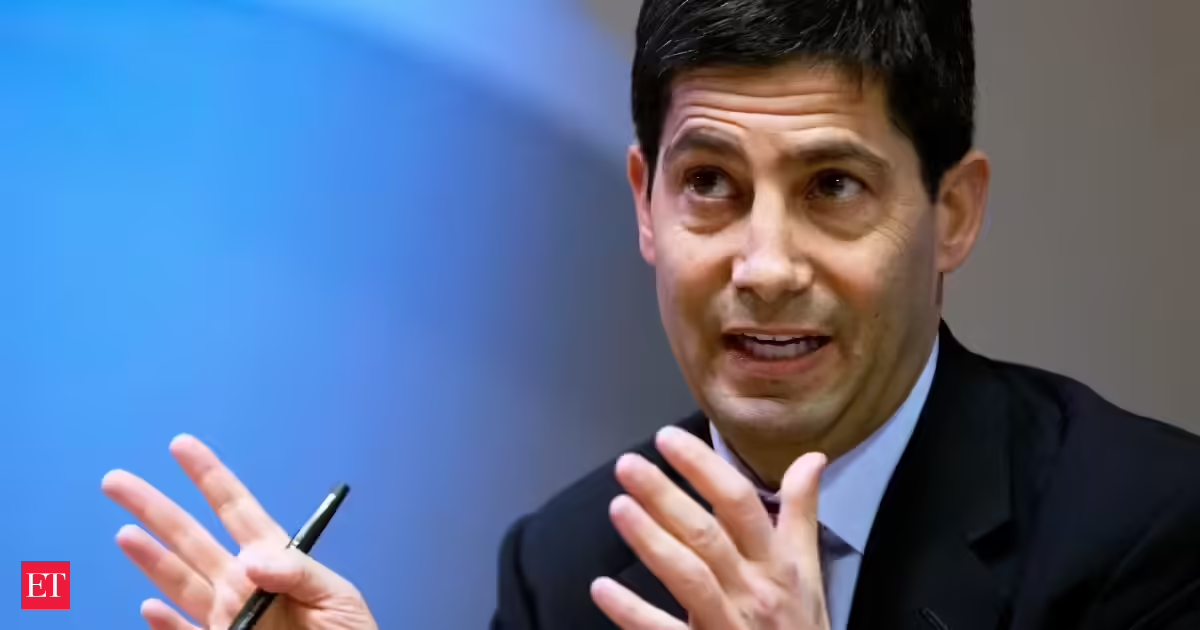
Over the past few years, new Federal Reserve (Fed) Chair Kevin Warsh has repeatedly addressed the U.S. central bank's balance sheet, called for more restraint in communicating about interest rates and maintained that it should not venture into matters like climate change.
A Fed press conference on Wednesday, though, will mark his first substantive comments from the chair's perch about what's happening with inflation, unemployment and the economic outlook as he makes a rhetorical turn from the abstract words of a policy analyst to the concrete, potentially market-moving words of the world's most important central banker.
Inflation, in particular, seems stuck more than a percentage point above the Fed's 2% target, and Warsh's characterization about whether and when it is likely to fall will be a key first step in the evolution of monetary policy under his leadership.
It's one that investors will take as a cue about the likelihood of higher rates that many now see coming this year.
What might have been otherwise temporary price shocks, triggered by the Trump administration's import tariff hikes and elevated oil prices due to the U.S.-backed war with Iran, now threaten a more persistent inflation problem. Meanwhile, the U.S. labor market is close to full employment, hiring has rebounded, and Warsh's colleagues in the Fed's regional districts hinted in a recent report at building wage pressures.