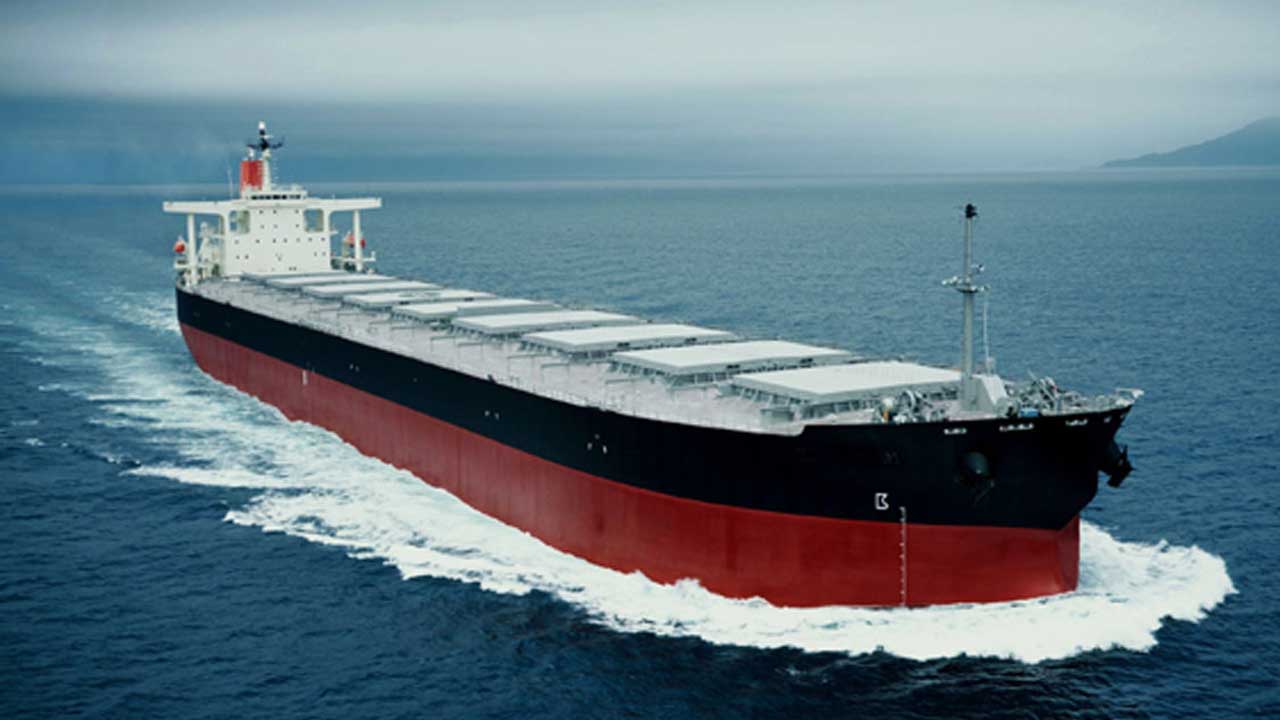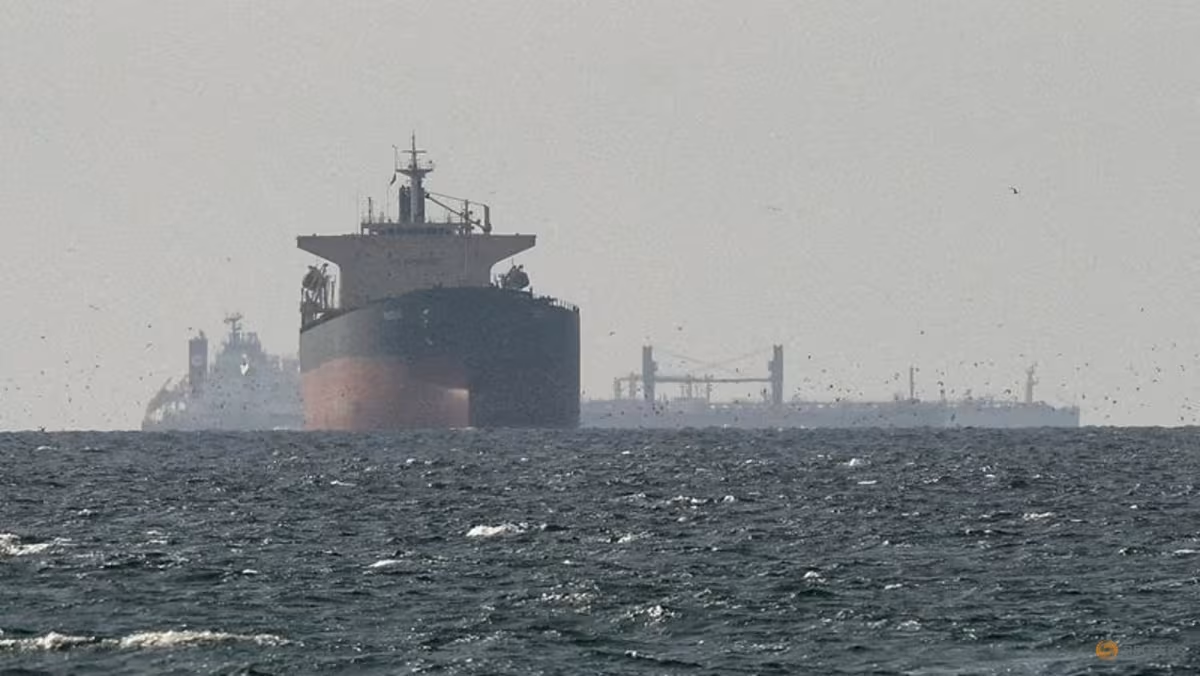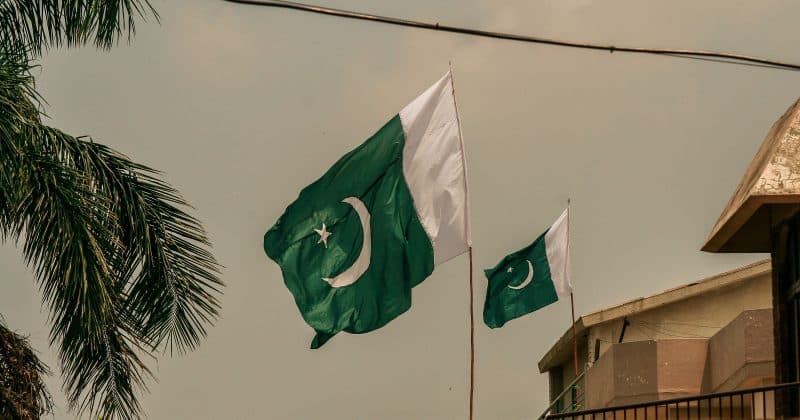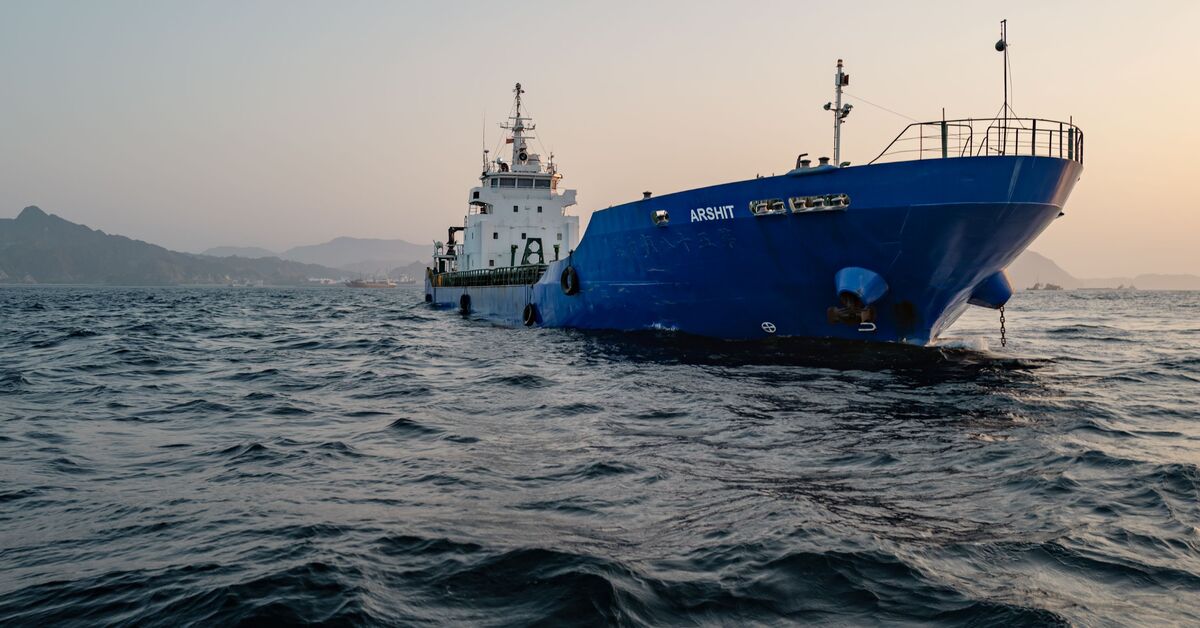
Markets climbed while oil fell by more than 5.2% on Monday morning after Pakistan announced last night that it had reached a peace deal between Iran and the United States to permanently end the conflict that has upended the global economy and closed the Strait of Hormuz.What happened: Brent crude, the international benchmark for oil prices, fell 5.2% to $80.41 as of 6:46 a.m. EDT on Monday.Asian markets rallied following news of a peace deal. Japan’s Nikkei 225 benchmark index soared 5.5% in morning trading on Monday, while South Korea’s Kospi climbed as much as 5.7%.Taiwan’s Taiex jumped as much as 2.7% while the ASX200 in Australia increased around 1.5%. In Hong Kong, the Hang Seng Index rose about 1%, before paring back most of its gains later in the day.Stocks also rallied in Europe. The UK's FTSE 100 index was up around 0.5%, and the FTSE 250 1.1%.In Europe, equities were up on Monday. The CAC 40 in Paris climbed 1.8%, while the DAX 40 in Frankfurt rallied by 1.5%.US futures, which are traded outside of regular market hours, also increased, with those tied to the benchmark S&P 500 and the tech-focused Nasdaq Composite rising about 1% and 1.8%, respectively.Details: On Sunday night, Pakistani Prime Minister Shehbaz Sharif announced that a deal had been reached between Iran and the United States.“Both sides have declared the immediate and permanent termination of military operations on all fronts, including in Lebanon,” Sharif said in a post on X.He added that the deal will be signed Friday in Switzerland.“With the agreement now in place, mediators will facilitate a series of meetings this week. These pre-implementation discussions will lay the foundation for the technical talks and the official signing ceremony,” Sharif added.In separate social media posts, Tehran and Washington acknowledged and welcomed the peace deal.US President Donald Trump said on a Truth Social post that the deal will mean that the Strait of Hormuz will be immediately opened to commercial ships.Islamabad has been acting as a mediator between Iran and the United States to end the conflict, which began on Feb. 28 and has seen the Strait of Hormuz nearly completely closed to shipping amid attacks by Iran’s Islamic Revolutionary Guard Corps on vessels and a US-imposed blockade on Iranian ports. The waterway, which runs between Iran, Oman and the United Arab Emirates, is critical for global energy markets. Before the war, around a fifth of all oil and liquefied natural gas passed through it. Its near-total closure has caused a global energy shock amid supply shortages and spurred inflation across the globe.This is a developing story and will be updated.
Oil falls below $80 as markets rally on Iran-US peace deal: What to know
Brent crude, the international benchmark for oil prices, hit $80.41 at 6:46 a.m. EDT on Monday.
437 words~2 min read