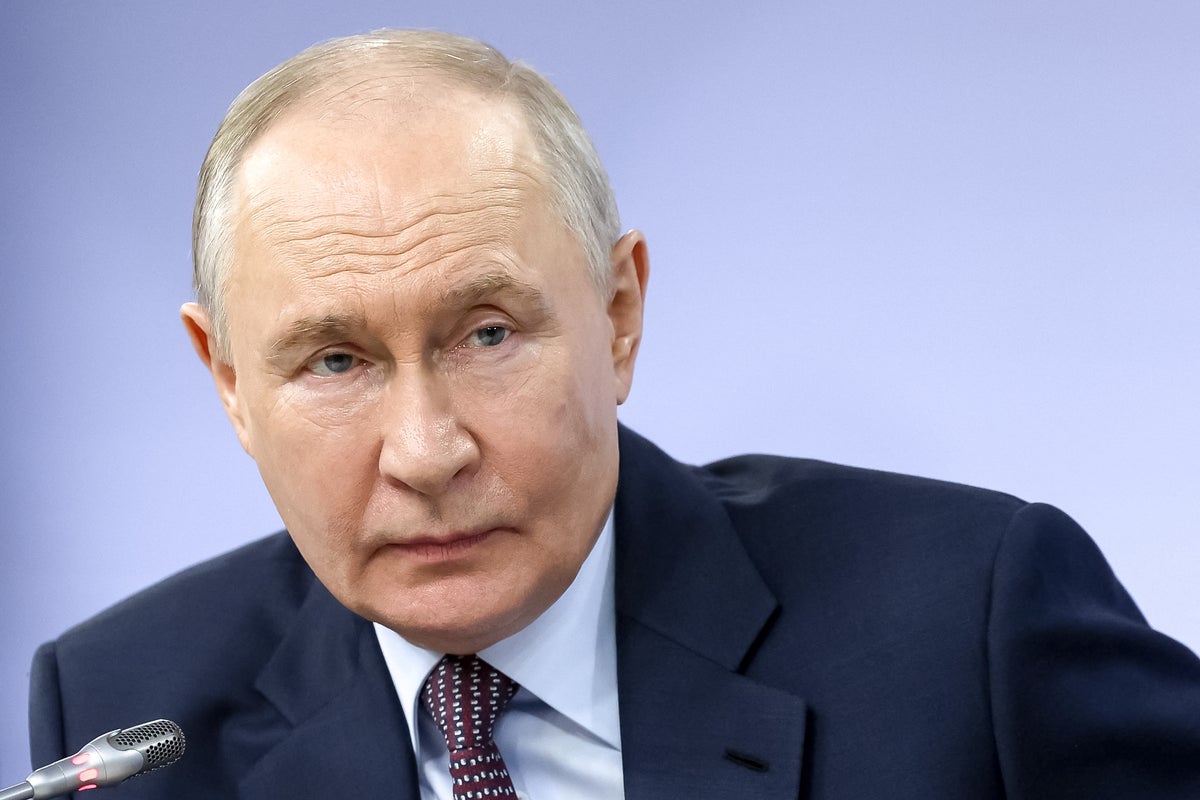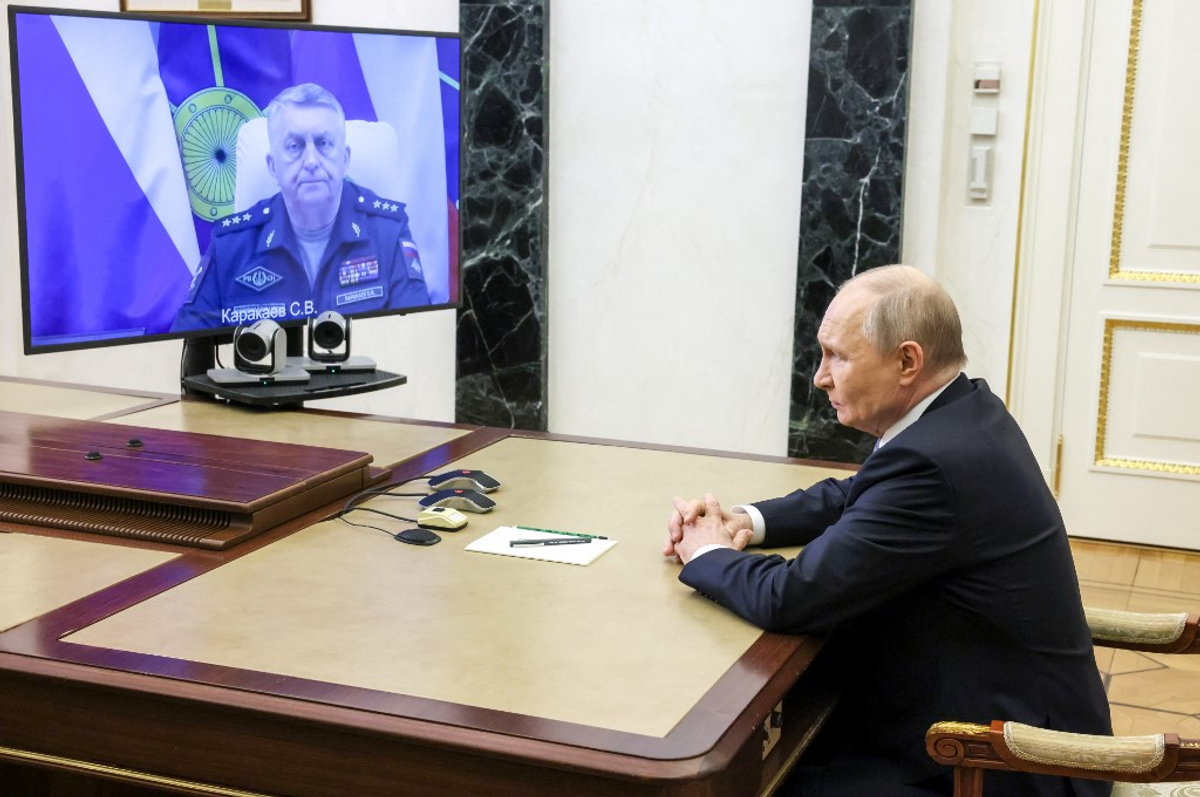
Russian President Vladimir Putin has been receiving separate news bulletins, not broadcast on television and intended solely for him, since 2011, according to Dmitry Skorobutov, former editor-in-chief of the Vesti program on the Rossiya-1 television channel. In an interview with And Graham Came Out, Skorobutov said that during his time at the channel, the internal project was codenamed “The Main Viewer.”JOIN US ON TELEGRAMFollow our coverage of the war on the @Kyivpost_official. Skorobutov, who began his career on the program Namedni under journalist Leonid Parfenov, later worked at VGTRK and became editor-in-chief of Vesti in 2006 at the age of 26. “It was like this. Let’s say a regular Vesti bulletin aired at 8 p.m., after which the production crew stayed. We had instructions, accordingly, on what news to leave in this bulletin, what to add, where to embellish, where to remove, so that Putin would then be shown an ideal picture of the beautiful Russia of today,” he said. “So, that’s how good a president he is,” he added. Skorobutov said the format was introduced after mass protests in Moscow in 2011 under the slogan “For Fair Elections,” which became some of the largest demonstrations in Russia’s recent history. “[Putin’s entourage] were all shaken by Bolotnaya Square, and they tried to isolate him from real events, from the information environment, not to mention any contact with the outside world. That’s how it works,” he said.
Putin Has Received Private News Briefings Since 2011, Ex-Russian TV Editor Claims
He claimed that frontline reporting began to be increasingly restricted after April 2022, following Ukraine’s sinking of the Black Sea Fleet flagship Moskva.
TL;DRAI
Putin has received separate curated briefings since 2011 with escalating Ukraine censorship; his information environment isolated him from battlefield reality, per ex-Vesti editor Skorobutov. For tech leadership, extreme information isolation—gatekeeping real operational data from executives—creates strategic blindspots and compounds decision-making failures, a cautionary governance model.
441 words~2 min read