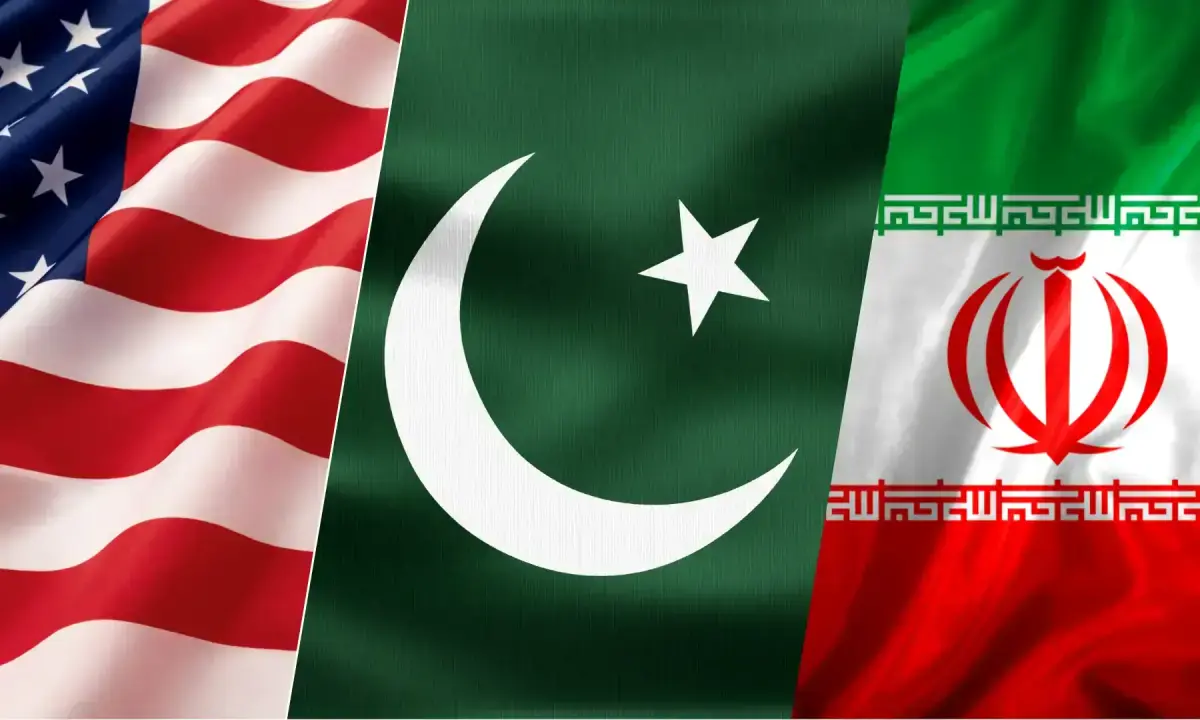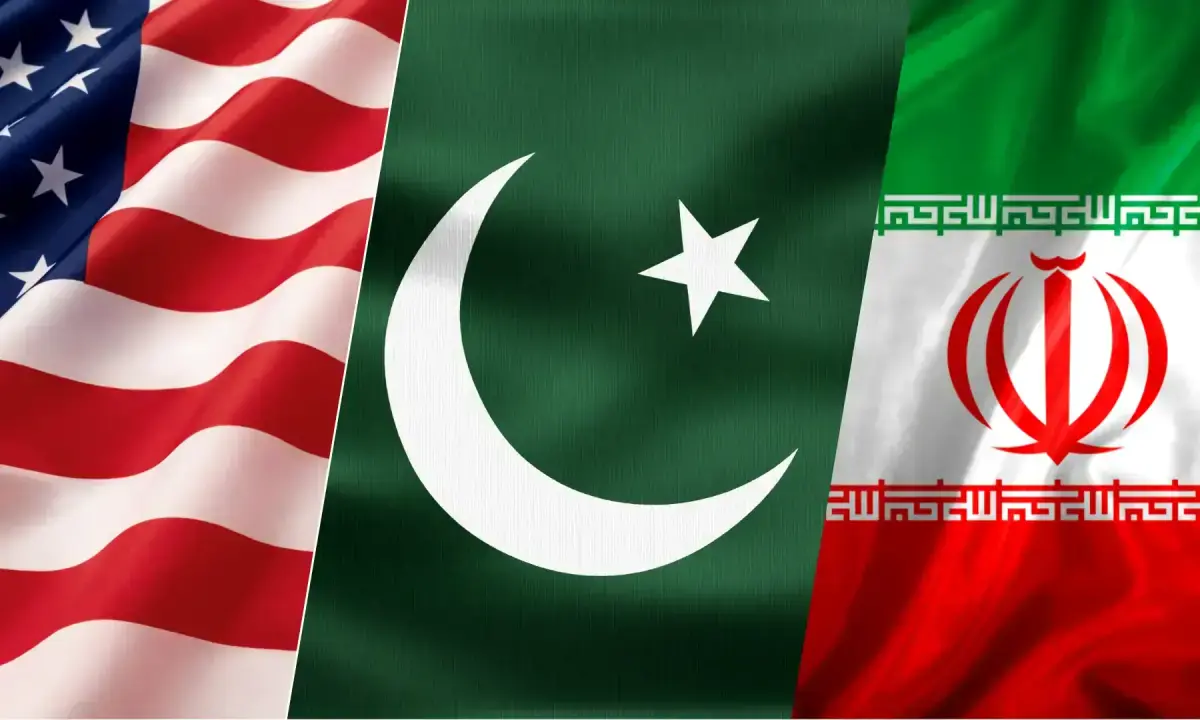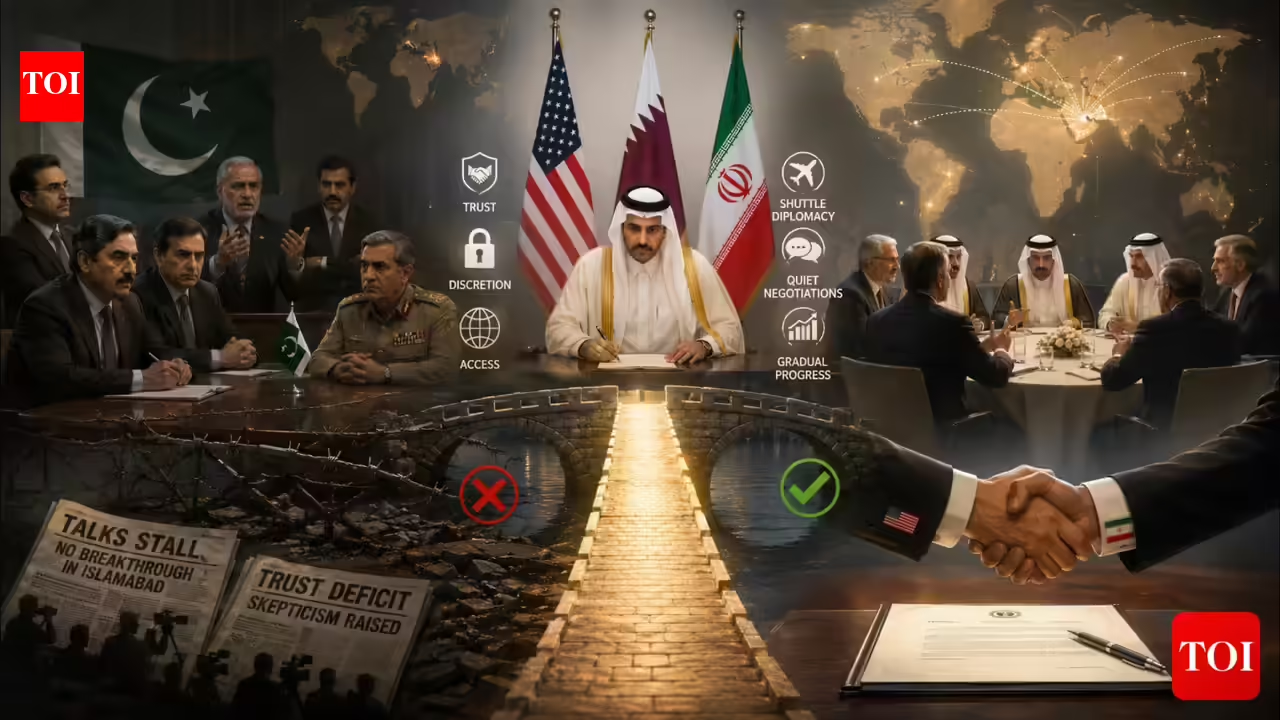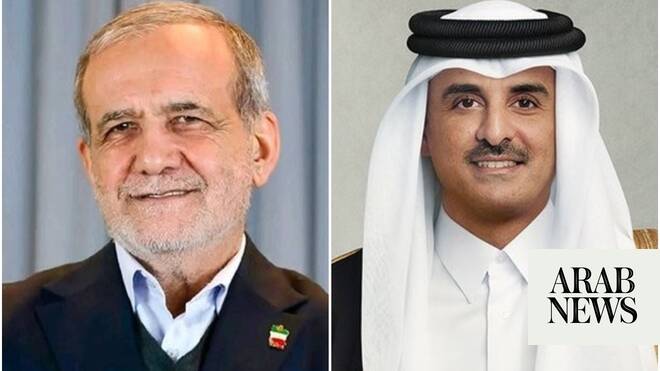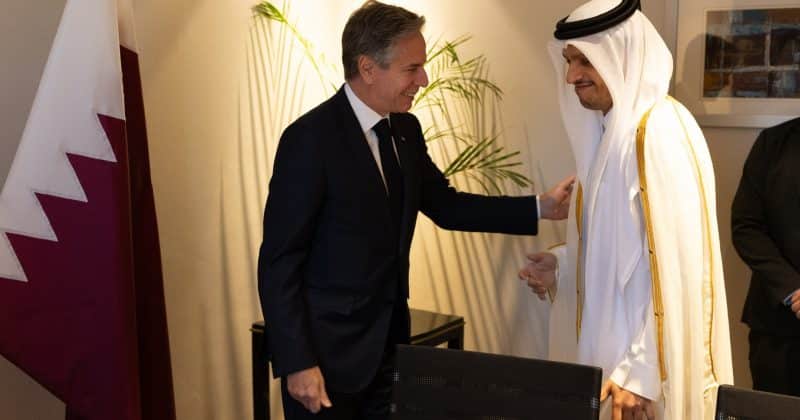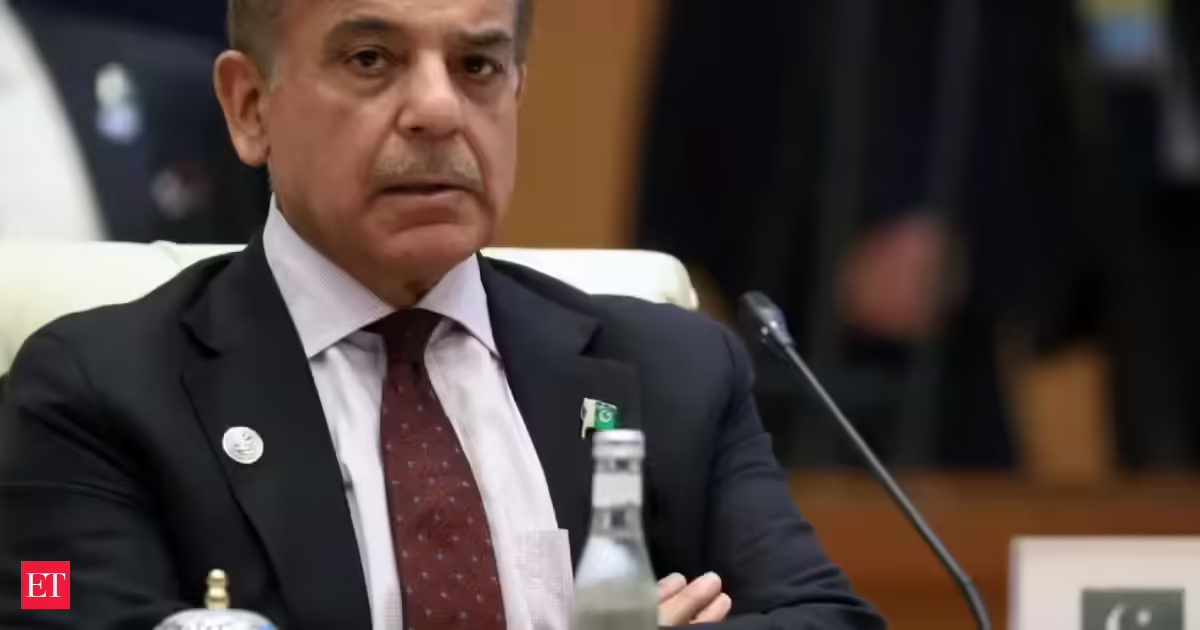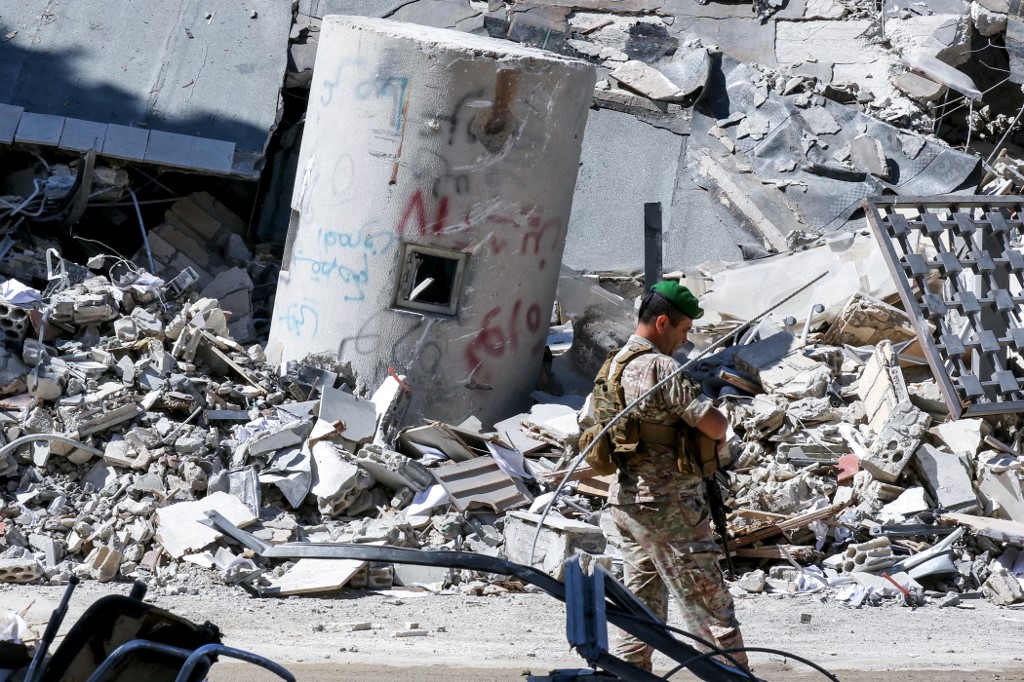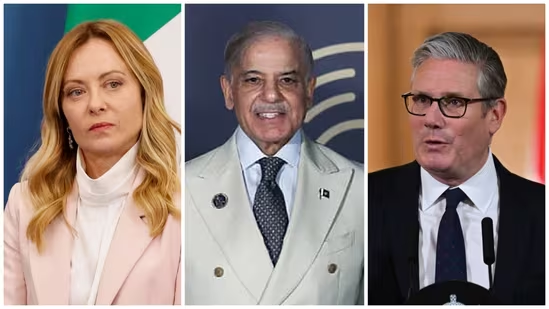
World leaders on Monday welcomed the landmark peace agreement reached between the United States and Iran. Several governments praised the diplomatic efforts of Pakistan and Qatar for helping broker a deal aimed at ending over three months of US-Israeli war on Iran and reopening the vital Strait of Hormuz.Italy's Giorgia Meloni and British PM Keir Starmer welcomed US-Iran peace deal mediated by Shehbaz Sharif-led Pakistan and Qatar. (Reuters/AFP/Bloomberg)Track live updates hereItalian Prime Minister Giorgia Meloni and British PM Keir Starmer were among the first leaders to publicly endorse the agreement announced by US President Donald Trump, who said Washington and Tehran finalised a framework to end their 107-day war.Meloni thanked the mediators who helped bring the negotiations to fruition."A heartfelt thanks goes to all the mediators, and in particular to Qatar and Pakistan, who have made this agreement possible," she said in a statement. “This is an opportunity for peace that must be seized.”ALSO READ | 'Will not compromise': Why Israel is against the peace deal between US and IranThe Italian leader said Rome was prepared to support diplomatic efforts for a peace agreement and could join an international naval mission to help fully reopen the Strait of Hormuz, pending approval from parliament.Starmer also welcomed the major “breakthrough.” “I warmly welcome today's agreement reached between the United States and Iran. This is a hugely important step forward in ending the war, ensuring regional stability and re-opening the Strait of Hormuz,” the British prime minister said."I congratulate President Trump and the mediators from Pakistan, Qatar and elsewhere who have contributed to this breakthrough."The agreement, scheduled to be formally signed in Switzerland on June 19, includes provisions for a permanent ceasefire, the reopening of the Strait of Hormuz, and a framework for future negotiations on Iran's nuclear programme.ALSO READ | 'Israel won't last 2 hours': Trump calls Netanyahu 'a very difficult guy' amid Iran, Lebanon crisisStarmer said that implementation would be crucial."Attention must now turn to fully implementing the memorandum of understanding to ensure the Strait reopens and remains fully and permanently open, and that the detailed elements of the nuclear agreement are finalised," he said.The British leader repeated London's longstanding position on Iran's nuclear ambitions, stating: "It remains the UK's firm and longstanding position that Iran must never have a nuclear weapon."Global support for US-Iran peace dealThe deal received broad international backing, with governments across Europe, Asia and the West being hopeful that it would restore stability to a region shaken by months of war and economic disruption.Prime Minister Narendra Modi welcomed the agreement, saying it could help end a war that has caused economic disruption worldwide and claimed many lives."I welcome the understanding reached between the United States and Iran on ending the conflict in West Asia," Modi said. He said India hoped the deal would restore peace and stability in the region and ensure freedom of navigation and trade.A joint statement from the leaders of Britain, France, Germany and Italy welcomed the agreement while reaffirming that "Iran must never acquire a nuclear weapon."ALSO READ | $12 billion or $24 billion? The frozen assets question in middle of US-Iran peace dealFrench President Emmanuel Macron described the accord as the result of a significant diplomatic effort involving multiple partners and called for its swift implementation. German Chancellor Friedrich Merz said the breakthrough could help revitalize the global economy and improve regional security.European Commission President Ursula von der Leyen stressed the importance of restoring "toll-free" freedom of navigation through the Strait of Hormuz, describing it as essential for both regional stability and the global economy.China also welcomed the understanding between Washington and Tehran. Foreign ministry spokesperson Lin Jian said Beijing hoped both sides would sign the first phase of the memorandum as planned and praised Pakistan's mediation efforts."China appreciates Pakistan's mediation efforts," Lin said, adding that Beijing supports peaceful negotiations and hopes the Strait of Hormuz will reopen for international shipping as soon as possible.The US-Israel war on Iran, which began on February 28, disrupted shipping through the Strait of Hormuz, a critical maritime chokepoint through which a significant portion of the world's oil exports passes. The closure contributed to higher energy prices globally.Starmer said that reopening the waterway would help ease "the severe economic impacts that have been felt for several months on families here in the UK and around the world."Australian Prime Minister Anthony Albanese welcomed the accord and asked for continued restraint, while Turkish President Recep Tayyip Erdogan called it "an important development for establishing peace and tranquility in our region."The accord follows months of indirect negotiations facilitated by several mediators, including Pakistan and Qatar, which helped secure an initial ceasefire agreement on April 8 that was later extended while talks continued.The document is set to be signed on June 19 in Switzerland this week.Israeli leaders have strongly opposed the peace framework. They said it could undermine Israel's security interests. Finance minister Bezalel Smotrich called the agreement "bad for Israel and the entire free world," saying pressure on Iran should continue to ensure Tehran never acquires nuclear weapons. Far-right minister Itamar Ben-Gvir said that "Trump's agreement does not bind us" and insisted that Israel would make its own security decisions.
'Thanks to Pakistan, Qatar': Meloni, Starmer welcome US-Iran reaching peace agreement
The deal follows indirect negotiations facilitated by several mediators, including Pakistan and Qatar, which helped secure an initial ceasefire agreement. | World News
861 words~4 min read