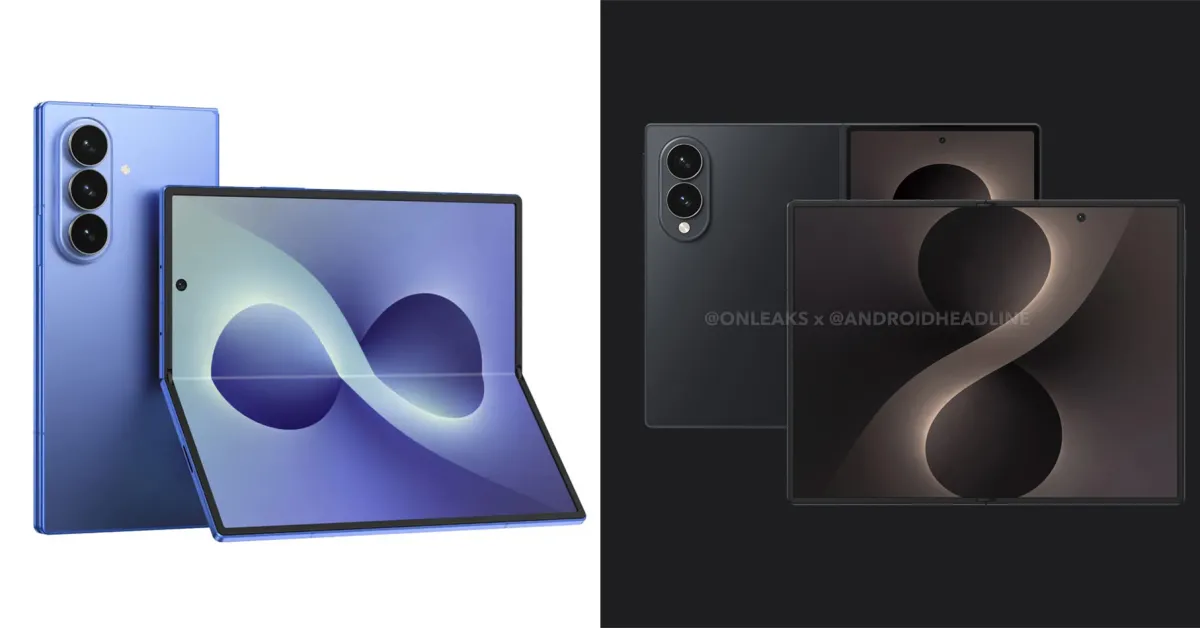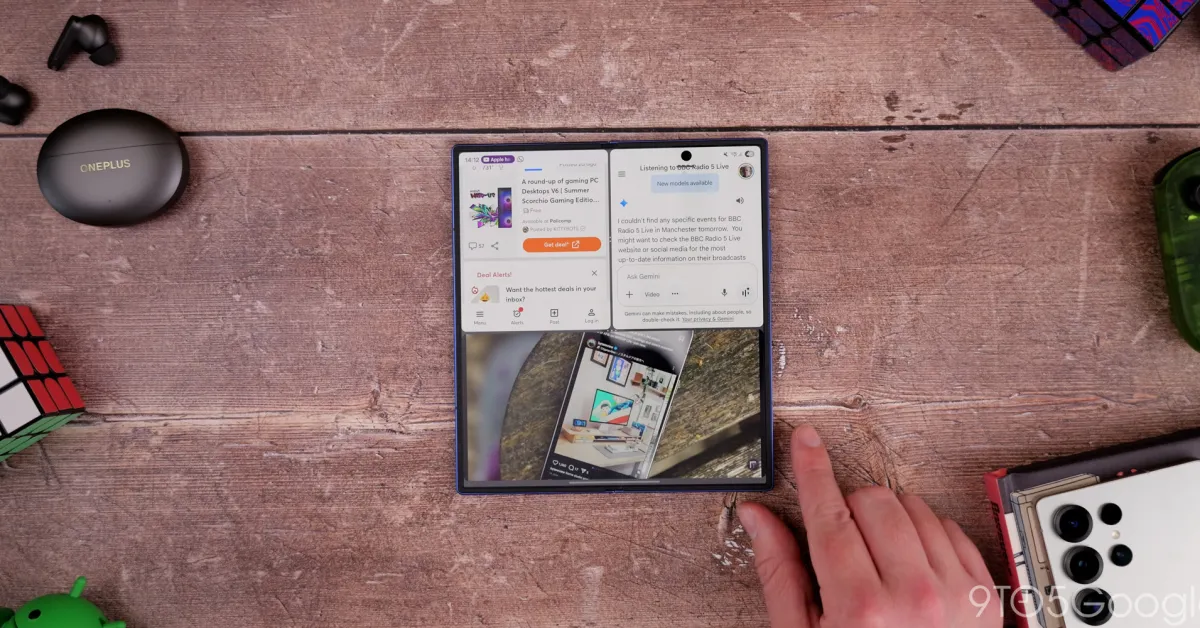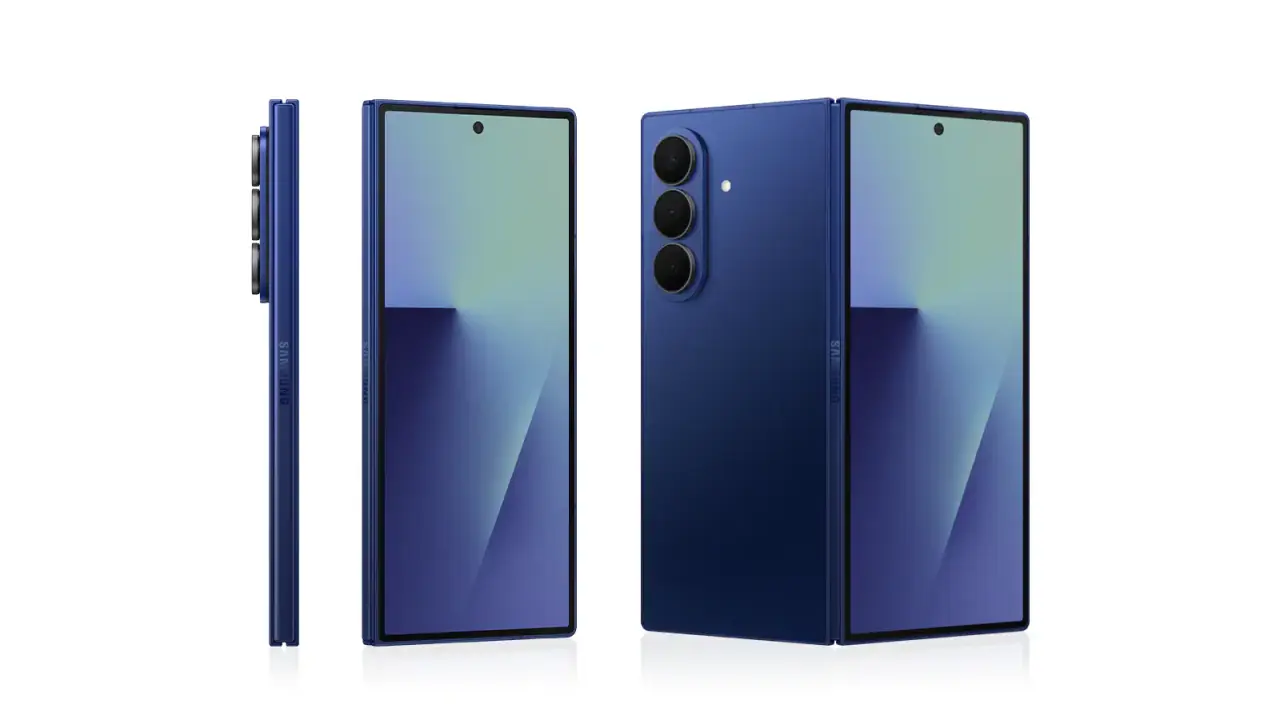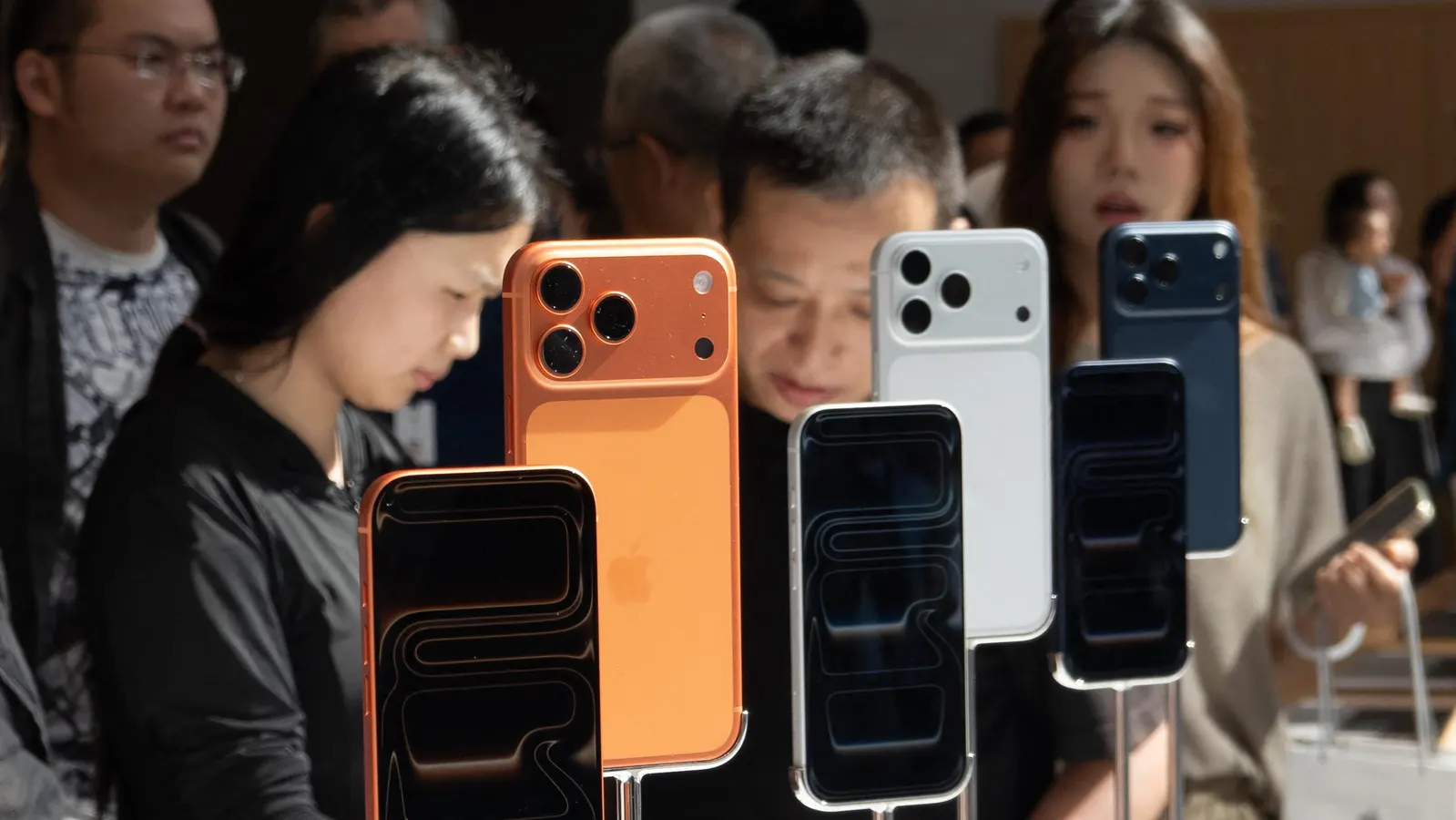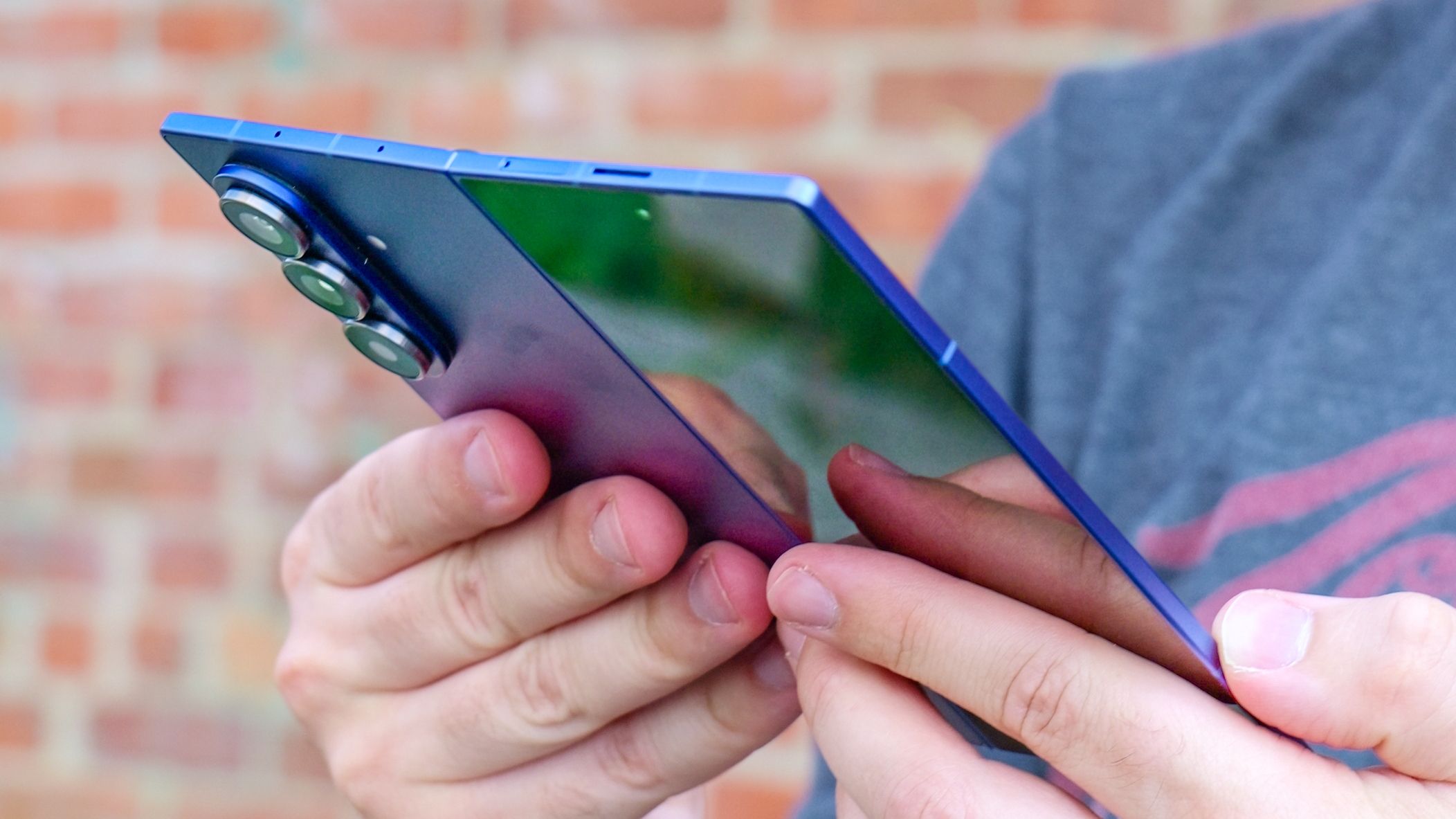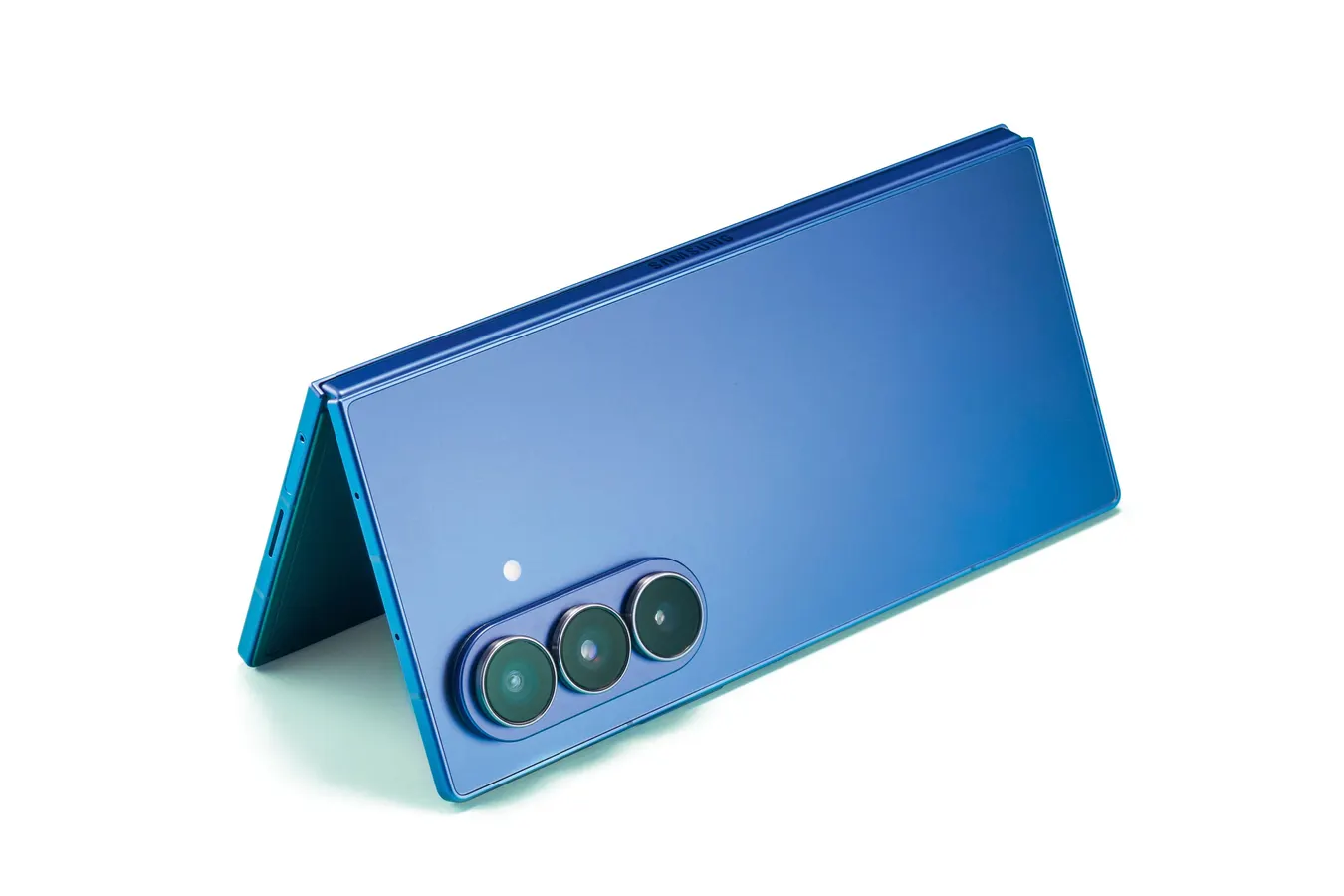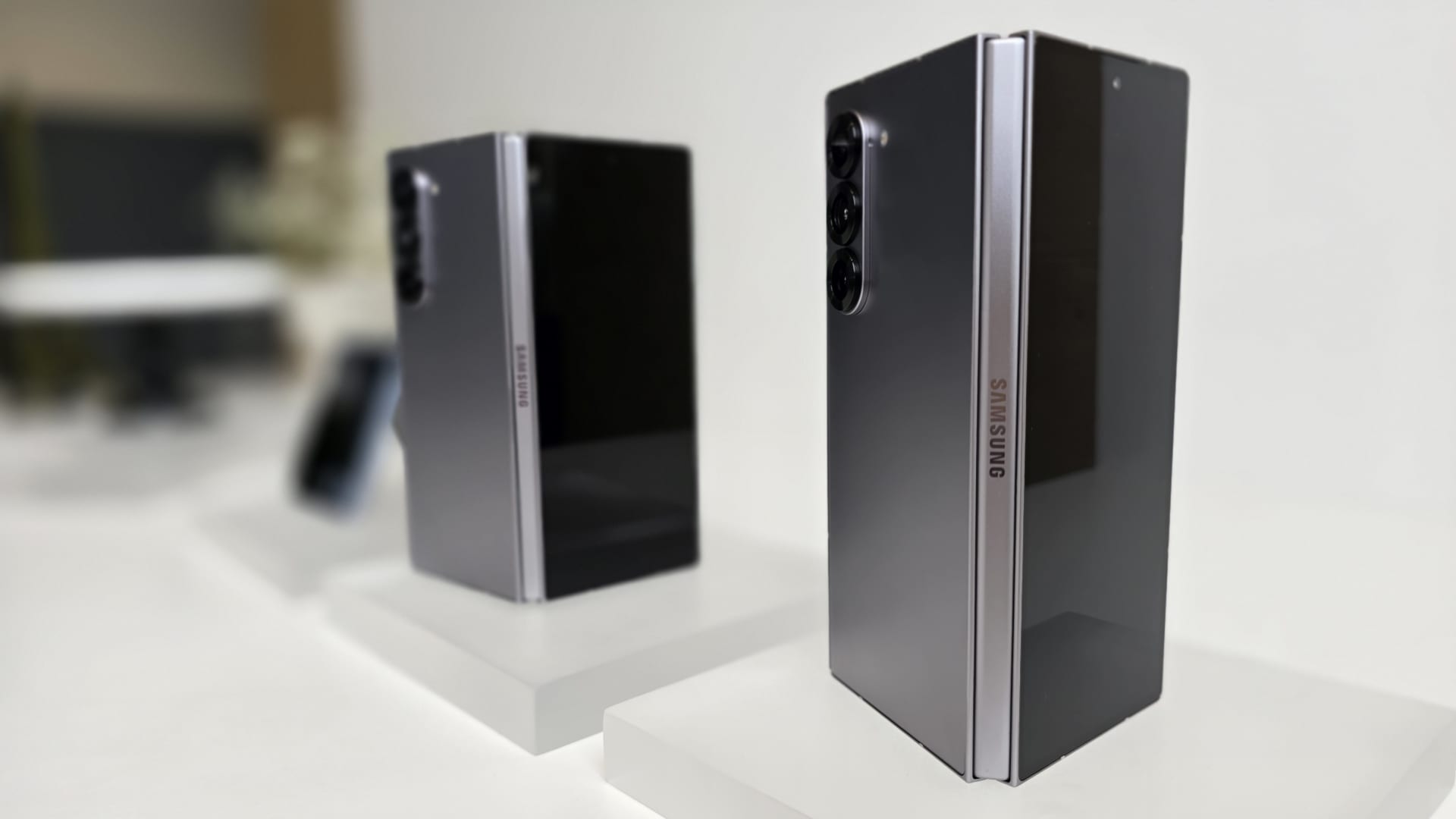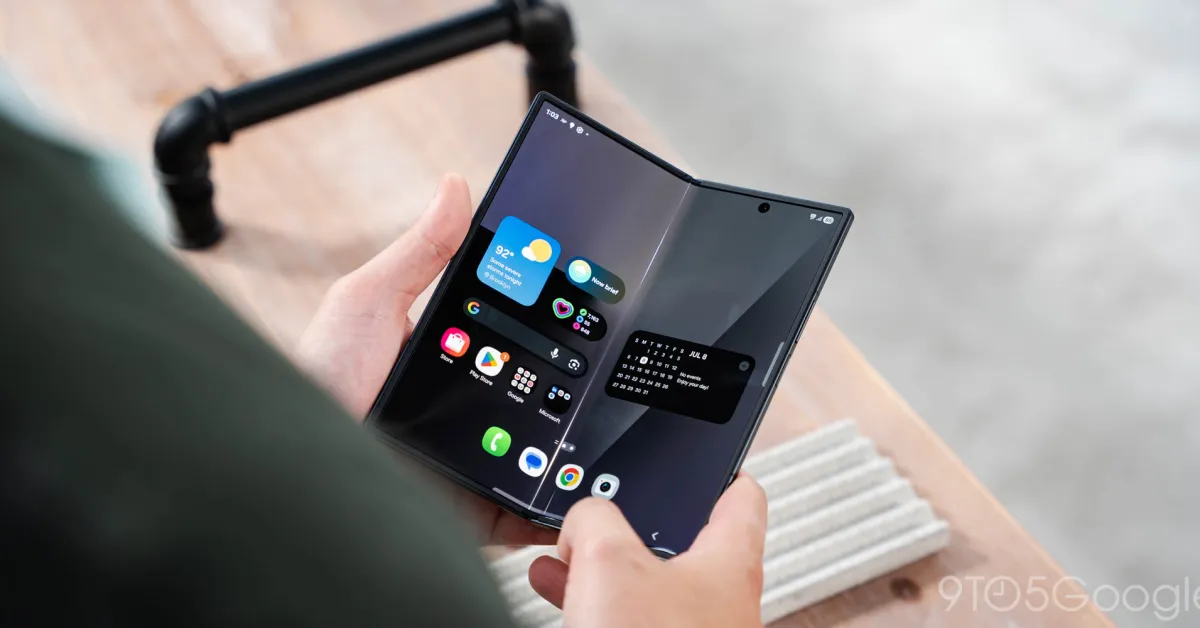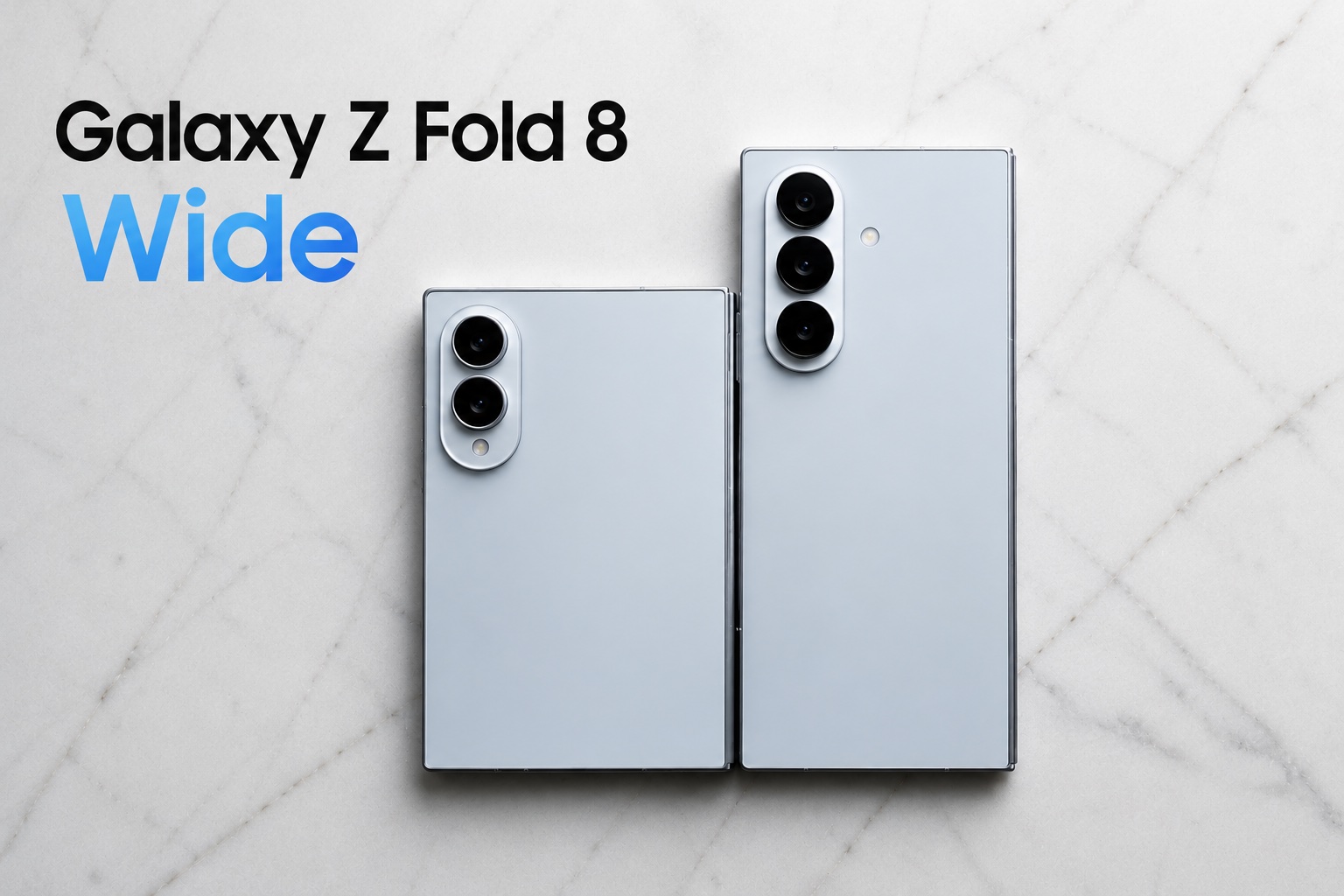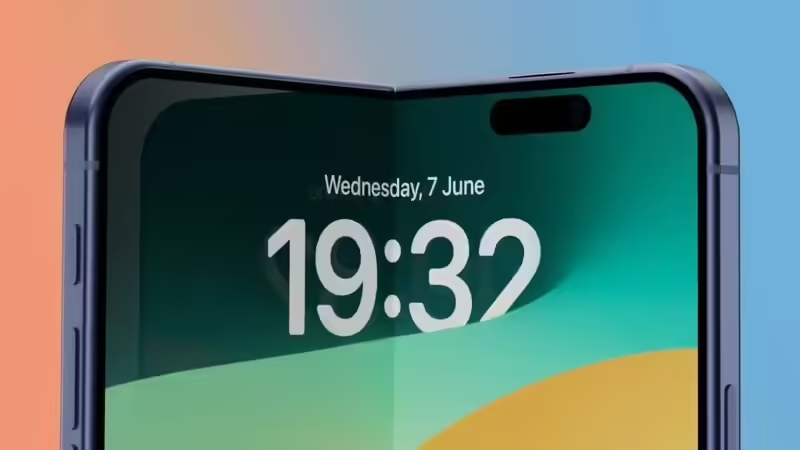
Photo credit: appleinsider.comSamsung is reaching for thicker glass to fight the crease, and the timing points straight at Apple. According to a ZDNet Korea report, the wider of Samsung's two book-style foldables this year will carry a 60-micrometre ultra-thin glass layer, around 30 per cent thicker than the 45 micrometres on the taller Galaxy Z Fold 8 Ultra. A thicker layer flattens the fold line and shrugs off drops better. The catch is that the same glass grows more brittle as it bends. Treat all of it as supply-chain reporting; Samsung has stayed quiet on the lot. The contest it sets up, though, is plain: a crease-free foldable, just as Apple prepares to enter the category.Sixty microns against forty-fiveZDNet Korea describes two foldable strategies for Samsung this year. The taller model - the Galaxy Z Fold 8 Ultra, successor to last year's Z Fold 7 - holds the 45-micrometre glass Samsung has used since 2024. The wider, passport-shaped model, reported under shifting names from "Z Fold 8 Wide" to simply "Galaxy Z Fold 8", takes the 60-micrometre layer. That makes the wider phone the more crease-resistant of the pair, an unusual inversion where the Ultra carries the older glass.Foldable modelReported UTG thicknessYearGalaxy Z Fold 630 µm2024Galaxy Z Fold Special Edition45 µm2024Galaxy Z Fold 745 µm2025Galaxy Z Fold 8 Ultra45 µm2026 (expected)Galaxy Z Fold 8 (Wide Fold)60 µm2026 (expected)Dual glass and a metal plateThe 60-micrometre figure marks Samsung's largest jump yet. The Z Fold 6 shipped with 30 microns in 2024; the Z Fold Special Edition raised that to 45, and the Z Fold 7 held the line. Thickness tells half the story. The crease-less panel Samsung Display showed at CES 2026 applies ultra-thin glass on both sides of the display, adds a laser-drilled support plate, and uses an optimised laminate to spread folding stress across the panel rather than pooling it at the hinge. Reports put the result near a 20 per cent reduction in crease depth against the current generation.A brittle bargainThe thicker the glass, the harder the engineering. A thicker UTG layer reduces creasing and helps in a drop, yet it also raises the risk of breaking when folded. That tension - strength against flexibility - sits at the centre of foldable design, and it explains why Samsung is rolling the glass out on one model first rather than across the range.Why the wider phone goes firstThe wider foldable reads as a test bed. Samsung's shipment target sits near 1.5 to 2 million units, modest beside the Z Fold 8 Ultra's 2 to 2.5 million, which suits a phone meant to prove a technology in the field. If the 60-micrometre glass holds up, reports expect it to reach the Galaxy Z Fold 9 in 2027, the model that matters most, since it would be Samsung's first foldable to launch after Apple's.Apple takes the other routeApple's angle is less about who blinks first and more about a different choice of materials. ZDNet Korea reported in January that Apple and Samsung's mobile division settled on different ways to reinforce their foldable panels, with Apple leaning on glass and Samsung on a metal plate. So the crease turns into a head-to-head test the moment Apple ships its first foldable, expected this year alongside the iPhone 18 Pro line. Samsung's answer is to thicken and layer its glass now; Apple's stays unseen. Claims that Apple already holds an edge run ahead of the evidence - the two have taken separate routes to the same goal, and both await a buyer's thumb.What the crease is worth at Rs 1.7 lakhFor India, this is a premium-tier contest watched from the top shelf. Samsung holds most of the country's small foldable base, and its Fold and Flip phones set the price anchors - the Z Fold 7 launched near Rs 1,74,999 last year. An Apple foldable would land higher still, at the very top of the band. For the first-time foldable buyer weighing the jump, the crease is the feature that decides whether the inner screen feels like a tablet or a compromise, which puts this glass race at the centre of the India pitch too.Frequently Asked QuestionsWhat is ultra-thin glass (UTG) in a foldable phone?UTG is the flexible glass layer that protects a foldable's bending display. It plays a central role in durability and in how visible the crease looks, while staying pliable enough to fold thousands of times.How thick is the glass on Samsung's new foldable?Reports say the wider Galaxy Z Fold 8 uses a 60-micrometre UTG layer, against 45 micrometres on the Galaxy Z Fold 8 Ultra - about 30 per cent thicker.Does thicker glass remove the crease?It reduces how visible the crease is rather than erasing it. Samsung pairs the thicker glass with a dual-UTG stack and a metal support plate for roughly a 20 per cent cut in crease depth.What is the downside of a thicker UTG?A thicker layer resists drops and hides the fold, but it strains more during bending, which can raise the risk of cracking over the years of folding.When will Samsung launch its 2026 foldables?Reports point to an Unpacked event around July 22, 2026, covering a flip phone and two book-style foldables. Samsung has confirmed no date.How does Apple's foldable approach differ?ZDNet Korea reports that Apple chose glass to reinforce its foldable panel, while Samsung's mobile division opted for a metal plate - different bets on the same crease problem.When is Apple's foldable iPhone expected?Current reports place Apple's first foldable in 2026, expected alongside the iPhone 18 Pro line, though Apple has confirmed nothing.end of article
Samsung's 60-Micron Foldable Glass Targets the Crease Before Apple's Fold Arrives
Samsung is reaching for thicker glass to fight the crease, and the timing points straight at Apple. According to a ZDNet Korea report, the wider of Samsung's two book-style foldables this year will carry a 60-micrometre ultra-thin glass layer, around 30 per cent thicker than the 45 micrometres on the taller Galaxy Z Fold 8 Ultra. A thicker layer flattens the fold line and shrugs off drops better. The catch is that the same glass grows more brittle as it bends. Treat all of it as supply-chain reporting; Samsung has stayed quiet on the lot.
930 words~4 min read