Monday 15 June 2026 11:00 am
| Updated:
Monday 15 June 2026 11:01 am
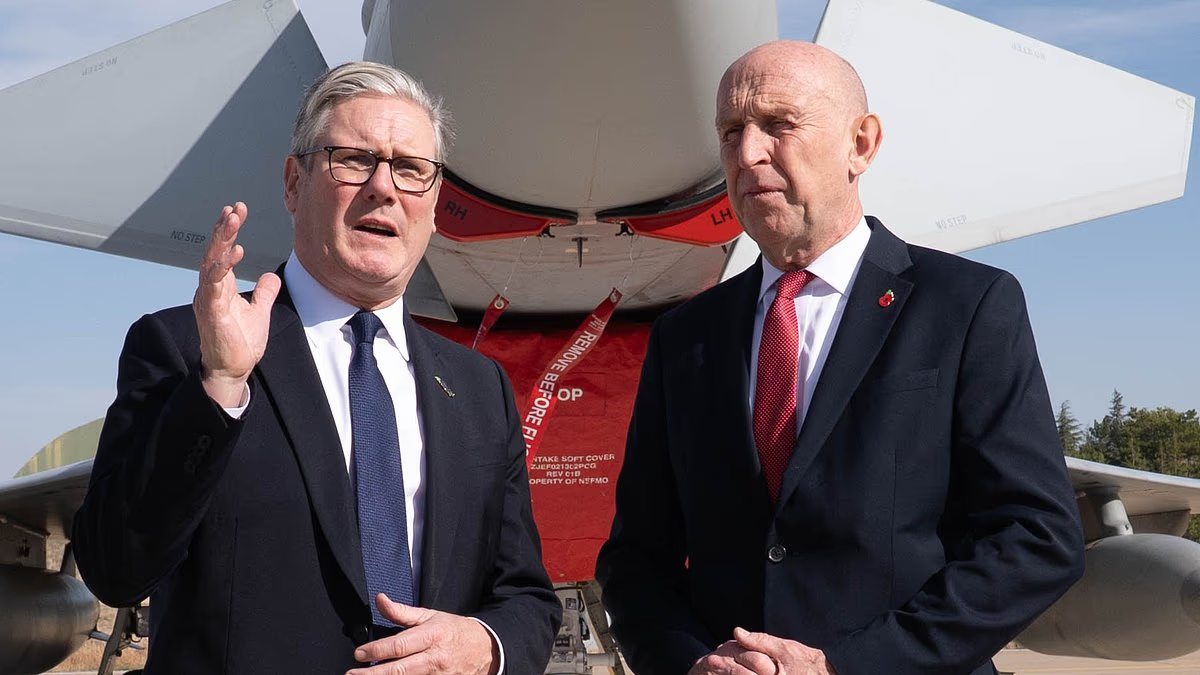
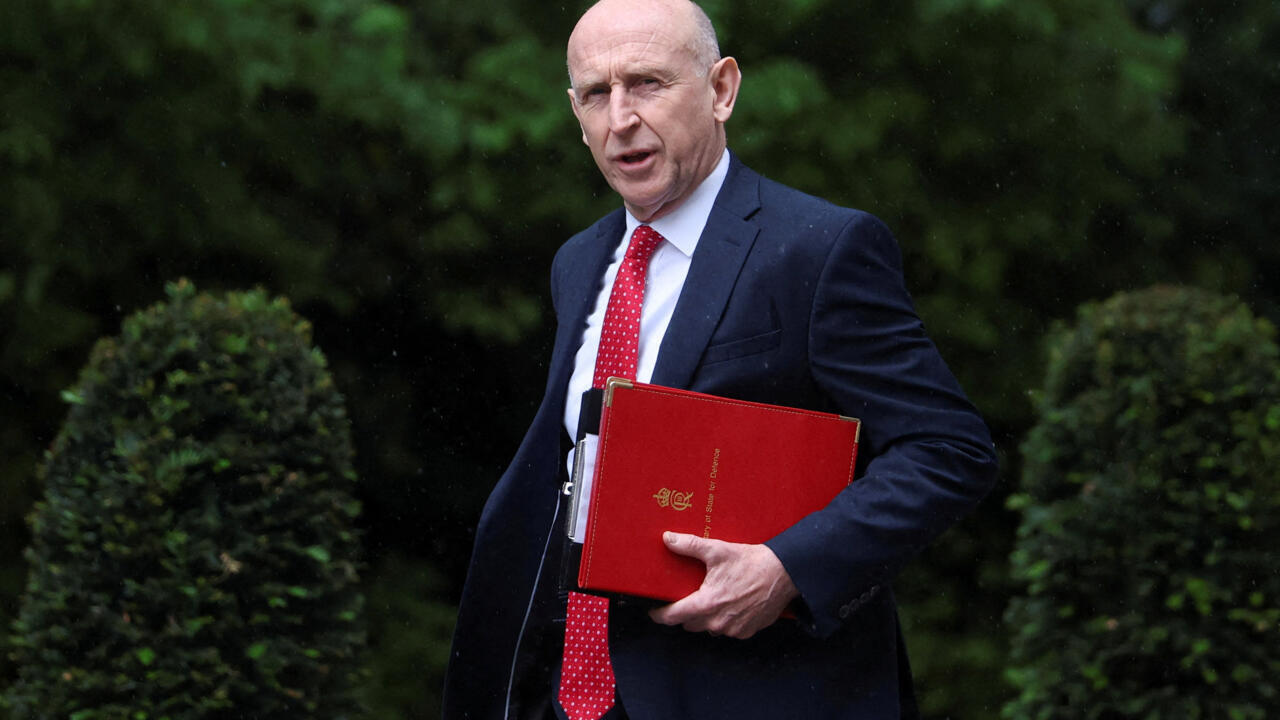
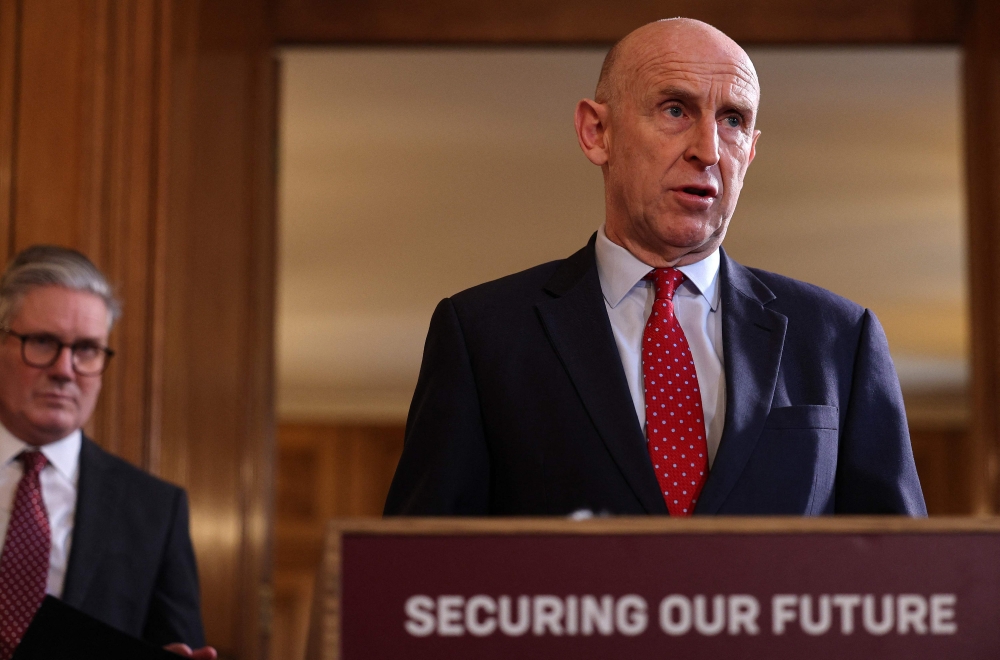
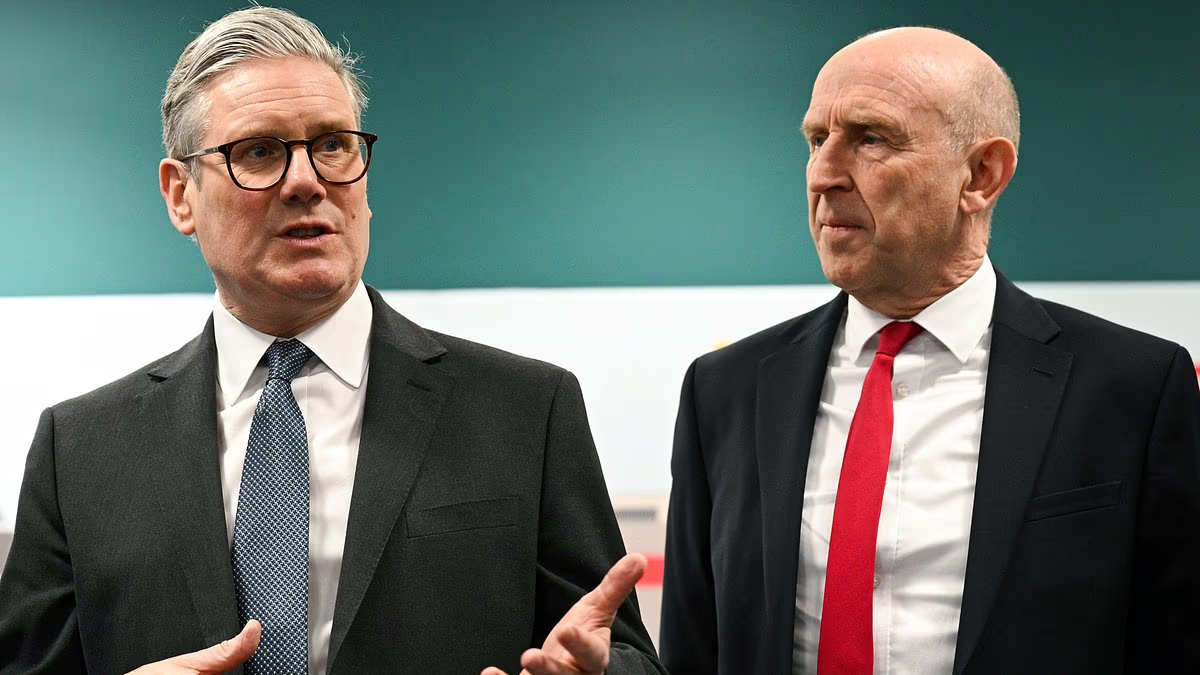
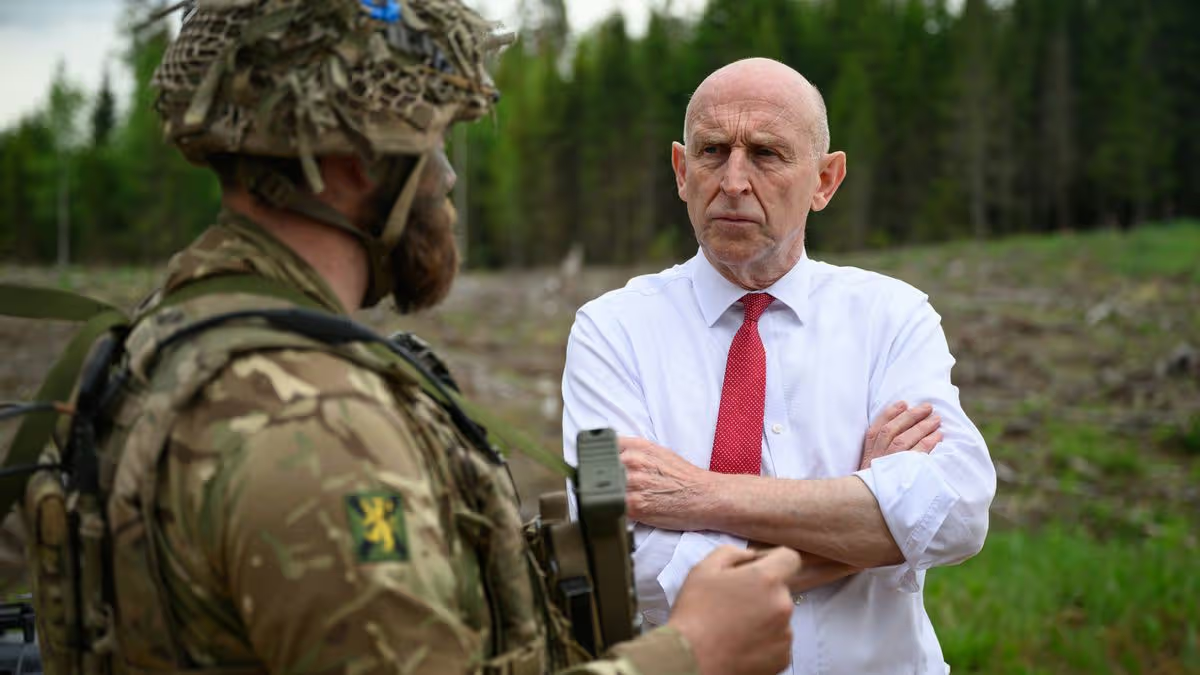
John Healey has resigned as defence secretary.
The defence minister’s resignation reveals the complete collapse of Keir Starmer’s authority, says Eliot WilsonThe resignation of the Defence Secretary, John Healey, last week, with his Armed Forces Minister Al Carns a few hours behind him, was a very serious blow for Sir Keir Starmer. Let us be clear about the significance of this: since the post was created in 1964, only one other Secretary of State for Defence, Michael Heseltine over the Westland affair in 1986, has resigned on a point of principle. However much drama the future ownership of Westland Helicopters generated at the time, Healey has walked out over a central part of the government’s policy stance, the issue of public expenditure on defence.Healey is a loyal, unshowy, safe pair of hands who has spent 21 of the past 25 years on Labour’s front bench. That made his quiet but cutting resignation letter all the more damning. (Heseltine, by contrast, who went the extra mile and resigned halfway through a Cabinet meeting, was known to be prone to histrionics.) Having seen the financial settlement for the much-delayed Defence Investment Plan on Monday, and knowing that the Ministry of Defence had initially estimated a shortfall of £28bn over the next four years, he found it unacceptable.The accepted wisdom is that HM Treasury would not agree to more than £13.5bn, less than half what the MoD had estimated. It is in the nature of the Treasury to start the bidding at nothing then slowly and reluctantly concede tuppence ha’penny, but Healey knew perfectly well that such a settlement was inadequate given the defence and security ambitions – and commitments – of the current government.“I would not be able to accept a DIP settlement that does not give our Forces the resources they need, [and] I am now left with no other option than to submit my resignation as your Defence Secretary.”That is a severe enough criticism. When a minister as level-headed and undemonstrative as Healey talks about “decisions that would reduce the readiness of our Forces and increase the risk to personnel on operations”, it has a fearful impact. But there was something more in his resignation letter. He accepted that the Treasury had refused to find the funding he believed necessary, but he implicated the Prime Minister in a very damaging way.“You have been unable, and the Treasury has been unwilling, to commit the resources that the nation needs to defend the country at this time of rising threats.”DeadlyThat word, “unable”, is deadly. Reduced to their essentials, Healey’s words confirm what has been suspected for more than six months, that 10 Downing Street and the Treasury have been locked in fierce combat over the level of spending in the DIP, the Prime Minister favouring a higher amount than the Chancellor of the Exchequer. It is obvious now that Sir Keir Starmer lost that battle.If we take the rule of thumb set out by former Scottish Conservative leader Baroness Davidson of Lundin Links – that “embattled is one away from beleaguered, and once you’re beleaguered, you’re f*ucked” – the Prime Minister was already heavily embattled: Thursday sees the Makerfield by-election which is likely to return his would-be assassin Andy Burnham to the House of Commons, backbenchers are more than restive and the fallout from the appointment of Lord Mandelson as Ambassador to Washington continues to fester.