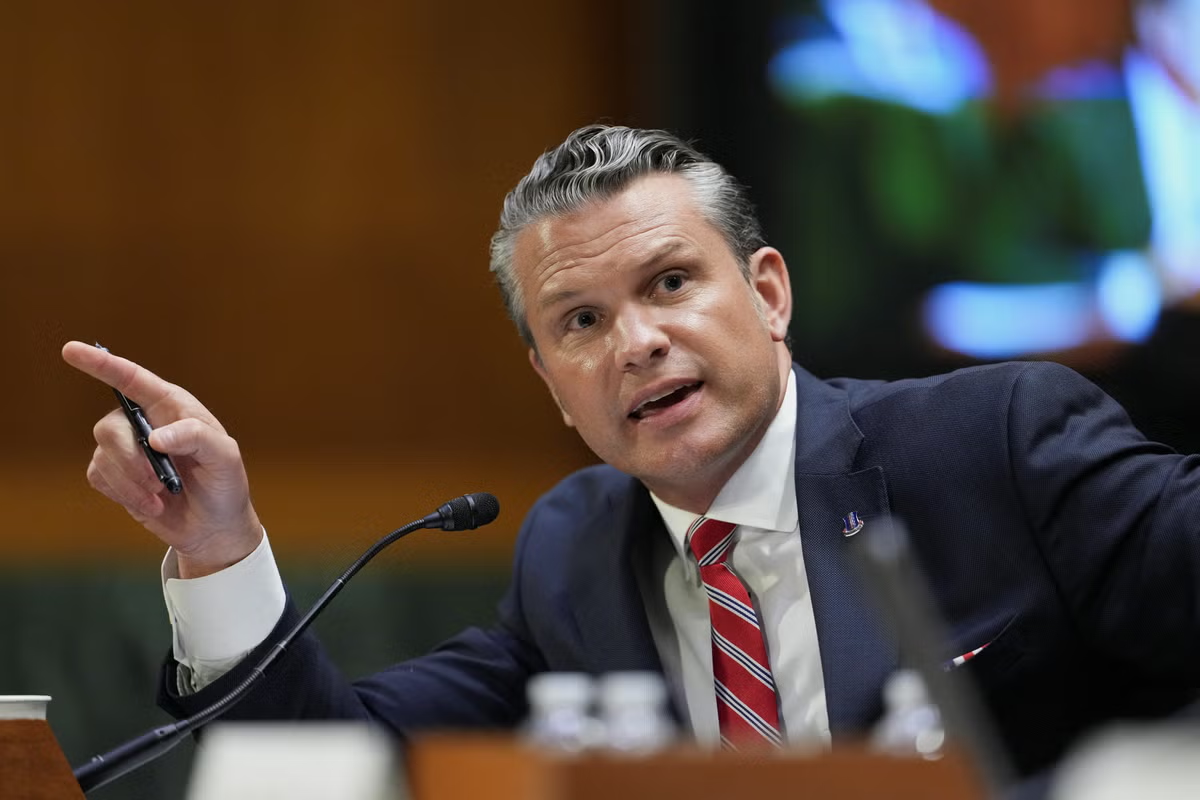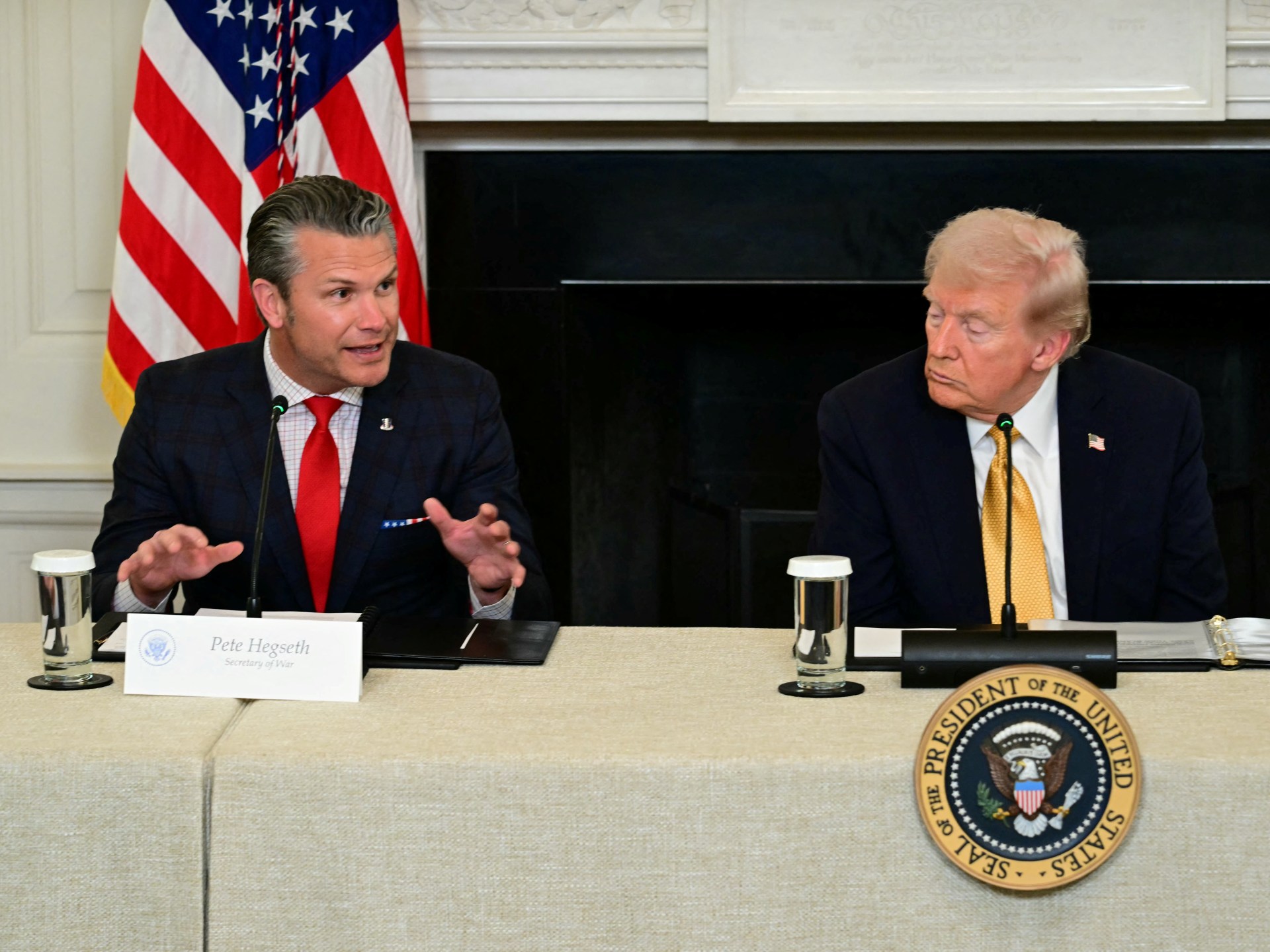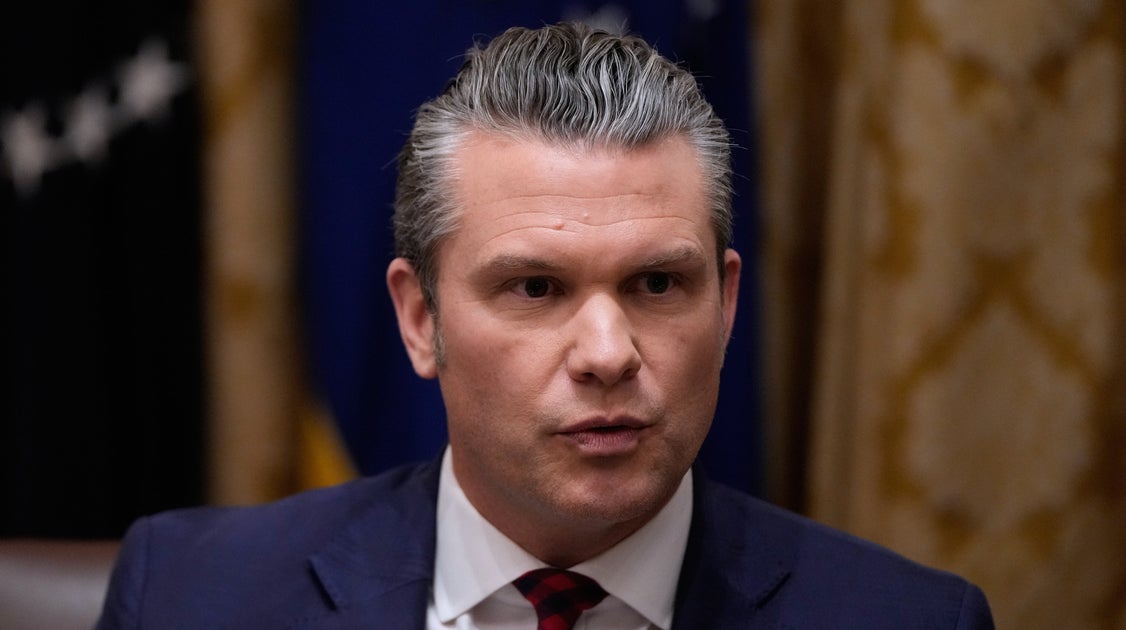
Amanda Feindt sat in the fourth row during the Senate confirmation hearing of Defense Secretary Pete Hegseth. A U.S. Army major and former whistleblower who had submitted a letter supporting his nomination, Feindt listened as Hegseth spoke about troop readiness, military lethality, and protecting military families. Service members and veteran advocates around her wore shirts and hats bearing his name.
While Feindt sat in the Senate chamber, her 4-year-old son was in the military’s care, spending the day at the North Post Child Development Center at Fort Belvoir, in nearby Virginia. There, according to records reviewed by The Intercept, he was subjected to treatment that would leave lasting psychological effects.
It took a year for Feindt and her husband to figure out what it was.
In a series of interviews with The Intercept, Feindt described a grueling pattern of obfuscation in which military officials refused to answer questions about her child’s treatment, directed her to file public records requests, and claimed not to have the attendant evidence — then produced it months later. Military experts characterized these delays as part of a pattern in which the institution seeks to slow-walk and minimize findings of child abuse or mistreatment to decrease reputational damage. Over a year of persistent requests, Feindt and her husband finally pieced together a picture of their child’s treatment during at least two instances that January: The day of the hearing, when staff mocked and harassed the 4-year-old, and a few days earlier, when surveillance video showed them stepping on his feet and pinning his legs under a table. Local authorities later classified the treatment as child abuse.