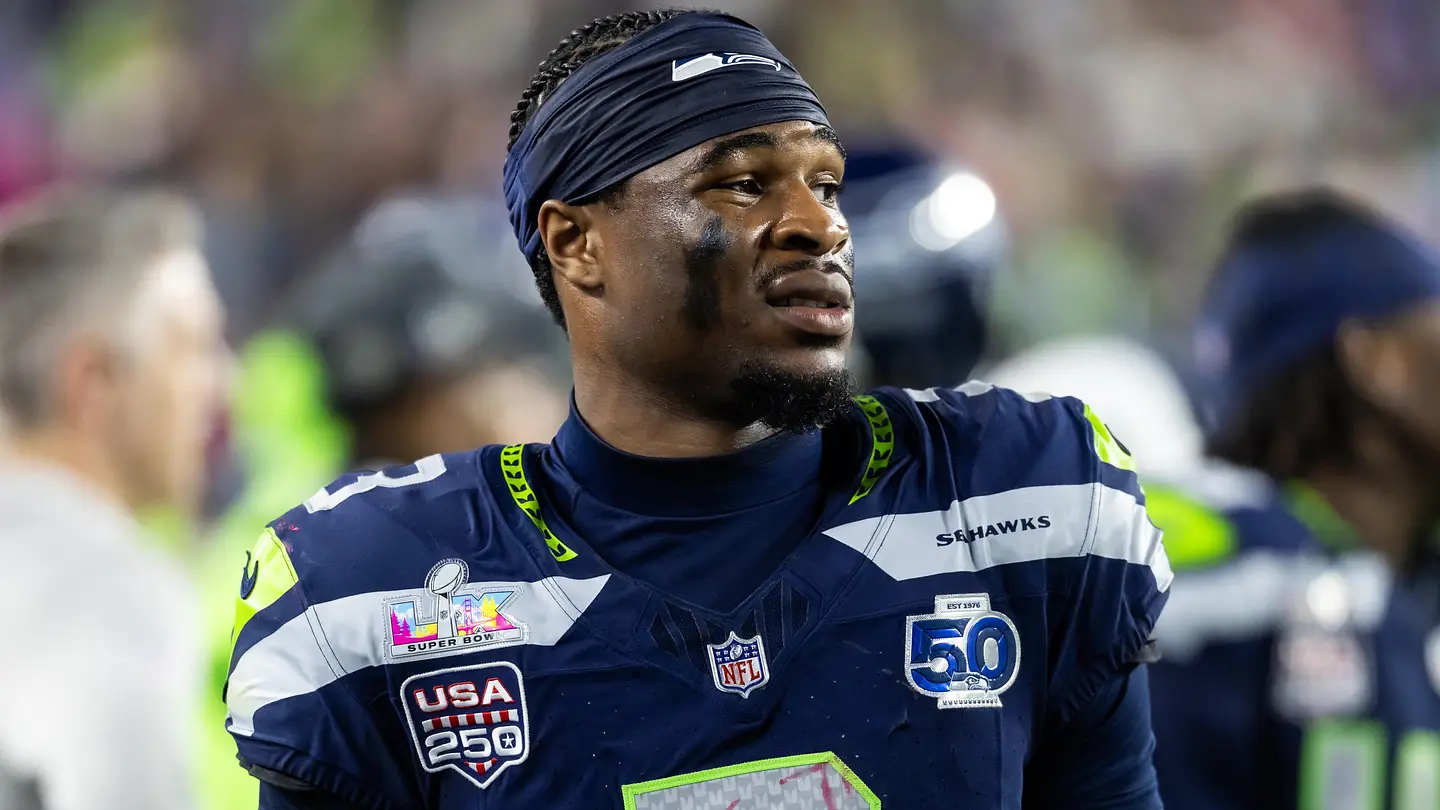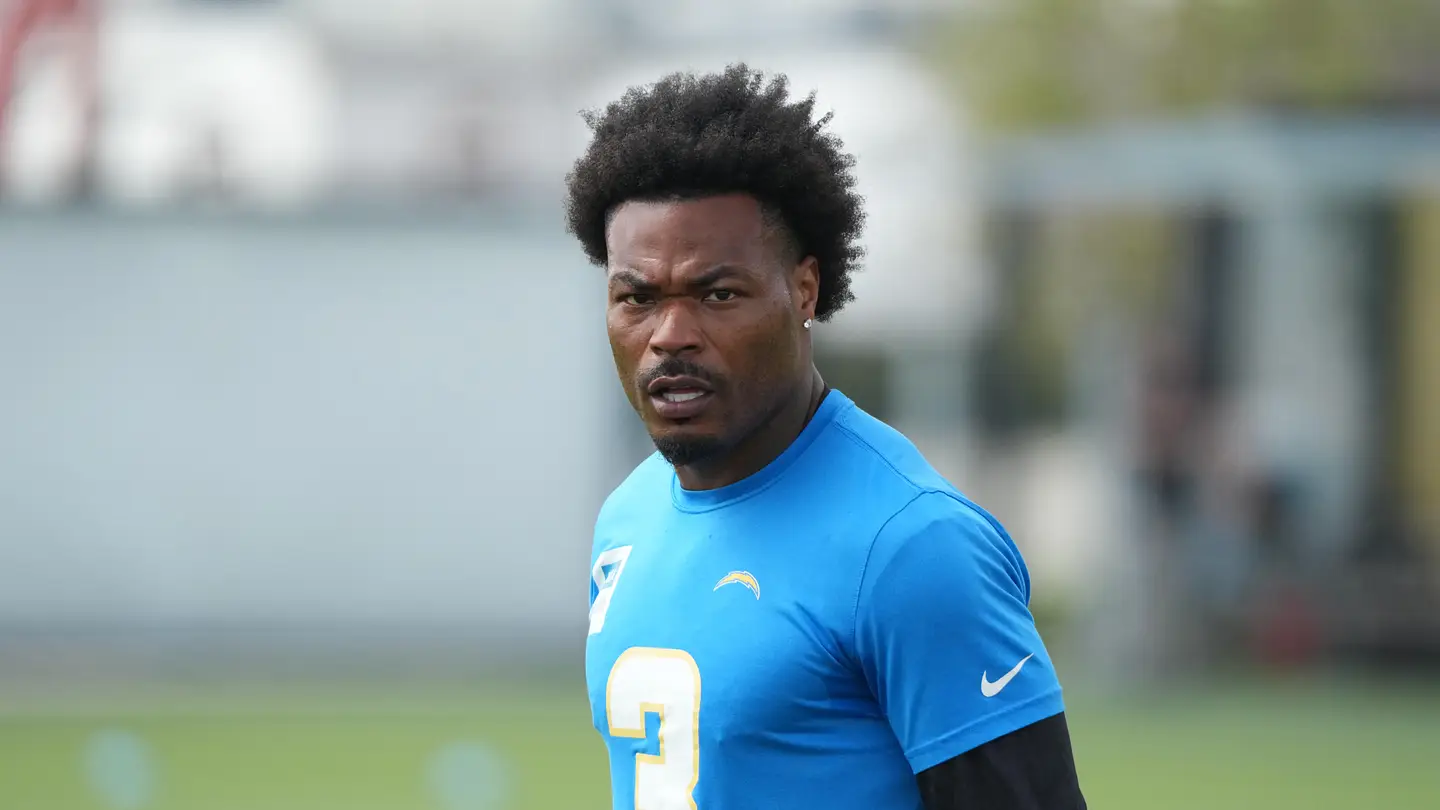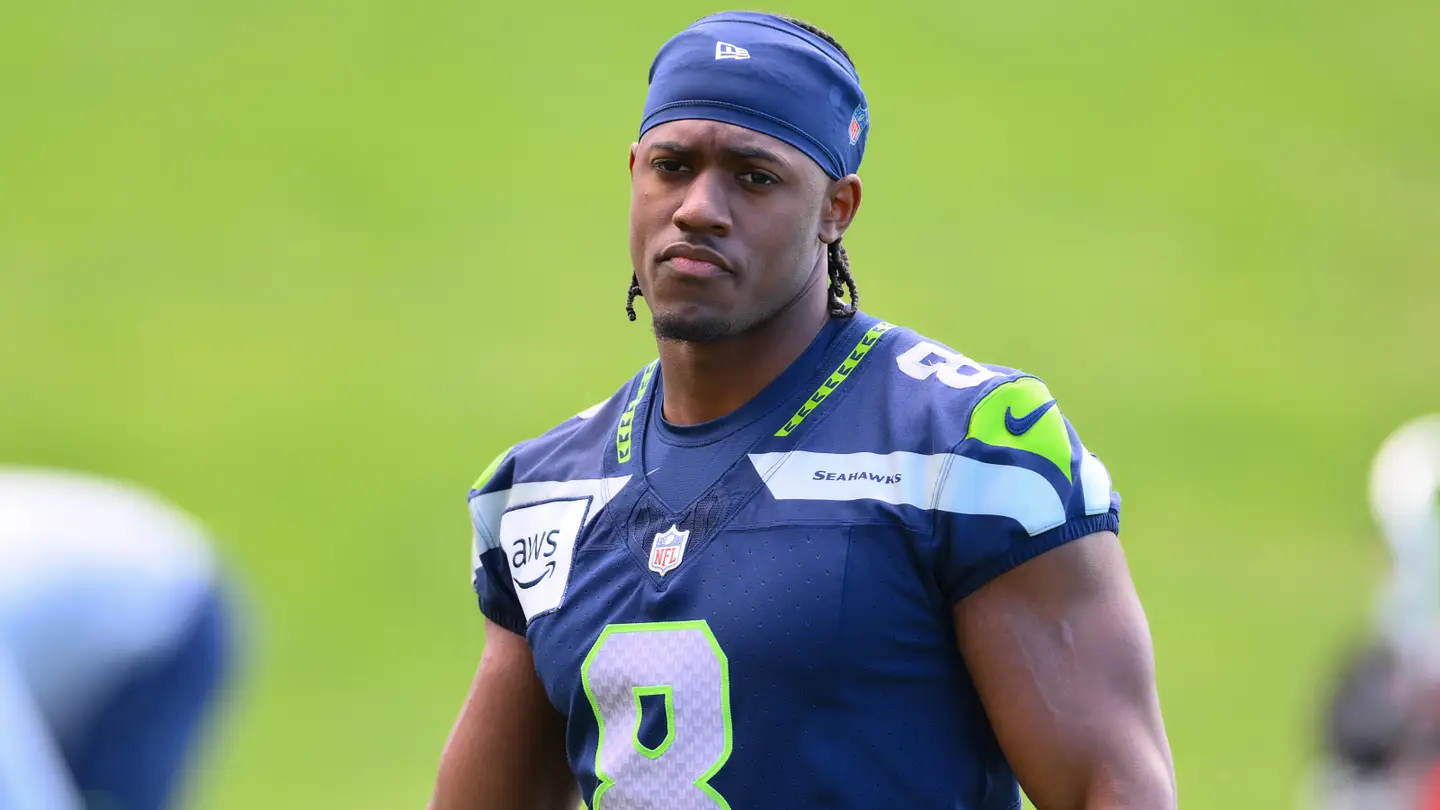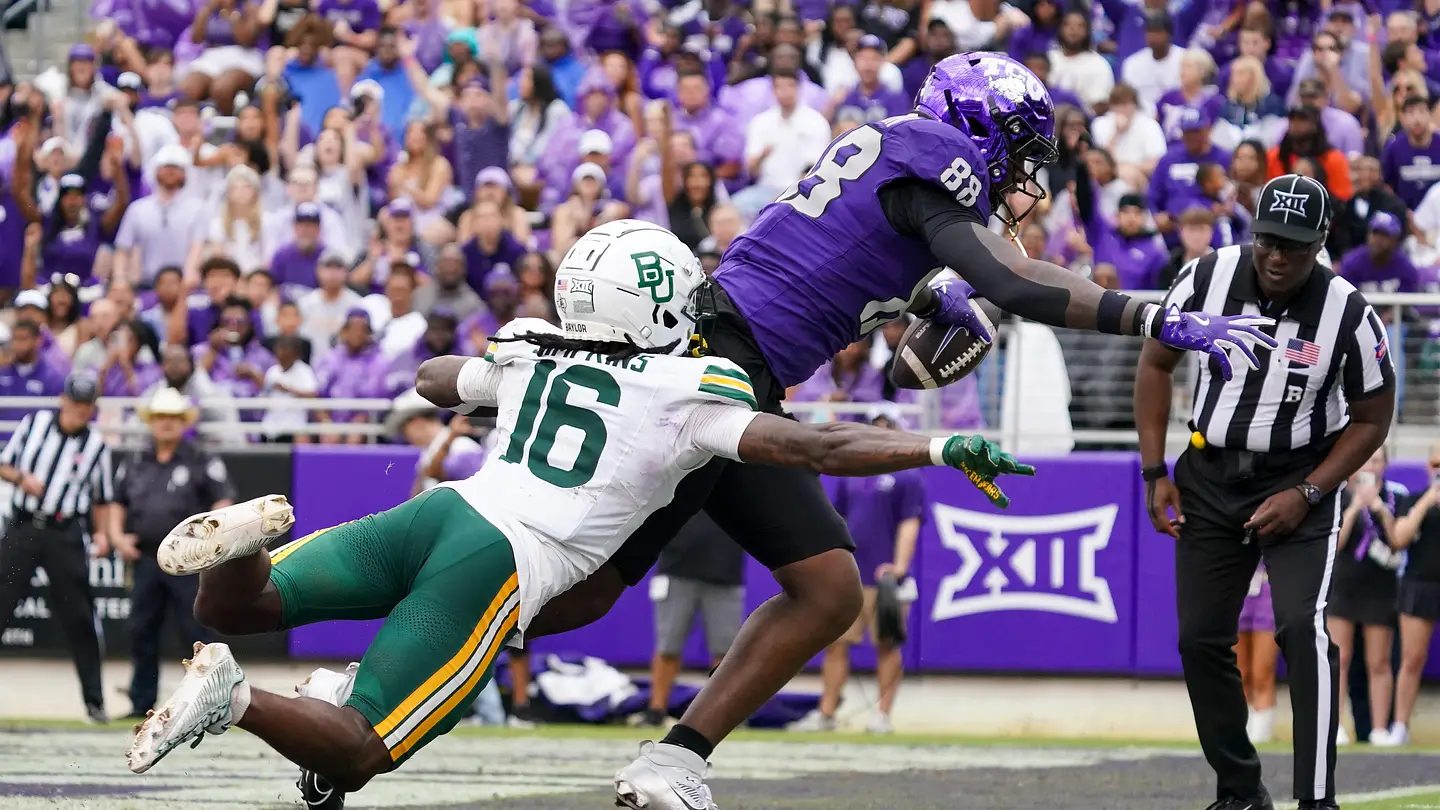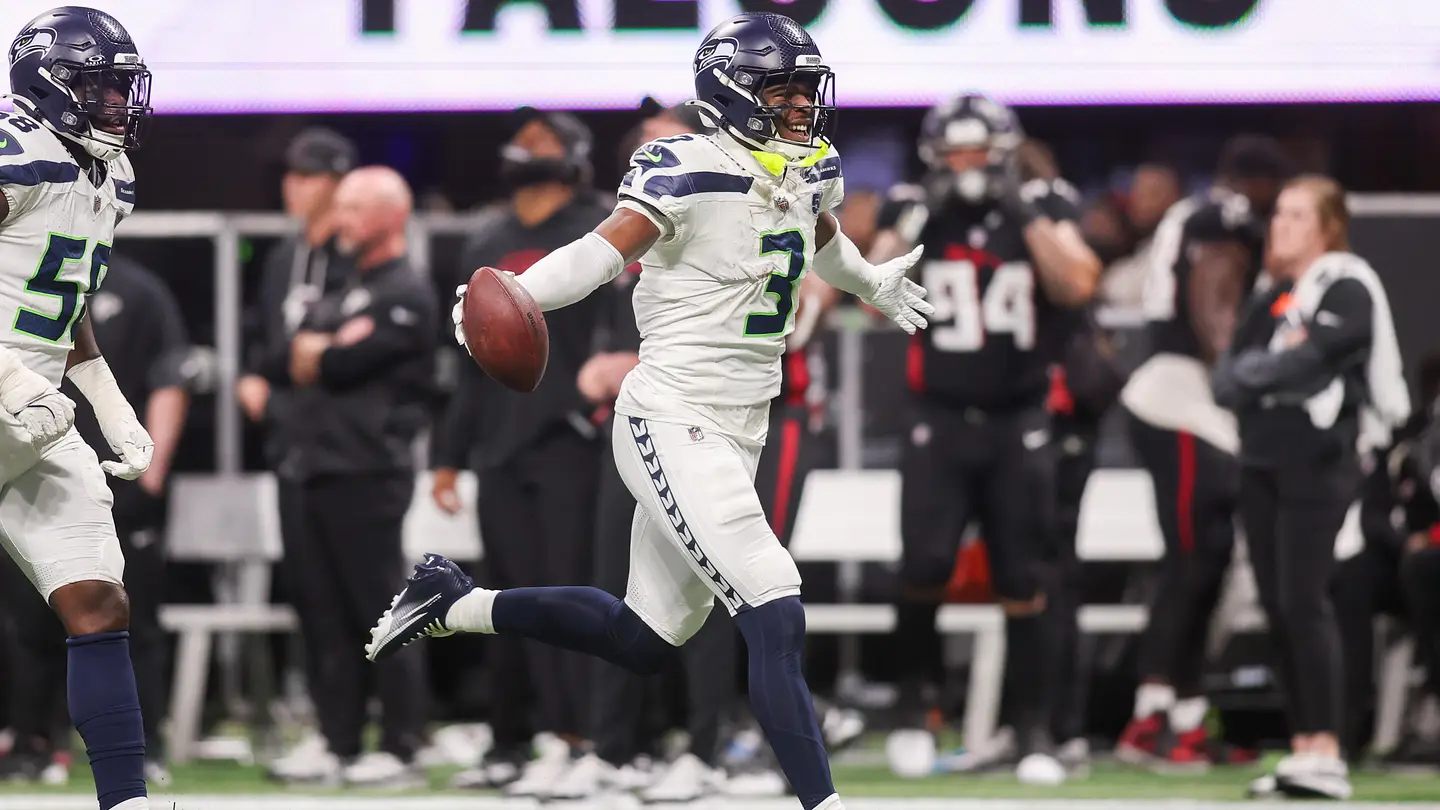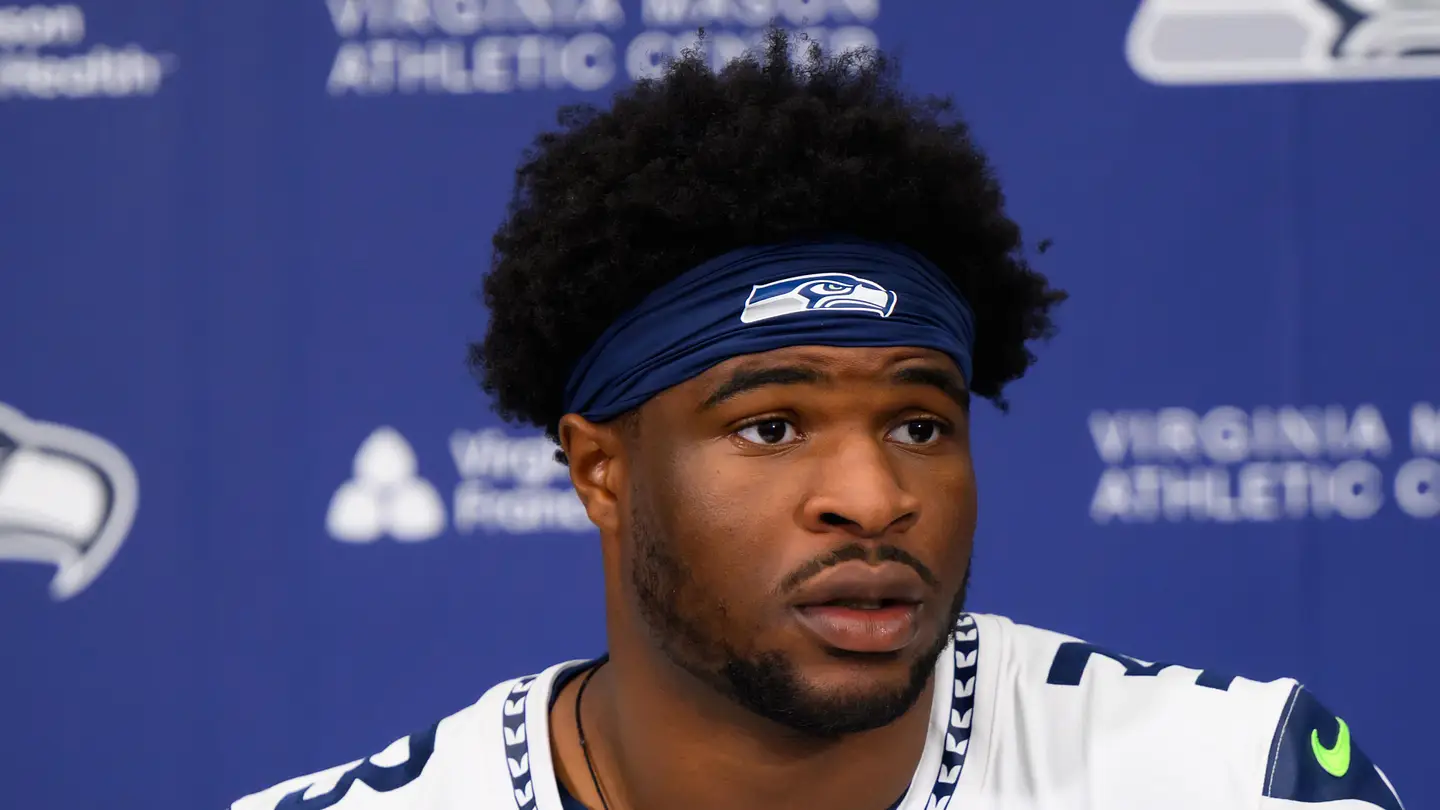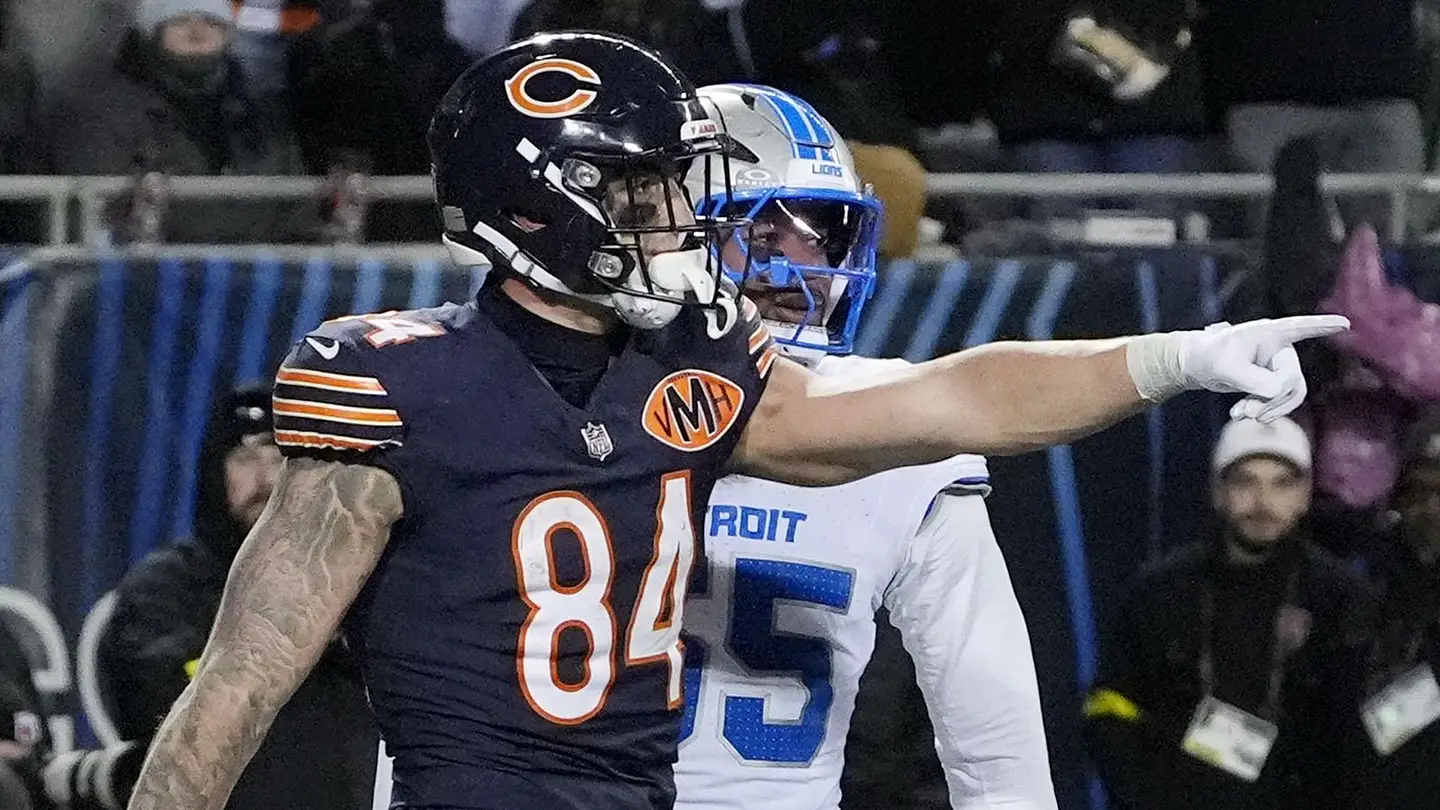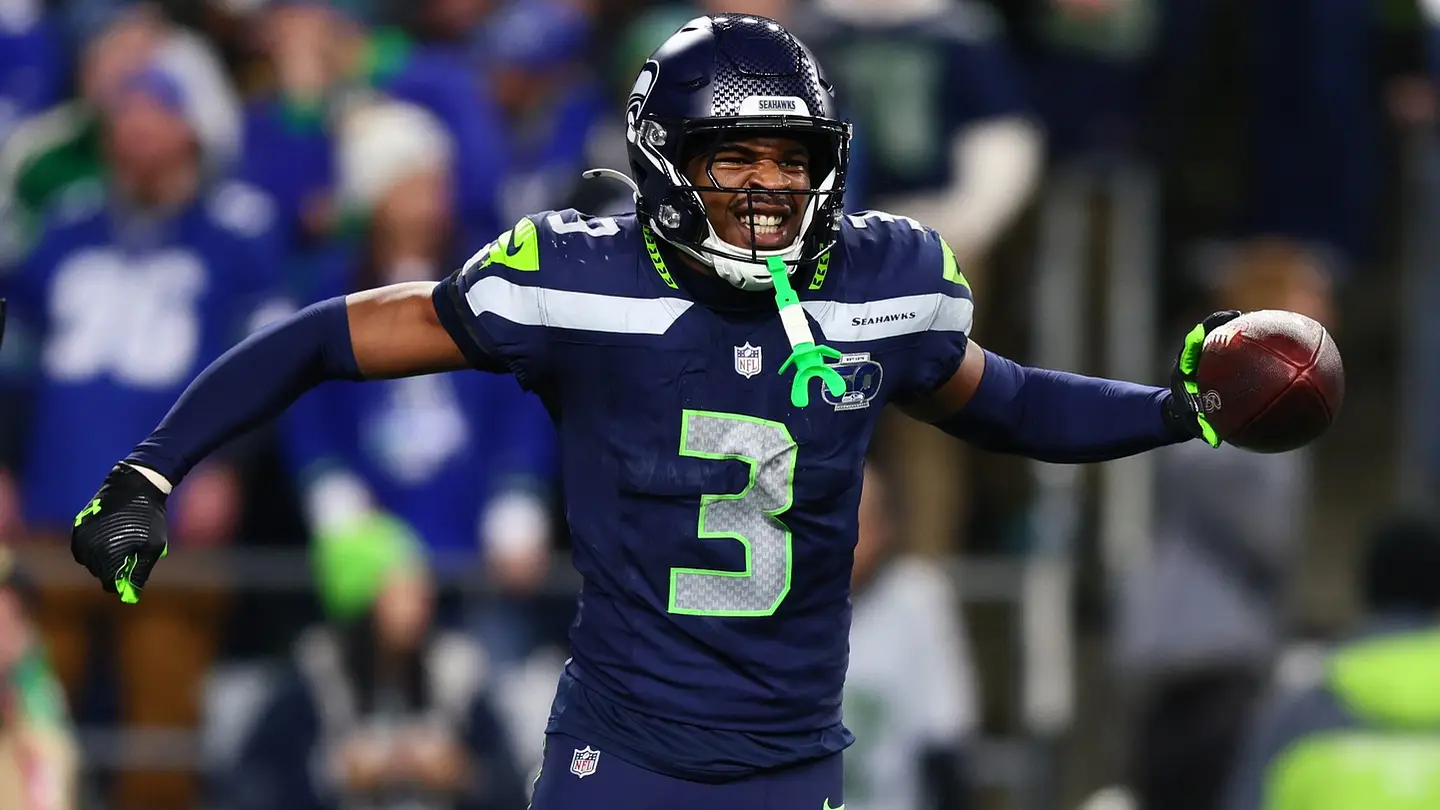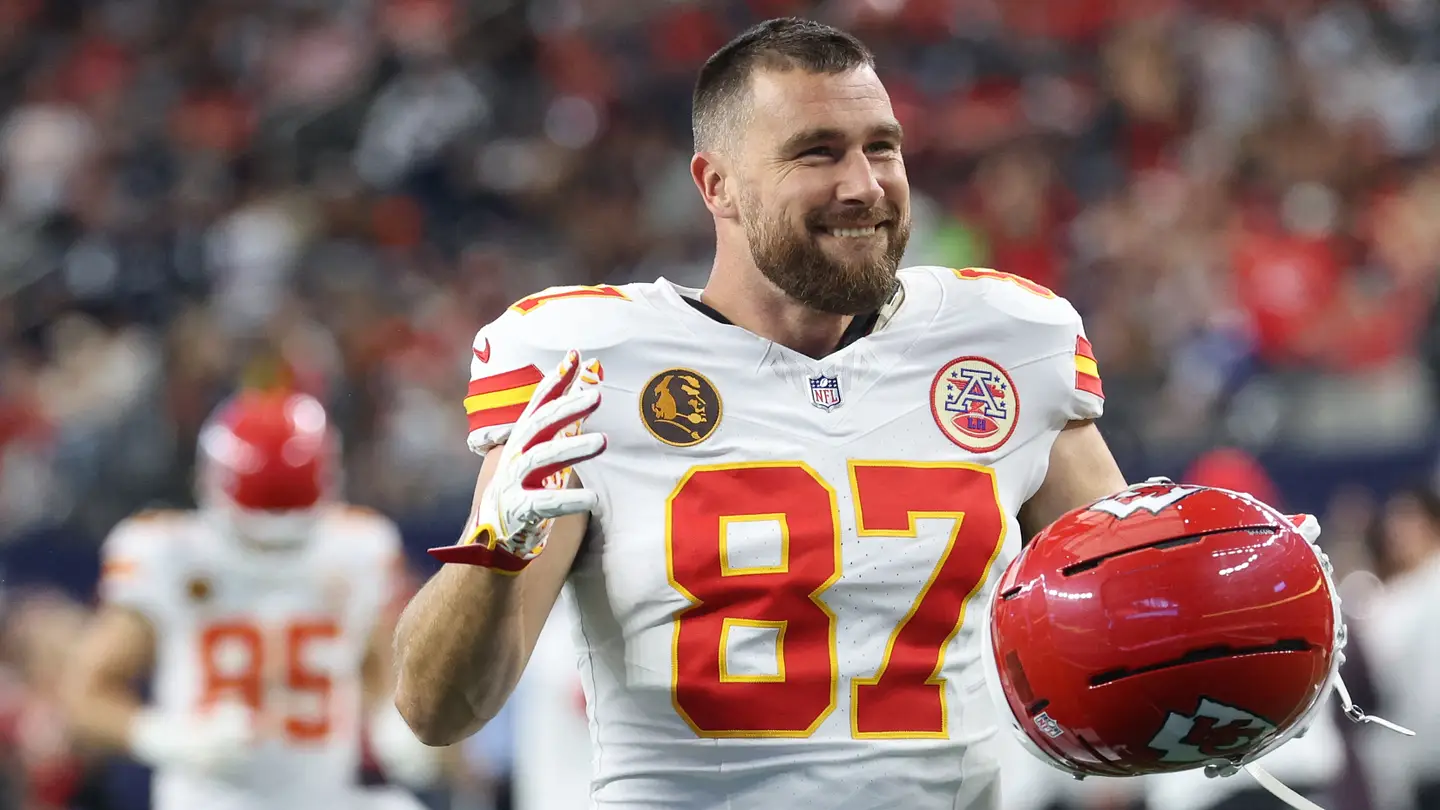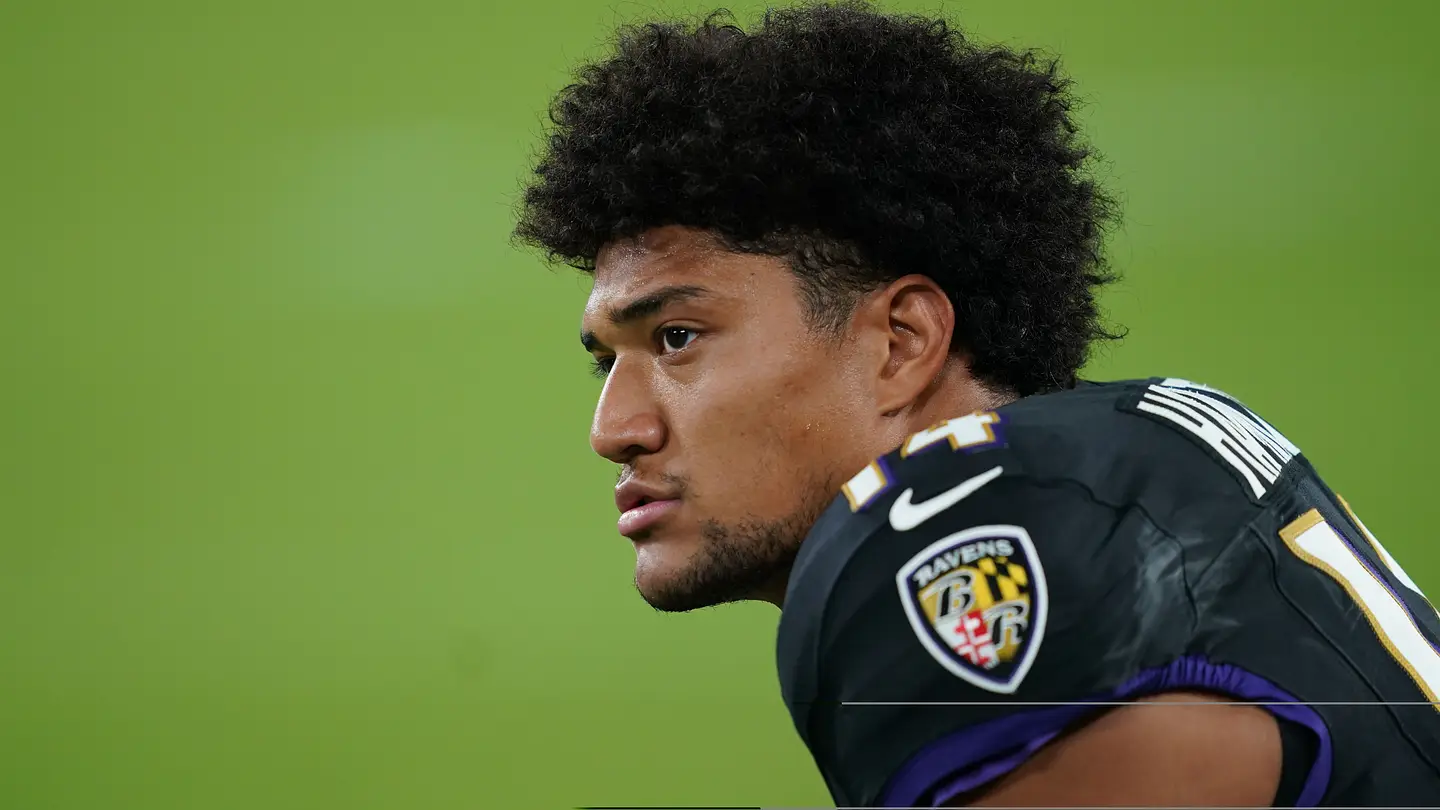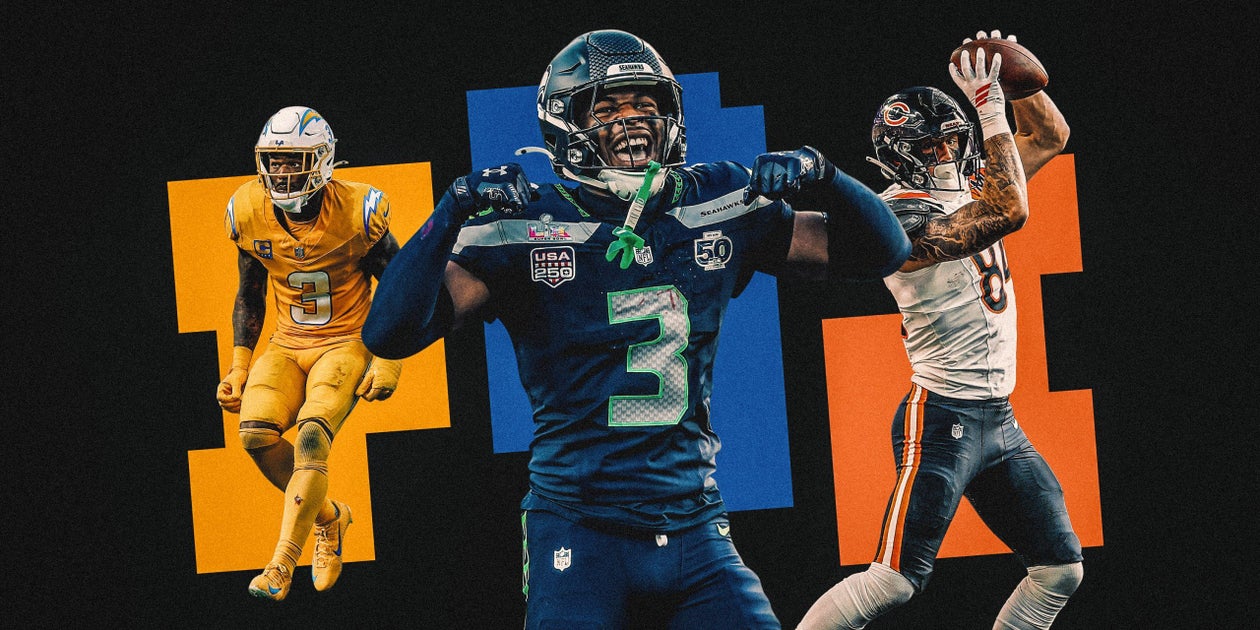
The multiple tight end sets craze is going to reach a fever pitch next season. Will defensive coordinators be willing to put that extra linebacker in to match up with extra tight ends, or will they be OK playing their sub personnel (five or more defensive backs) against multiple tight ends?The decision becomes a whole lot easier when you have versatile defenders who play the run and pass at a high level. Offensively, finding true masters of multiple skills opens up many avenues for play callers. Versatility is always important, but coaches have gotten better at weaponizing it. My top-10 list of versatile players in the league is based on last season’s production and projecting how they’ll play in 2026.Nick Emmanwori, nickel, SeahawksIf Nick Emmanwori hadn’t fallen to the Seahawks in the second round, they likely wouldn’t have won the Super Bowl. The defense is full of difference-makers and the defensive tackle duo (Leonard Williams and Byron Murphy) is among the best — if not the best — in the league, but Emmanwori is the skeleton key to the best defense in the league. The Seahawks played more sub personnel (five or more defensive backs) than any team. Seattle didn’t mind mismatching its nickel against heavy personnel because Emmanwori evolved into a legitimate linebacker. Coach Mike MacDonald said they became a 4-3 base with a “crazy athletic sam” linebacker.Even Emmanwori’s biggest fans couldn’t imagine him taking on offensive linemen and tight ends at the point of attack the way he did. His man-coverage skills translated seamlessly into the league as he blankets tight ends with his speed and size. This offseason, he said he’s been working on his pass-rush moves with DeMarcus Lawrence, and there are OTA clips of him working with the defensive line. With his physicality and athleticism, I don’t see why he can’t become a pass-rushing threat. One of the things I’m most excited about next season is watching how Emmanwori expands his game in Year 2.Kyle Hamilton, safety/nickel, RavensIn 2024, when the Ravens couldn’t stop deep passes, Kyle Hamilton moved to free safety full time and instantly plugged the leak. The Ravens went from bottom tier to elite at stopping explosive passes. Last season, from Weeks 1 through 5, the Ravens gave 146.4 rush yards per game (4.7 yards per carry). They then moved Hamilton to the box full time, where he lined up at slot, linebacker and even on the line of scrimmage full time in Week 6, and only gave up 90.1 rush yards per game (3.9 yards per carry).Whatever part of the game you need him to impact, he can turn it from bad to elite. The Ravens hope that where Hamilton plays this season won’t be necessitated by need. First-year coach Jesse Minter could then move him around like Derwin James, which would bolster his ball production. It’s hard to encapsulate Hamilton’s impact with individual stats, but he should consistently be in the Defensive Player of the Year conversation.Derwin James, safety/nickel, ChargersLast season, James played more on the second level than he has in his career and arguably had his best season. Minter asked him to do a little bit of everything and he excelled. James could be the best pass-rushing defensive back in the league; he’s physical against the run, can cover man-to-man and has sideline-to-sideline range in zone. He could be blitzing on one play and playing man on a tight end the next, while playing the “hole” in a Cover 2 zone on the next one.After dealing with injury issues early in his career, James has played 16 games in each of the last three seasons. In that time span, he has five interceptions, 21 passes defensed, 9.5 sacks and 21 tackles for losses. He’s a true, do-it-all safety whose abilities have been maximized at the nickel position.Puka Nacua, WR, RamsPuka Nacua is the best blocking receiver in the league bar none and he’s in the perfect system to weaponize that ability and get open in the passing game. Coach Sean McVay was a pioneer in the idea of 11.5 personnel (3 receiver sets but with receivers who block like tight ends) going back to his time with Cooper Kupp and Robert Woods. Now, the Rams are straight up asking Nacua to block edge defenders like a tight end and folding him inside to the second level. When they use play action off of these looks, Nacua is unstoppable. But he could also just line up outside as a true X receiver and make the most spectacular downfield catches against man coverage. He’s out for blood whenever he has the ball in his hands.Nacua led the league in yards per route run (3.71), inching out Jaxon Smith-Njigba (3.68), the reigning Offensive Player of the Year. Both players were more than a full yard ahead of the next receiver. While Smith-Njigba is the better pure receiver, Nacua’s ability as a blocker creates opportunities for him in the play-action game, and his impact on the run game can’t be discounted.Rams receiver Puka Nacua led the NFL in receptions last season and was second in receiving yards. (Mark J. Rebilas / Imagn Images)Christian McCaffrey, RB, 49ersThe 49ers struggled to run block last season, so Christian McCaffrey got his touches in the passing game with 102 receptions for 924 yards. San Francisco’s running backs ranked 24th in rushing yards before contact (1.14) — its second-worst finish since Kyle Shanahan was hired in 2017. McCaffrey may have lost a touch of long speed due to age and accumulating injuries, but his vision and elusiveness remain elite. He made the most out of runs when there were running lanes. McCaffrey finished with 1,202 rushing yards but his receiving ability kept the offense afloat.His consistency as a receiver, when plays were designed for him or when he was the checkdown, kept the offense on schedule. McCaffrey totaled 48 catches that created first downs — by far the highest mark for a running back (Bijan Robinson was second with 34). McCaffrey’s ability to run routes you wouldn’t normally see from a running back makes him a unicorn. Robinson is younger, more explosive and will likely take this spot from McCaffrey next season. But McCaffrey is one of the most dynamic receivers out of the backfield we’ll ever see, and this list rewards true versatility more than explosiveness.Josh Metellus, safety, VikingsFor Brian Flores’ wacky scheme to work, versatility is key. Offenses can’t get the usual tells based on where defenders line up. Josh Metellus isn’t a household name but he lines up everywhere on the Vikings’ defense. On one play, he’ll line up as the deep safety. On the next, he could play press coverage on a tight end. On third down, he could be blitzing on the line of scrimmage. He’ll even rotate into the box and play linebacker. It’s hard to play all the positions he does in a regular defense, but in Flores’ defense, he has to learn how to do multiple things within each spot.His ability to make open-field tackles is essential for a defense that blitzes as much as the Vikings. If you miss open-field tackles on blitzes when the quarterback finds a hot route, it’s a recipe for disaster. Though he doesn’t make a ton of splash plays, Metellus is a glue guy for the Vikings.Cooper DeJean, CB/safety/nickel, EaglesEagles coaches speak about Cooper DeJean with reverence because the scope of what they ask him to do from a schematic and physical standpoint is not normal. DeJean does everything, except maybe man coverage, at an elite level and he’s still very good playing man. If he’s not the top tackling defensive back in the league, he’s top three. You simply can’t throw a screen in his direction and expect to get yards after the catch. His awareness in zone is where he really stands out. He knows exactly how offenses are trying to stress coverages with their pass concepts and takes away passing lanes, so even when he’s not making plays on the ball, he’s forcing quarterbacks to hold the ball.DeJean has mastered multiple positions in a complex Vic Fangio system and should be recognized as one of the league’s best defenders. Last season, DeJean moved to outside corner when the Eagles were in base (four defensive backs). Reportedly, DeJean has been playing safety in base in OTAs.Colston Loveland, TE, BearsThe era of the tight end is upon us. Even blocking tight ends are getting paid, and a slew of them got drafted in the second and third rounds of this year’s draft. However, there are a select few who are good to elite at both blocking and receiving. For a while, George Kittle was the only tight end truly elite at both. Colston Loveland is poised to take that title. Maybe it’s still too early to pass that mantle to Loveland, but Kittle is 32 and coming off an Achilles injury in an NFC wild-card game. As hard as Kittle works and takes care of his body, it’s fair to question how quickly he returns to form.Loveland, the No. 10 pick in 2025, is just 22, improved into a good blocker by the end of the season and became the focal point of an explosive passing game. Loveland is a dynamic and crafty route runner and built a strong rapport with QB Caleb Williams. Last season, Kittle led the league for tight ends in yards per route run (2.18). Loveland finished second (1.86) but — as with most rookie tight ends — had a slow start. In his final six games, Loveland averaged 2.42 yards per route run. With more experience and Williams entering his second year in Ben Johnson’s offense, Loveland could well be the most productive receiving tight end in the league and be even better as a blocker.Travis Hunter, WR/CB, JaguarsI don’t think Travis Hunter can truly be a two-way player because of the wear and tear, but that he flashed high-end ability on offense and defense makes him a one-of-a-kind NFL player. As a receiver, he had games in which he dominated as a blocker, made contested catches on deep balls and created yards after the catch. In his last game before his season-ending injury, he had his first 100-yard performance against the Rams. He still has a lot of work to do in polishing his routes and understanding coverages, but he’s a natural pass catcher and playmaker.On defense, he played exclusively on the outside, and that natural ability comes through as well. His speed, fluidity, processing and ball skills give him a sky-high ceiling as a corner. There are snaps when he’s running routes for receivers. In his last four games, Hunter played more offense with part-time snaps on defense. With the emergence of receiver Parker Washington, I hope to see Hunter play full time on defense and part time on offense. If he locks in defensively, he has true lockdown-corner potential.Devin Lloyd, LB, PanthersIn his fourth season, Devin Lloyd finally put it all together and had his best pro season playing in Anthony Campanile’s creative scheme in Jacksonville. He made second-team All-Pro and generated Defensive Player of the Year buzz early in the season. Lloyd was excellent as a run defender and pass defender and was a revelation as a blitzer. In coverage, he had five interceptions and seven passes defensed. His coverage ability was a big reason why the Jaguars finished first in defensive EPA on passes between the numbers. As a pass rusher, Lloyd had 10 quarterback hits and a ridiculous 28.1 percent pressure rate. Running backs had no shot at blocking him. Lloyd signed with the Panthers in free agency, and the hope is he can help a defense that struggled to defend the short-to-intermediate middle of the field.
Nick Emmanwori, Colston Loveland among NFL’s 10 most versatile players
Nick Emmanwori was essential in the Seahawks' run to the Super Bowl title, while Colston Loveland is emerging as one of the NFL's top TEs.
1,966 words~9 min read