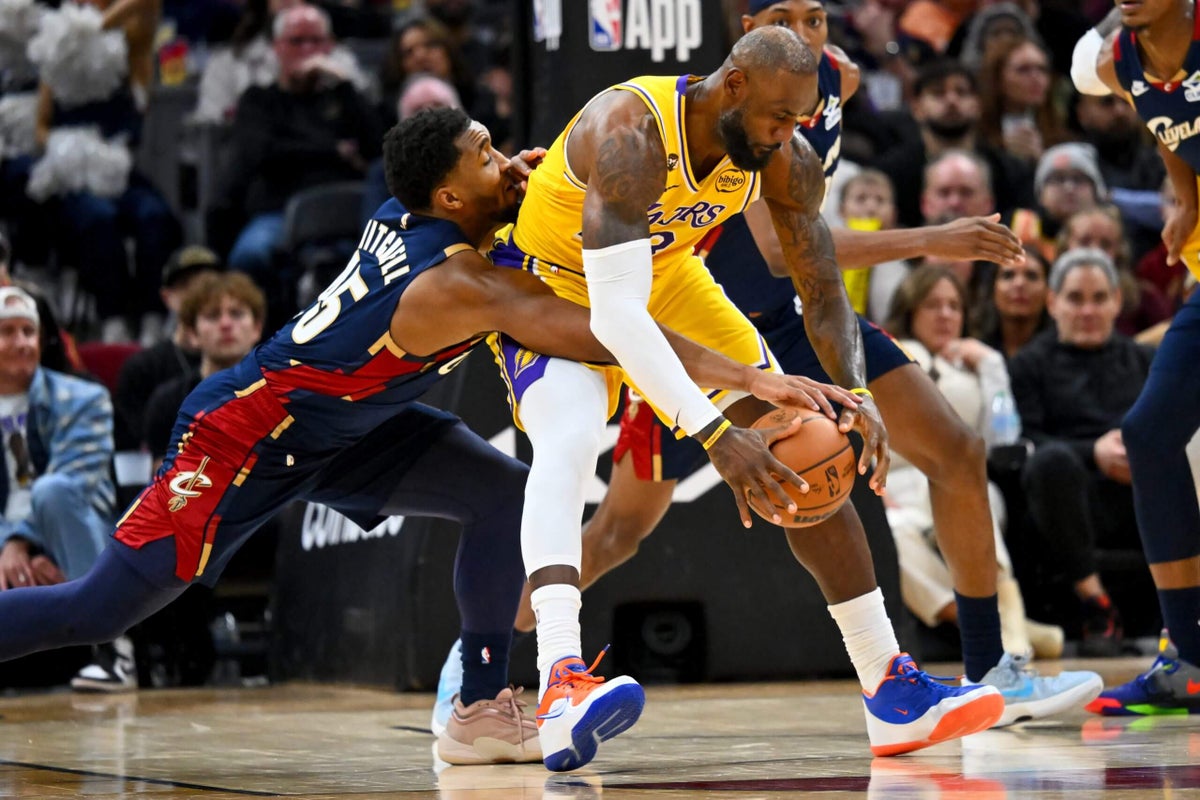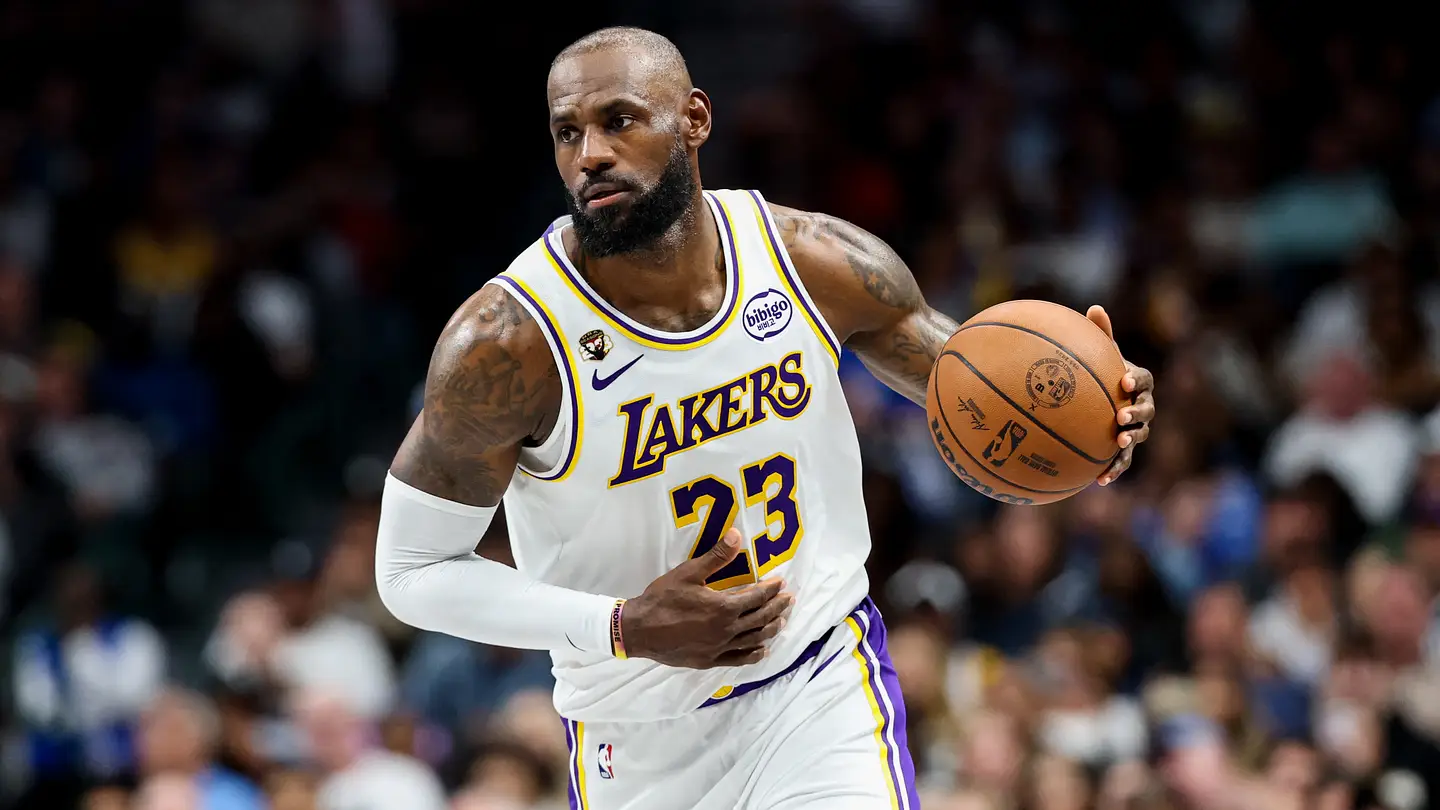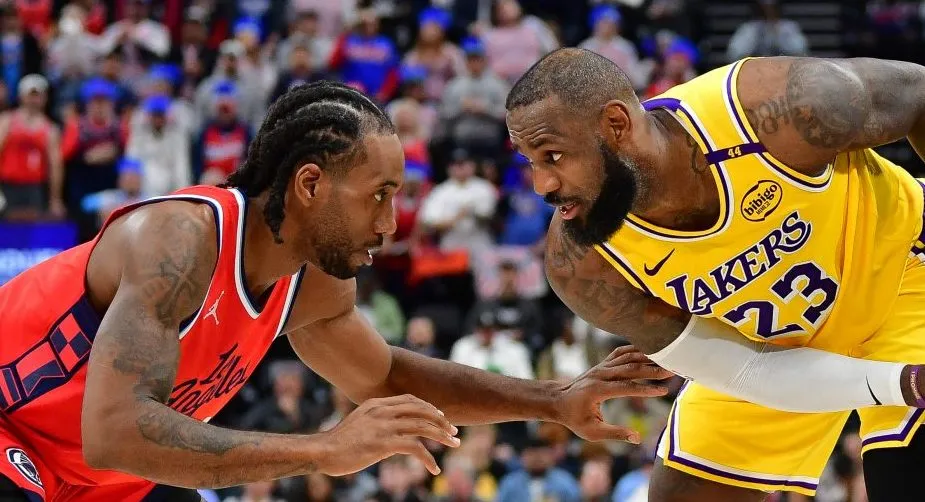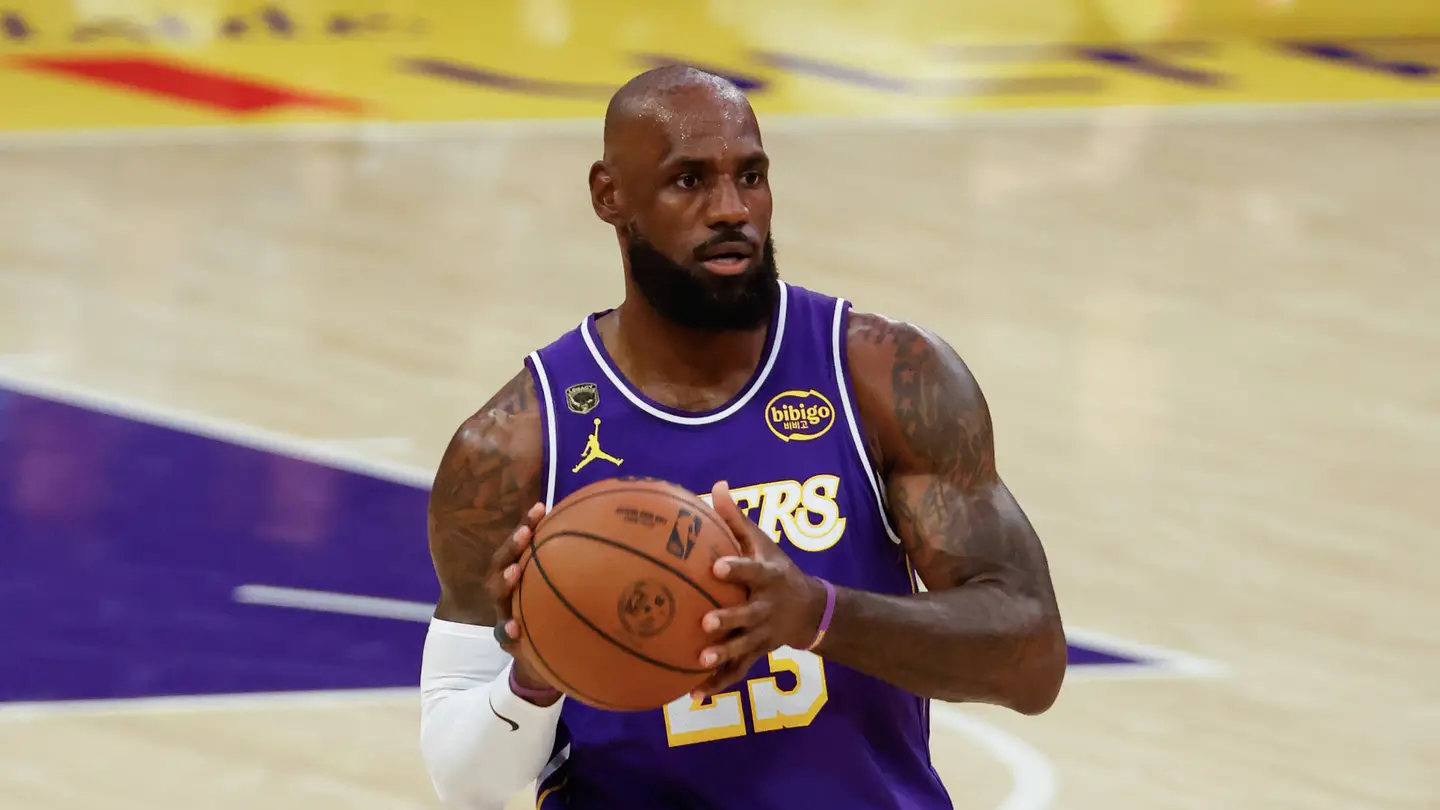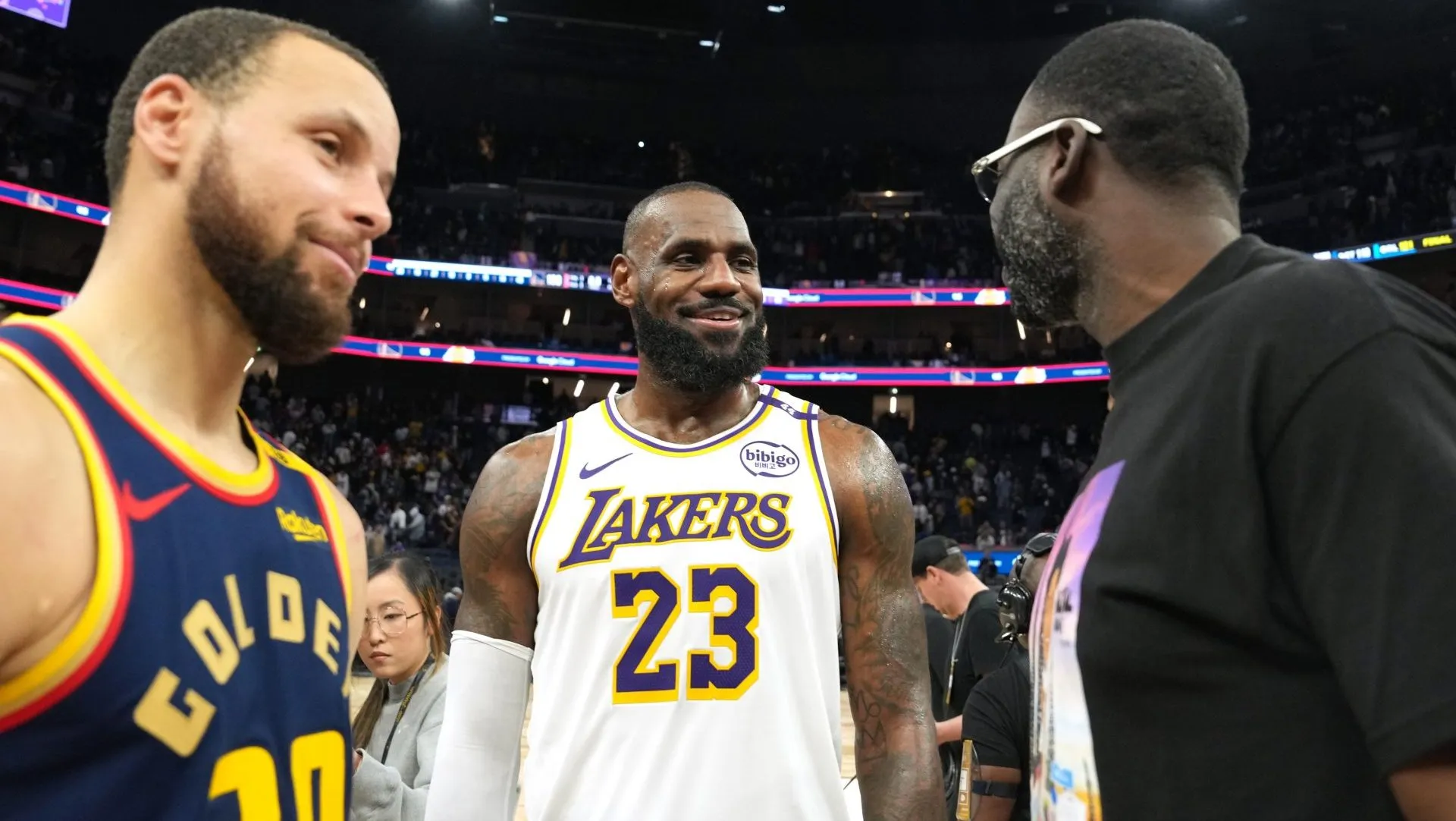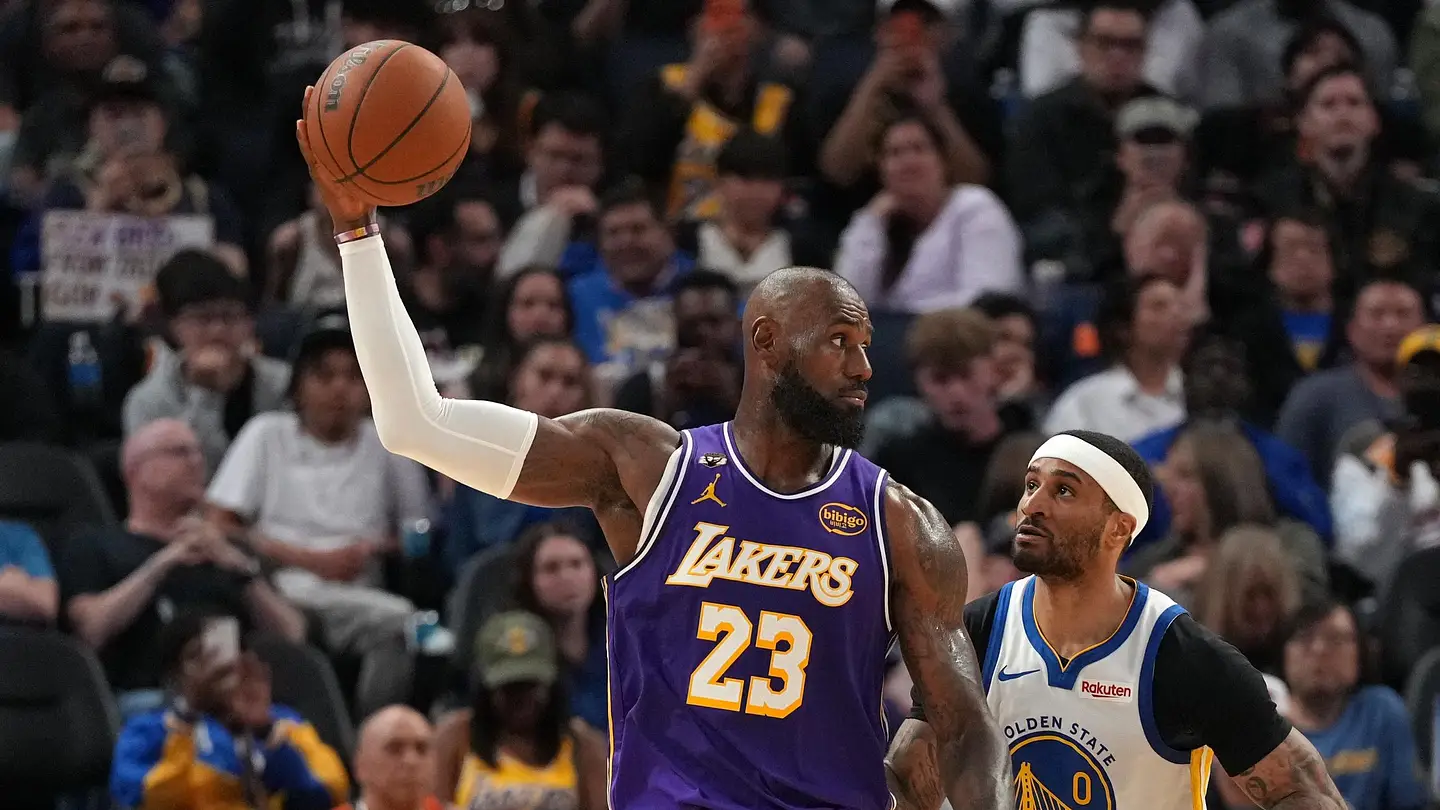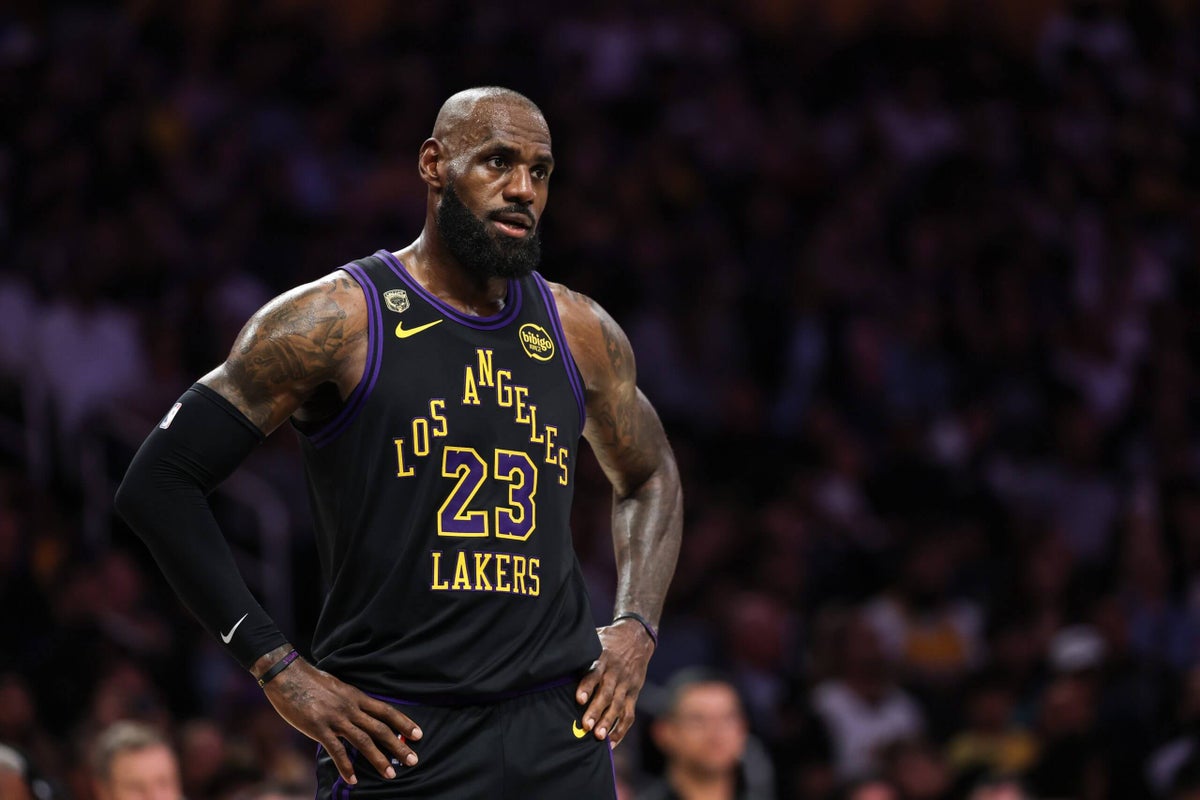
LeBron James has been underpaid before.Since he entered the NBA as “The Chosen One,” a No. 1 pick for the ages in 2003, he’s seen what’s happened to the league and the teams that employ him. Franchises have seen their valuations universally climb beyond $1 billion. He’s witnessed cable networks, national broadcasters and now streamers bid time and again for the broadcast rights to live games. James has seen the game be divvied up into slices of content that can be monetized and statistics that can be legally bet on.All of it has the NBA in a gold-rush era that, not coincidentally, came during his time as a consistent top-billed star in the league’s annual productions.And while he’s earned $581,375,548 over 23 years, he’s certainly provided the league more than $25 million in annual value.He’s worth more — and he’s known it.It’s one of the things that makes James’ upcoming free agency so interesting. James is still producing at a level that should make his upcoming salary a very big number. The economics of the NBA, his team and their competitors, though, could be setting him up to be woefully undercompensated again.James’ contract with the Lakers expired following his 23rd season, one where he was an All-Star, one where he averaged 20.9 points, 6.1 rebounds and 7.2 assists and one where he led a team without its star guards to an improbable first-round win against the Houston Rockets.He showed he could thrive in a third-option spot next to Austin Reaves and Luka Dončić. And, after missing the first 14 games of the season, he showed that he could still be remarkably durable despite having played more games and minutes than anyone else in NBA history.But what people are willing to pay James now, at this stage of his career, is a major question around the NBA.For the Lakers, they’ve long spoken about James’ contract as an expiring one and have been interested in exploring ways to best tailor their roster to Dončić by using that cap space. However, it’s considered a fairly weak free-agency class — with, strangely enough, James and Reaves as two of the very best players who could be available. It’s also not just at the top of free agency where the Lakers are a source of talent. Rui Hachimura and Luke Kennard are two of the best shooters available. Deandre Ayton and Marcus Smart both outplayed their contracts a year ago and could opt into free agency. Jaxson Hayes is one of the few rim-running lob threats available.At a time when the Lakers should be feeling some pressure to make changes to the roster, their own players being among the best in free agency puts them in a strange position.If free agency is weak and the Lakers don’t have a strong desire to run back their roster from a year ago, it really only leaves one pathway for the team to improve using cap space — acquiring players via trade.While there’s some talent at positions of need in restricted free agency, the options aren’t considered particularly logical according to league sources. The expectation around the league is that the Utah Jazz will match any offer sheet Walker Kessler receives, and executives hold a similar view regarding Detroit and Jalen Duren. Another restricted free agent center at least worth monitoring is Mark Williams in Phoenix (yeah, the guy the Lakers traded for before rescinding the deal). But it’s only logical to wonder why the Suns would give up assets to acquire Williams only to let him walk a season later. Wings Tari Eason and Peyton Watson both have injury and shooting concerns while also being held in high esteem by their current employers. Prying players loose in restricted free agency is one of the biggest gambles in the NBA, and generally speaking, it’s regarded as a poor Plan A for teams trying to make moves.The Lakers could try to work trades for any of the restricted free agents they covet, but the track record of good restricted free agents being allowed to leave for free is almost nonexistent.It’s why trading into the Lakers’ space is the easiest plan for the team to first try to execute. The penalties associated with the first and second aprons could put the Lakers in a good position to acquire talent without having to make major withdrawals from their limited draft capital.All of this is to say that if the Lakers want to operate with the most possible cap space, James moves back a little in the line. It’s not, though, the sole option the Lakers have access to.The team could be aggressive in trades up until free agency begins on June 30, and if they’re able to make moves that involve sending out matching salaries, league sources said there’s a pathway for the Lakers to actually operate as an over-the-cap team. If they do so, having James’ Bird rights would become particularly valuable and could give the team easier pathways to paying James closer to his worth.If the Lakers, though, are moving ahead with cap space as a priority, it could be difficult for the team to both make major changes and retain its most important free agents at market deals. Reaves’ meager cap hold makes his salary next year largely unimportant when it comes to pathways for roster improvement — something that doesn’t apply to James and his nearly $60 million salary-cap hold.The belief is that Rui Hachimura and Jaxson Hayes are players the Lakers would prioritize bringing back as they try to best fit a roster around Dončić. And each piece of the puzzle the Lakers feel they need to add into their cap space takes up a slice that could go to James.Rob Pelinka, the Lakers’ president of basketball operations and general manager, said that the organization wanted to give James the space and time necessary to figure out whatever he plans to do next. Team sources have said that stance has not changed. James’ agent, Rich Paul, told Pat McAfee Friday that he hadn’t even discussed options for next season with James (though he mentioned interest from a third of the league should James decide to continue playing).Most of those teams, just by looking at committed salaries, wouldn’t have the kind of cap space needed to make James an offer that matches his 2025-26 production. It means that if James plays next season, it sure seems like he’ll be doing it for a significantly lower number than the $52.6 million he made this past year.If the Lakers are committed to trying to replicate Dončić’s best Dallas Mavericks rosters, it means the team will be looking to keep Reaves, the secondary ballhandler. It would mean trying to find a center who could play at the rim on both ends. It would mean upgraded shooting and athleticism on the wings.James doesn’t fit neatly into any of those roles, mostly because he’s still way too good to be a role player. He’s his own thing, even at 41. And if the Lakers do decide to make changes that don’t include James, replacing his production — at least with a single player — will basically be impossible.As the team enters its exclusive negotiating window with James, it cannot know with certainty the best road to travel this summer. Maybe trades present themselves and the Lakers can upgrade that way before the draft. Maybe teams looking to spend in free agency will identify the Lakers as a landing spot for contracts that need new homes. Maybe the Lakers will put pressure on teams with restricted free agents. The plan, as of now, isn’t clear.And that means the plan for James probably isn’t clear either, which, considering what he did last season and what he’ll surely be capable of doing next season, has to be at least a little uncomfortable.It might not be the first time James will be undervalued — but it’ll be the most obvious. And no one can know for sure how that will sit with him as he evaluates if and where he wants to play.
LeBron James and the unanswered questions shaping his free agency
The question isn’t whether LeBron can still play, it’s what teams are willing to pay.
1,347 words~6 min read