The numbers are quietly damning. The average freelancer in 2026 spends between eight and 10 hours a week on administrative work that has nothing to do with the service they are paid to deliver.
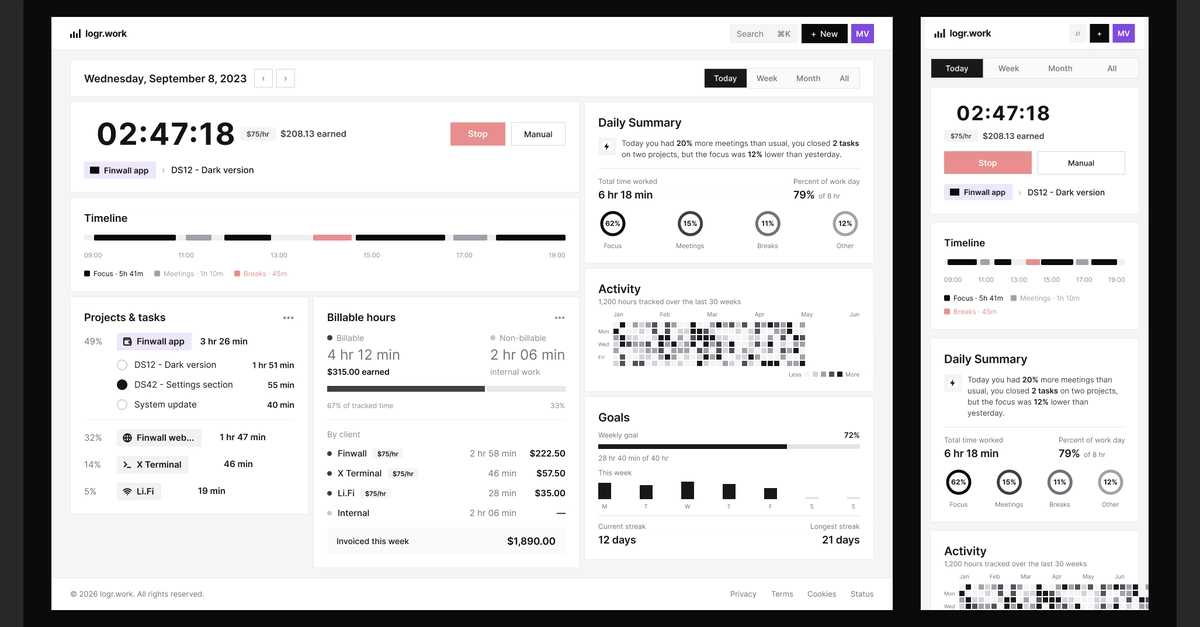
Chasing late invoices. Reconciling expenses across three credit cards. Logging billable hours in a spreadsheet that lives on the desktop, except when it is open on the laptop, except when it is open on neither and the freelancer is now invoicing from memory. Setting aside money for quarterly taxes. Filing for them anyway because the set-aside money quietly funded a flight home for Thanksgiving.
This is what economists are starting to call the freelancer admin tax: the unpaid hours every independent worker subsidises their paid hours with. 10 hours a week is half a working day. Across a year, it adds up to roughly six full work weeks of unpaid labour, longer than most US employees take in vacation. And it falls hardest on the workers least equipped to absorb it, because freelancers do not get HR support or finance teams.
The cost is not hypothetical. A recent analysis of manual invoicing costs put the per-invoice cost of email-and-spreadsheet workflows at between $15 and $40 once you include the time spent chasing, reconciling, and re-entering. For freelancers running a handful of clients a month, that overhead compounds quickly.