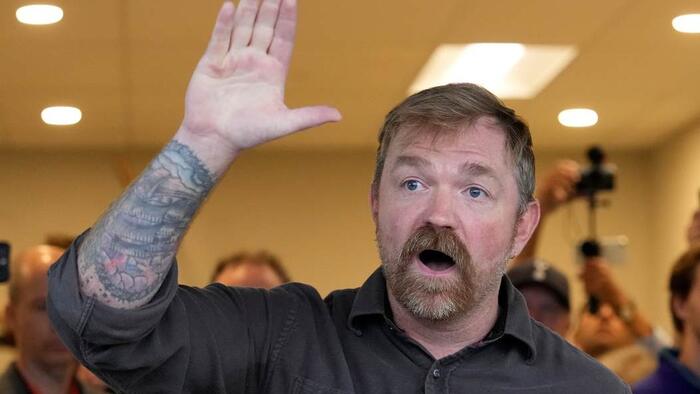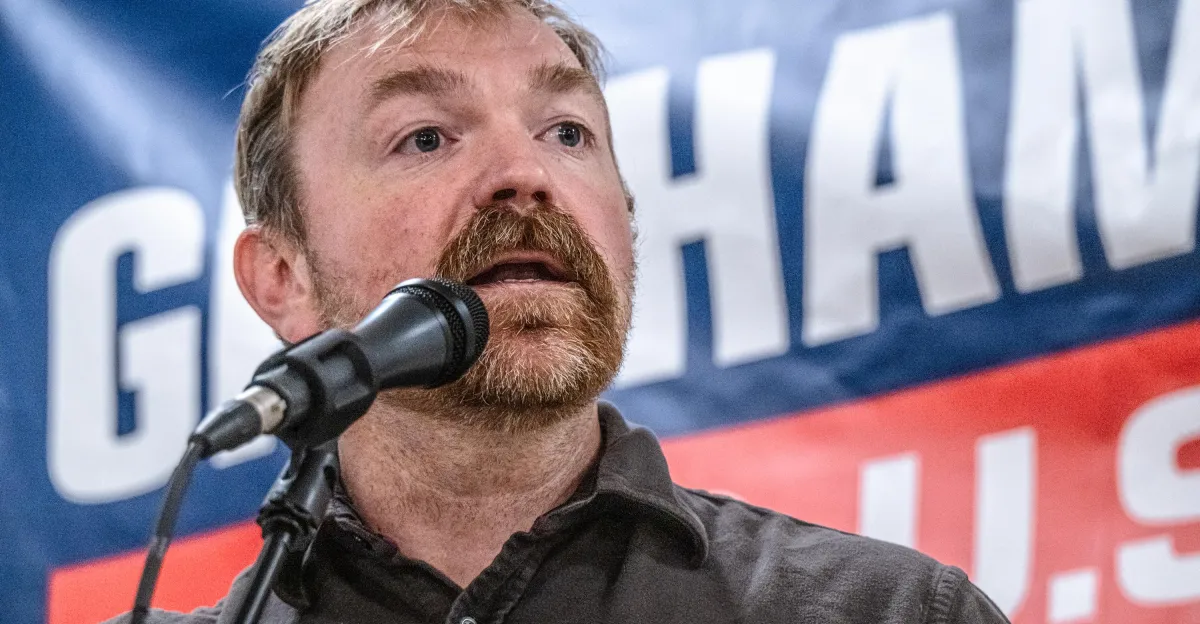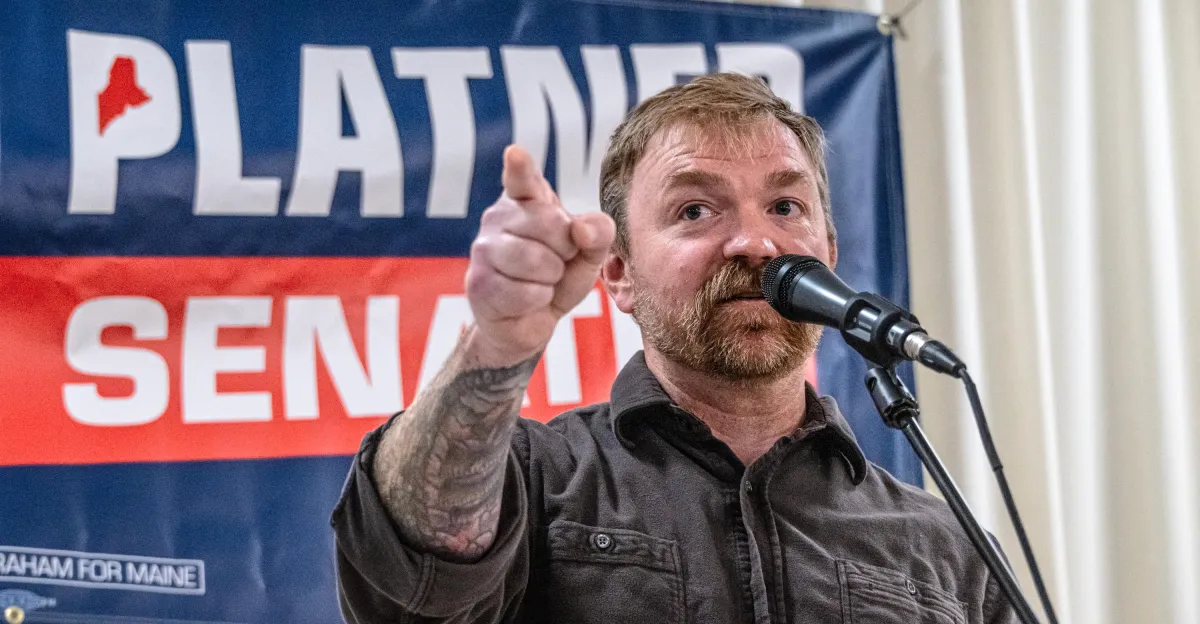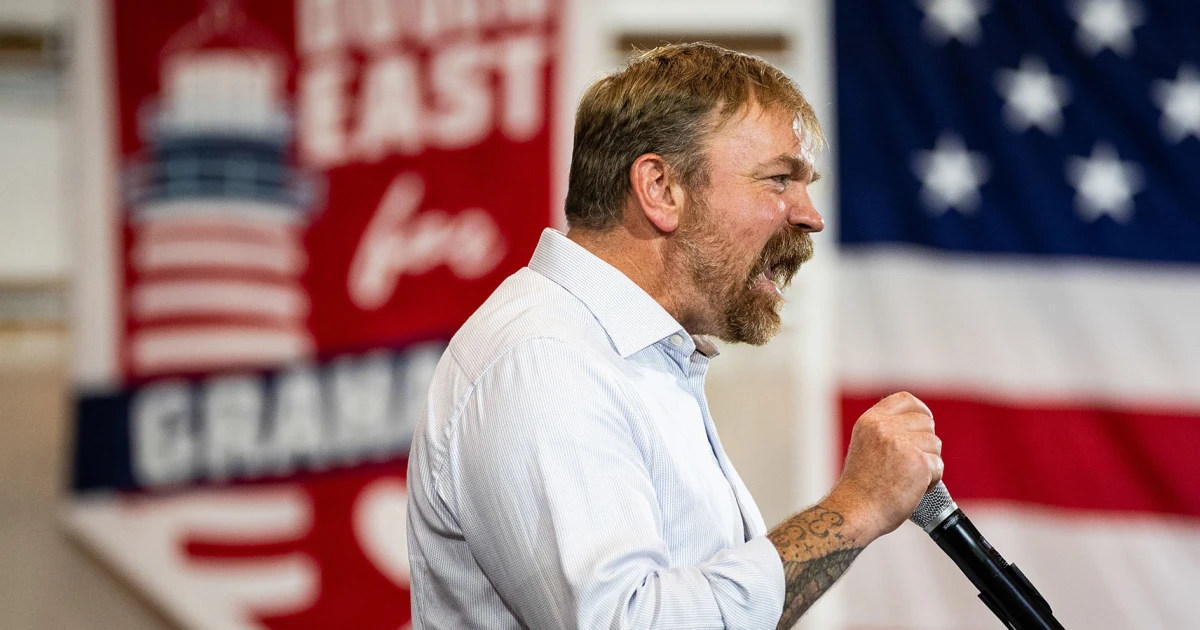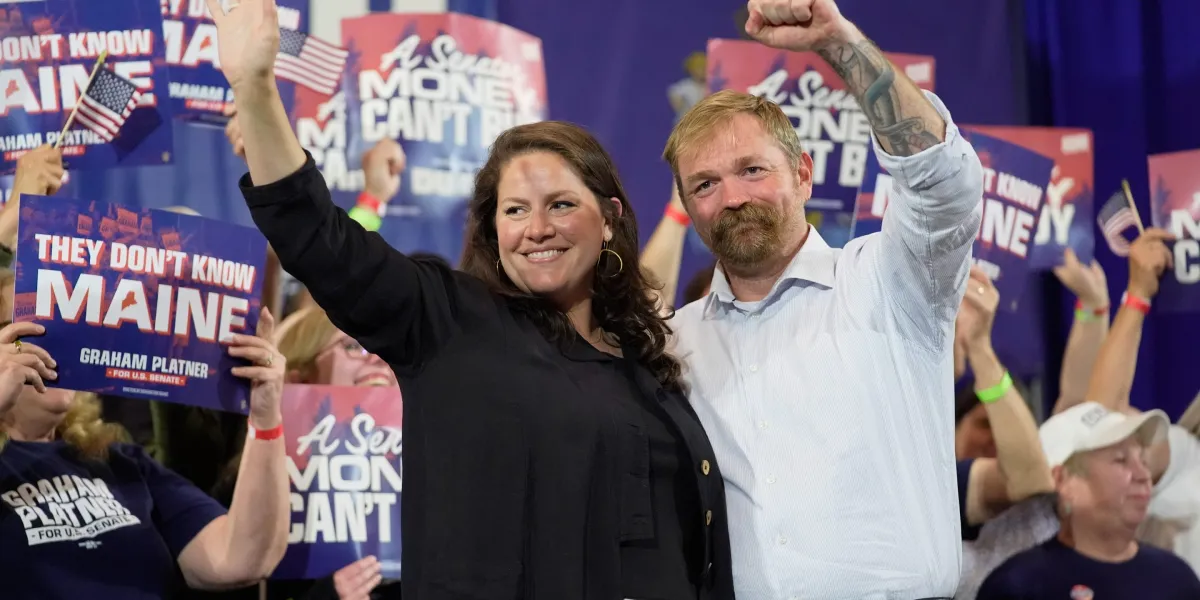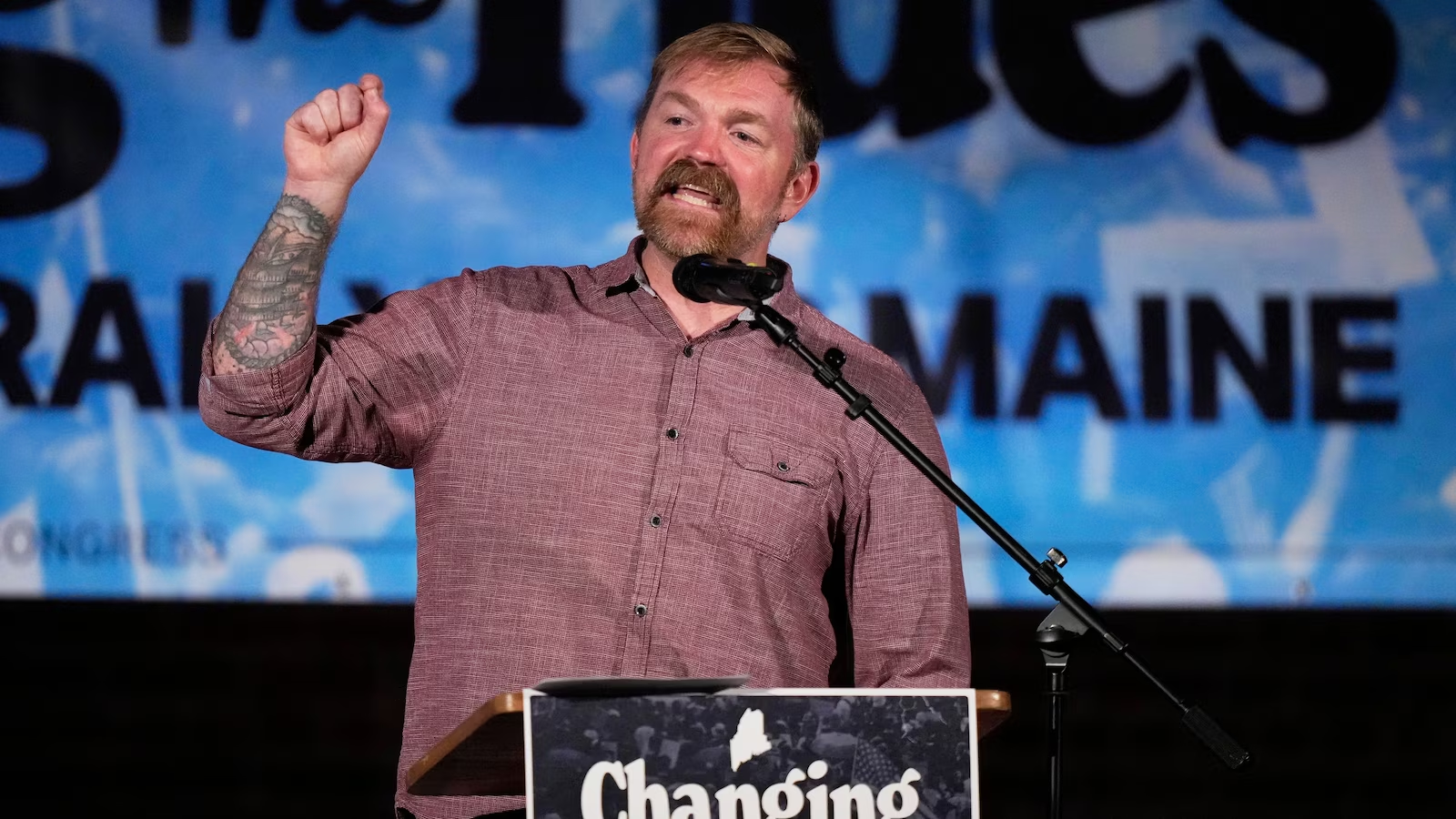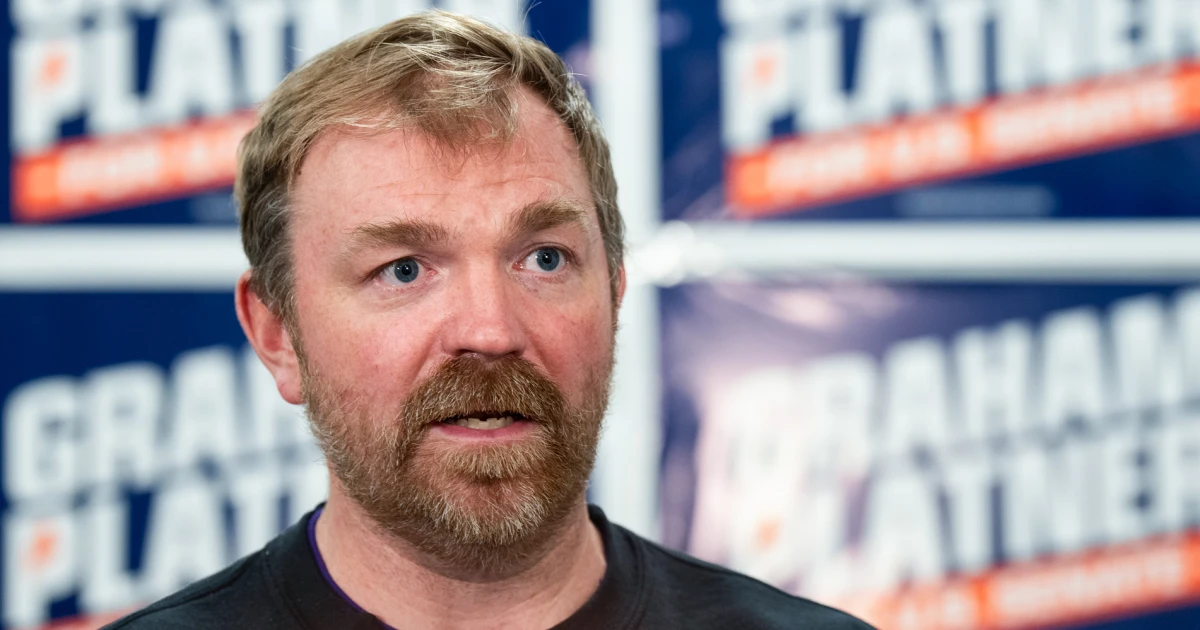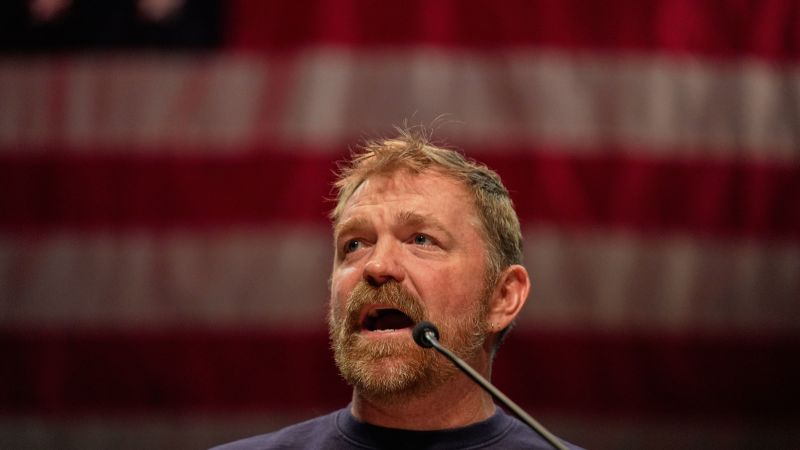
Elections are akin to horse races. Like a bettor with a large bankroll, a political party has a vested interest in backing the right horse. And while political consultants are thick on the ground in Washington, and while the sophistication of their tools — polls, demographic analyses, social media operations — trumps that of touts at the track, one has to wonder what happened this year in Maine, where the Democrats chose to back an odd horse.My firm conducts background investigations, so I know first-hand that everybody wants to back a winner. While there are no guarantees in horse racing — a thoroughbred may pull up lame in the far turn — handicappers try to maximize their odds by maximizing their knowledge of each horse. Their sources of data and methods of analysis may vary, but serious parimutuel bettors always conduct due diligence. Why don’t political parties?The candidate in Maine is an untraditional choice for a national party — so untraditional that one wonders what, if any, vetting was done before the party lent him support. Of the many tourists who visit Croatia each year, one suspects that vanishingly few of them choose to commemorate the trip by getting a chest tattoo of the Totenkopf, or death’s head — the skull motif of Nazi SS units, the shock troops of the Holocaust. To be clear, national political parties in America have traditionally not chosen candidates with Nazi chest tattoos. Also, while some relationships are fraught with difficulty, comparatively few men running for the Senate have been accused of referring to women with a derogatory term related to female genitalia.
The Platner problem: What went wrong in Maine?
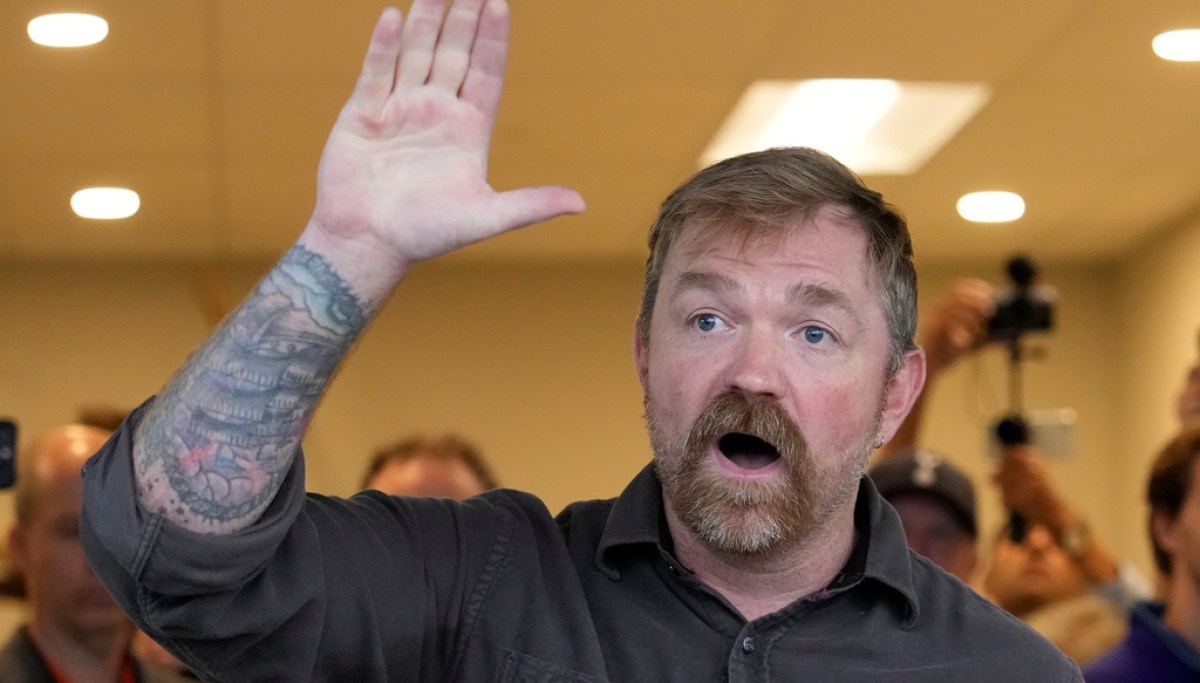
Maine's Graham Platner is an untraditional choice — so untraditional that one wonders what, if any, vetting was done before the party lent him support.
922 words~4 min read